As cities grow denser and lifestyles become increasingly screen-bound, architecture is being asked to do more than shelter or impress. It is now expected to support emotional well-being, mental clarity, and human connection.
One of the most powerful responses to this shift is the integration of therapeutic gardens into modern architectural design, spaces where landscaping is not decorative, but restorative.
Therapeutic gardens sit at the intersection of architecture, landscape design, psychology, and sustainability. Whether woven into hospitals, workplaces, residential developments, or urban public spaces, these gardens are redefining how built environments care for the people who inhabit them.
The Role of Plants in Mental Well-Being
The relationship between plants and mental health is no longer anecdotal. Numerous studies show that exposure to greenery reduces stress, lowers cortisol levels, and improves mood and cognitive performance. In architectural terms, plants act as soft infrastructure—absorbing noise, filtering air, and visually counterbalancing hard materials like concrete, glass, and steel.
In therapeutic garden design, plant selection is intentional. Designers consider texture, scent, seasonal change, and maintenance needs, ensuring that greenery remains inviting rather than overwhelming.
Discussions around the best houseplants for depression often focus on indoor environments, but the same principles scale outward. Plants that are resilient, tactile, and visually calming, such as ferns, grasses, and flowering shrubs, play a similar role in outdoor and semi-outdoor therapeutic spaces.
Rather than isolated green pockets, modern architecture increasingly treats planting as an experiential layer, guiding movement, framing views, and creating moments of pause within daily routines.
Therapeutic Gardens as Architectural Elements
In contemporary projects, therapeutic gardens are no longer add-ons; they are structural components of the design narrative.
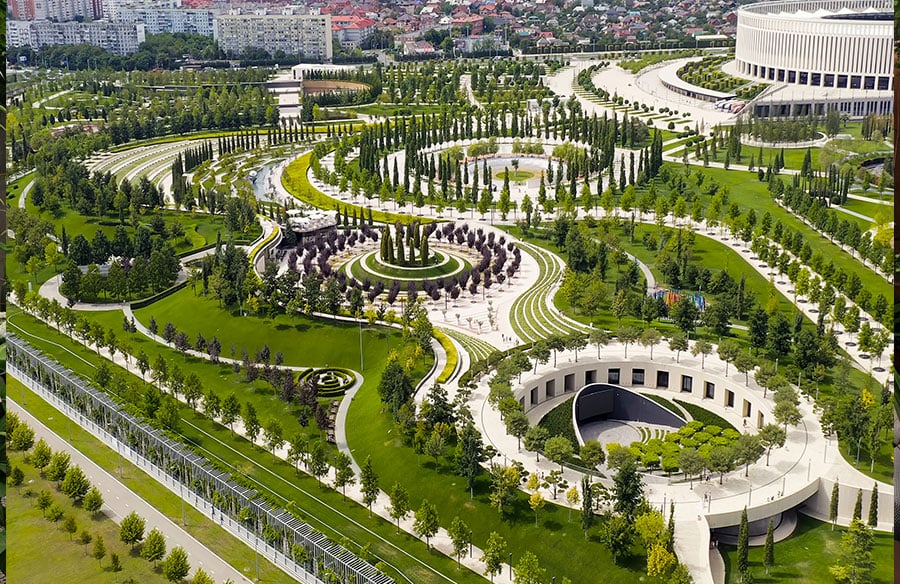
Courtyards, green roofs, atriums, and transitional outdoor rooms are being designed with healing in mind.
Hospitals and healthcare facilities have led this movement. Patient-facing gardens are designed to be visible from rooms and corridors, allowing even passive engagement with nature.
Research shows that patients recover faster when they have views of greenery, reinforcing the idea that architecture can actively participate in healing.
In residential architecture, shared garden spaces foster a sense of community while offering private moments of retreat.
Pathways that slow movement, seating areas nestled among planting, and water features that soften urban noise all contribute to an environment that encourages mindfulness.
Workplace architecture is also evolving. Therapeutic gardens within office campuses provide mental decompression zones, supporting focus and emotional resilience. In these settings, landscaping becomes part of a productivity strategy rather than a purely aesthetic choice.
Principles of Designing a Therapeutic Garden
Designing a therapeutic garden requires more than planting greenery. Successful spaces follow several core principles that align landscape design with human psychology.
Accessibility is fundamental. Gardens must be easy to reach, navigable for all users, and visually legible. Clear paths, gentle gradients, and intuitive layouts reduce cognitive load and make the space welcoming.
Sensory engagement is another key element. Therapeutic gardens appeal to sight, sound, touch, and smell. Rustling leaves, fragrant herbs, textured bark, and filtered light all contribute to a multi-sensory experience that grounds users in the present moment.
A sense of refuge is equally important. Spaces should feel safe without being enclosed, offering partial shelter, shaded areas, and visual privacy. This balance between openness and protection mirrors natural landscapes and supports emotional comfort.
Sustainability and Long-Term Impact
Therapeutic gardens also align closely with sustainable architectural practices. Native and adaptive plant species reduce water consumption and maintenance while supporting local biodiversity. Green roofs and vertical gardens improve insulation and stormwater management, reinforcing the idea that healing landscapes can also be environmentally responsible.
From an urban planning perspective, therapeutic gardens contribute to healthier cities. As public green space becomes increasingly scarce, integrating healing landscapes into buildings helps offset the psychological pressures of dense urban living.
Over time, these spaces influence behavior. People linger longer, interact more gently, and develop a stronger sense of place. Architecture, in this context, becomes a quiet but persistent force for emotional well-being.
Reframing Architecture as a Care System
Therapeutic gardens challenge traditional notions of architectural success. Instead of prioritizing visual impact alone, they measure value through human experience—how a space makes people feel, recover, and connect.
As mental health becomes a central concern in design discourse, therapeutic gardens offer a tangible, scalable solution. They remind us that architecture is not separate from nature, but an extension of it, capable of nurturing both the body and the mind.
In modern architecture, the most meaningful designs may not be the tallest or the most complex, but those that leave room for growth—literally and emotionally.