Modern architecture projects increasingly specify polished or honed concrete as the primary floor finish across residential, commercial, retail, and hospitality contexts. The specification sits at the intersection of slab condition, contractor skill, finish-grade choice, and long-term maintenance planning. The right contractor reads the slab’s specific age, aggregate exposure potential, and surface-flatness profile before quoting. The wrong choice produces a finish that delivers visual disappointment from day one or develops uneven wear within 24 to 36 months.
The same disciplined evaluation that informs other consequential project decisions translates to grinding-and-polishing contractor selection. Specialist firms like Vision Grind & Polish illustrate the credentialing depth project owners should look for, with practice focus on professional concrete grinding and polishing across residential, commercial, and industrial applications. A polished concrete finish is a multi-step diamond grinding and densification process that produces a durable, low-maintenance, and visually consistent floor surface. The decision rewards a few hours of structured homework before signing a finish contract.
Why Has Concrete Polishing Moved Into Modern Architecture?
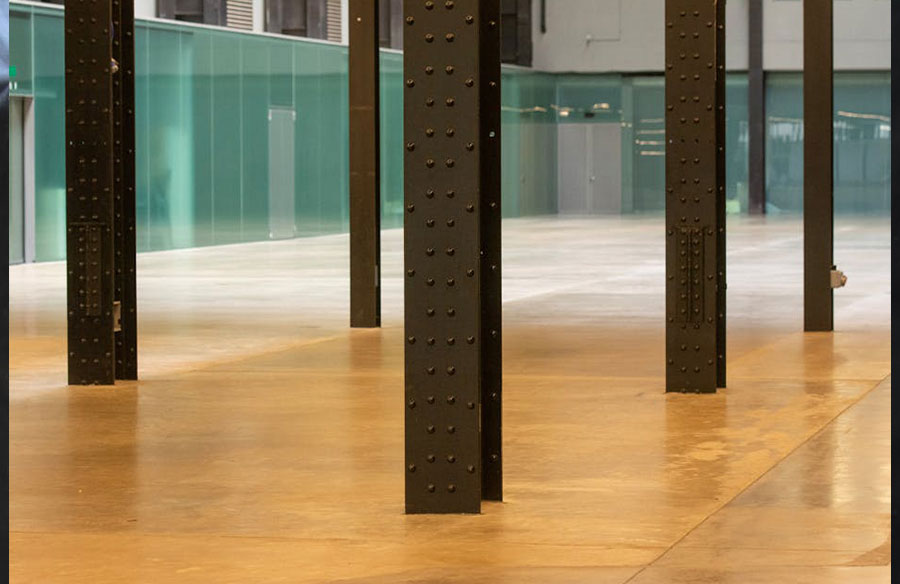
Three structural shifts have moved polished concrete from a commercial-only specification into a mainstream architectural choice. The first is the aesthetic-range expansion. Modern grinding-and-polishing techniques deliver everything from minimally-honed satin finishes to high-gloss aggregate-exposed surfaces, which produces design flexibility the prior generation of concrete finishes could not offer.
The second is the durability advantage. A correctly-installed polished concrete floor often outlasts the building’s first interior renovation cycle of 15 to 25 years. The lifetime-cost outcomes compete favourably with carpet, vinyl, and engineered timber. The third is the embodied-carbon framing. Polished concrete leverages an existing slab rather than requiring an additional flooring system, which reduces the project’s material consumption.
The same kind of innovative-materials thinking visible in coverage of innovative construction materials carries through to the polished-concrete decision.
What Should Project Owners Verify Before Signing?
Six criteria belong on every shortlist. The table below summarises what project owners should weigh before commitment.
| Criterion | What to Verify | What a Strong Answer Looks Like |
| Specialisation | Concrete grinding and polishing focus | 70%+ caseload on grind-and-polish |
| Slab assessment process | Pre-cut survey and densification plan | Documented slab-condition report |
| Equipment standard | Industrial-grade planetary machines | Recent equipment with documented tooling |
| Aggregate exposure expertise | Salt-and-pepper, medium, full exposure | Sample portfolio across all three grades |
| Densifier and sealer system | Lithium or sodium-silicate option | Manufacturer-system documentation |
| Warranty and after-care | Documented post-completion response | 5-to-10-year surface warranty |
A contractor who provides clear answers across these six points signals counsel worth retaining. A contractor who deflects on any of them signals a generalist taking on grinding occasionally rather than as a specialty. Asking these questions early saves real money over the floor’s service life.
Which Project Categories Reward Specialist Counsel Most?
Three project categories reward contractor depth more than the others:
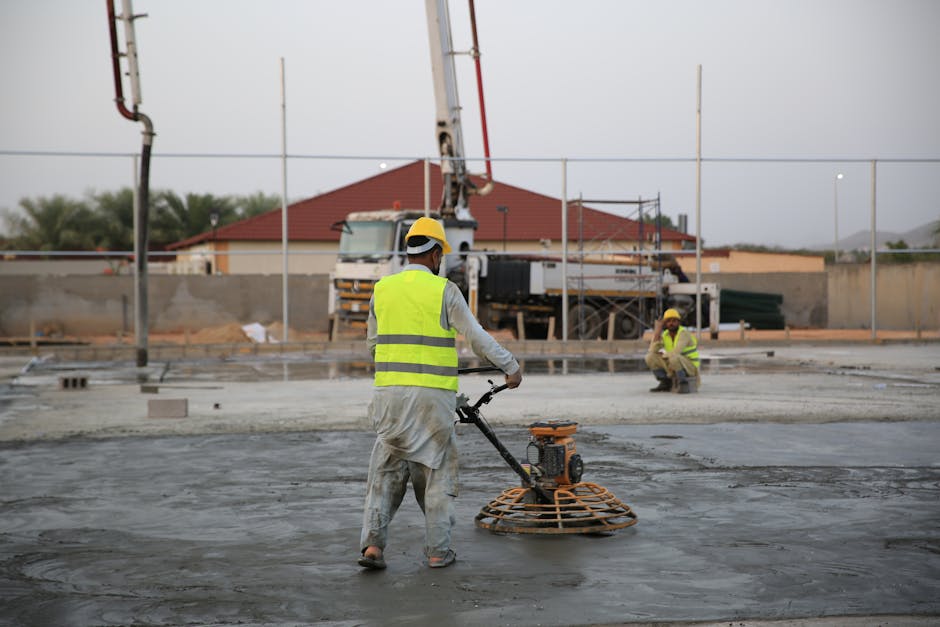 Hospitality and retail interiors where heavy foot-traffic, spill-frequency, and visual-finish requirements all stress the polishing system in ways residential floors do not
- Architect-led residential projects where the slab is the visible finished floor and the aggregate-exposure decision shapes the room’s whole aesthetic
- Adaptive-reuse projects where the existing slab’s age, prior coatings, and surface contaminants require specialist diagnosis before the grinding sequence can be specified
The Centers for Disease Control’s NIOSH construction safety guide outlines the broader worksite-safety framework. The US Environmental Protection Agency’s lead-paint awareness page covers complementary surface-coating considerations on adaptive-reuse projects. The same kind of materials-research thinking visible in coverage of materiality in architecture translates to the concrete-finish side of project specification.
What Common Mistakes Surface in Concrete Polishing Selection?
Several patterns recur. The first is choosing on price alone. The cheapest quote often skips meaningful slab assessment, which produces visible blemishes the architect cannot accept after completion.
The second is treating the densification step as optional. A correctly-densified floor delivers materially better wear performance than a polish-only finish.
The third is overlooking the aggregate-exposure communication. Salt-and-pepper, medium, and full-exposure finishes look meaningfully different in the finished room.
The fourth is forgetting the joint-and-crack treatment. Existing slab joints and cracks require specialist filling before grinding produces the desired result. The fifth is signing without confirming the equipment standard. Industrial-grade planetary machines deliver materially better results than the consumer-grade alternatives some contractors deploy.
What Is the Bottom Line for Modern Architecture Projects?
The concrete-polishing decision rewards project owners who plan rather than improvise. The window for thoughtful preparation typically runs from the structural-design phase through to the finish-contractor comparison phase. The right specialist coordinates the slab assessment, the cut sequence, the densifier system, and the aggregate-exposure decision rather than treating each as a separate engagement.
Whether the project sits in a residential renovation, a hospitality interior, a retail fit-out, or a commercial adaptive-reuse, the criteria translate cleanly. The first contractor conversation should answer specific questions about specialisation, slab assessment, equipment standard, and warranty. Project owners who run real comparison processes early end up with cleaner finish outcomes than owners who default to whichever contractor was recommended first. Pre-engagement preparation pays back across the floor’s full service life of 15 to 25 years on residential projects and longer on properly-maintained commercial floors.
Frequently Asked Questions
How Long Does a Polished Concrete Project Take?
A typical residential polished concrete project of 100 to 200 square metres runs 3 to 7 working days from site mobilisation through to final cure. Larger commercial or hospitality fit-outs of 500 to 2,000 square metres run 1 to 3 weeks. Pre-existing coating removal or major slab repair can add 2 to 5 days to the timeline. Site-access and weather can shift the schedule modestly in either direction.
What Does Polished Concrete Cost?
Polished concrete for residential applications typically runs 80 to 200 Australian dollars per square metre depending on aggregate-exposure level and finish grade. Commercial and hospitality applications run 100 to 250 dollars per square metre. Adaptive-reuse projects with prior coatings or significant slab repair can run 150 to 350 dollars per square metre. The total budget reflects the slab condition more than the floor area on smaller projects.
Does Polished Concrete Need Special Maintenance?
Polished concrete is one of the lowest-maintenance hard floors available. Routine maintenance involves regular dust mopping and occasional pH-neutral wet cleaning. Periodic re-densification or burnishing every 5 to 10 years extends the floor’s appearance over the long term. Spills should be cleaned promptly, particularly on lighter aggregate-exposure finishes. Most owners find the maintenance regime materially lighter than carpet or engineered timber.
Can Existing Concrete Be Polished?
Yes, in most cases. Existing slabs typically polish well after appropriate grinding and densification, particularly slabs poured within the past 30 years. Older slabs can polish well too but may require additional surface-preparation work. Slabs with prior epoxy coatings, paint, or adhesive residue need specialist removal before polishing can proceed. Specialist contractors assess the slab and outline the realistic finish range.