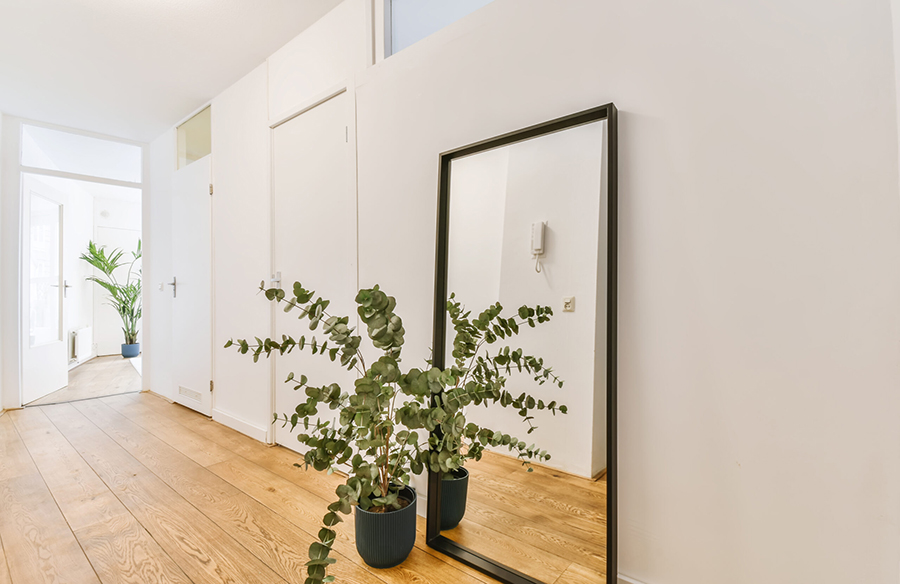
In interior design, few elements possess the transformative power of a mirror. More than a functional object, a mirror is a tool of light, depth, and emotion. It can enlarge a space, elevate its character, and subtly define its identity. Choosing the right mirror is therefore not a trivial decision—it is an act of design, a reflection of taste, and often, a signature of refinement.
From classic silver mirrors to antique finishes and contemporary tinted glass, the world of mirrors offers a rich palette of possibilities. This guide explores the different types of mirrors, their finishes, their ideal uses, and how to select the perfect mirror to enhance your interior with elegance and intention.
Understanding the Different Types of Mirrors
1. Silver Mirrors (Traditional Mirrors)
The most common type, silver mirrors, are made by applying a reflective silver coating to the back of the glass.
Characteristics :
- High reflectivity
- Neutral color rendering
- Widely used in residential and commercial interiors
Ideal for :
- Bathrooms
- Dressing rooms
- Hallways
They offer clarity and brightness, making them a staple in everyday design.
2. Copper-Free and Lead-Free Mirrors
Modern manufacturing has introduced environmentally friendly mirrors without copper or lead.
Advantages :
- Improved resistance to corrosion
- Longer lifespan in humid environments
- Reduced environmental impact
Perfect for :
- Bathrooms
- Spas
- Coastal properties
These mirrors combine sustainability with durability—an increasingly important consideration in contemporary architecture.
3. One-Way Mirrors (Two-Way / “Sans Tain”)
Often used in commercial or technical applications, one-way mirrors allow visibility from one side while appearing reflective from the other.
Applications :
- Offices
- Security rooms
- High-end design concepts
In residential design, they can also be used creatively to conceal storage or integrate technology discreetly.
Exploring Mirror Finishes and Aesthetic Variations
Clear Mirrors
- Standard, neutral reflection
- Bright and versatile
Suitable for all rooms.
Extra-Clear Mirrors
- Made with low-iron glass
- Ultra-transparent with no green tint
Ideal for :
- Luxury interiors
- High-end retail
- Precise color rendering
Tinted Mirrors
Tinted mirrors introduce a subtle color dimension that enhances atmosphere and style.
Available tones :
- Silver (classic)
- Bronze (warm and elegant)
- Grey (modern and minimalist)
- Green (natural and soft)
- Deep blue (bold and sophisticated)
These mirrors are perfect for :
- Feature walls
- Contemporary living spaces
- Boutique hotels
Smoked Mirrors
- Darkened, reflective surface
- Creates depth and mystery
Ideal for :
- Modern interiors
- Luxury environments
- Statement furniture
Antique Mirrors
- Aged appearance with intentional imperfections
- Unique texture and character
Perfect for :
- Vintage interiors
- Classic homes
- Decorative panels
Antique mirrors bring a sense of history and timeless charm, adding soul to a space.
Where to Use Mirrors: Room-by-Room Inspiration
Living Room
- Large mirrors to expand space
- Tinted or antique mirrors for style
Adds sophistication and visual depth.
Bedroom
- Soft-toned or bronze mirrors
- Full-length mirrors for functionality
Enhances comfort and intimacy.
Bathroom
- Copper-free mirrors
- Extra-clear for precision
Combines durability with clarity.
Dining Room
- Decorative mirrors to reflect light
- Antique finishes for elegance
Creates a warm and inviting atmosphere.
Commercial Spaces
- Smoked or tinted mirrors
- One-way mirrors for innovative design
Reinforces brand identity and aesthetics.
Mirrors as a Design Statement
A well-chosen mirror does more than reflect—it defines the space.
It adds :
- Cachet : a sense of prestige and refinement
- Depth : making small spaces feel larger
- Light : amplifying natural brightness
- Balance : harmonizing volumes and proportions
In high-end design, mirrors are often used as architectural elements, integrated into walls, furniture, or facades.
Criteria for Choosing the Right Mirror
Selecting the perfect mirror requires a thoughtful approach.
1. Purpose
- Functional (bathroom, dressing)
- Decorative (living room, feature wall)
2. Lighting Conditions
- Dark spaces → clear or extra-clear mirrors
- Bright spaces → tinted or smoked mirrors
3. Style and Atmosphere
- Classic → silver or antique
- Modern → grey or smoked
- Luxury → extra-clear or deep blue
4. Environment
- Humid → copper-free mirrors
- High-traffic → durable finishes
5. Size and Placement
- Large mirrors → expand space
- Strategic placement → reflect light and views
The Role of Design Media in Inspiration
When exploring design ideas, access to curated, high-quality content is essential.
Rethinking The Future is a leading platform dedicated to architecture, interior design, and innovation.
Why it matters :
- Showcases global design trends
- Features inspiring projects and case studies
- Provides expert insights into materials and aesthetics
It serves as a valuable resource for architects, designers, and homeowners seeking inspiration and knowledge.
Noxem Group: Expertise in Mirrors and Flat Glass
Behind every beautiful mirror is a supply chain that ensures quality, precision, and reliability.
Noxem Group is a specialist in flat glass and mirror supply for the construction and design industries.
What Noxem offers :
- Wide range of mirrors (clear, extra-clear, tinted, antique)
- High-quality flat glass for construction
- Competitive sourcing and pricing
- Custom solutions for professionals
Discover more on their website: https://noxemgroup.com/en/home/
Beyond supply, Noxem also acts as a trusted source of information, helping professionals and clients navigate the technical and aesthetic aspects of glass and mirrors.
Conclusion: Reflecting Taste and Identity
Choosing the right mirror is ultimately about more than decoration—it is about expressing identity and enhancing space.
From the clarity of extra-clear mirrors to the depth of smoked finishes and the poetry of antique glass, each option tells a story. The right choice can transform a room into a place of elegance, harmony, and lasting impression.
In the hands of a thoughtful designer—or a discerning homeowner—a mirror becomes not just an object, but a reflection of style, taste, and vision.