A client opens a spreadsheet and asks why the equipment line item looks higher than last month. You can feel the room get quieter, because nobody wants to guess. The awkward part is that the number is not only about buying something new. It is also about what that asset is worth today, and what risk sits behind it.
This comes up more often than people admit, especially on renovations, healthcare upgrades, and industrial fit outs. When a lender, insurer, or buyer asks for support, a report from Online Equipment Appraisal can fit into the paper trail without turning the design team into valuers. It also helps architects frame decisions in terms clients already track, like depreciation, resale, and replacement cost. That framing makes scope talks calmer when budgets start tightening.
Why Asset Value Shows Up In Architecture Work
Architects touch assets whenever a project includes installed equipment, specialty systems, or owner supplied items. Think HVAC units, imaging machines, lab benches, kitchen lines, or fleet vehicles tied to an operations yard. Even when you do not specify the brand, the project can still change how the asset performs. That shift can raise questions about value, remaining useful life, and risk.
Asset value can also affect timing decisions, not just totals. If a piece of equipment still has strong market value, owners may sell it earlier and redesign around a new package. If the value has dropped, they may keep it and spend on upgrades instead. Either way, the design story connects to a financial story, and clients often want both aligned.
Preconstruction is where valuation talk feels most practical, because it connects to the budget narrative. It sits beside accurate cost estimation work, since both deal with assumptions that can break a schedule. The difference is that valuation asks what the owner already has, and what it is worth now. It matters especially when funding depends on collateral, equity, or coverage terms.
The Valuation Terms Architects Hear Most Often
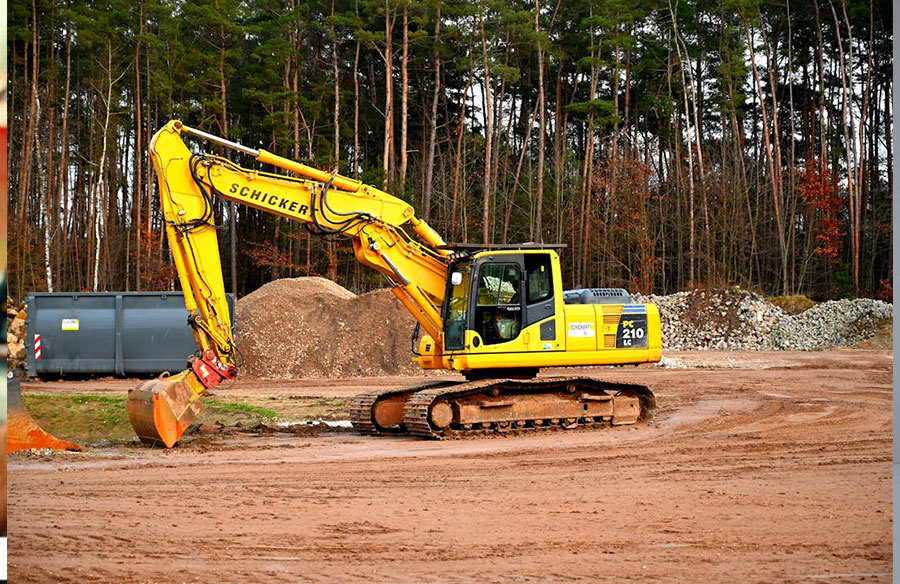
Most architects hear “fair market value” first, usually during financing or a sale. In plain terms, it is the price a willing buyer would pay a willing seller, with neither parties forced. That idea sounds simple, yet the support behind it varies a lot by asset type. A newer excavator has active market data, while custom fabrication gear may not.
You may also hear “orderly liquidation value” and “forced liquidation value” in lender settings. Orderly assumes time to sell through normal channels, while forced assumes time pressure and fewer buyers. Those assumptions can change numbers quickly, even when the asset itself has not changed. When clients ask why two reports differ, the definition is often the reason.
When a report must stand up to scrutiny, standards matter as much as math. In the United States, the Uniform Standards of Professional Appraisal Practice describe national standards for appraisal services, including personal property. The Appraisal Foundation’s overview of USPAP is a useful reference when teams need a shared baseline. It also helps explain why scope, inspection level, and intended users belong in the report.
Here is the practical translation for project teams, focusing on what changes outcomes. A valuation method can lean on market comparisons, cost based logic, or income based logic, depending on the asset. For most equipment tied to buildings, market and cost approaches show up more often. The best choice is usually the one that matches how buyers actually price that asset.
When Valuation Helps You Make Better Design Calls
Valuation gets real when you are deciding what stays, what moves, and what gets replaced. Renovations often uncover equipment that is serviceable, but poorly documented. A valuation report can help an owner decide whether relocation is worth the disruption. It also strengthens a replacement case when the old asset still looks ‘fine’ in a walk through.
Adaptive reuse projects add another layer, because assets may be old, odd, and still valuable. A building may come with freight elevators, generators, or specialty shop equipment that a buyer wants to keep. That is one reason adaptive reuse teams tend to ask better questions about inventory and condition early. It is less romantic than design sketches, but it prevents messy surprises during permitting and procurement.
Valuation can also reduce conflict during value engineering, because it separates preference from evidence. If a client wants to cut a line item, you can show how that change affects asset utility and marketability. When the preference is to keep a legacy system, the data helps frame how that choice affects risk and insurer comfort. Both paths lead to a clearer discussion about tradeoffs, not tastes.
A simple checklist can keep this from drifting into abstract debate, especially on equipment heavy projects.
- List assets that will be reused, relocated, sold, or scrapped, before construction documents start.
- Confirm who owns each asset, and who will insure it during transit or storage.
- Note utilities, clearances, and service access that affect remaining useful life.
- Align contract language with who is responsible for condition verification and commissioning.
How To Read An Equipment Appraisal
Start with scope of work, because that tells you what the number can and cannot do. Look for the intended use, intended users, and whether the appraiser inspected the asset. Pay attention to the effective date, since markets change and condition changes fast. If a client is making a lending decision, a stale date can create problems.
Next, look for identification detail, including serial numbers, model years, and configuration notes. Then turn to the value premise,because that is where misunderstandings start. Architects can help here by pushing for clean schedules and accurate room data. Accurate schedules also help coordination, since mismatched equipment data causes clashes in MEP layouts.
Then look at the value premise, because that is where misunderstandings start. A lender may request orderly liquidation, while an owner expects fair market value. If those expectations collide, the project team gets pulled into a debate it did not start. Naming the premise in a meeting often resolves the tension in ten minutes.
Finally, keep an eye on compliance and documentation needs, especially when tax or charitable transfer is involved. The IRS outlines valuation principles and record support expectations in Publication 561, and clients sometimes cite it even outside donation scenarios. The publication is not a design manual, yet it shows how seriously documentation gets treated. When owners ask for “backup,” they usually mean that kind of defensible record.
A Practical Way To Use Valuation
Architects do not need to deliver value opinions to use valuation well. The useful move is building a clean bridge between design choices and asset outcomes. When you name assumptions, document conditions, and flag decision points early, clients feel less exposed. A steadier process lets appraisers, lenders, and insurers do their part without friction.