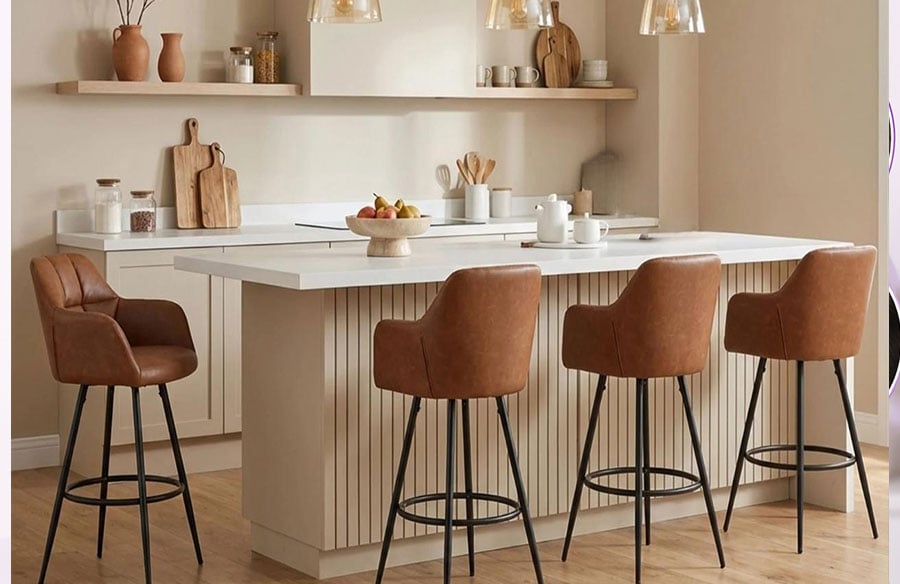
When selecting seating for your home bar, it might appear easy at first. You discover a style that you want, you check the cost and order it. However, a few specifics can influence the seating effectiveness when it gets to you.
All of this, including height, size, material, weight capacity, movement and overall construction is important.
The right choice should fit in your space, but also be suitable for how you intend to use it. Before deciding on seating for a new home bar or to replace old seats, there are eight points to consider.
1. Check the Weight Capacity
The first of the many things to look at is the amount of weight that the seating will be able to handle. Details like this are often provided in the product spec but can be hard to keep track of while looking for products to buy.
If you want the chairs to be used a lot in a house, you may want to consider heavy duty swivel bar stools. A robust frame and sturdy base can offer more support for daily use, particularly if various individuals use the seats.
Don’t measure the strength from the outside. Aside from the appearance, a stool can be solid and have a lower weight rating. Always refer to manufacturer’s specifications before purchasing. An appropriate weight capacity can also add to the lifespan of the seating and prevent damage due to repeated usage.
2. Measure Before You Buy
One of the simplest errors to make when it comes to purchasing home bar seating is taking the measurements.
First, measure the distance between the floor and top surface of your counter or bar. Next, confirm the seat height of the item that you are considering.
Consider the overall width and depth, too. While a wide seat can be comfortable, multiple wide seats can fill more space than one would think.
Make a list of the measurements before you go shopping and match them with the product size specifications. This easy step should save you the hassle of receiving furniture that doesn’t fit in your home.
3. Choose fixed vs swivel seating
Not all bar stools roll off the sidewalk. Some may have a fixed seat and some others let the user turn. Consider how you want your home bar to be utilized. Being able to turn in a tight space or against a wall may facilitate entering and exiting.
A fixed seat might be more suitable if you’re looking for a more straightforward design that has less moving components.
Either of these choices isn’t necessarily a better choice. It will depend on your room, your preferences and if you are looking to move around from the seating.
4. Look at the Footrest
While it may be a trivial feature, a footrest can make a significant difference at a raised counter. Your legs might hang down in an awkward position if you don’t get the right foot support. Having a foot rest at the right height provides a place to rest your feet and makes long sitting sessions more comfortable. Make sure the footrest is positioned before purchase. When shopping online, view product images several ways and read product specifications if provided.
This is especially crucial with taller seating as there is a larger distance between the ground and the seat.
5. Think About the Seat Shape
The design of the seat impacts comfort and appearance. Some seats are round, some square or shaped. A broad seat can offer more area, but might also need more space amongst the stools.
If there is a back, look to see how tall it is and if it offers sufficient support. Backless pieces may appear straightforward and can easily find their way underneath a counter while not in use.
Consider how long people tend to stay when they visit your own home bar. If the area is predominantly used for “quick meals” a simple seat may suffice. If people come in and relax and have a lot of discussion there, it may be helpful if they are spending many hours there.
6. Think about Floor and Base
Your seating base is as important as your seat.Inspect for sufficient stability of the legs or base. Seating should be stable on the floor and won’t rock as people sit or move around. Your flooring is also a factor to take into account. Furniture can leave scratches on hard flooring like tile, wood and laminate.
Use of floor protectors or appropriate feet can minimize this issue. These can also help to make it easier to move the seating for cleaning.When your home bar is in a popular spot, you’ll likely want stability to be among your top priorities.
7. Think About Cleaning and Maintenance
Home bar seating tends to get dirty and stained with spills, dust and crumbs in no time. The maintenance will vary greatly depending on the material and design.When purchasing, think about how simple it will be to clean the seat. Fabrics or finishes that are detailed can be cleaned more thoroughly and take longer to clean as compared to smooth surfaces.
Remember your home. If you have kids or often welcome guests into your home, you’ll want seating that doesn’t require any special cleaners or upkeep.
8. Pick a Style that Will Last
While trends can be helpful, home bar seating doesn’t always have to conform to all the latest trends. Rather, choose a look that will blend in with the rest of your interior and will be a future favorite.For example, natural materials can add warmth to a space.
The style of wood chairs restaurant settings can also provide inspiration if you like a classic or natural look for your home dining area. You should also consider the rest of the room. Look at your cabinets, countertops, flooring, dining furniture, and lighting before choosing a finish. A seat does not need to match everything exactly. However, it should feel like it belongs in space.
Conclusion
When purchasing seats for your home bar, it is easier when you recognize what to search. Don’t just look for the weight capacity, measurements, seat type, footrest, base, maintenance and style, though.
Consider how you will be using your seating at home and what will help make it easier to use daily. By doing a bit of homework before you purchase, you can save yourself replacement problems, uncomfortable seating and poor fit.
Frequently Asked Questions
Q1. What is the most important thing to check before buying home bar seating?
The correct height is one of the most important factors. You should also check the weight capacity, dimensions, stability, and comfort before making a purchase.
Q2. How do I know what height stool I need?
Measure the distance from the floor to the top of your counter. Then compare that measurement with the seat height listed by the manufacturer. Make sure there is enough room for comfortable leg movement.
Q3. How much space should I leave between seats?
The amount of space depends on the width of each seat. People should have enough room to sit comfortably without bumping into the person beside them. Always consider the full width of the seating rather than only the seat itself.
Q4. What material is best for home bar seating?
There is no single best material. Metal, wood, plastic, and upholstered seating can all work well. Your choice should depend on durability, cleaning needs, comfort, and the style of your home.
Q5. How can I prevent my stools from damaging the floor?
Choose seating with suitable floor protectors or feet. Avoid dragging furniture across the floor and check the base regularly for dirt or rough edges that could cause scratches.