Architecture has functioned as an archive of history for centuries, reflecting the distinct identities of various periods. However, it is crucial to note that the public’s influence on architectural decisions was often restricted. Architects and planners often worked under the influence of the elite in power, constructing structures with little consideration for the people who would ultimately inhabit and experience them.
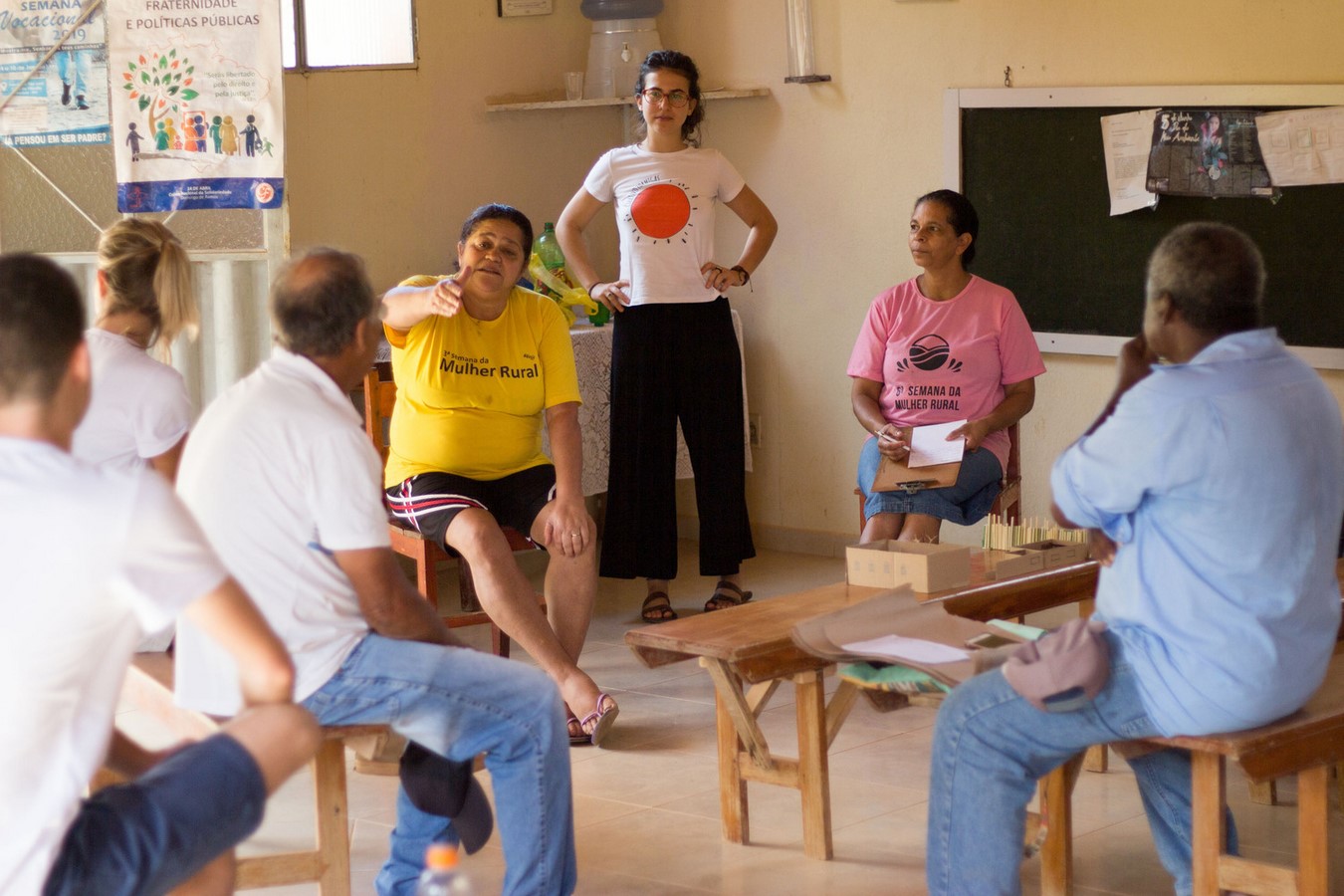
However, over the past few decades, there has been a growing recognition of the significance of community participation in architectural projects. This paradigm shift places the primary stakeholders—the users—at the forefront, ensuring their active involvement in shaping the spaces that directly influence their lives. (Utilities One, 2023; RIBA, 2023)
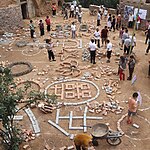
Contemporary practices are increasingly adopting inclusive and participatory models in their design processes. Let us explore some captivating examples where the users take the reins, shaping their surroundings through collaborative decision-making!
La Borda Cooperative Housing
Emerging from a grassroots movement to reclaim an abandoned industrial complex in Barcelona, La Borda redefines the collective housing program, ensuring sustainability and community participation at its core. Designed by Lacol Architecture Cooperative, the project received the Mies van der Rohe for Emerging Architecture award in 2022.
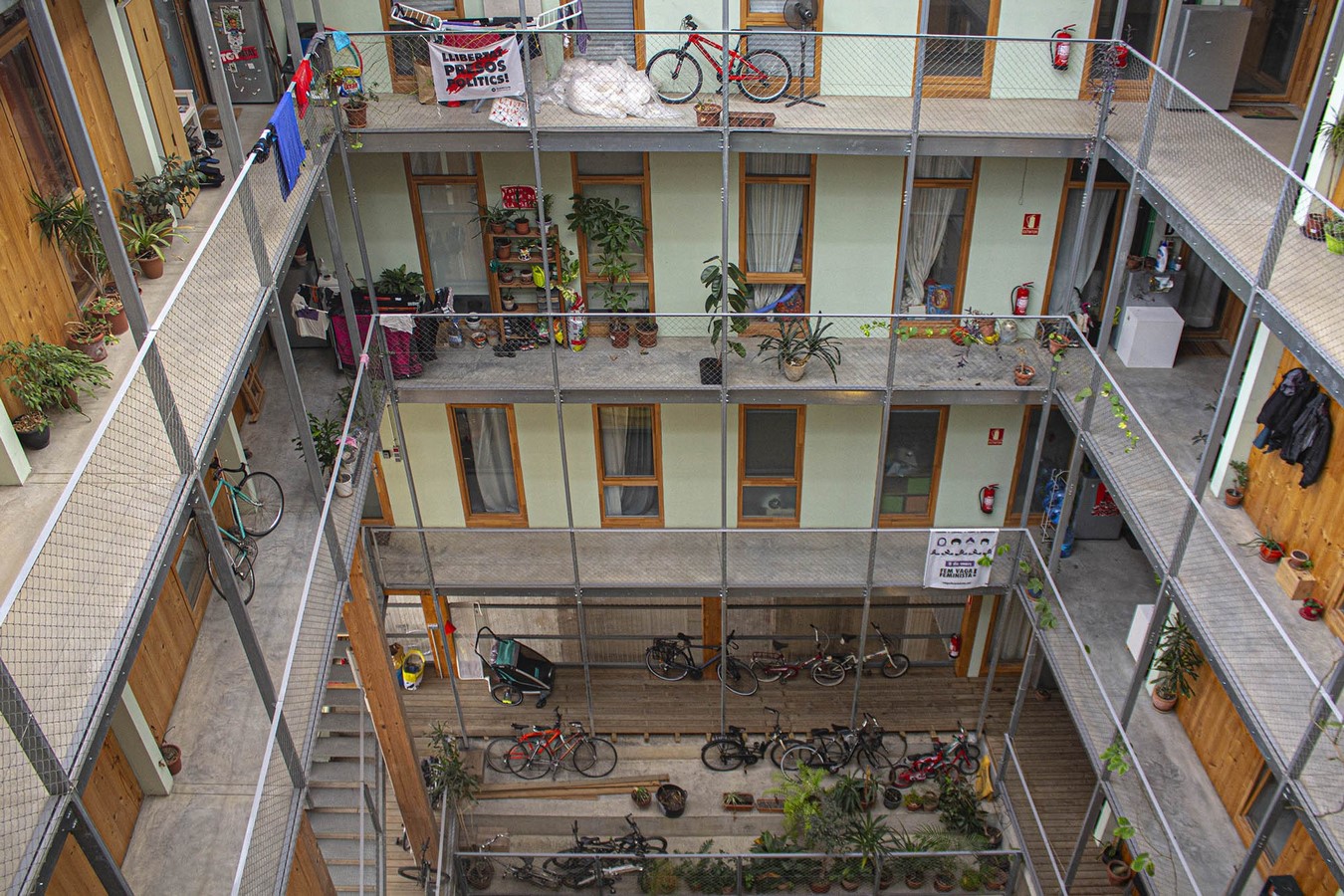
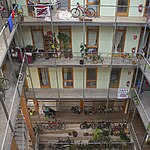
The project features diverse apartment modules and communal spaces organized around a central courtyard reminiscent of the traditional corralas of central and southern Spain, fostering a collaborative community living experience. The cooperative prioritized minimal environmental impact during construction and operation, utilizing passive solutions and resource optimization to reduce housing costs and eliminate energy poverty for its users.
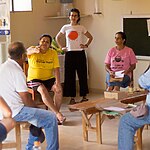
In contrast to typical public or private approaches, this community-centric model overcomes the constraints of standardized living arrangements or profit-driven models. Collaborative workshops with technical teams allowed the residents to present their specific needs. La Borda’s self-promotion and collective management prioritized the involvement of future users in design, construction, and use. This allowed inhabitants to define the project based on their unique requirements. The apartments featured a basic structure, with added modules for larger units. This modular design enabled users to change the apartment’s layout and size based on their needs. (Luco, 2023; EUMiesAward, 2022; La Borda, 2016)
The Rohingya Cultural Memory Centre
Have you ever wondered what refugees carry in their bags? Beyond mere possessions, within those bags lie stories of lives abruptly disrupted, identities lost, and the yearning for a place called home. In 2017, over 960,000 civilians fled to Cox’s Bazar, Bangladesh, seeking refuge from widespread violence in Myanmar, turning the region into the world’s largest refugee camp. (UNHCR, 2023)

The Rohingya Cultural Memory Centre is an exemplar of community participation, the first-ever attempt to document and preserve the heritage of the Rohingya, a Muslim ethnic minority. The project won the Aga Khan Award for Architecture in 2022, the result of a collaboration between the International Organization for Migration and the Rohingya community, guided by the vision of architect Rizvi Hassan.
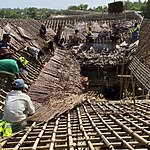
The community members actively contributed their knowledge, skills, and stories, guiding the project’s vision. The design process involved collaborative design sessions, where they shared insights on indigenous materials and artisanal skills. This inclusive approach familiarized them with construction techniques and fostered a sense of ownership, contributing to their overall mental well-being.
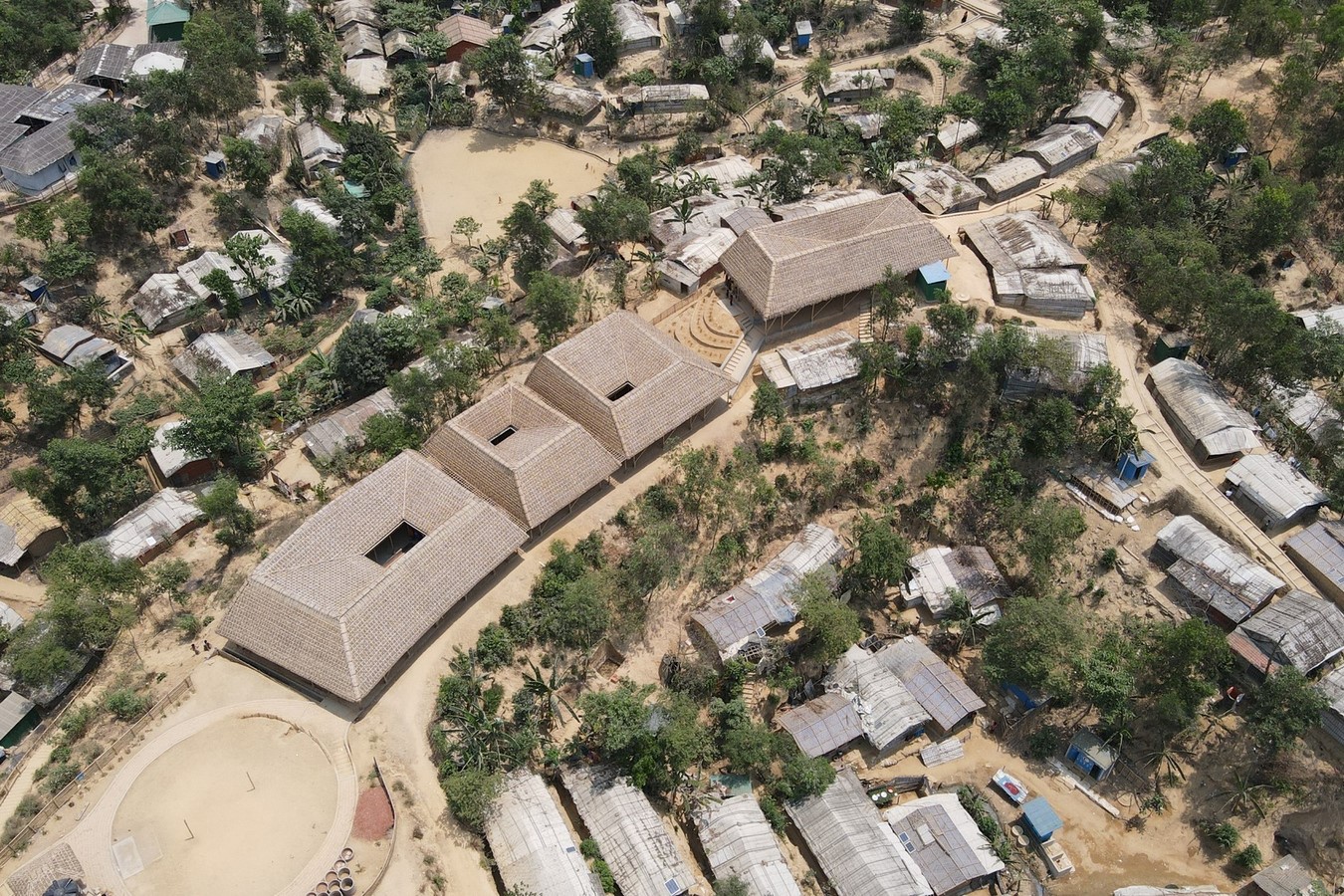
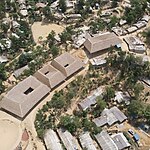
The project encompasses a learning center, an open-air auditorium, workshops, and an exhibition hall spread across hilly terrain. The design incorporates traditional nipa palm leaves and bamboo weaving while ensuring flexibility through elements like prefabricated columns, which are easy to dismantle. Additionally, extended shades enveloping the structures provided protection from heavy rain and created walkways, promoting community engagement. This thoughtful design aligns with the impermanent nature of the camp while reflecting the archetypal Rohingya style. (Abdel, 2023; Maju, 2022; Khan, 2022)
House of Dreams
The House of Dreams project in Zhoushan, China, is another remarkable example of community participation and sustainable development. Driven by the In-situ Project research platform, this endeavor involved over 80 villagers in the revitalization of nineteen caves, transforming their childhood homes into a Rural Development facility.
The designers constantly engaged with residents of Zhoushan village to persuade them of the viability of sustainable practices by finding uses for waste that would otherwise go into landfills. This bottom-up methodology trained retired villagers without former building experience in experimental construction employing household waste – bottles, plastics, and other objects into walls, floors, and surfaces.
This innovative approach empowered unskilled villagers to participate in the construction process, fostering a local know-how economy by recycling local resources and developing new skills. As a result, it not only reduced building costs but also embedded the villagers’ unique stories into the project’s material surfaces of the project, adding a rich and personal narrative to the endeavor. (Yakubu, 2023; PolyU Design Research, 2021)
Sanjaynagar Slum Redevelopment Project
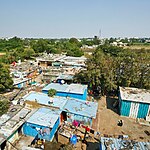
As India emerges as the world’s most populous country in 2023, there is a growing concern for a massive housing shortage, particularly for economically weaker sections and lower-income groups. Increased urbanization has led to a substantial rise in the population inhabiting informal settlements, including slums and squatter areas. (United Nations, 2023; KPMG and NAREDCO, 2012)
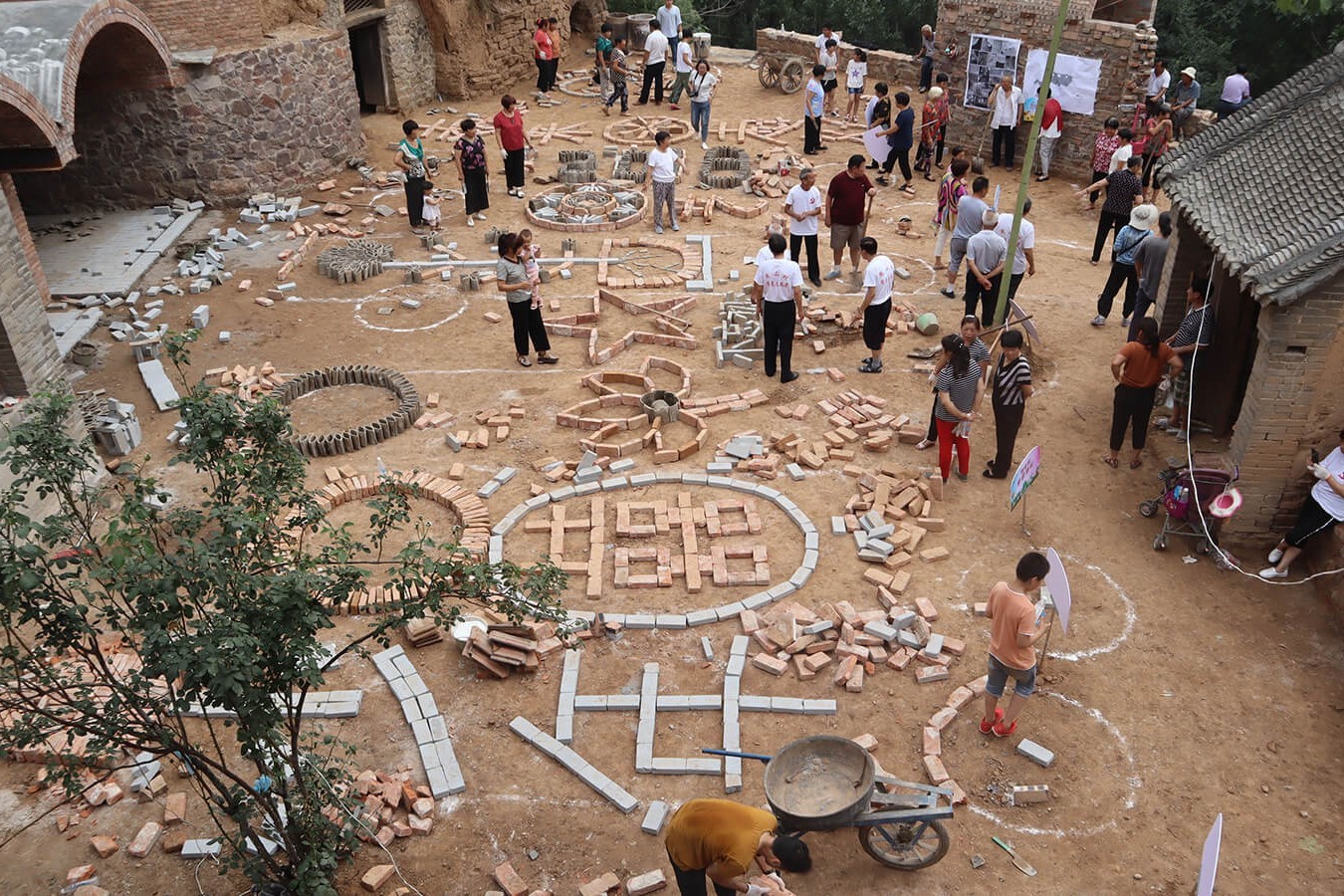
Amid this crisis, the Sanjaynagar Slum Redevelopment Project in Ahmednagar, India, is a collaborative initiative addressing housing inequality by involving residents in spatial planning decisions. The project, led by the Community Design Agency in collaboration with local organizations and subsidized by the Pradhan Mantri Awas Yojana Urban program, is transforming the lives of 298 families confined to a 2-acre slum.
Due to their socio-economic circumstances, slum dwellers are often stereotyped as individuals who yearn for professional intervention to improve their lifestyle. Contrary to this notion, the residents of Sanjaynagar actively contributed to design decisions at all scales, from neighborhood planning to customizations in their individual homes.
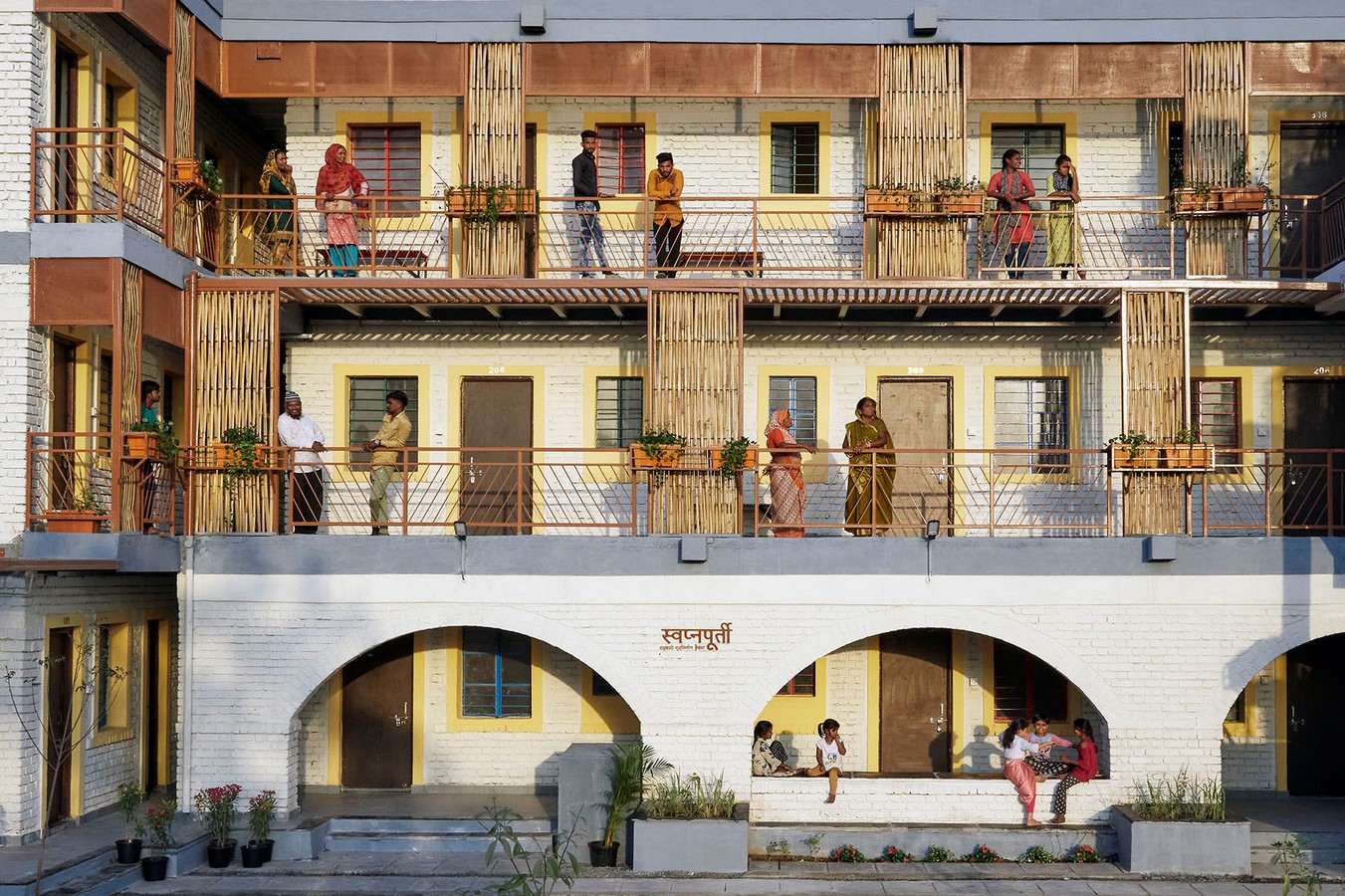
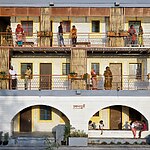
Challenging conventional low-income housing perspectives, the project aims to balance the trade-offs between quantity and quality, creating a balance of safe and healthy private spaces as well as dynamic communal areas. The project features dwelling units organized in G+2 buildings around courtyards, with wide corridors enhanced by bamboo screens and pergolas. These elements infuse an element of locality as shading devices and function as communal spaces for social interactions. (Yakubu, 2023; Abdel, 2022; Shankar, 2022)
East County Library
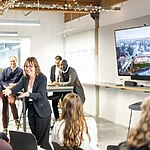
The new East County Library in Portland, Oregon, is a testament to the transformative power of community participation. The project, a collaboration between Adjaye Associates and Holst Architecture, is a product of extensive community engagement, ensuring that the 95,000-square-foot facility addresses Multnomah County residents’ diverse needs and requirements.
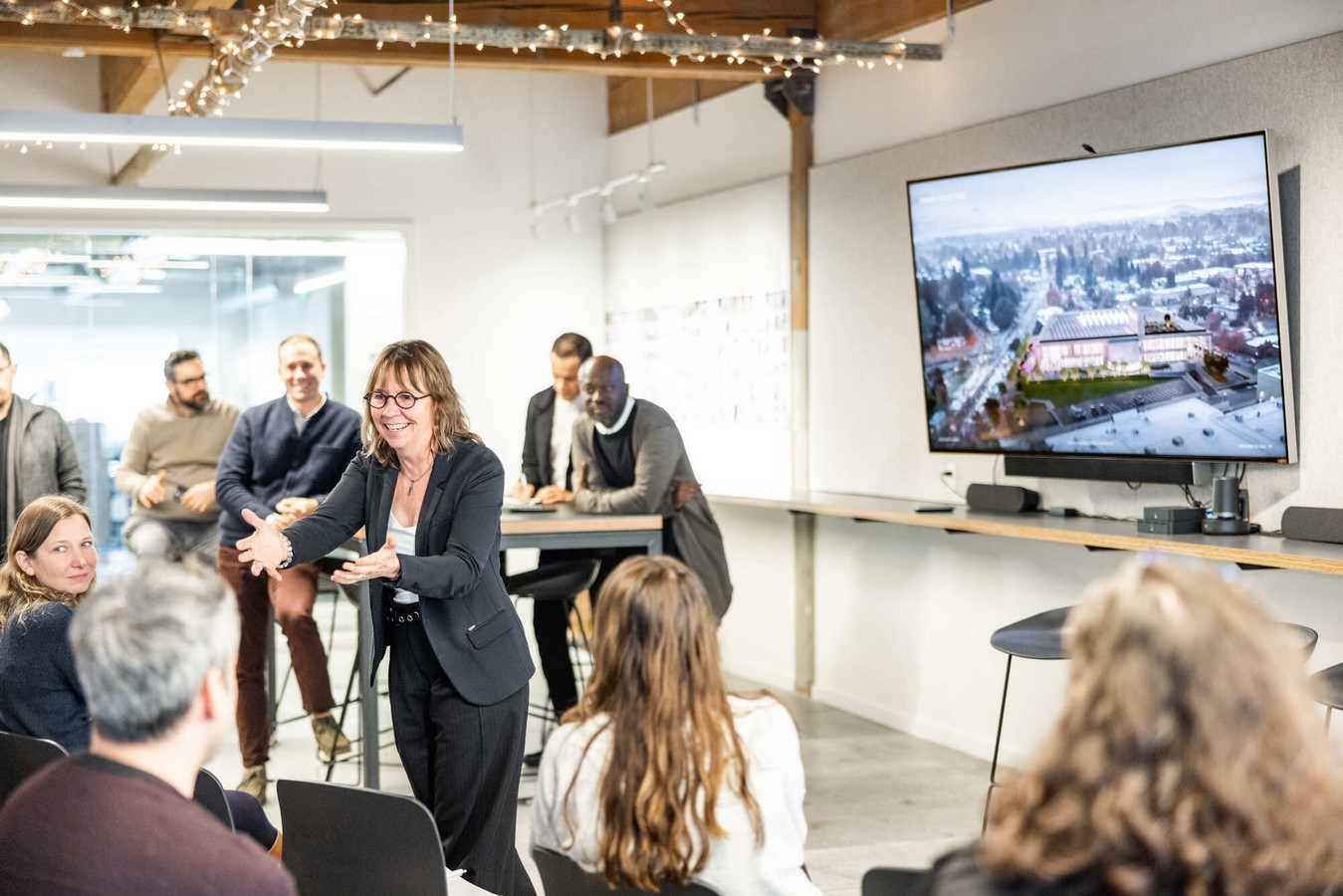
The project team engaged with community members through focus groups, public meetings, surveys, and workshops, understanding feedback from users with varied needs and abilities. The community members are updated with the building’s progress via the project website, facilitating ongoing feedback and collaboration. From selecting the library’s location, strategically linked to public transportation, to the design elements, every aspect reflects a commitment to accessibility.
The design incorporates a communal outdoor area with an amphitheater and plaza for events, inviting passers-by and encouraging interaction. Based on input from community members, the facility offers areas for reading and collaboration, a versatile auditorium for various activities, and secure family spaces, including indoor and outdoor children’s play and learning areas, along with a dedicated teen space. In addition to a traditional library, it features classes for hands-on exploration, a professional-grade audio-visual studio, and diverse collections reflecting the neighborhood’s cultural and language diversity. (Otte, 2023; Florian, 2023)
Conclusion
Community participation transforms communities from mere recipients of urban changes to active contributors shaping the narrative of their architectural spaces. By engaging with the users, architects gain valuable insights into their needs, aspirations, and values, resulting in more successful and sustainable projects across various typologies. This collaboration fosters a profound sense of ownership among the residents and ensures that the project aligns with the community’s vision. Through this transformative approach, architecture evolves beyond construction; it becomes a guardian of cultural heritage, ensuring that the built environment authentically reflects the cultural identity of the community it serves.
References
Abdel, H. (2023). Rohingya Cultural Memory Centre / Rizvi Hassan. ArchDaily. Available at: https://www.archdaily.com/982761/rohingya-cultural-memory-centre-rizvi-hassan?ad_medium=gallery (Accessed: 03 December 2023).
Abdel, H. (2022) Sanjaynagar Slum Redevelopment Project / Community Design Agency, ArchDaily. Available at: https://www.archdaily.com/982534/sanjaynagar-slum-rehabilitation-project-community-design-agency?ad_source=search&ad_medium=projects_tab (Accessed: 05 December 2023).
EUMiesAward (2022) La Borda – Cooperative Housing, EUMiesAward. Available at: https://miesarch.com/work/4554 (Accessed: 03 December 2023).
Florian, M.-C. (2023) Adjaye Associates and Holst architecture reveal the first images of a new community-centered library in Portland, US, ArchDaily. Available at: https://www.archdaily.com/995656/adjaye-associates-and-holst-architecture-reveal-the-first-images-of-a-new-community-centered-library-in-portland-us (Accessed: 03 December 2023).
Jacobs, J. (1961) The Death and Life of Great American Cities. New York: Random House.
Khan, Z. (2022) Art of preserving memory: The Rohingya Cultural Memory Centre in Bangladesh, STIRworld. Available at: https://www.stirworld.com/see-features-art-of-preserving-memory-the-rohingya-cultural-memory-centre-in-bangladesh (Accessed: 03 December 2023).
KPMG and NAREDCO (2012) National Real Estate Development Council, NAREDCO. Available at: https://www.naredco.in/notification/pdfs/Urban-housing-shortage-in-India.pdf (Accessed: 03 December 2023).
La Borda (2016) La Borda – Architectural project, La Borda. Available at: http://www.laborda.coop/en/project/architectural-project/ (Accessed: 03 December 2023).
Luco, A. (2023). La Borda / Lacol. ArchDaily. Available at: https://www.archdaily.com/922184/la-borda-lacol (Accessed: 03 December 2023).
Maju, S. V. (2022). Five projects reflecting the social and participatory architecture of 2022. Available at: https://www.stirworld.com/see-features-five-projects-reflecting-the-social-and-participatory-architecture-of-2022 (Accessed: 03 December 2023).
Otte, D. (2023) Multnomah County Library Breaks Ground on New, Destination Library in East County, Holst. Available at: https://holstarc.com/news/multnomah-county-library-breaks-ground-on-new-destination-library-in-east-county (Accessed: 03 December 2023).
PolyU Design Research (2021) The House of Dreams Sustains local communities with social innovation and research by design: News: News and events, School of Design, The Hong Kong Polytechnic University. Available at: https://www.polyu.edu.hk/sd/news-and-events/news/2021/the-house-of-dreams-sustains-local-communities-with-social-innovation-and-research-by design (Accessed: 03 December 2023).
Royal Institute of British Architects (2023) Good community engagement leads to successful projects, RIBA. Available at: https://www.architecture.com/knowledge-and-resources/knowledge-landing-page/good-community-engagement-leads-to-successful-projects (Accessed: 03 December 2023).
Shankar, A. (2022) In Ahmednagar, residents of a slum design their own homes, Architectural Digest India. Available at: https://www.architecturaldigest.in/story/in-ahmednagar-residents-of-a-slum-design-their-own-homes/ (Accessed: 03 December 2023).
United Nations (2023) UN DESA Policy Brief No. 153: India overtakes China as the world’s most populous country, United Nations. Available at: https://www.un.org/development/desa/dpad/publication/un-desa-policy-brief-no-153-india-overtakes-china-as-the-worlds-most-populous-country/ (Accessed: 03 December 2023).
United Nations High Commissioner for Refugees (2023) Rohingya refugee crisis explained, The UN Refugee Agency. Available at: https://www.unrefugees.org/news/rohingya-refugee-crisis-explained/ (Accessed: 03 December 2023).
Utilities One (2023) The integration of community participation in architectural construction, Utilities One. Available at: https://utilitiesone.com/the-integration-of-community-participation-in-architectural-construction (Accessed: 03 December 2023).
Yakubu, P. (2023) Designing with users: 7 projects where architects collaborated with communities, ArchDaily. Available at: https://www.archdaily.com/1003936/designing-with-users-7-projects-where-architects-collaborated-with-communities (Accessed: 03 December 2023).