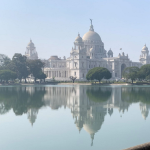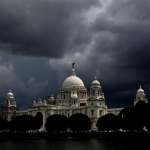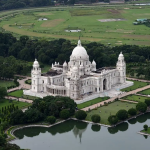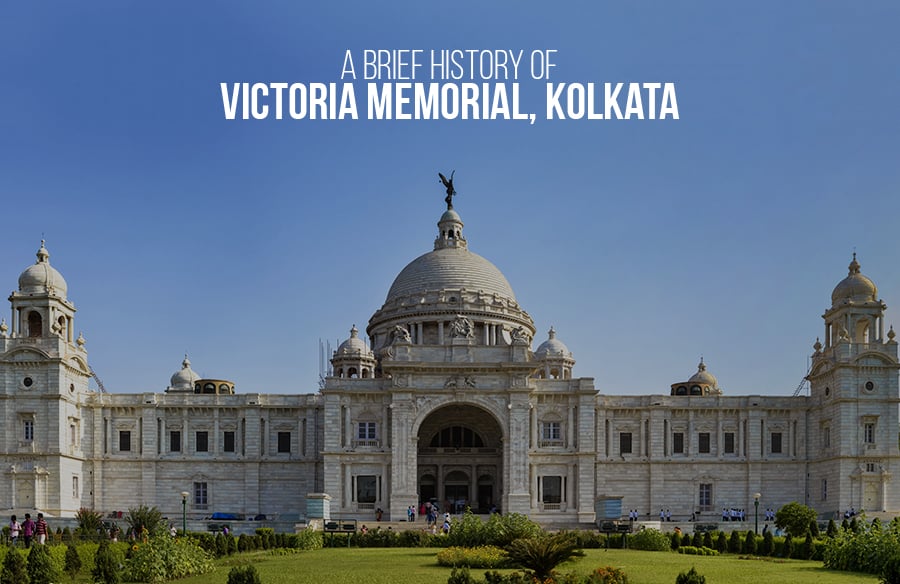
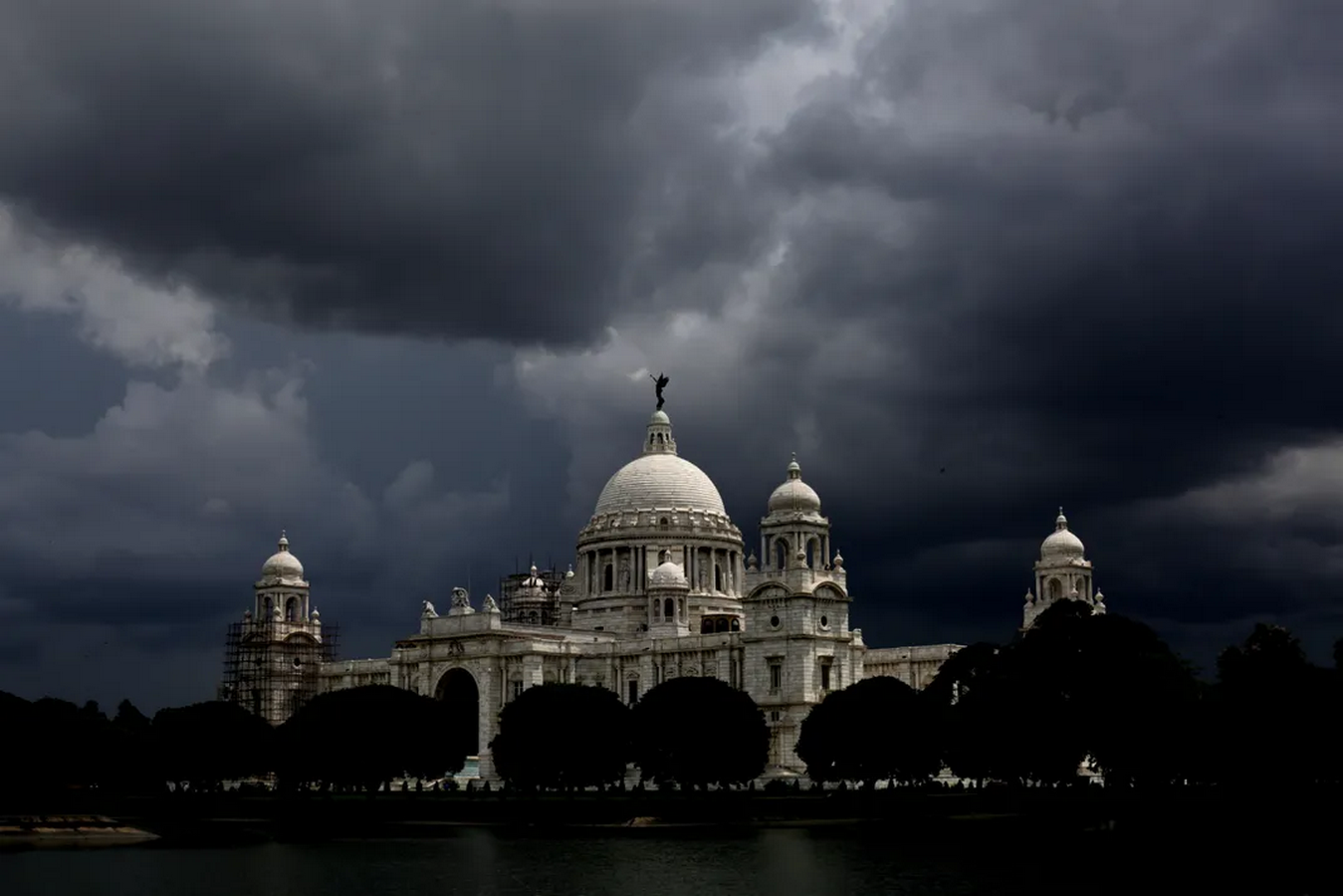
Kolkata, the city renowned for its culture and art, is famous for preserving its rich history. The city has successfully preserved its roots, whether in the form of colonial buildings, beautiful monuments, or its modes of transportation. One such beautifully preserved iconic building, standing in all its glory, is the Victoria Memorial. This beautiful piece of Indian architecture is made of white marble, known to shine even brighter on gloomier and cloudy days, leaving an impression on the hearts of all visitors.
History
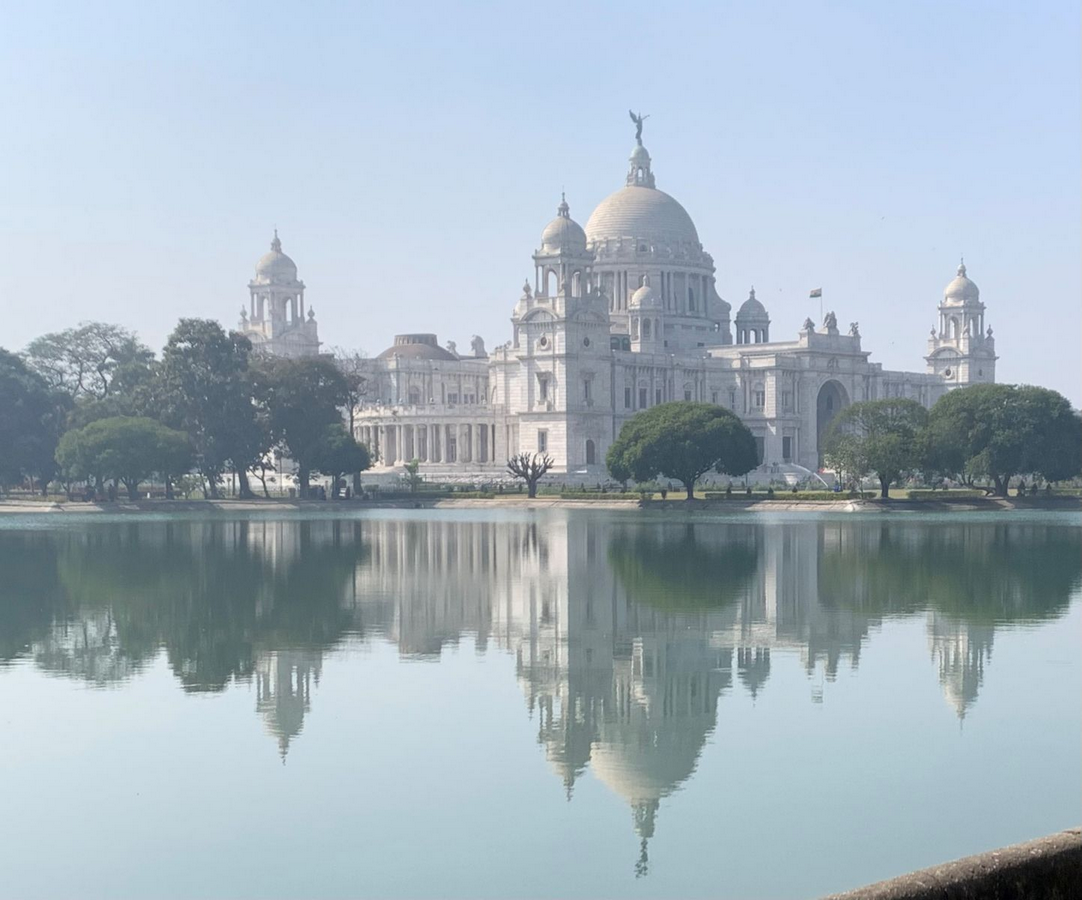
The Victoria Memorial was the brainchild of Lord Curzon, who was then the Viceroy of British India, in order to serve as a memorial for the deceased Queen Victoria. He intended to build a grand monument in her honor, to celebrate her reign and legacy as the Queen of India. Viceroy Curzon drew inspiration from the Taj Mahal, encouraging the use of white marble on this iconic Indian building. His inspiration also ensured that this marvelous piece of architecture has Indian or Mughal influences, along with the grand Italian Renaissance style of architecture. His work on this monument put another brick in the Indo-Saracenic style or Indo-Gothic style of architecture, making the Victoria Memorial an unforgettable marvel to date.
While being envisaged by Curzon, the architects of this grand monument were William Emerson and Vincent Esch, and it was built by the Kolkata-based firm, Martin and Co., which was a partnership between Sir Thomas Aquinas Martin and the Bengali Sir Rajen Mookerjee.
Planning and Design
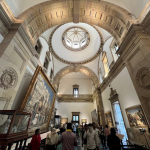
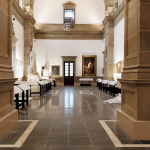
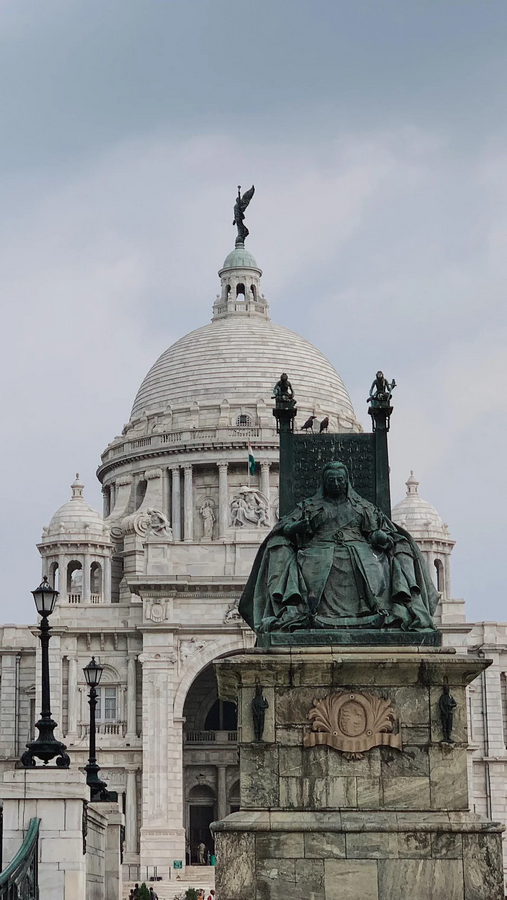
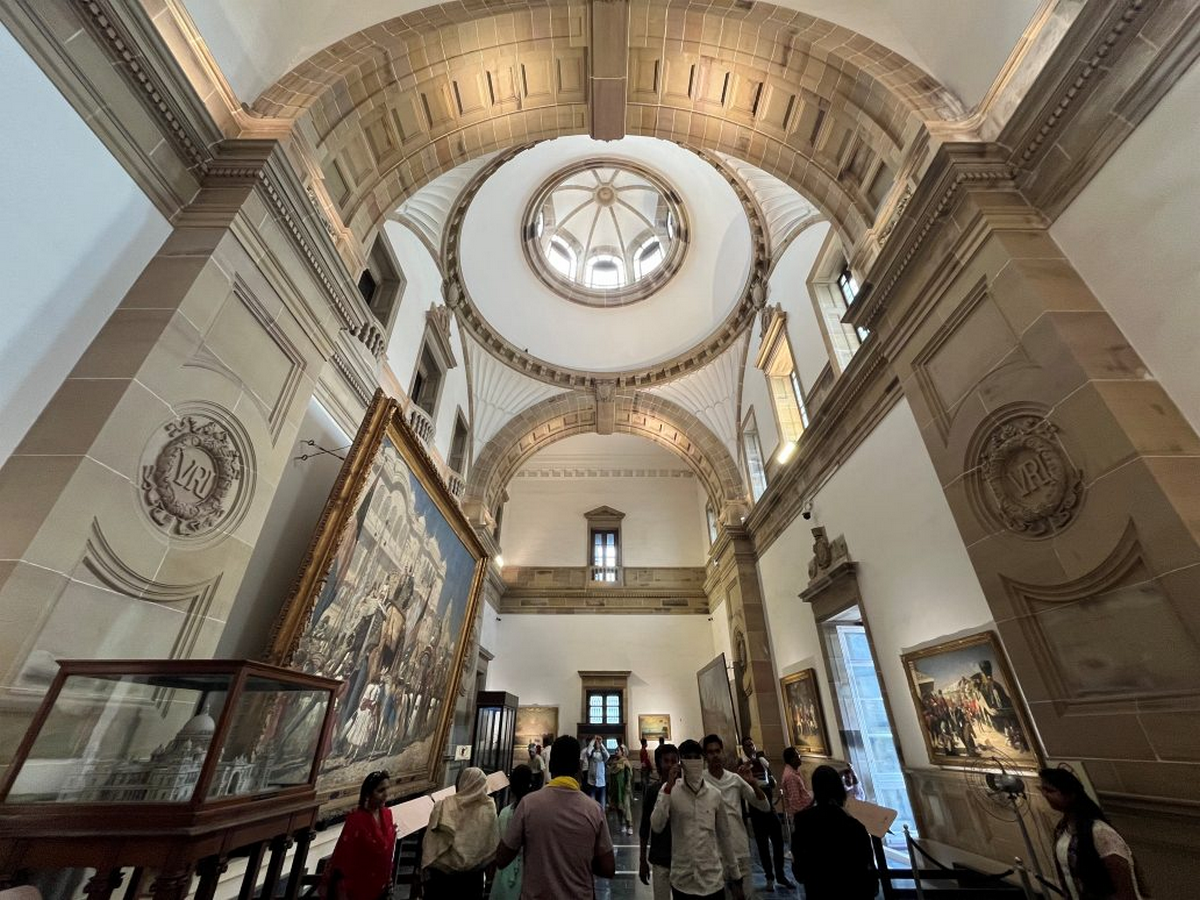
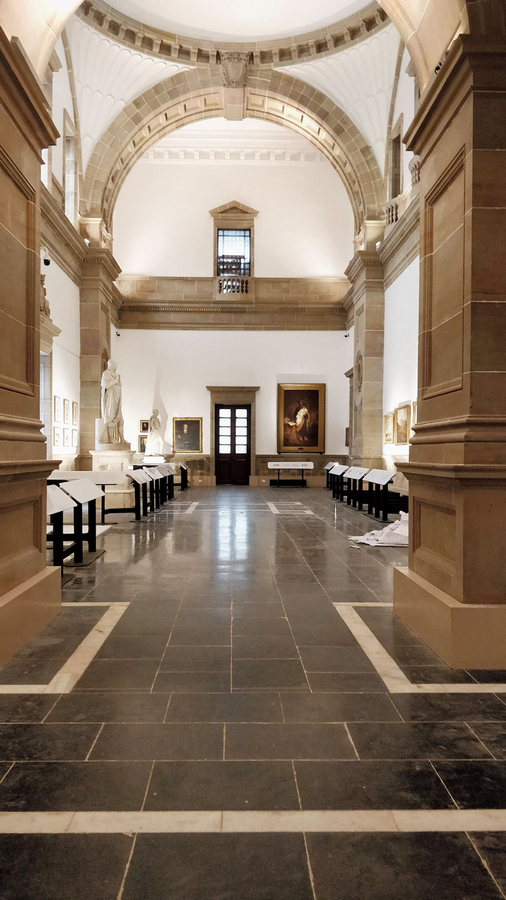
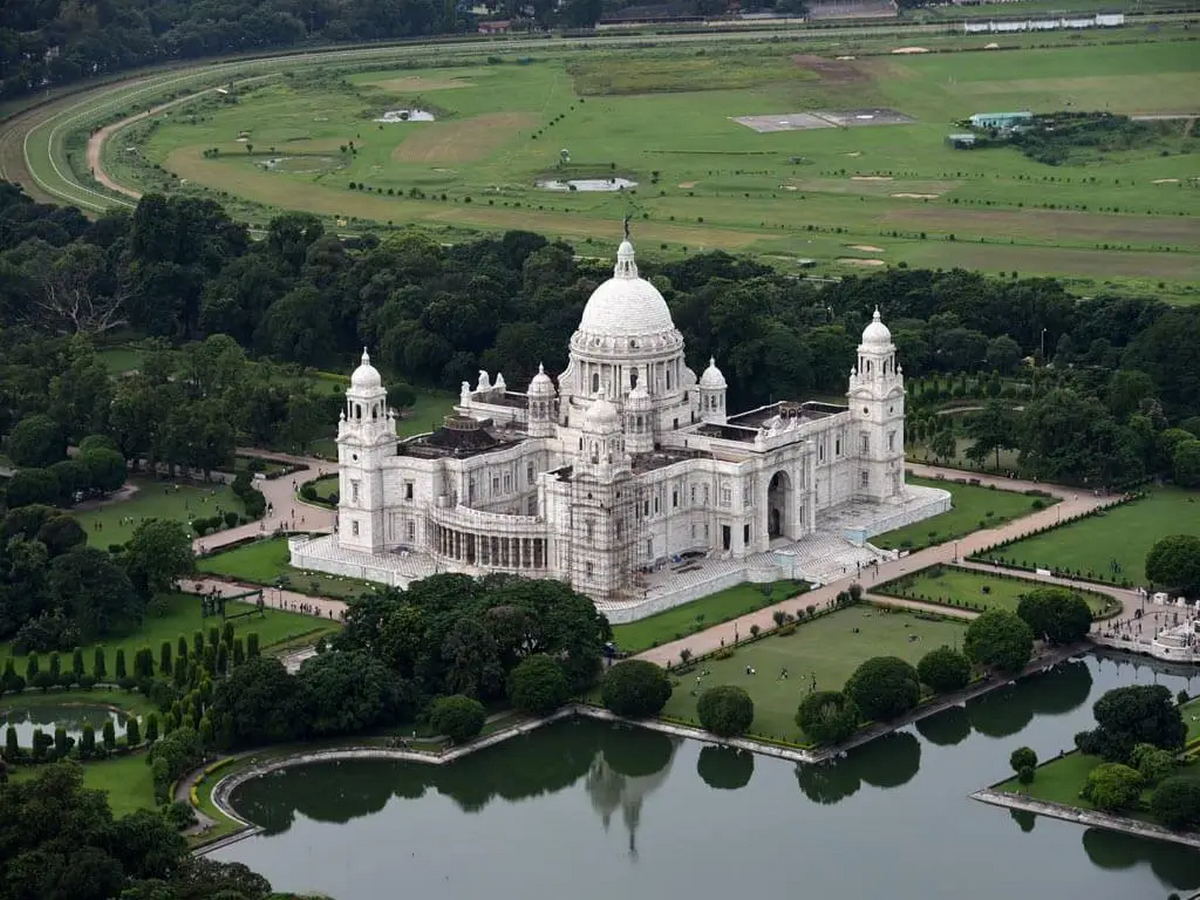
The Victoria Memorial is located at the bustling heart of the city, standing proudly on the grounds of Maidan, Kolkata. This iconic Indian masterpiece was built between 1906 and 1921, over an area of 64 acres. Beautiful gardens surround the building, which have been meticulously planned and landscaped. The interior contains a grand hall with a high dome ceiling, leading to 25 distinct galleries which contain pieces of writing, art, and artefacts from the Queens of the British era. The galleries also contain artefacts from the Indian National Army, as well as preserving Netaji Shubhash Chandra Bose’s personal belongings. The building stands at 60.96m in height, is 120.7m in length, and 86.25m in breadth. The iconic central dome is 18.6m in diameter.
The grand monument was built by drawing inspiration from the majestic Italian Renaissance style of Architecture, which was beautifully combined with Indian and colonial influences to perfectly fit the surroundings. The building is built such that the Hoogly River flows right behind it, providing a picturesque backdrop for the monument, enhancing its scenic views, and the structure’s grandeur. This iconic piece of architecture serves as a reminder to locals of how the city’s past is meeting with an unrestrained future.
Materials
The whole monument is built of white Makrana marble, imported from Rajasthan, known for its exceptional quality and durability. Makrana marble is characterized by its pure white colour – one that seems to glow against darker backgrounds, meaning this iconic building seems to glow against the local “Kalbaishakhi”s or dark monsoonal storm clouds. It is also resistant to wear and heat, making it a good choice for the hot and humid climate of Kolkata. The interior of the museum has several galleries, adorned with the legacy left behind by the Britishers, along with European paintings, colonial sculpture, historic photographs, textiles, Mughal, Rajput, and Bengal School paintings, colonial furniture, and musical instruments.
Key Features
Even with Indo-Saracenic influences, the buildings have iconic Indian features such as corbels in the frieze of the entablature, and jalis in the arches in the upper storeys of the exterior, added in perfect harmony with the existing Italian features. Further, the addition of Indian elements can be seen in the Mughal-inspired domes in the corner towers, as well as the characteristic white Makrana marble, which was the same that was used in the creation of the Taj Mahal. Other Mughal influences are seen in the forms of the great dome, clustered with four subsidiary domed “chhatris” and the high terrace.
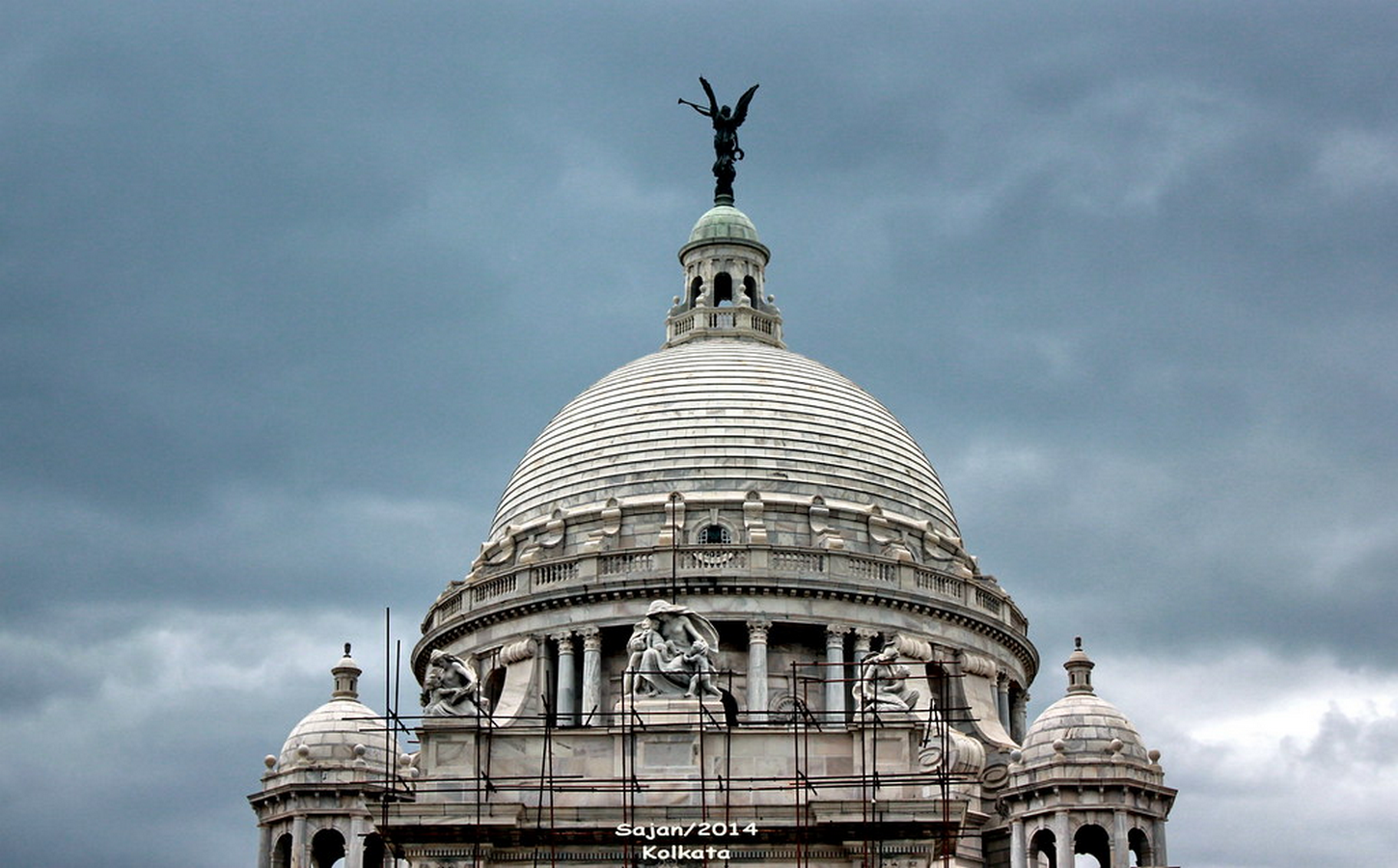
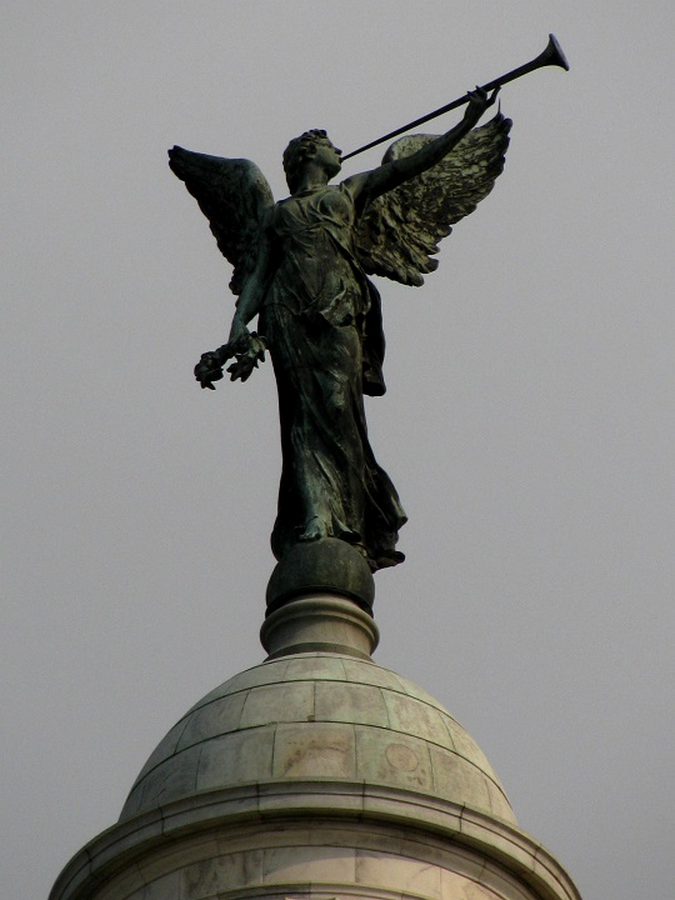
Adding to the colonial influence on the building sits an angel atop the dome, called the Angel of Victory. This angel acts as a giant weather cock and rotates when wind speeds are upwards of 20 kmph. She is 4.88m in height, weighing 2,721.55kg, supported by a steel rod driven through a hole of the stone finial, secured at the bottom by steel ties and braces. She holds a laurel wreath in her right hand and a trumpet in her left hand.
Functionality
According to Curzon, this monument was built primarily to serve as a memorial for the late Queen Victoria, and secondarily as a National Gallery of the Indian Empire. The mission of the Victoria Memorial now is to function as an art gallery, museum, research library on art history, and act as a cultural space in the heart of the city of Kolkata. It collects, preserves, and spreads knowledge about art history, historical relics, and documents, and culture among the general public of the city. In addition, this iconic piece of architecture also hosts special exhibitions consistently, along with lectures, publications, and interactive educational activities throughout the year.
Landscaping Initiatives
Even though the grand monument stands at the centre and steals most of the spotlight, the gardens were designated to be of utmost importance to this space. The gardens surrounding the Memorial boast lush green landscapes, with trees and ponds in the grounds. The gardens seem to draw a bridge between the traditional English “parks” and the geometric Mughal gardens – beautifully channeling the two to create a monument that was one for the times – both British and Indian at the same time – a perfect example of an Indian building situated in the heart of the capital of British India.
Where Ideas Clash
The Victoria Memorial is a monument raised from clashing ideas. An iconic Indian building, built by a Britisher with Italian as well as Indian influences, amidst the clashing ideologies of the Indian freedom fighters and the Britishers. As remarkable as the monument still turned out to be, it continues to spark up debate on whether a museum building, showcasing and boasting the history and culture of a place, should be a keystone in the colonial style of architecture in the first place. The monument, even though built to celebrate the importance of Kolkata as the capital city of the British Raj, some critics beg to differ on the idea of a colonial museum, some comparing its importance to that of the Taj Mahal in the city of Agra, yet with “colonial complexities”.
Whether the cultural history of Kolkata should be showcased in a museum built on European influences is still up for debate. Perhaps not in the city, but still providing food for thought for several art critics worldwide. However, the city loves this iconic piece of Indian architecture as much as it loves its art and culture, and the monument remains a fortified reminder of the city’s beautiful history and glorious future.
Victoria Memorial:
https://www.incredibleindia.gov.in/en/west-bengal/kolkata/victoria-memorial
Victoria Memorial Hall
https://victoriamemorial-cal.org/
“Taj of the Raj:” New Perspectives on Victoria Memorial Hall
https://arthistory.yale.edu/news/taj-raj-new-perspectives-victoria-memorial-hall
6 Things You Don’t Know About Calcutta’s Victoria Memorial
http://double-dolphin.blogspot.com/2015/11/6-things-you-dont-know-about-calcuttas-victoria-memorial.html