In today’s world, cities are designed with humans as the primary focus of the cityscape. The infrastructure, streets, marketplaces, and all the urban elements weave together into an urban fabric solely designed for humans. Over the period of time, there has been a realization that this anthropometric approach is showing its limits. Urban spaces designed for humans are proving to be unsustainable, leaving little room for the ecological systems that make cities livable in the first place.

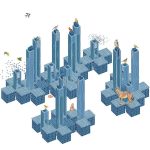
This is where the idea of multispecies urbanism emerges: an architectural and design approach that thinks of cities as shared spaces for diverse species to cohabitate. It asks planners and architects to see beyond the human lens and design to retain all the existing ecological species of the region, to expand their focus to accommodate plants, animals, insects, and even microorganisms as active participants of the urban ecosystem.
The Urgency of Designing for All Species
The current scenario in Delhi, India, caused as a result of a lack of design interventions for multispecies in the urban fabric of the capital state, is a prime example of why urban planning and architectural design need to cater to more than just humans. Through multispecies urbanism, the solution is not to force an interaction between diverse species but to use spatial interventions, materials, and other such techniques to ensure a peaceful coexistence of multispecies on the same urban grounds.
Some of today’s most pressing urban crises include urban heat islands, flooding from inadequate drainage, collapsing pollinator populations, and the steady erosion of biodiversity in our cities. To continue designing only for humans is to ignore the very ecological systems that make urban life possible.
Case Studies
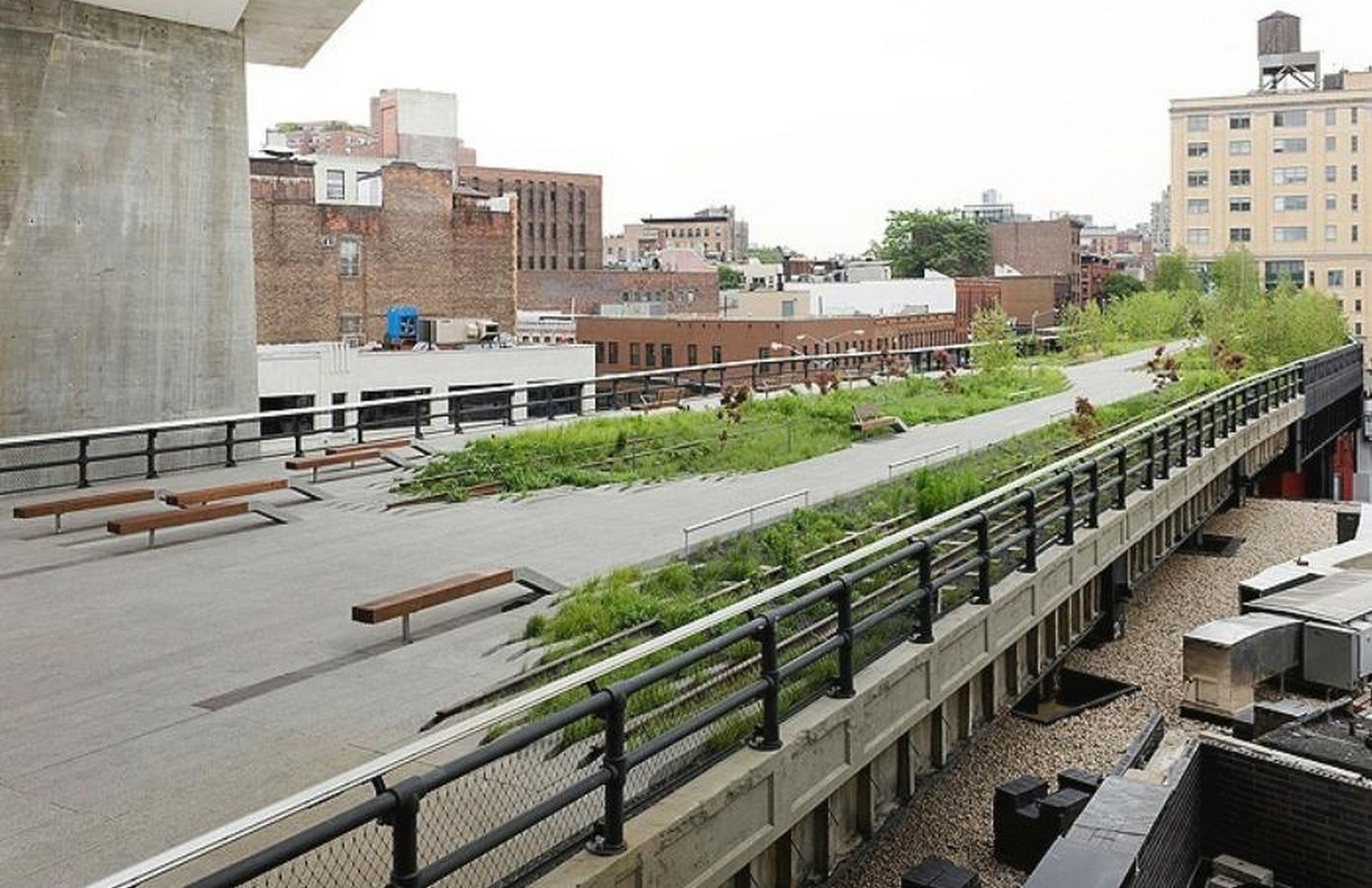
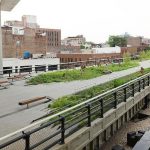
A linear public park built on an abandoned elevated rail track in New York is a great example of an urban reuse project. The High Line blends various habitats such as pollinator habitats, bird perches, and native plant species into its design. This results in a layered habitat where human circulation and ecological regeneration exist simultaneously.
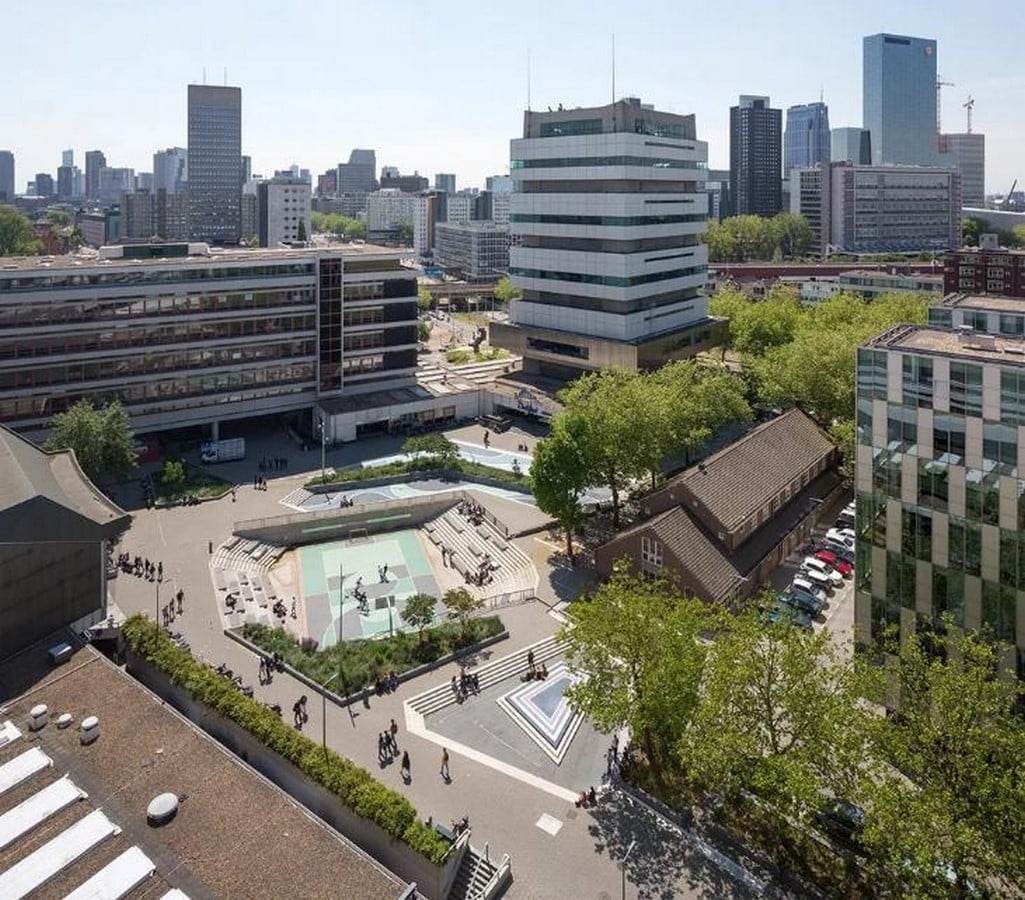
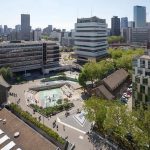
Another great example is a public space jointly used as a water retention basin that supports aquatic ecosystems, creating habitats for amphibians and aquatic insects in Rotterdam, the Benthemplein Water Square. The water square combines water storage with the improvement of the quality of urban public space. The stepped public space functions as a lively civic plaza. This square highlights how climate adaptation can enable multispecies life.

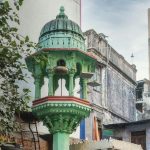
Closer to cultural traditions, Chabutro or bird towers, historically seen in Indian towns, offer an explicit architectural typology for avian cohabitation. Chabutros are typically found throughout Gujarat, and Ahmedabad is home to almost 300 of these towers for housing birds. These towers provide built-in nesting pockets while also acting as social gathering nodes for humans. The daily overlap of feeding birds and human congregation demonstrates how architecture can embed rituals of coexistence.
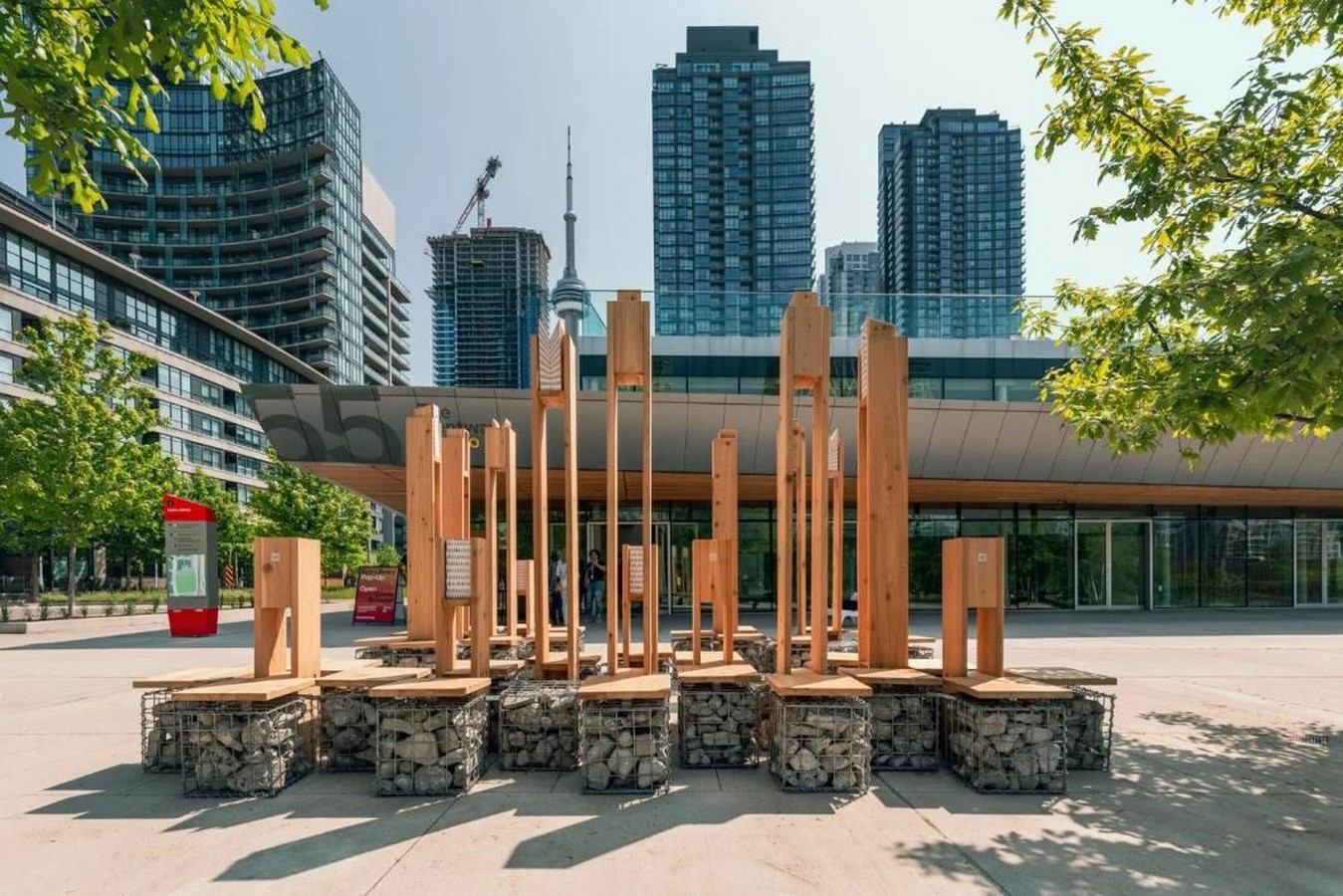
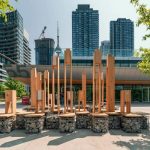
A contemporary reinterpretation of this approach is seen in Toronto’s Multispecies Lounge, a public installation that accommodates birds, bees, snakes, and humans alike. Designed with ecological input, it includes nesting boxes, hibernacula, and species-specific habitats while also serving as a community lounge. Located under a highway, it reclaims a neglected urban void and reframes it as a shared multispecies commons.
Architectural strategies for multispecies urbanism
Multispecies urbanism heavily relies on architectural strategies beyond greening for multispecies cohabitation. Spatial interventions, materials, and many other parameters can be negotiated upon to make this happen.
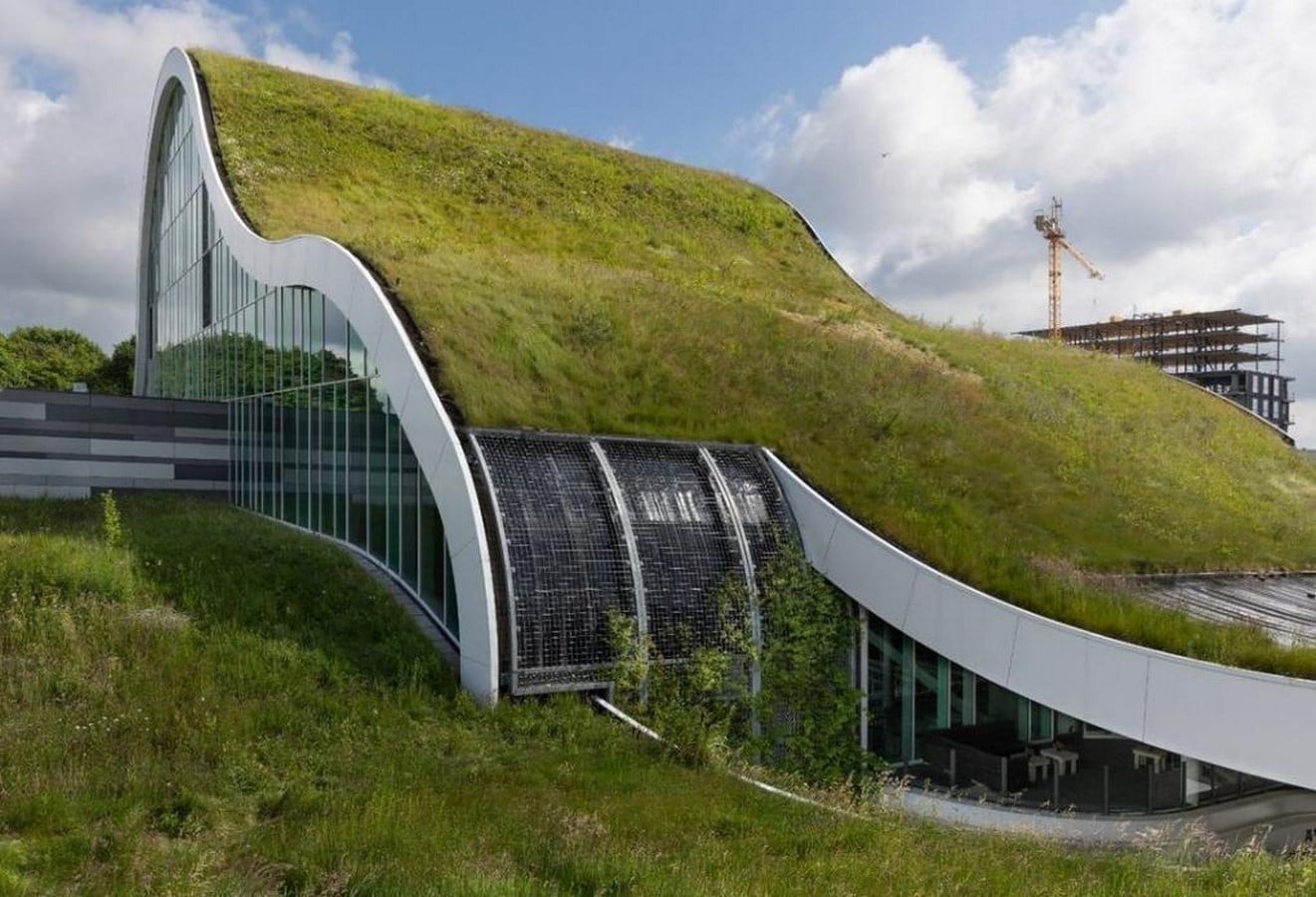
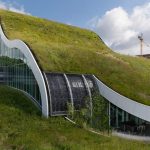
Zoning and buffering are the first layer of negotiation. When Architects design, the first step is to adequately create zones and buffer spaces, which can be a great tool in separating and converging different species. Layered occupancy, such as green roofs, can separate the residences of humans and pollinators on the same ground. Edge habitats, such as fencing around the site boundary, create building margins and can double as ecological edges where species thrive.
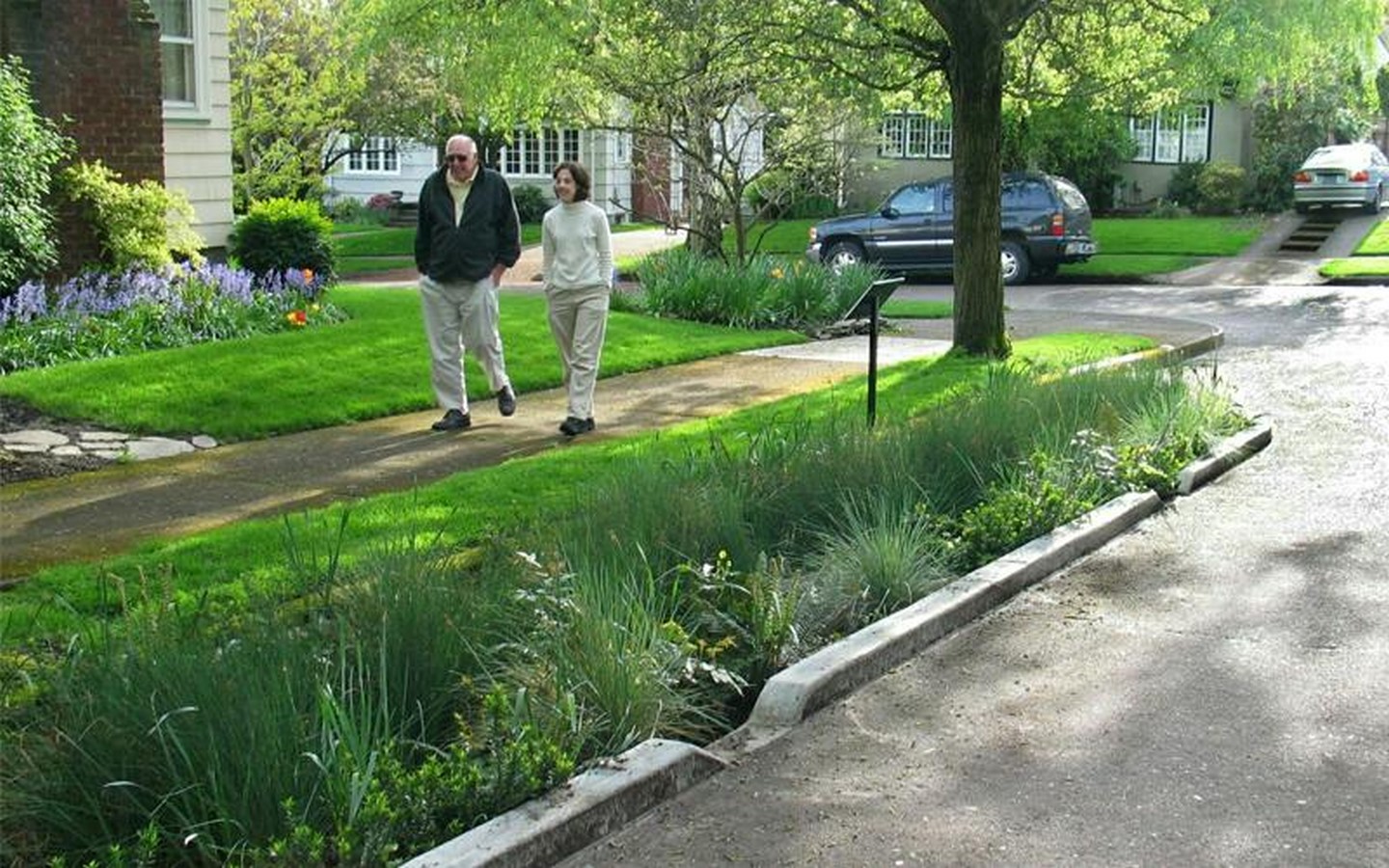
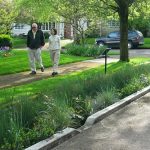
Another crucial eco-habitats are water bodies, which can be reimagined as life-supporting infrastructures. Greywater recycling for terrace gardens, bioswales that host soil organisms, or composting units that sustain insect populations demonstrate how species networks can grow in overlapping layers with humans.
Challenges and the Road Ahead
The main obstacle when designing for multiple species is humans’ aversion to certain species. Humans often fear or reject species like bats, rodents, stray dogs, or insects in shared urban spaces due to perceptions of disease, dirt, or danger. The aim here is not to force closeness but to foster a safe, respectful, and non-intrusive relationship. Design becomes the medium that reframes the perception of nuisance to peaceful co-existence.
Features such as building envelopes, rooftops, or public plazas require consistent maintenance; without any institutional or communal responsibility, they can quickly crumble. Urban development models and government policies often prioritize human comfort and efficiency for short-term monetary profits. There is no talk of ecological concerns in building codes, urban planning, and development laws, which makes these theoretical and experimental approaches much more difficult to implement.
Even with these barriers, the outlook is promising. Advances in ecological mapping and sensor-based monitoring are giving designers new tools to create adaptive spaces. At the same time, rising public awareness of climate risks is opening the door for new forms of urban experimentation. For real, lasting progress, there is a dire need for a collaborative effort from architects, ecologists, policymakers, and citizens, working together to reimagine the city as a shared habitat.
Rather than treating multispecies urbanism as some idealistic add-on, it can be seen as a natural step forward in how we design cities.. As crises like biodiversity loss, climate crisis, social pressures, etc., converge, the focus shifts from the affordability of cities to make room for other species to whether these cities can survive without doing so. Through architectural and planning interventions and rethinking infrastructural design, architects can help renew the ecological networks that sustain urban life. By performing the forthcoming objective, which is to shift design principles from serving humans to serving more than just humans, cities will regain resilience, cultural richness, and ecological equilibrium not just for people but for the wider network of life.
References:
- Cilento, K. (2009). The New York High Line is officially open. [online] ArchDaily. Available at: https://www.archdaily.com/24362/the-new-york-high-line-officially-open.
- http://www.facebook.com/advanirajesh (2023). Chabutra As Thresholds To Effective Placemaking – ArchiSHOTS – ArchitectureLive! [online] ArchitectureLive! – Art, Architecture, and Urbanism from around the world. Available at: https://architecture.live/chabutra-as-thresholds-to-effective-placemaking/ [Accessed 18 Aug. 2025].
- De Urbanisten (2013). Watersquare Benthemplein, Rotterdam. [online] DE URBANISTEN. Available at: https://www.urbanisten.nl/work/benthemplein.
- Roca Gallery. (2023). Multispecies Lounge | Species | Roca Gallery. [online] Available at: https://www.rocagallery.com/articles/multispecies-lounge [Accessed 1 Aug. 2025].
- Sustainability Directory (2025). Multispecies Urbanism → Term. [online] Pollution → Sustainability Directory. Available at: https://pollution.sustainability-directory.com/term/multispecies-urbanism/ [Accessed 1 Aug. 2025].