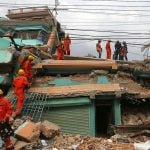
In 2024, there were 393 recorded natural disasters worldwide, which resulted in approximately 16.5 thousand deaths, 167 million people affected and economic loss of nearly US$242 billion. As per the Indian scenario, an 18% increase can be seen in disasters occurring from 2024 to 2025. After these horrifying and alarming numbers, there is a need for architecture that is more than a shelter. It becomes a need for survival in these unplanned, extreme conditions. Disaster Relief in architecture is an immediate or long-term spatial intervention that is needed till the individual or community recovers. It is needed in natural, man-made conflicts, and humanitarian crises. With increasing climate changes, which result in earthquakes, floods, cyclones, and displacements due to war, this architecture serves as a responder to the emergency needs of people affected. This kind of architecture must be flexible, respond to the wide diversity of the community, and truly support them in times of crisis.
Why Architecture Matters in Disaster Relief ?
Shelter comes under the basic needs of a human and becomes more important when an individual loses their everything in a disaster. Architecture plays a significant role in providing a safe and secure environment for the affected people. It responds to the immediate needs by providing them with basic amenities. Architecture also considers choosing the right techniques and materials in the temporary structures, allowing easy assembly in the extreme conditions of disaster-prone areas. It is not just about physical comfort but serving the psychological, emotional, and social needs of people, as they are going through a lot. Understanding their condition and treating them with Empathy also becomes very important in this case. Helping them feel that they are in a safe and familiar environment is what makes them feel included. Urban Planning and designing also play a role here. Documenting the disaster-prone areas, planning zones in that area, and other measures help in creating less impact on people and livelihood before it happens. As Francis Kéré stated, “Architecture is not just about buildings. It’s about making life better.”
Types of Disaster Relief Architecture

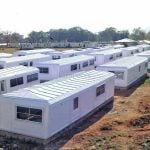
Architecture in disaster relief goes beyond just making tents; it is divided into three stages: Immediate response, short-term transitional shelters, and long-term rebuilding. Immediate response is something that is provided just after or during the disaster to provide initial support. Tents are the most common as they are economical, easy to assemble, and transport. Mobile houses can be constructed without on-site concrete, raised above the ground to give protection from moisture and insects, and can accommodate a large number of people. Inflatable structures are like tents with some modifications, like solar power, to accommodate the needs of the people during that time.
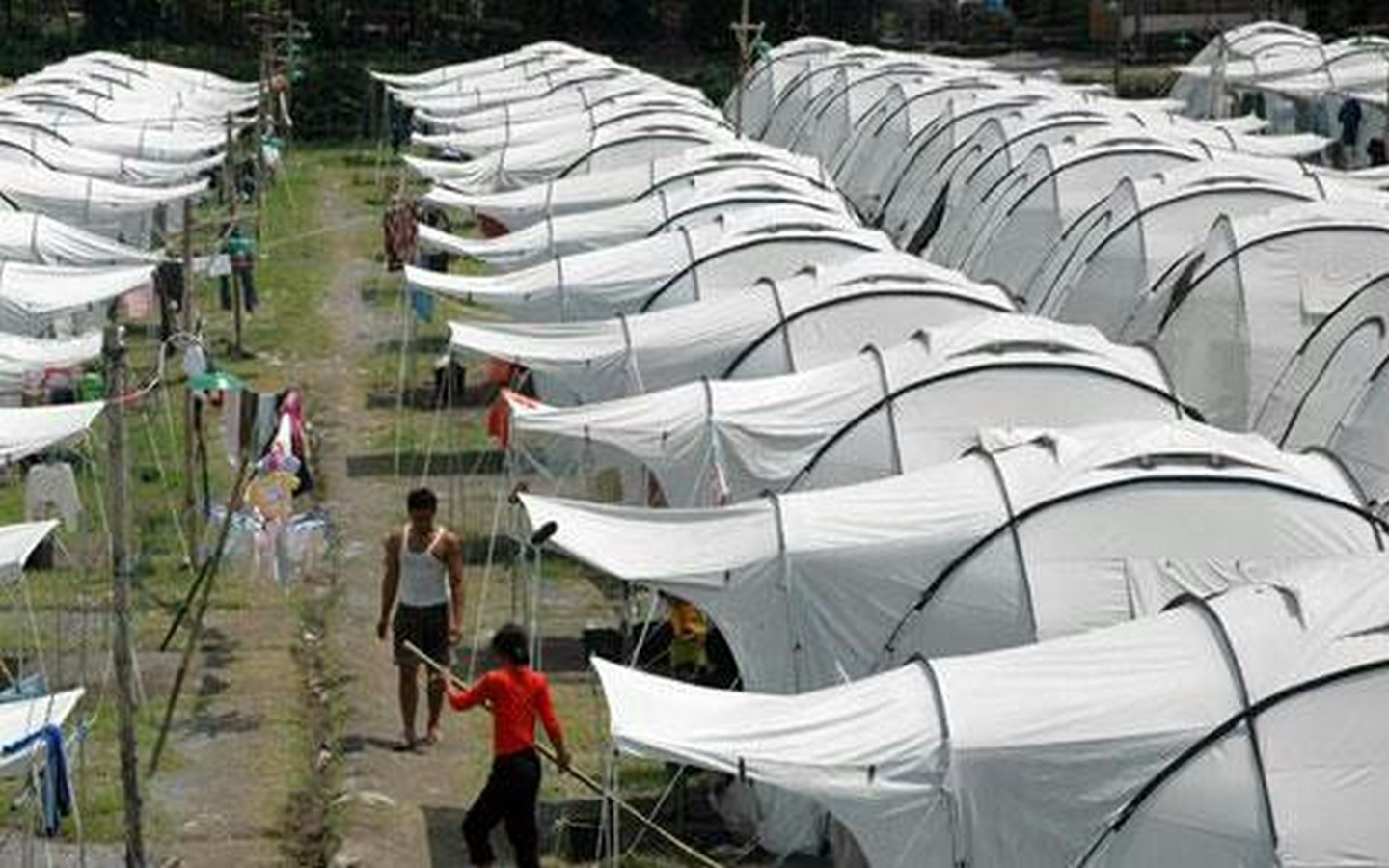
Short-term transitional shelters are the houses that are used after a calamity till individuals get their permanent livelihood restored. These are the modular, prefabricated constructions, so that they are efficient enough and can be scaled easily. They are designed in such a way that they can withstand climatic and environmental conditions, providing shelter to people for months or even years. The last stage of long-term rebuilding includes building housing and community again. It also includes adding required infrastructures like schools, hospitals, and public spaces. It is not just about building, but involves community involvement as well. Moreover, it considers the future potential of disasters in that region and takes measures accordingly.
Local Materials and Community Involvement

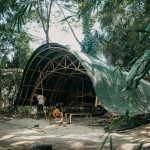
Disaster relief architecture also involves using local materials and knowledge. Traditional knowledge systems and architecture also give us the techniques that are low-cost, local, and faster, which are needed in disaster management. Using local materials like Earth, bamboo, timber automatically suits the climatic as well as cultural demands. They make individuals feel their roots and familiarity, which is much needed during that time of crisis. This also makes it important to involve local artisans, masons, and the community in effective rebuilding plans. Training them previously so that they can be available and help during such a time. This results in faster implementation and acceptance.
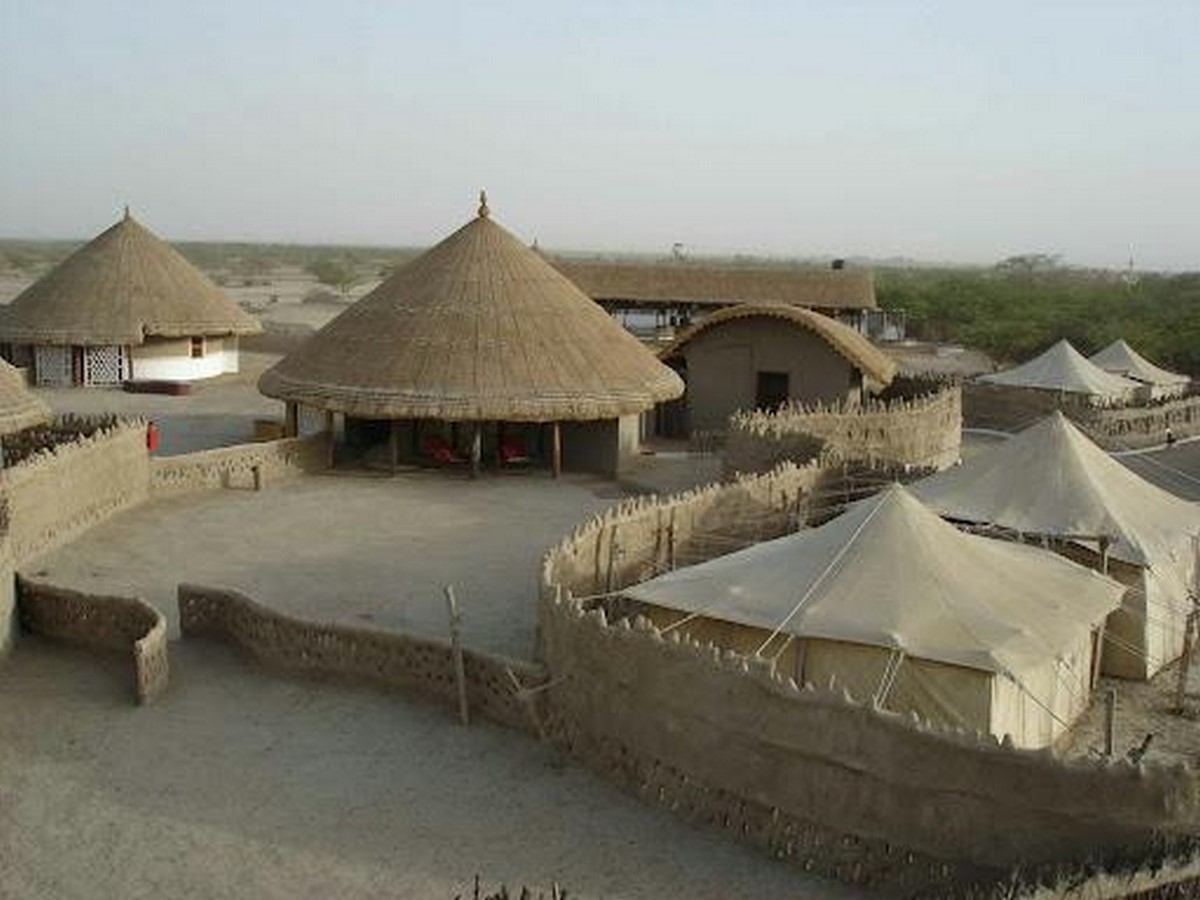
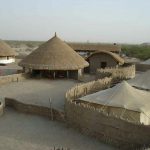
One such initiative, the Hunnarshala foundation, was established just after the Bhuj earthquake in Gujarat in 2001. It is a foundation that uses low-cost, sustainable, and local materials to create spaces in earthquake-prone areas. It focuses on community involvement and evolving local knowledge systems to make them more efficient, like adding steel studs in traditional bhunga houses to make them more earthquake-proof. They also demonstrate various traditional techniques like rammed earth walls, thatched roofs, shallow masonry domes, and space frames made from bamboo and concrete pipes.

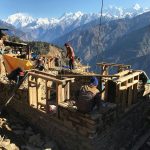
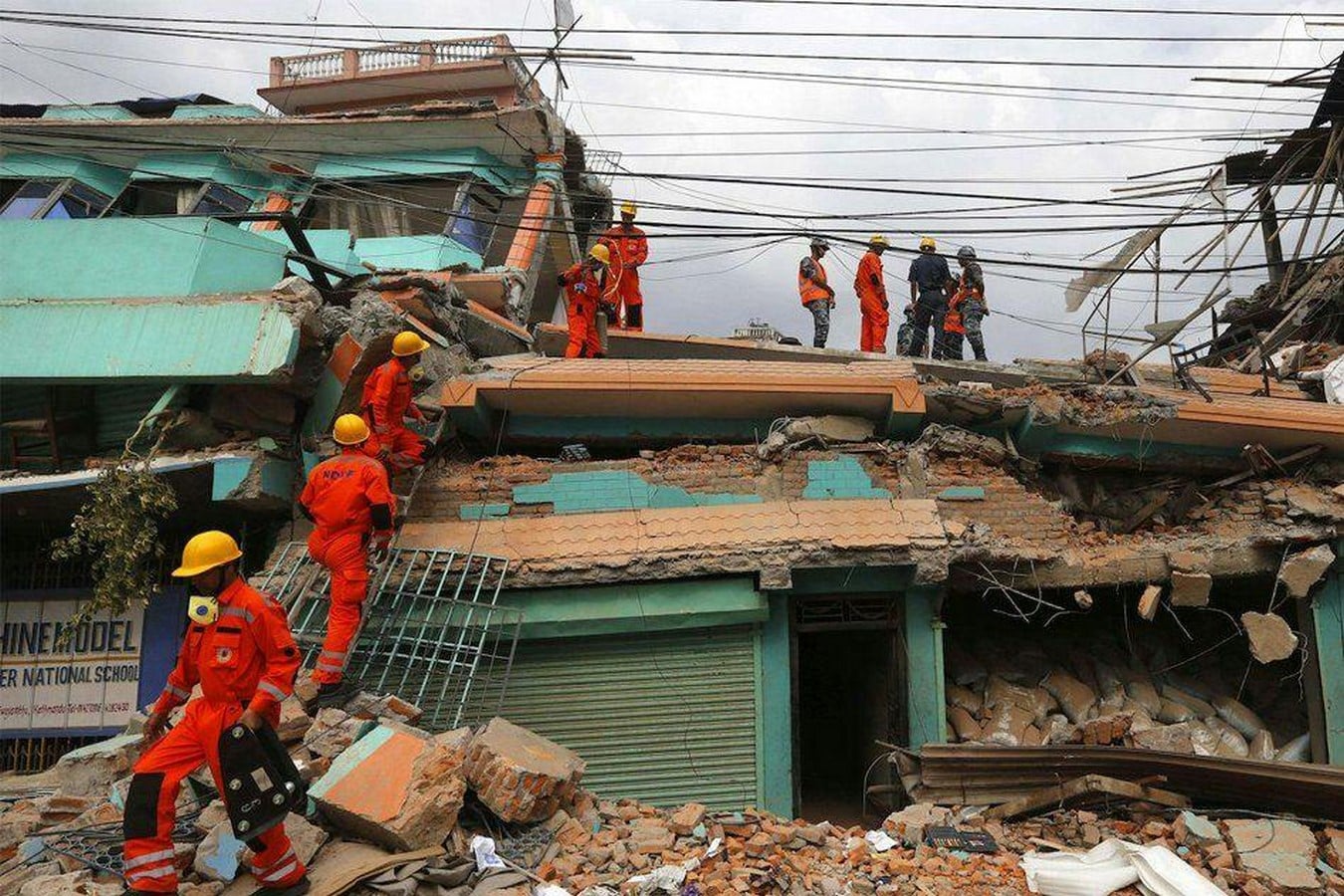
Another example arose during the Nepal earthquake in April 2015, where there was a loss of lives and property. The rebuilding efforts include using locally available materials like stone and timber. This is followed by traditional Nepalese techniques of boxing stone and timber, wooden seismic bands, and unreinforced stone masonry with earth mortar to make structures earthquake resistant. Also, a program, ‘Building Back Safer’, is initiated to teach communities how to rebuild with available local materials and knowledge.
Designing for Resilience, Not Just Emergency
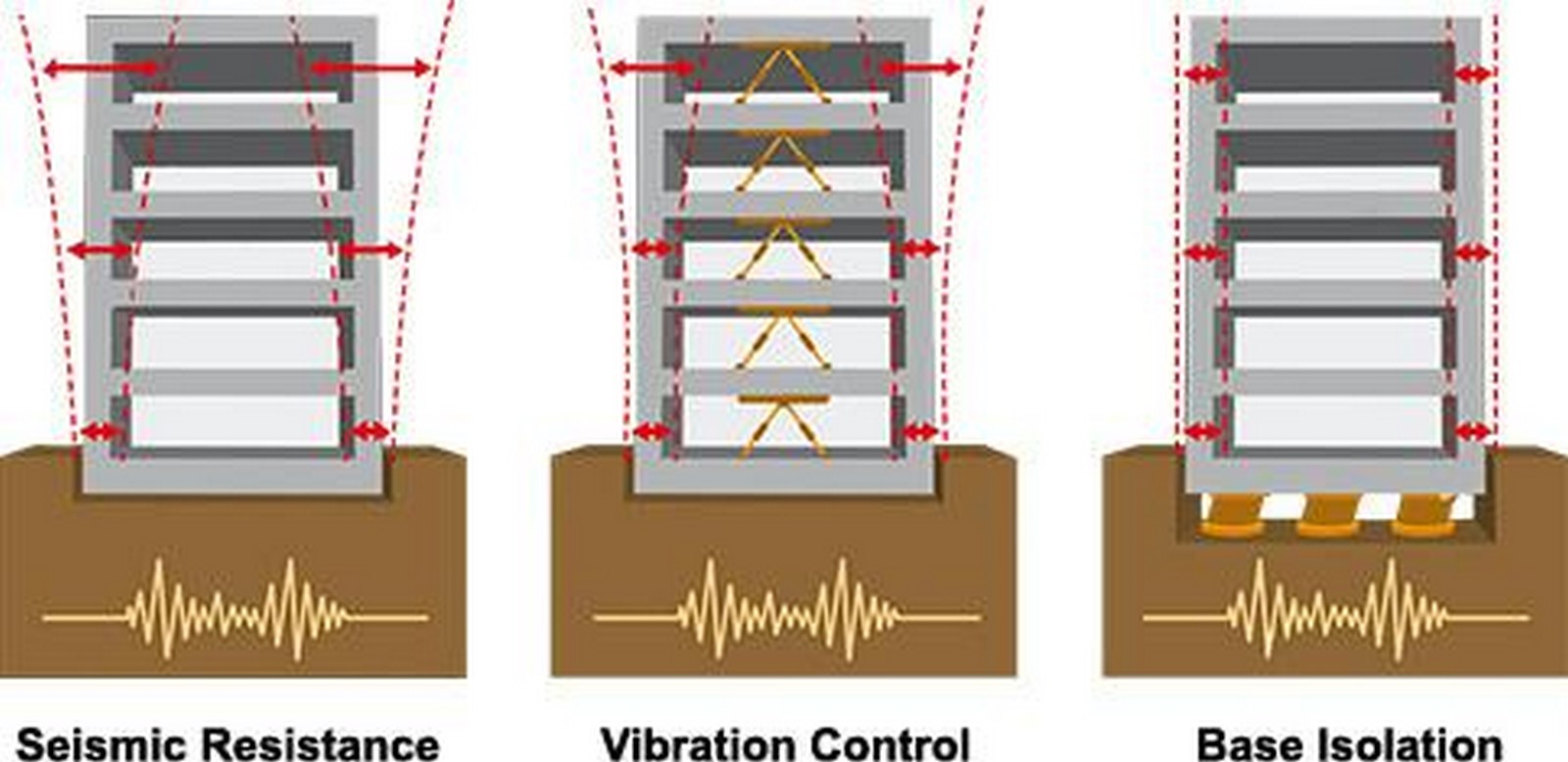
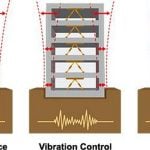
Architecture and designing structures are not just in the case of an emergency, but are also required for future preparedness to lessen the effects of disaster on the loss of properties and the economy. Flood resistance techniques involve building various types of foundations, like raised slabs, elevated piers, or pile posts, that reduce the damage. Open foundations that allow floodwater to flow underneath and buoyant foundations, which make structures float and then get back to their original position, are also some techniques. Proper roof design is essential in cyclone-prone areas, as they are the most vulnerable to damage. Their shapes and use of metal roofs can withstand high-speed winds. Seismic-resistant structures include absorbing the shocks and preventing the building from falling. In this, the foundation needs to be designed with utmost care, like bracing, jammers, and shear wall systems, which are difficult to deflect. Multi-hazard designs, which means making a building resistant to one or more kinds of disasters and lessening its effects.

Architecture is a life-saving element during times of crisis, but it is not always easy. Lack of skilled labor, funding, and willingness to contribute by designers in this field are challenges that are still faced. Also, people are not trained and aware of local materials and techniques, and urbanization also leads to the depletion of these resources. There is scope for training, documenting the ‘hotspots’ by historical or geographical factors, and designing and experimenting with the prototypes, which makes people aware and prepared in the time of crisis. A lot of potential is stored in ongoing technology like 3D printing, Modular, and fabrication systems. Also, the integration of AI in crisis prediction and design helps a lot. Community building and collaboration are most important in these cases and are of utmost importance. It is not just about the walls but empathy, care, and continuity of research in this field as well. When the storm passes, the walls that rise again must carry not just bricks, but hope.