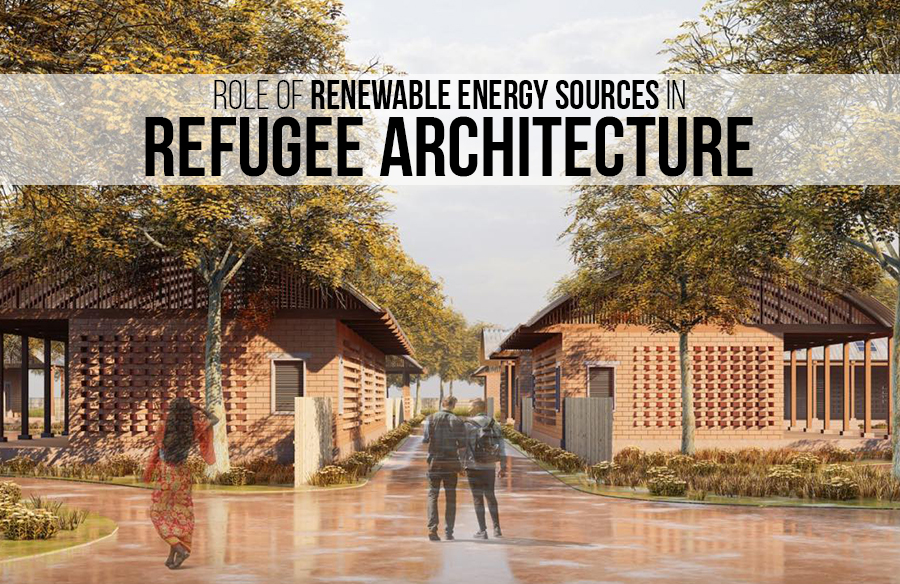
Transitioning to renewable energy is recognized as an essential method to address global warming issues, environmental pollution, and achieving sustainable development goals. Renewable energy technologies are used in every sector like agriculture, industries, transportation, and for domestic purposes. Although there are many benefits to renewable energy sources and these are widely used today, utilizing these technologies for humanitarian settings like refugee camps is still considered a challenge. Like any other service, energy is also important for human well-being, clean water, food, health services, sanitation, and security. Studies point out that 90% of refugee camps do not have adequate access to electricity. Most of these depend on firewood which has significant impacts on human health and environmental degradation.
In this context, sustainable energy sources are gaining more attention as an essential need for refugee camps.
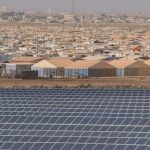
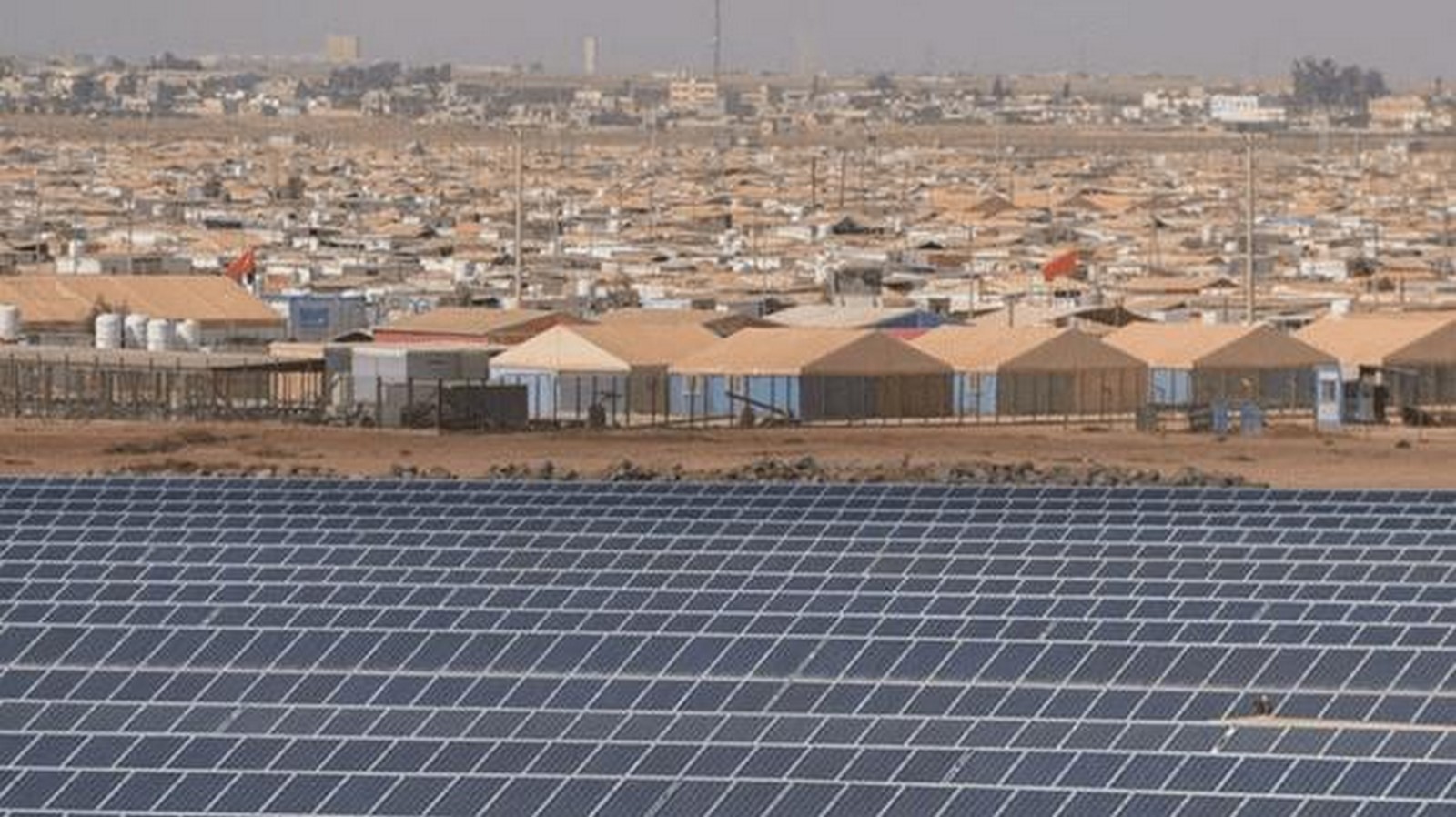
Some reports say sustainable energy sources help reduce gender-based violence and improve security in mixed common toilets which are a risk for sexual victimization of women and girls. The Azraq refugee camp where thousands of Syrians are housed is an example for the successful implementation of solar panels. The two-megawatt solar plant allows UNHCR to provide affordable and sustainable electricity to twenty thousand Syrian refugees living in Azraq camp. Azraq camp is located in a desert area in northern Jordan, where hot summers and harsh winters are experienced. Azraq solar farm is one of the world’s first solar farms in a refugee camp. These plants provided several benefits like affordable energy in the high-cost energy background of Jordan, improved security, fewer accidents, and environmental sustainabilty. It has also created job opportunities with vendors and microfinance around the camp.
The Challenges
Some of the challenges faced for the implementation of renewable energy in refugee camps are:
- Energy resource access: One of the main concerns in sustainable energy for refugee camps is the lack of access to energy resources. Due to refugee camps mostly being built in underdeveloped and remote areas, it becomes challenging to access the power grids and technological access is also limited. Weather fluctuations as in the case of the Rohingya camp in Bangladesh are another challenge for accessing the resources. The seasonal fluctuations emphasize how important it is to consider seasonal fluctuations while design energy sources for refugee camps.
- Inadequate planning: The refugee camps are set up mostly due to the sudden influx of population and this results in unplanned settlements which makes it difficult to implement sustainable energy sources. The Somali refugees face issues in distribution of energy due to unplanned settlements. An inclusive and organized design strategy is important for sustainable energy integration in camps.
- Financial challenges: The execution of sustainable energy systems in refugee camps is mostly concerned with financial challenges. The initial implementation costs are higher, but these systems are advantageous in the long run.
Solutions for clean energy
- Solar lighting kits: These are versatile instruments that can be used for various purposes.
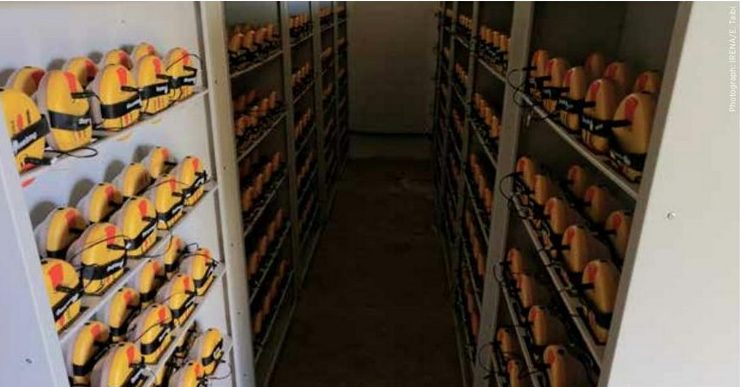
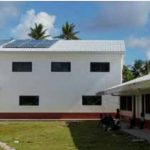
2. Standalone solutions and solar home systems: These are the provision for electricity using technologies appropriate for individual households and small businesses. Basic energy needs beyond general lighting, such as powering a fan or television are addressed wit these.
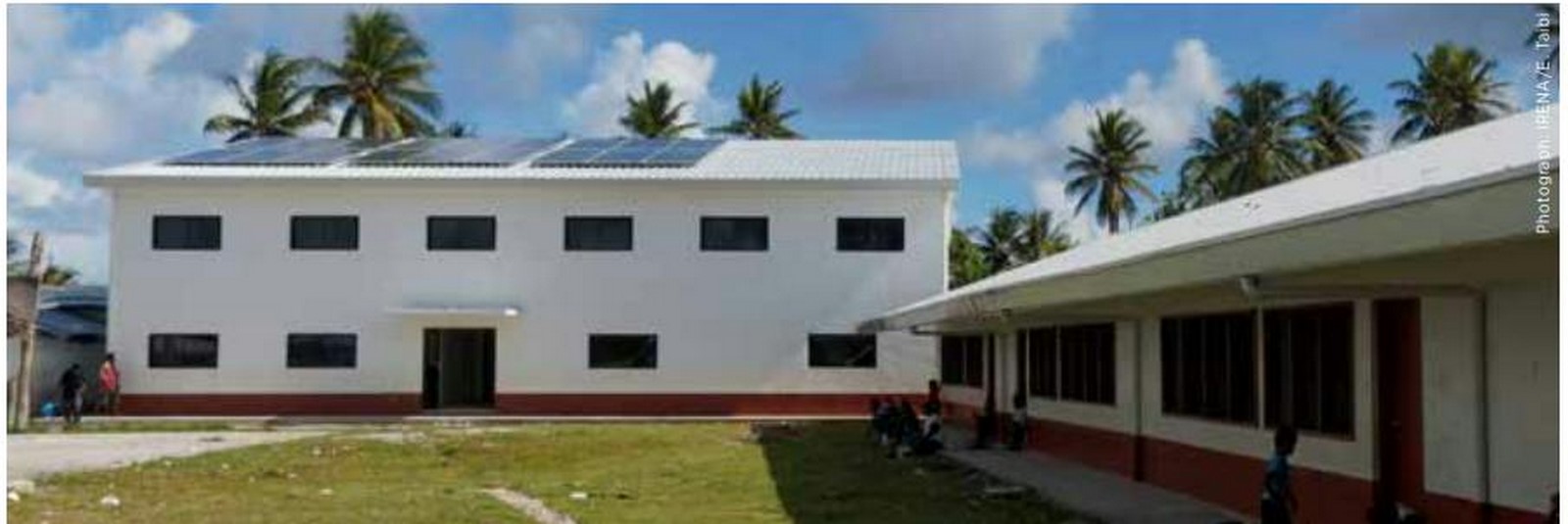
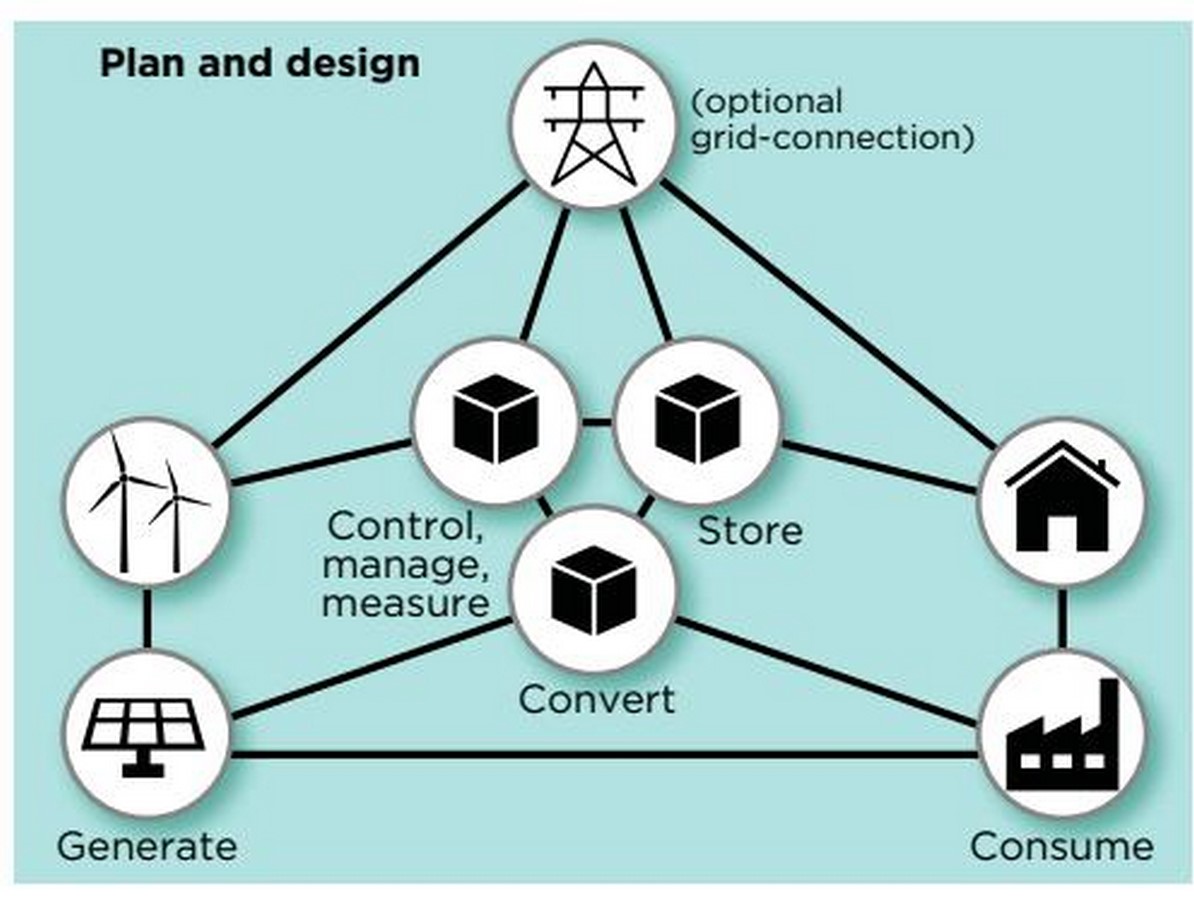
3. Mini-grids: Renewable energy mini-grids can provide clean energy to rural communities in remote areas where there is no access to electricity or modern energy services. Compared to solar home systems, mini-grids can deliver higher levels of service and can fulfill the load requirements of a Tier 3 household by powering general lighting and medium-powered appliances.
4. Solar water pumping: Solar-powered water pumping systems can provide various advantages to refugees, such as reliable water supply, irrigation (if sufficient water is available), improved crop yields, increased income, reduction of fuel consumption and enhanced food security.
There are around 70 million displaced people worldwide. Affordable and clean energy access for all can help bridge the gap between humanitarian and developmental efforts. Thoughtful design and planning are essential for this in refugee architecture. This helps in achieving self-reliance and environmentally friendly solutions for refugee camps worldwide.
Articles
Anon, (n.d.). Renewables for refugee settlements: Sustainable energy access in humanitarian situations 1. [online] Available at: https://www.irena.org/-/media/Files/IRENA/Agency/Publication/2019/Dec/IRENA_Refugee_settlements_2019.pdf [Accessed 13 Apr. 2025].
- Online sources
Securityincontext.com. (2024). Integrating sustainable energy in refugee camps: the pursuit for well-being in displaced population. [online] Available at: https://www.securityincontext.com/posts/integrating-sustainable-energy-in-refugee-camps-the-pursuit-for-well-being-in-displaced-population.
UNHCR India. (2017). Azraq, the world’s first refugee camp powered by renewable energy | UNHCR India. [online] Available at: https://www.unhcr.org/in/news/stories/azraq-worlds-first-refugee-camp-powered-renewable-energy [Accessed 13 Apr. 2025].
2. Images/visual mediums
Rashida (2024). Jordan’s Refugee Camps Target 97% Solar Energy Reliance By 2024. [online] Renewable Energy Stories. Available at: https://www.saurenergy.me/jordans-refugee-camps-target-97-solar-energy-reliance-by-2024/ [Accessed 13 Apr. 2025].
Anon, (n.d.). Renewables for refugee settlements: Sustainable energy access in humanitarian situations 1. [online] Available at: https://www.irena.org/-/media/Files/IRENA/Agency/Publication/2019/Dec/IRENA_Refugee_settlements_2019.pdf [Accessed 13 Apr. 2025].