Like other movements, Minimalism is a reaction to the manneristic styles of architecture that preceded it. Consisting of clean lines and rich functionalism, Minimalism attempts to create spaces that are devoid of excess and concentrate on the basics. In architecture, minimalism is not only related to the style of a building, but also its philosophy, which is comprehensive. It is about creating spacious, peaceful spaces by judiciously using design elements instead of neglecting them.
Fundamentally, the goal of minimalist architecture is to maximize the impact of simplicity. With a limited color palette, designers usually choose neutral hues like white, black, and grey, which are frequently broken up by materials like steel, glass, concrete, and wood. The raw beauty of the materials themselves is emphasized rather than ornamental treatments. To bring forth their inherent texture and shape, these materials are frequently left uncovered. For example, without any further embellishments, the warmth of wood or the bareness of concrete can serve as the focal point of a space. A larger cultural tendency that emphasizes neat, uncluttered aesthetics and deliberate use of space is reflected in this minimalist approach.
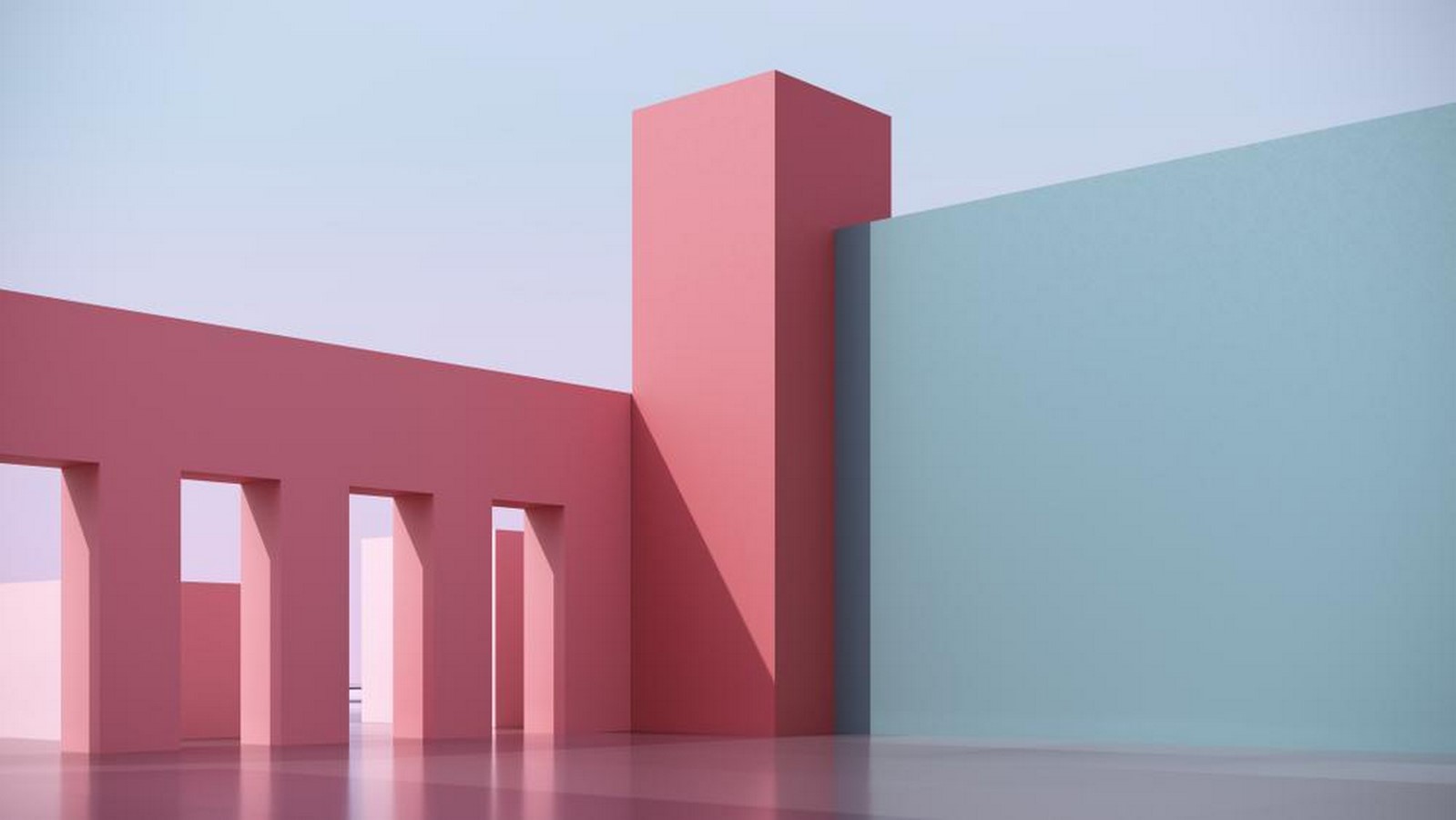
The idea that “form follows function,” which has its roots in modernist architectural theory, is one of the characteristics that distinguish minimalist architecture. In minimalist design, a building’s layout and construction are determined by its occupants’ needs and goals rather than by their preference for decorative aesthetics. Architects aim to create environments in which each component serves a distinct role and enhances the space’s overall usability. Minimalist architecture produces spaces that are not only effective but also instill a sense of peace and quiet by removing extraneous components and concentrating on the fundamental necessities. Instead of celebrating the objects that occupy space, it is a celebration of space itself.
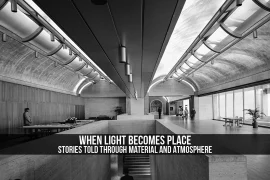
Another important component of minimalist design is the interaction between light and space. Large windows, open floor layouts, and high ceilings are common features of minimalist architecture, which emphasizes the importance of natural light in filling interior spaces. A straightforward, tidy space may be made dynamic by carefully adjusting the light, which can change the atmosphere of the space based on the weather or time of day. The building and its surroundings are seamlessly connected thanks to the way light and architecture interact to blur the lines between the interior and exterior. The natural environment is welcomed into the area and becomes an integral element of the living experience because the minimalist approach does not separate the occupants from the outside world.

Additionally, minimalism has a strong philosophical component that aims to foster attention and lessen distractions. In a world full of luxury and overstimulation, minimalist architecture provides a haven from the turmoil. The goal of minimalist settings is to enable people to concentrate on what is really important, be it their job, their thoughts, or their relationships with others. Minimalist design promotes clarity and tranquility by getting rid of extraneous embellishments and clutter. This is especially important when it comes to domestic design, as minimalist homes are frequently viewed as havens where people may get away from the stresses and diversions of everyday life.
In public and commercial design, minimalism can have an equally significant effect, producing structures that encourage concentration, efficiency, and clarity. Minimalism is frequently used in museums, galleries, and cultural institutions to make sure that the artwork or exhibits themselves, not the structure housing them, are the main attraction. A deeper bond between the observer and the artwork is made possible by this change of emphasis, which fosters awe and reflection. Likewise, the goal of minimalist office environments is to promote productivity by removing superfluous distractions and creating an atmosphere that supports both solo and group work.
Even while minimalist architecture is very popular, there are drawbacks. It necessitates a careful approach to both design and construction, to start. Since there is no space for error or excess, every detail needs to be carefully considered. A great minimalist design is largely dependent on the use of materials, the layout of areas, and the way light and shadow interact. Furthermore, designing minimalist structures can be expensive, particularly if premium materials are used and careful attention to detail is maintained in the design. It can also be difficult for people who seek warmth and character in their places since, although minimalist design is often praised for its simplicity, some people may perceive the absence of adornment and decoration to be chilly or impersonal.
Ultimately, minimalist architecture is a return to the fundamentals of what constitutes a beautiful, useful, and significant space. It honors the purity of form and material, enabling the room to arouse feelings and foster relationships. Creating an experience that is deeper, more purposeful, and ultimately more in line with the demands of its users is more important than simply getting rid of waste. Because it offers a place for reflection and connection, minimalist architecture continues to appeal to architects, designers, and people worldwide because of its careful, purposeful approach to design.