The Significance of Mass Communication in Revealing Greenwashing in Designs

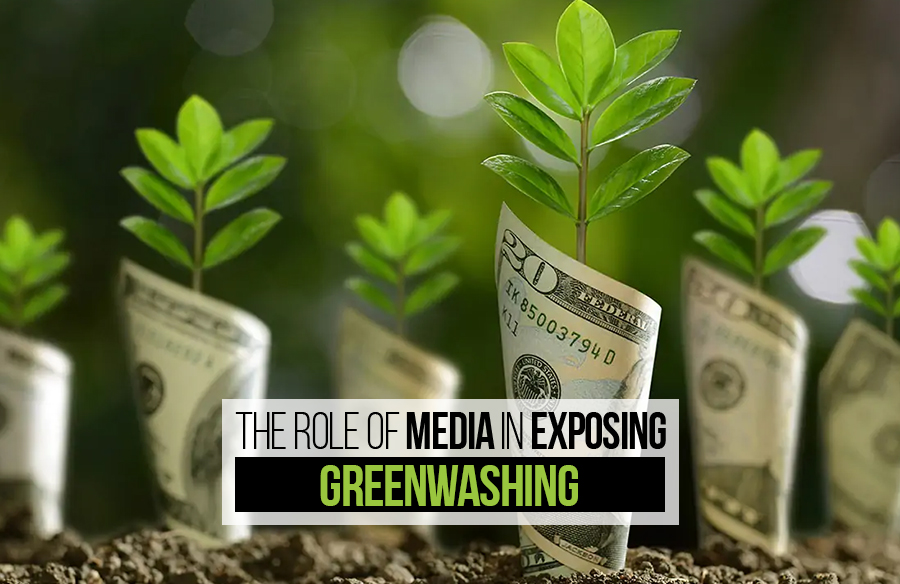
Sustainable architecture has grown quite popular in recent times with designers and builders alike striving for eco-friendly certifications as well as incorporating elements that are environmentally-supportive in their structures. A viewpoint on climate change and the environment has made sustainability an obligation and a marketing tool. In addition to genuine attempts at sustainability, an increasing prevalence of misleading green projects or practices has been observed globally today. This is where the media plays a role in uncovering deceptive claims, evaluating them, and promoting genuine sustainable development in architecture.
Greenwashing Conceptualization

Greenwashing mostly refers to the dissemination of exaggerated or misleading statements about environmental issues intending to project a much greener image than what pertains to it either using the performance of a project or company. For architects, this may take some forms:
Overblown Certifications:
Despite the importance of acquiring green labels such as LEED or BREEAM by developers, many revolve around mere appearances that are quite simple to manipulate. An example could be a certification awarded to a building due to its energy efficiency components, among other factors. While green lighting may earn a building a high sustainability rating, the choice of materials and the overall lifecycle of the building may undermine its environmental friendliness.
Token Green Features:
Some projects show isolated green elements like rooftop parks, solar panels, or rainwater harvesting systems to promote themselves as sustainable. However, these features may be mere token gestures rather than addressing the overall impact of the entire project.
Eco-friendly Aesthetics versus Performance:
A tendency for several projects is to adopt eco-friendly designs (like wooden facades or earthy tones) that indicate sustainability but have nothing to do with their actual effectiveness.
The media plays a crucial role in revealing instances of greenwashing. For this reason, some investigative journalism and architectural watchdogs collaborate to ensure that firms are held responsible and sustainability claims are put to the test.
Investigative Journalism and Major Exposures
In prominent cases, investigative journalists have uncovered instances where celebrated architectural projects did not meet their sustainability claims. A significant case was with certain LEED-certified buildings where reports indicated other than their green credentials, terms like energy efficiency and environmental impact had been poor for them. Extensive articles questioning the credibility of green certifications have appeared in media outlets detailing incidences of promise-performance divergence.
The Bank of America Tower in New York City serves as an example; despite its LEED Platinum certification, it is one of the most energy-consuming office buildings in the city. Investigative journalists, who used public energy consumption reports, revealed the difference thus raising questions regarding the reliability of green certifications.
Social Media and Grassroots Movements:
Social media platforms are powerful tools for raising awareness about greenwashing in the current period. Architects, environmentalists, and concerned citizens have been using Instagram, Twitter, and even their blogs to criticize projects that claim to be sustainable but are not. This means that individuals can give their voices more strength and reach a wider audience.
For instance, eco-activist groups have launched campaigns against the Palm Jumeirah development in Dubai, questioning its ecological implications despite its promotion as a luxurious project with sustainable attributes. Large-scale developments often have more unfavorable environmental impacts which can sometimes be missed by other forms of media. Examples include water shortages and local ecosystem destruction among others.
The Impact of Greenwashing on the Architecture Industry
Greenwashing not only damages the credibility of the firms involved but also has wider implications for the architecture industry and environmental progress.
Erosion of Public Trust:
Greenwashing does get revealed and this will make people doubt the architecture primary. The same suspicion applies to other schemes where it is believed that several organizations exhibit false goodwill to hide their true identities behind claims of sustainability. Certainly, a certain amount of trust is lost between the architecture profession and the public domain hence making it harder to accept or sell sustainable architectural jobs.
Negative Environmental Consequences:
Greenwashing impedes real advancement in sustainability by concentrating on looks instead of functionality. It distracts from genuine innovations which can greatly lessen the carbon footprint of buildings, wasting time and energy. For example, a project claiming to be sustainable because it uses “recycled materials” might hide that its energy efficiency is below average or that the construction was too wasteful. Thus, this practice can slow down the course of the entire industry into some environmentally-friendly alternatives.
Media as a Catalyst for Genuine Sustainability
For this reason, it is necessary to have proper ethical and investigative media reporting on the greenwashing problem. This will lead to a situation where sustainability will not be perceived as a mere marketing gimmick by exposing projects, doubting exaggeration, and making companies responsible.
Driving Authentic Sustainability Through Reporting
Media channels that cover architectural initiatives geared towards sustainability not only promote those companies but also create a benchmark for the entire sector. For instance, Studio Gang’s Aqua Tower in Chicago combines beauty and environmental concern to produce architectural designs of superior quality that catch the attention of others in the line of work.
On the contrary, revealing organizations involved in gimmicky environmentalism forces practitioners from the architecture industry to think critically about what they do and to take stricter measures in this regard. As discernments on incorrect environmentalism target political systems, developers and planners are urged to link their designs to genuine sustainability rather than fake platitudes.
Conclusion: The Future of Sustainable Architecture and Media Accountability
The collision of media and architecture has emerged as a powerful weapon in combating greenwash. Journalism and social media activism that expose fraudulent sustainability claims push the architecture industry toward transparency and real eco-friendly practices. Thus, the media is instrumental in ensuring that the future of architecture is sustainable by contributing positively to the global war against climate change.
Architects, developers, and media should collaborate to enhance transparency and ethics with the media acting as a watchdog and a guide to sustainability. Only through honest dialogue and genuine commitment to nature can the architectural field advance in a manner that society urgently needs.
References:
- Admin. (2024). Greenwashing in Architecture: Identifying False Sustainable Strategies – Think Energy Media. thinkenergymedia.com. https://www.thinkenergymedia.com/greenwashing-in-architecture-identifying-false-sustainable-strategies/
- Sam Roudman. (2021). The Green-Building Racket. The New Republic. https://newrepublic.com/article/113942/bank-america-tower-and-leed-ratings-racket
- Carla Pierini. (2022). Dubai’s Artificial Islands : Cutting Edge Innovation or Ecological Disaster? – Catalyst. Catalyst – International Development News, Features, and Opinions. https://catalystmcgill.com/dubais-artificial-islands-cutting-edge-innovation-or-ecological-disaster/
- Aqua | Chicago Architecture Center. (2024). Chicago Architecture Center. https://www.architecture.org/online-resources/buildings-of-chicago/aqua