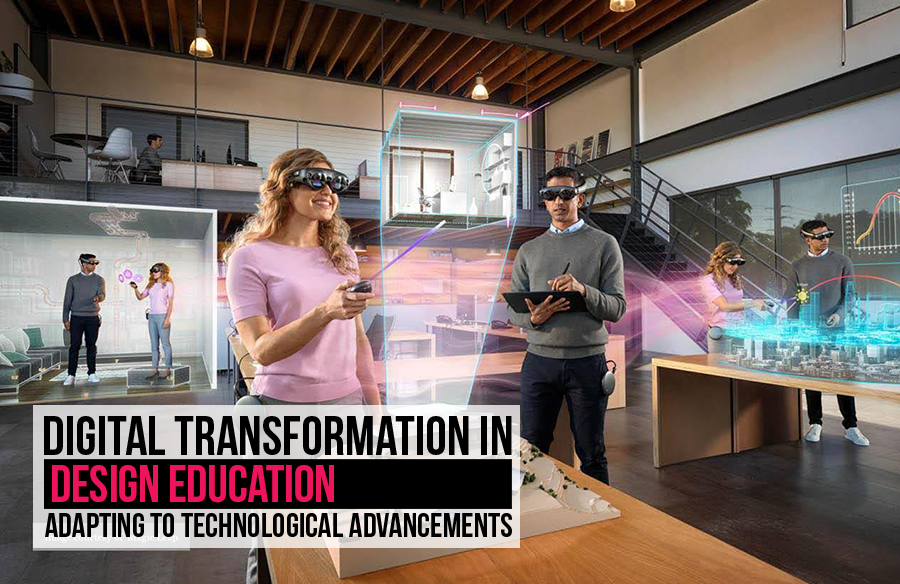
With the advancement of science, the education industry saw new shades with digital transformation. The shift from online to offline made it essential for designers to respond towards global consumption, artificial intelligence and data mapping. Adapting several new and upcoming digital technologies to pave the way for the sector’s rise is especially important in the education system. Hence, there is a need to understand the technologies’ scope and requirements for the upcoming designers.

Introduction to the Digital World
The term “digital transformation” in design education describes incorporating digital tools and technology to improve and update design students’ educational experience. A proactive strategy emphasizing teamwork, adaptability, and a dedication to educating students for the dynamic and tech-driven future of the design business is necessary to adapt design education to technology improvements.
A significant reason for the breakthrough emerged from the pandemic. Changes were highly required to cater for the situation’s needs and not cause an abrupt halt in the passage of knowledge to all upcoming designers—changes in the use of modern technology in communication, design and visualization. A worldwide pandemic is transforming society and emphasizing the advantages of adopting current technologies with flexibility. There is a growing push for education executives and policymakers to adopt a systematic approach to transformation enabled by digital innovation. Decision-makers from various businesses are seeking clarification on digital transformation in complex systems. Crises inspire innovative approaches to tackling problems. Education has responded to the epidemic in real-time, using lightning-fast innovation to solve the tactical difficulties of bringing entire campuses online in one night. But in the process, structural problems and inequalities have grown worse. Learning from home made us dependable on access to technology and Wi-Fi.
Aspects of Design Education to be Transformed
The realization that the design sector is changing quickly and that technology significantly influences the development of new design techniques and processes is driving this change. The following are some crucial facets of the digital revolution in design education:
-
Digital Tools and Software Integration:
Industry-standard design tools and software are incorporated into the curriculum to assist students in developing employable skills that are valued in the workplace. Students’ creativity and problem-solving skills can be improved when design principles are taught using digital tools. Some of the most used ones are Microsoft Teams, zoom, Google Meet, etc, along with their in-app features of collaborative interface for sketching and writing. Integrating social media such as YouTube and designing related movies and documentaries on several OTT websites such as Netflix also aids in better understanding and visualization.
-
Virtual Reality (VR) and Augmented Reality (AR)
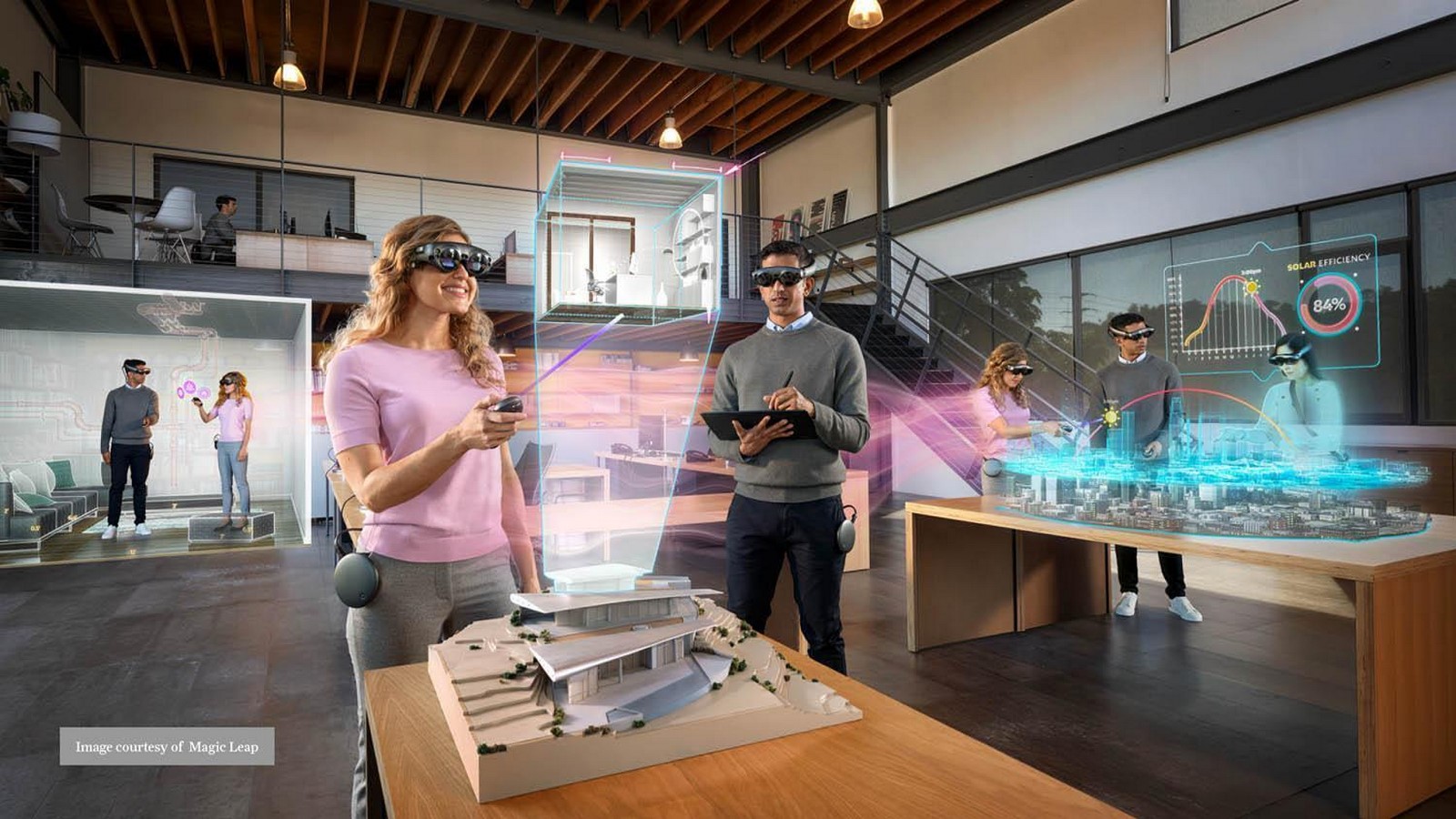
Augmented reality (AR) and Virtual reality (VR) are two cutting-edge technical developments revolutionizing the entertainment sector that has reached the educational system. By combining VR and AR technologies, students can investigate new areas of design. Virtual environments can be used for immersive experiences, prototyping, and three-dimensional structural visualization. By overlaying digital content in the real world, augmented reality apps offer the potential for creative, dynamic, and interactive design education.
-
Online Collaboration Platforms:
Working together is essential to any creative endeavor. The success of a project largely depends on it. People can collaborate more quickly and easily in real-time using design collaboration tools. Additionally, they facilitate the prompt and stress-free receipt of approval and feedback. By using online platforms for collaborative work, students can participate in virtual teamwork that replicates creative tasks in the real world. As a result, they get ready for the partnership that characterizes the design business. Project management software, communication tools, and collaborative design software improve remote learning and cooperation. Some of the most notable ones are Miro – for live whiteboard sessions; FigJam – for workshopping ideas, Canva – for collaborating on social content; and many more.
-
Digital Prototyping and 3D Printing:
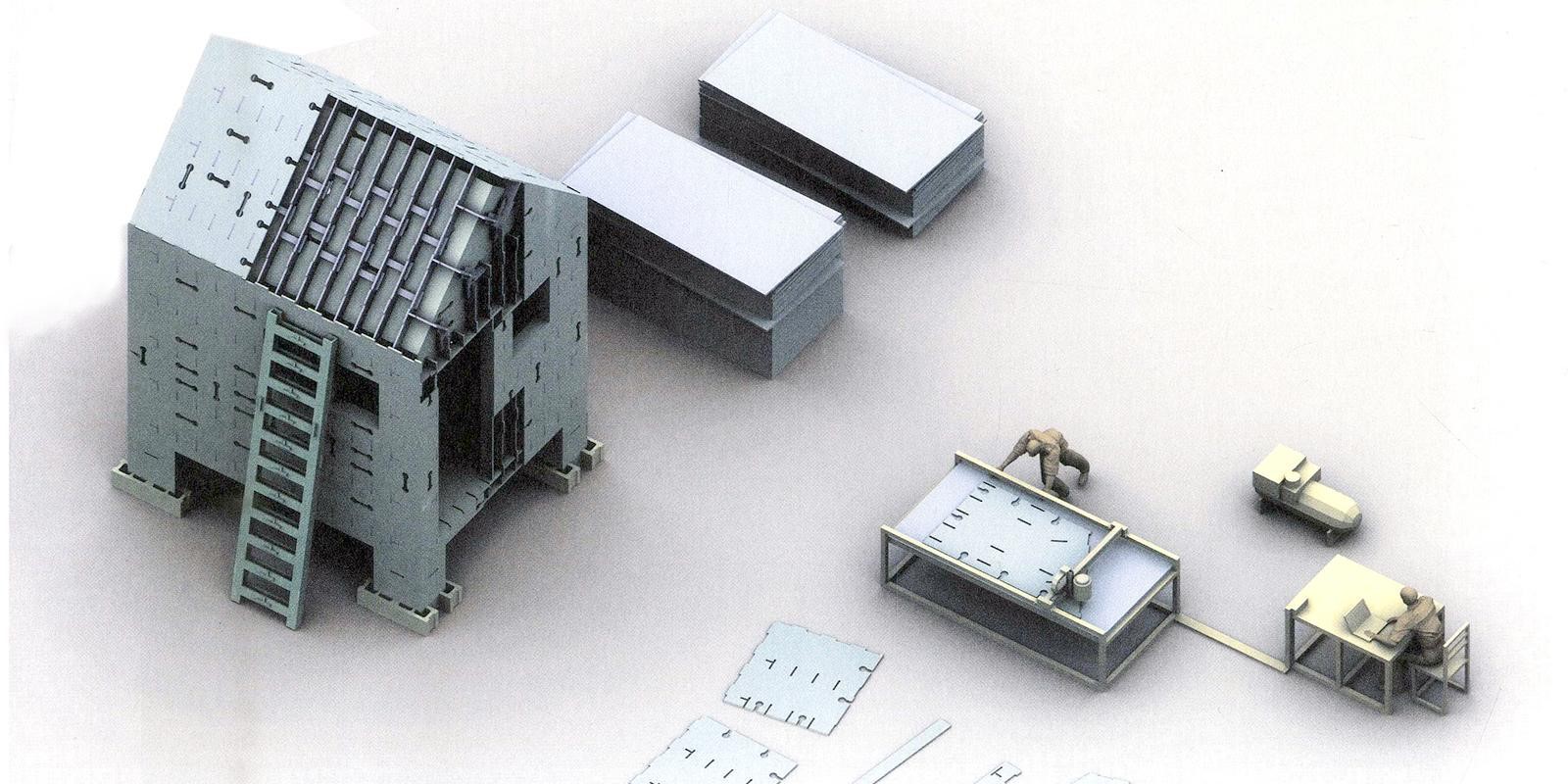
Design teams experiment by turning concepts into concrete forms, such as digital or paper prototypes. Groups construct prototypes with different levels of detail to record design ideas and conduct user testing. Prototypes allow fine-tuning and verifying designs so that the appropriate products are launched. Teachers can promote greater active engagement in the learning process by using 3D Printing. Before designs are produced physically, students can build and test designs in a virtual environment by integrating digital prototyping technologies before they are produced physically. Access to 3D printing technology helps students better grasp prototyping by enabling them to make their digital concepts come to life.
Implementation of various other modern technologies to enable students to evolve with time. Design educators are essential in bridging the gap between academic theory and practical industrial practices as they embrace the opportunities presented by artificial intelligence, virtual and augmented reality, and other cutting-edge tools. Teachers can encourage students to become creative and adaptable designers prepared to take on the opportunities and difficulties posed by a constantly changing technological landscape by remaining abreast of technological breakthroughs.
References:
- Gupta, N. (2021). Digital Transformation in Design Education. [online] The IILM Blog. Available at: https://blog.iilm.edu/digital-transformation-in-design-education/
- McCarthy, A.M., Maor, D., McConney, A. and Cavanaugh, C. (2023). Digital transformation in education: Critical components for leaders of system change. Social Sciences & Humanities Open, [online] 8(1), p.100479. doi:https://doi.org/10.1016/j.ssaho.2023.100479.
- Zhao, X., Yu Ze Ren and Cheah, K. (2023). Leading Virtual Reality (VR) and Augmented Reality (AR) in Education: Bibliometric and Content Analysis From the Web of Science (2018–2022). SAGE Open, 13(3). doi:https://doi.org/10.1177/21582440231190821.
- filestage.io. (2022). 10 best design and creative collaboration tools. [online] Available at: https://filestage.io/blog/design-collaboration-tools/.
- Interaction Design Foundation (2019). What is Prototyping? [online] The Interaction Design Foundation. Available at: https://www.interaction-design.org/literature/topics/prototyping.
- Formlabs. (n.d.). Guide to 3D Printing In Education. [online] Available at: https://formlabs.com/blog/guide-3d-printing-education/.