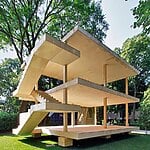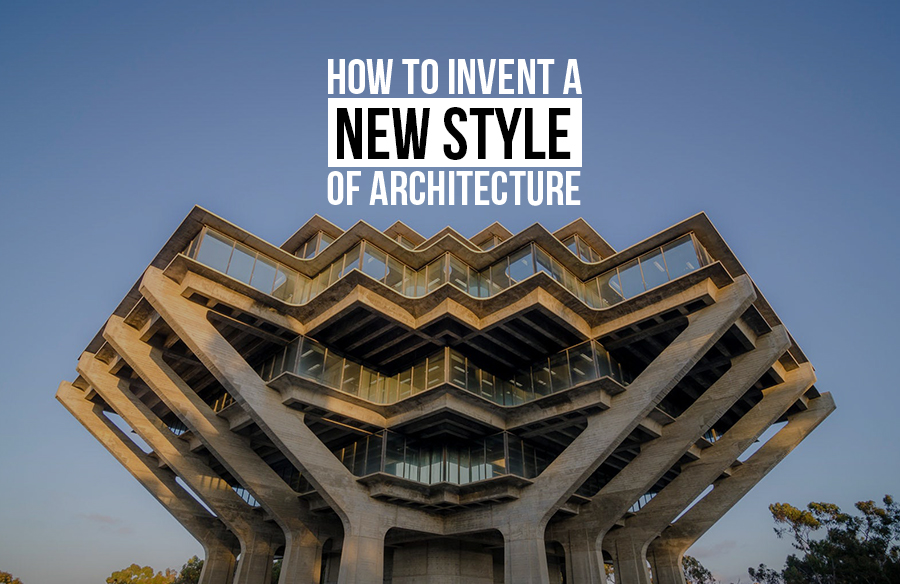
In architectural terms, style is something that defines a building. Modernism, Post-modernism, Contemporary, Art Deco, etcetera were the styles wholly defined by societies and practiced in terms of eras. Artists, Architects, and every other creator came together to specify a period where specific styles were widely practiced and accepted. Architects who practiced these styles also added their flavor to the designs. A new system prevailed where individual architects had their own style for designing buildings. These styles, however, were included in the societal styles, but as a separate entity. For example, buildings designed by Le Corbusier broadly belonged to the Modernism era. However, the modernist buildings of Le Corbusier were also associated with the ‘Dom Ino’ style of Residential architecture, a sub-style invented by Le Corbusier himself.
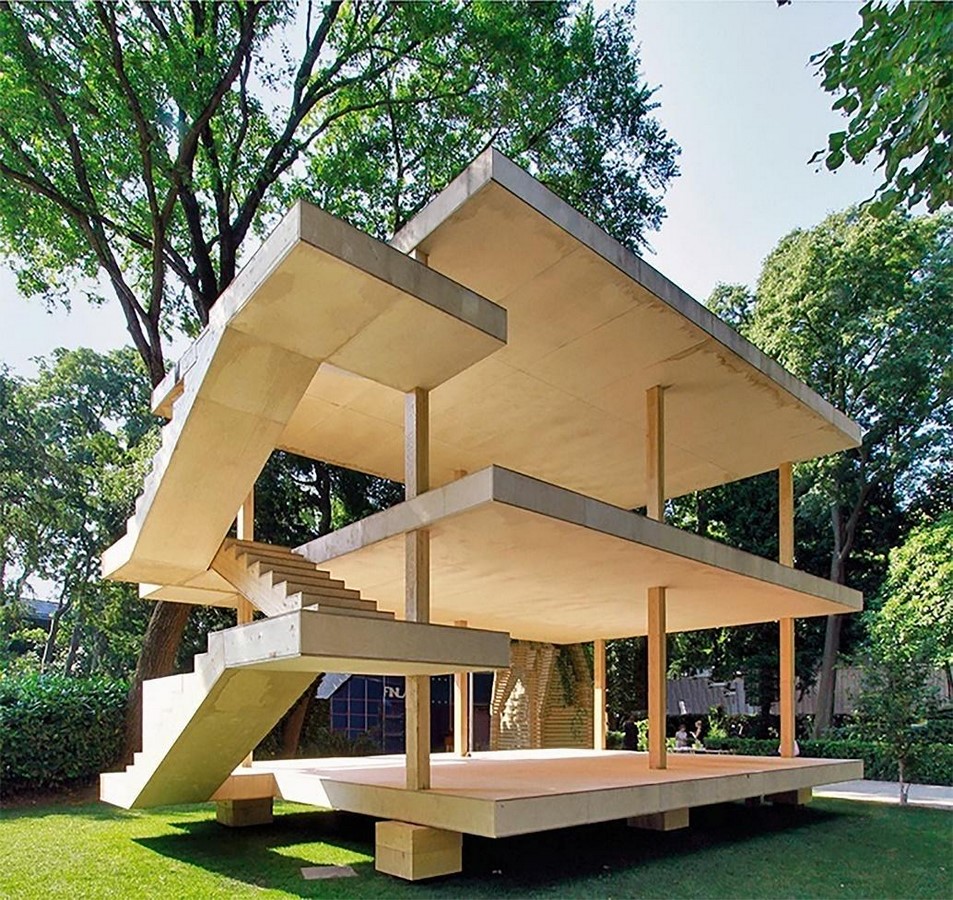
Inventing a new style of architecture within an existing style of the era became more common among architects as they got to express themselves more freely. To develop their unique style, architects follow a sequence. Most architects follow a sequence that can be termed the ‘4P’ sequence. Purpose, Past, Personal Touch, and Pattern. These points come together and allow an architect to create a style of their own, which may classify as a sub-style in a pre-existing societal style.
Purpose:
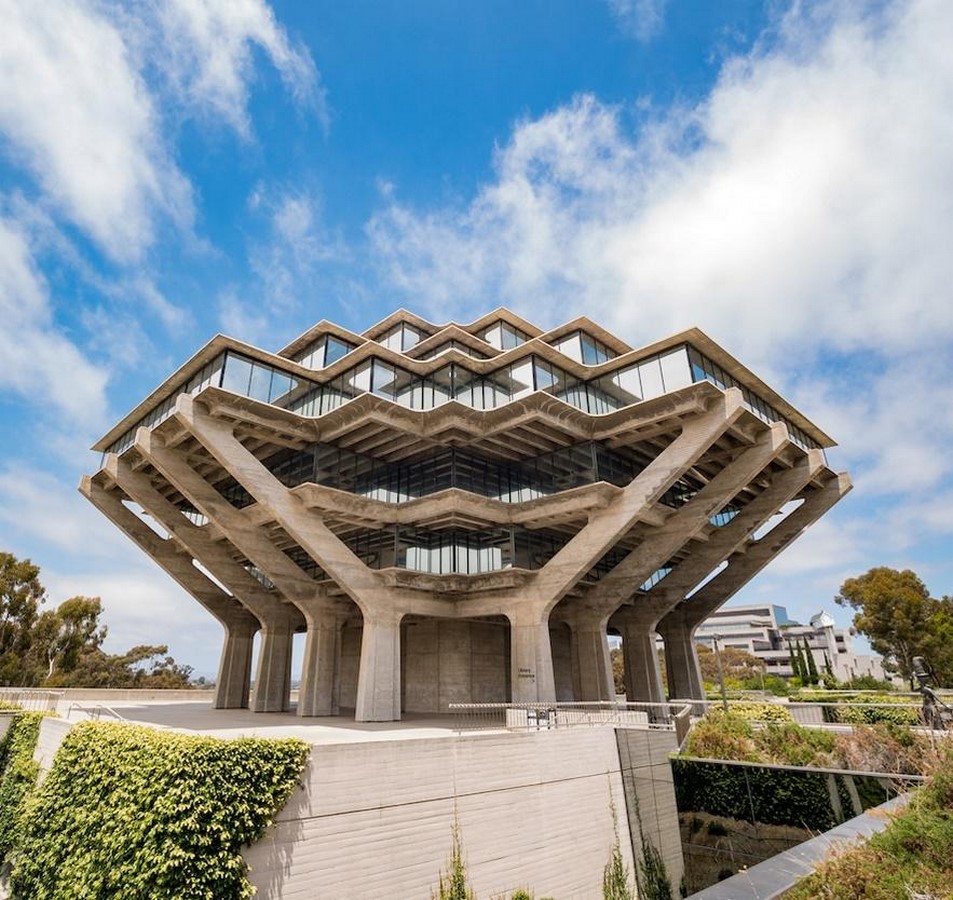
Architects are always fascinated with unique projects. Be it brutalism by Le Corbusier, minimalism by Mies Van Der Rohe, or parametric designs by Zaha Hadid, all great architects have given a uniqueness to their projects. Architects, over time, have managed to evaluate their surroundings and introduced a pattern of designing spaces. Every architect will have their version of defining the spaces and forms. Buildings designed by following these patterns are not merely buildings but a statement. Architects develop their style and keep evolving on those lines for their buildings to be at par with time. With this purpose, architects would still take many years to invent and evolve in their style. Inventing a style is always a work in progress. The more time architects get, the more details they add to their designs.

Past:
Architects have always expressed their ideas, mentality, and thoughts through their work. It is possible by gaining experience from past designers and understanding their thought processes behind a design. The designs from the past were not just symbolic but also quite functional. Architects of the past used to evaluate multiple factors before coming up with a design. For instance, Architect Mies Van Der Rohe derived there was no requirement for unnecessary ornamentation to buildings. Simple, sleek, and functional spaces defined his style. Concerning such examples, architects can learn from the past and design for the present. A design style needs to stand the test of time for its credibility. Trends come and go, but a style that does not age through time defines the depth of research done by the architect for its invention.

Personal Touch:
Adding a personal touch to designs is a crucial subject in inventing a new style of architecture. Today, everything is available on social media and the internet. Anything designed by architects is vaguely inspired by something they saw on their phones and found interesting. Architects must rely on their education and principles as well. Adding a personal touch is possible only when architects use their creations and justifications for designing spaces. It will allow architects to create something that is probably never seen or experienced.
Pattern:
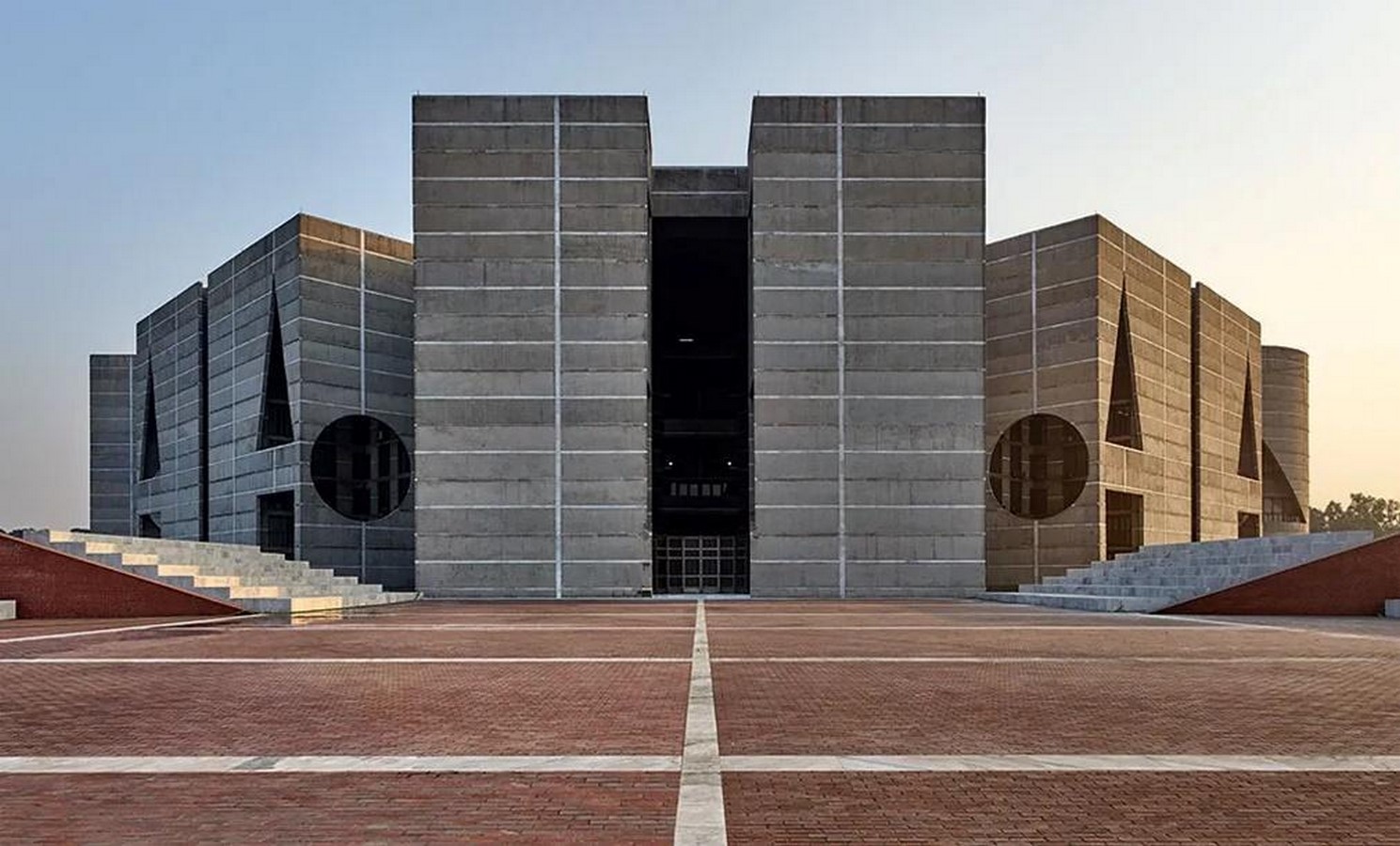
After studying past architects, and their design ideologies, and adding a personal touch to designs, architects have a prototype for inventing their style. Now, the architects will have to generate a pattern. This pattern will allow architects to use similar designs or elements in all their projects. Following a pattern supports architects in creating their patent style. However, generating patterns must be thoughtful. Architects shouldn’t impose the pattern on projects where it does not work efficiently. Architects must evolve their patterns to use them universally.
The Invention:
Theoretically, with this sequence, architects can invent a new style of architecture. But to invent something and manage to execute it is extremely difficult. All the architects and their respective styles known today are an outcome of rigorous hard work behind those designs. They never intended to invent a new style. Architecture is always subjective. Every design is critically reviewed. Architects cannot just come up with a style and claim it without proper justification and meaning. As Plato rightly said, “Our need will be the real creator.” Architects must create or invent something that would significantly cater to the needs of its users. Any invention is a waste if it is not used appropriately. There can be no guide but only theories suggesting how a new style of architecture is invented. The 4P sequence is an observation of procedures followed by great architects to create a style in architecture.

References:
- Le Corbusier and his style of architecture: https://typesofartstyles.com/le-corbusiers-domino-house/
- Mies Van Der Rohe’s Minimalism: https://thearchinsider.com/mies-van-der-rohe-the-father-of-minimalism/
- Styles of Architecture: https://study.com/academy/lesson/architectural-styles-types-examples.html
Book References:
- 5 Points of Architecture by Le Corbusier
- Mies Van Der Rohe: A critical biography, new and revised version by Franz Schulze and Edward Windhorst