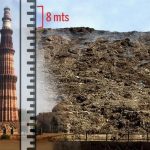
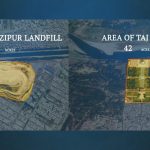
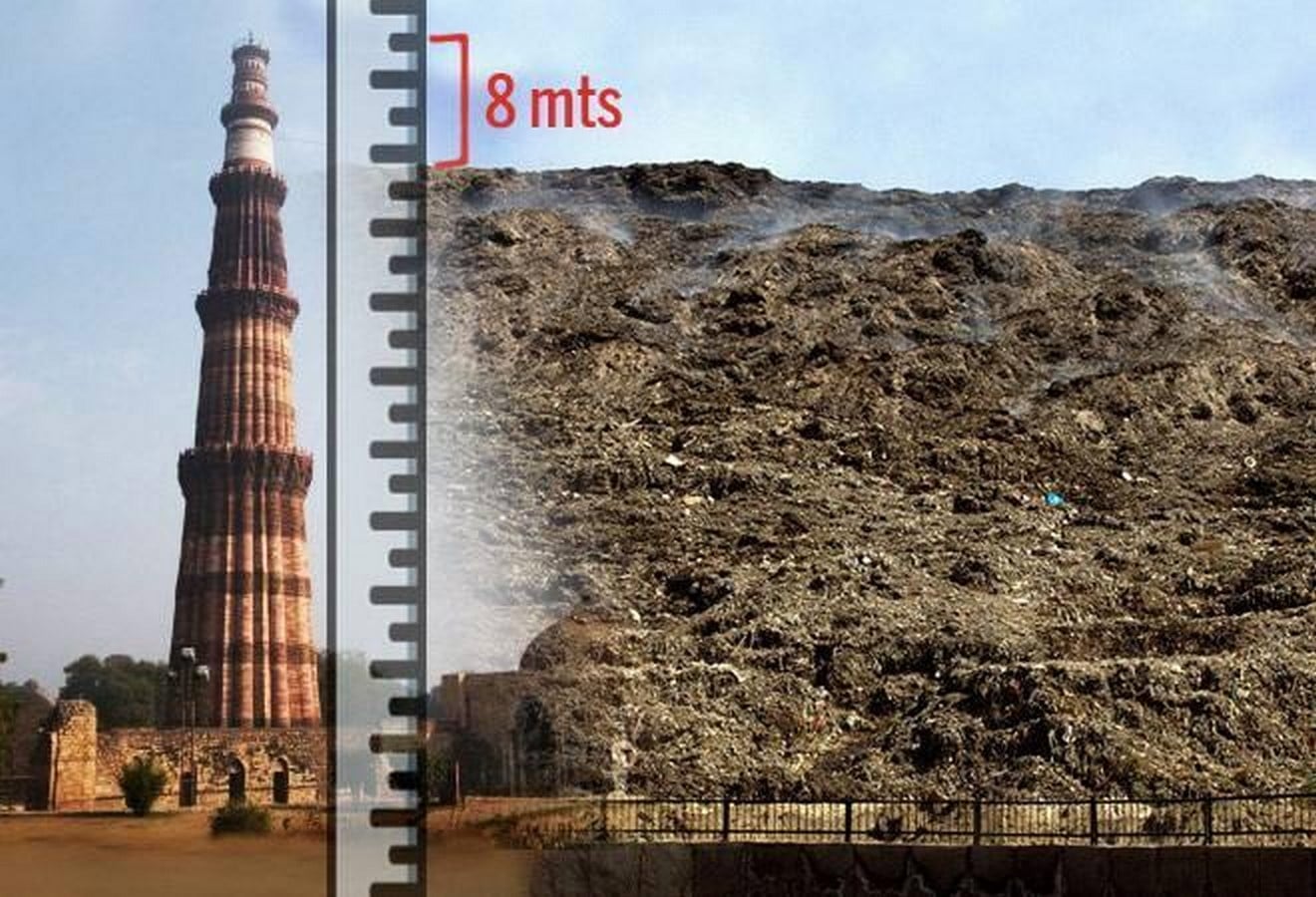
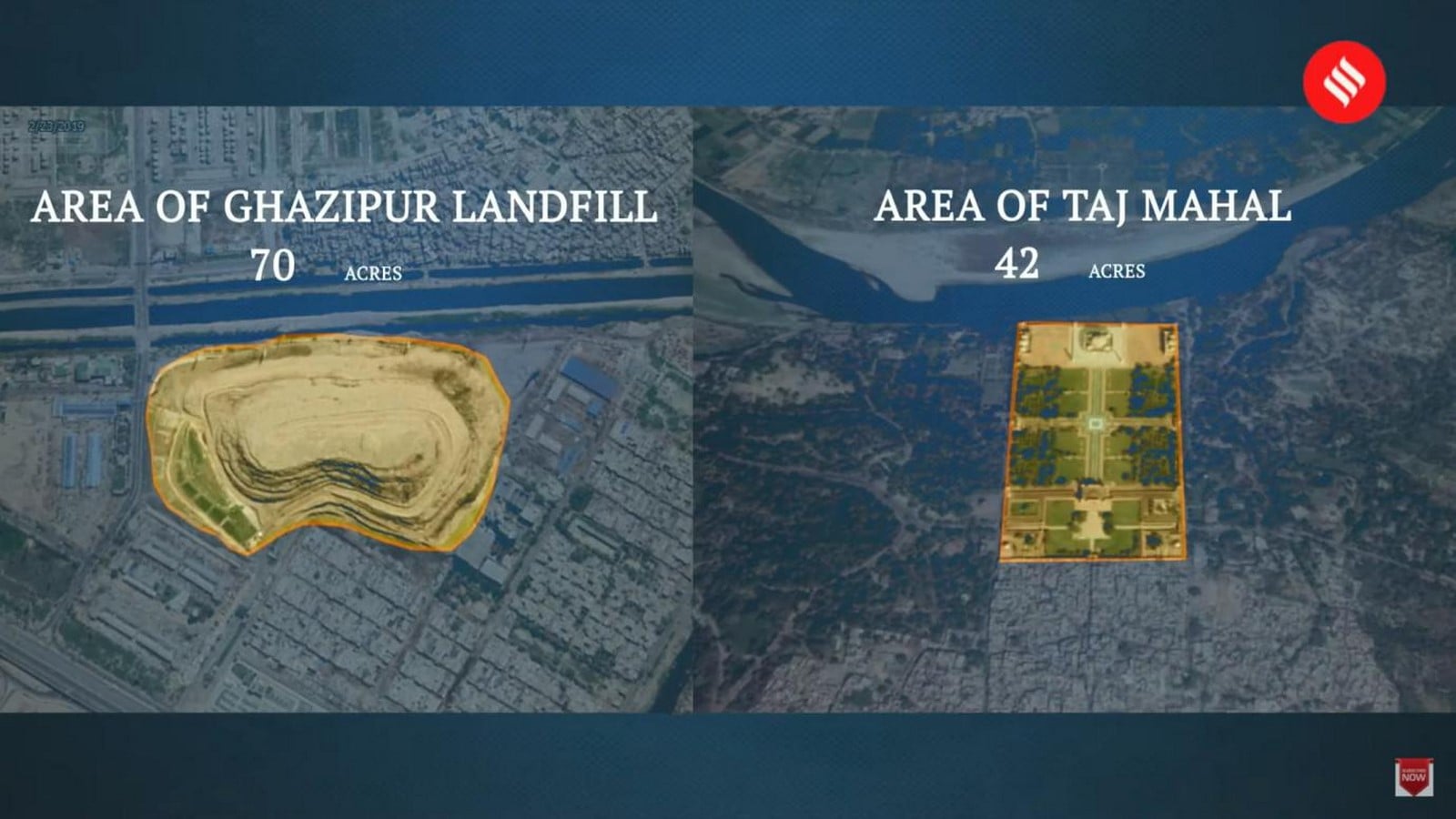
“Waste is not waste until we waste it.” (-Will.I.Am). This saying should be brought to practice as soon as possible by the majority to protect the human race from drowning in oceans of garbage. Landfills are not landfills anymore; they have reached the heights of monuments exceeding the ground coverage when compared with them. Many awareness and implementable initiatives have been taken up like Garbology 101, Swachh Bharat Mission, Waste to Energy, biomedical waste management Rules (2016), etc. On top of this, the UN has declared a clean environment as a human right.
Trash and Human Tendencies
Proper disposal or consumption of waste is the need of the hour, as stated above. It is worth dealing with to reduce the height and size of those huge landfills and even before that a step to making them free of hazardous substances situated amidst settlements is required. As in return, it will safeguard the local and nearby communities from harmful impacts of these landfills, i.e. foul smell, stinky environment, etc. It becomes a disease yard and breading space for mosquitoes, flies, and insects. And first of all hazardous nature of those landfills should be eradicated to safeguard the life of rag pickers.
After the classification of trash, we have common non-hazardous waste, which could be reduced and reused with sensitive ideation and its implementation. They can be named plastic, wood, metal, organic waste, glass, and some other miscellaneous articles.
Required Change
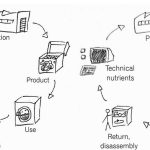
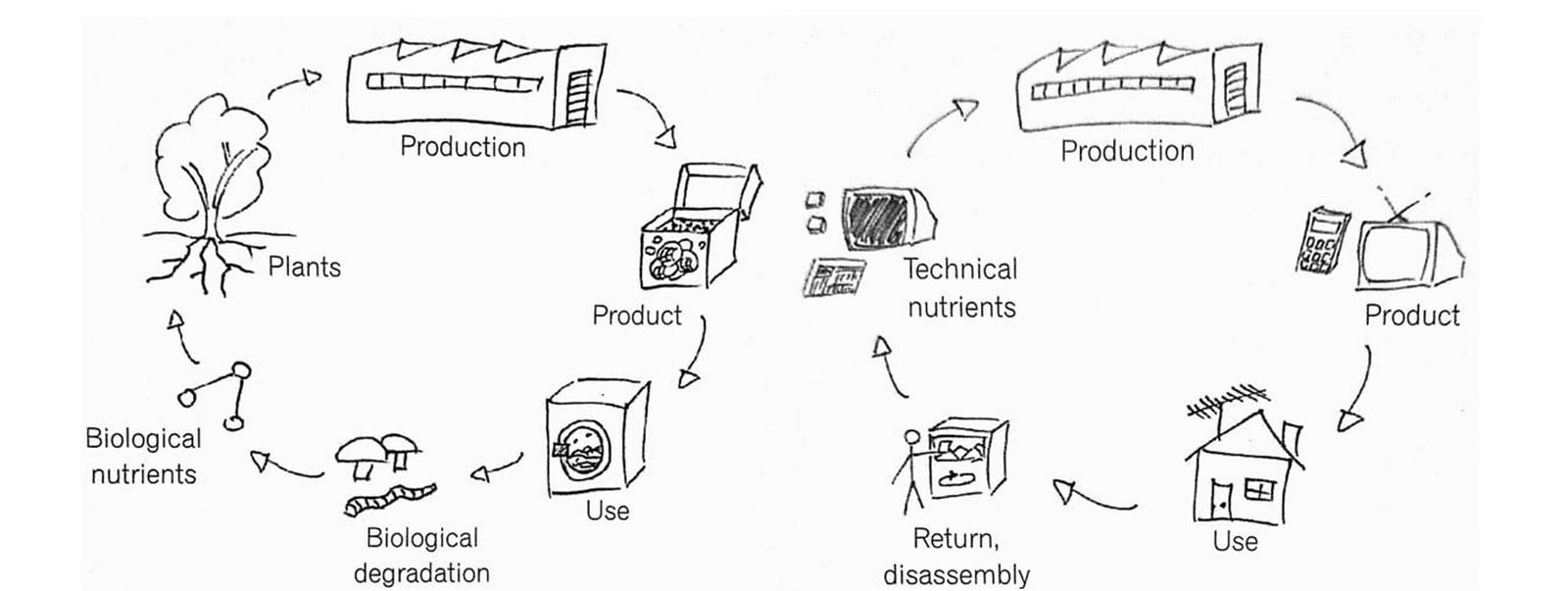
To revolutionize the era of pollution and degradation to trash less community, the only way is to practice the changed concept of “Cradle to Cradle” in place of “Cradle to Grave”, which was given by William Mc Donough and Michael Braungart in 2008. It includes the idea of a circular economy with a well-organized techno sphere and biosphere. The most important part of the recycling process is to maintain the quality of the waste i.e. one must recycle without downcycling the resources. If this insensible practice is continued as it is now, then the draught of resources will stagnate the development with the gradual disappearance of all living species.
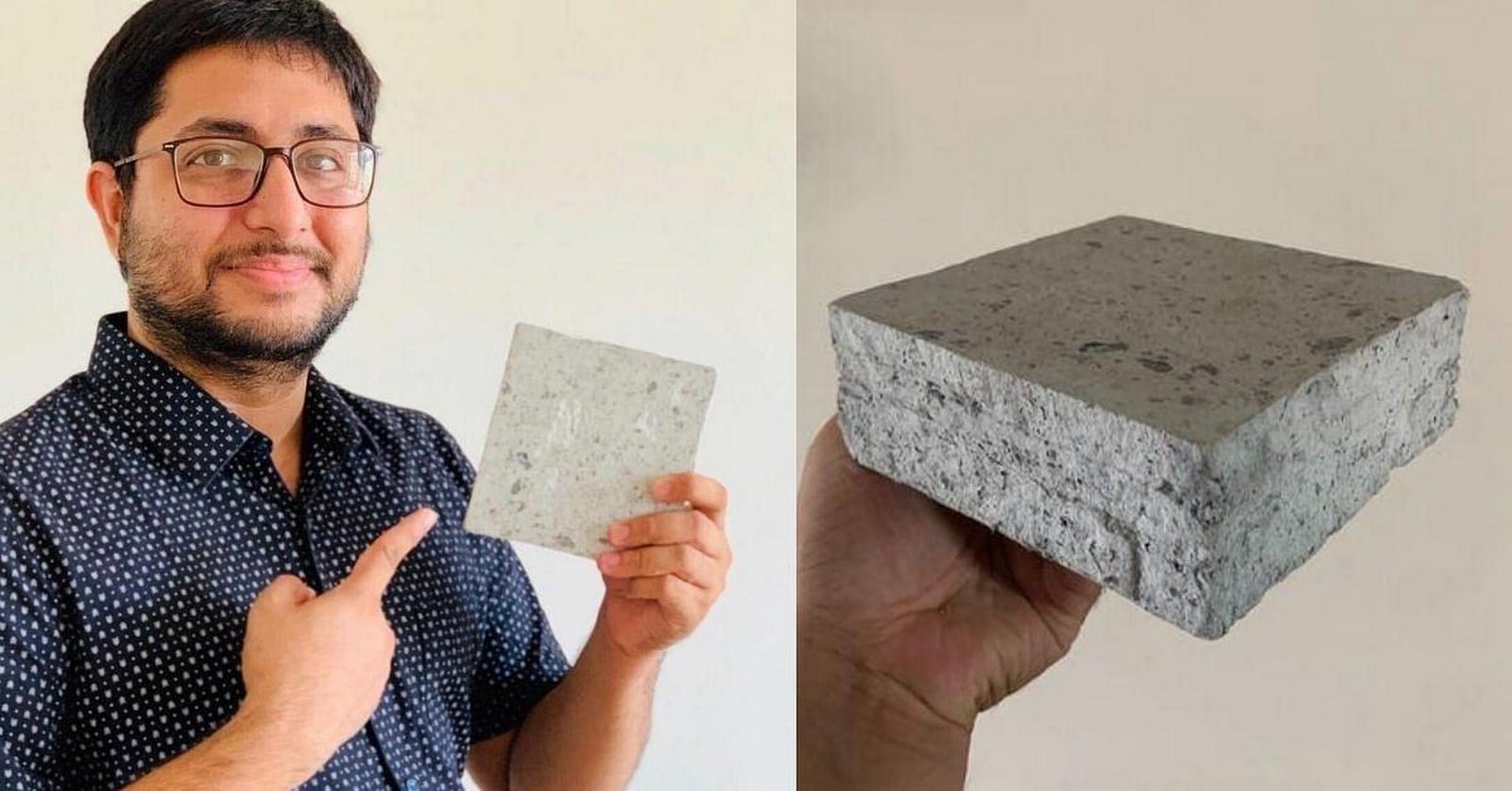
Zero waste philosophy developed by “Zero Waste International Alliance” in 2004 says incineration is equivalent to landfills in the sky with a stand on achieving zero waste through innovations. Ideologies like of Binish Desai “The Recycle Man of India” owner of E.E. Tech Group, Eco-Electronic Technologies, and Eco-Light Studio believes in the phrase “Nothing is Useless” it just requires a different perspective combined with innovation to convert that so-called trash into an asset.
All these ideologies and concerns about waste management through architecture are giving birth to a new division in architectural practices namely, junk architecture in which junk or discards from different industries are used in the form of buildings and shaping architectural creations.
Exemplary Projects
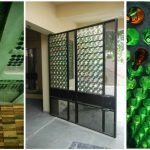
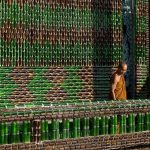
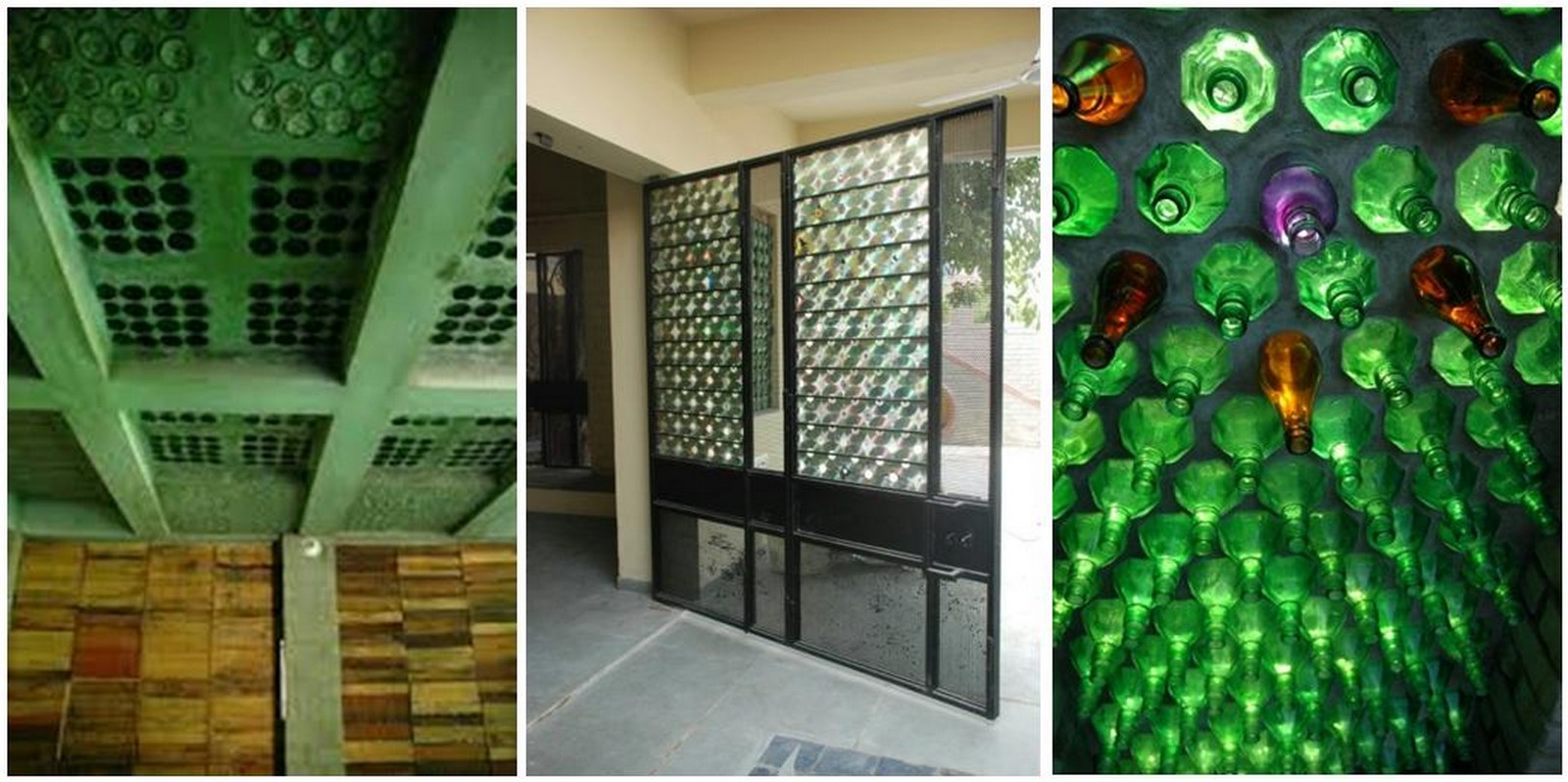
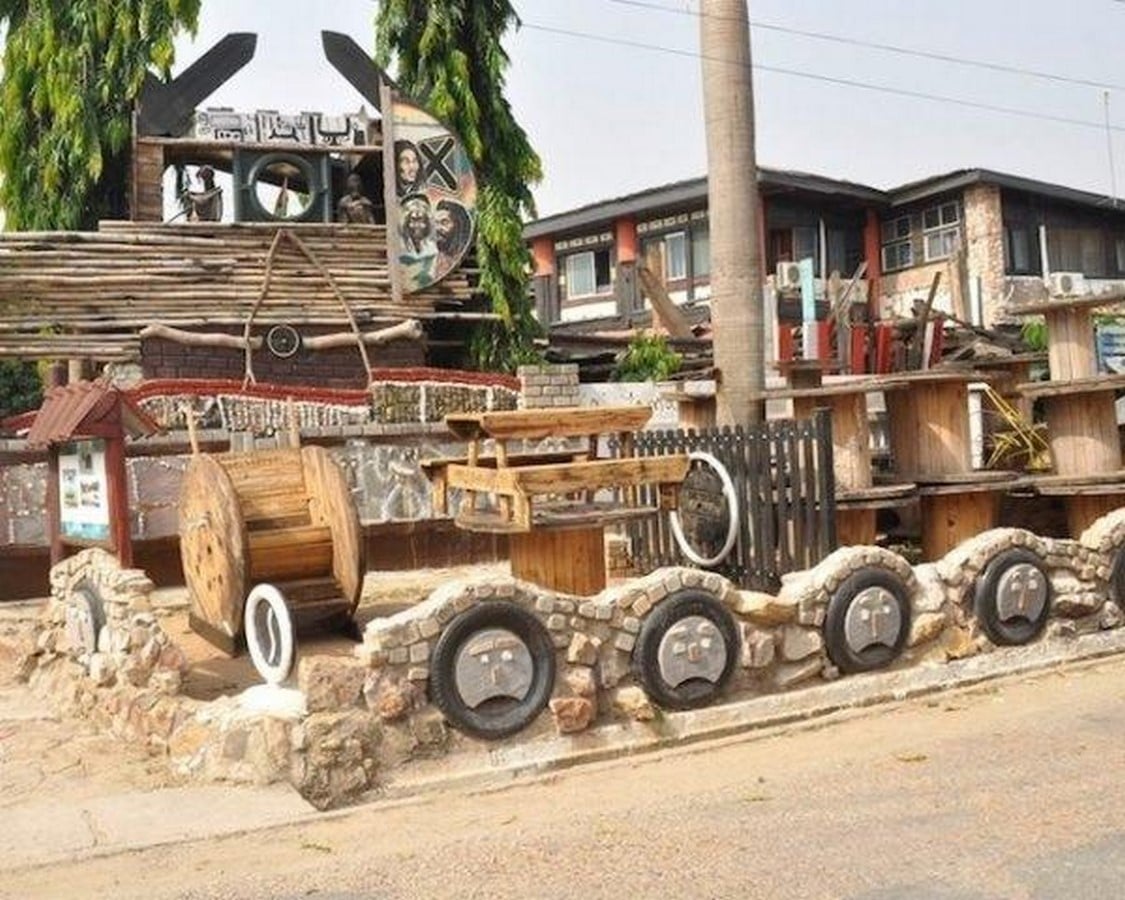
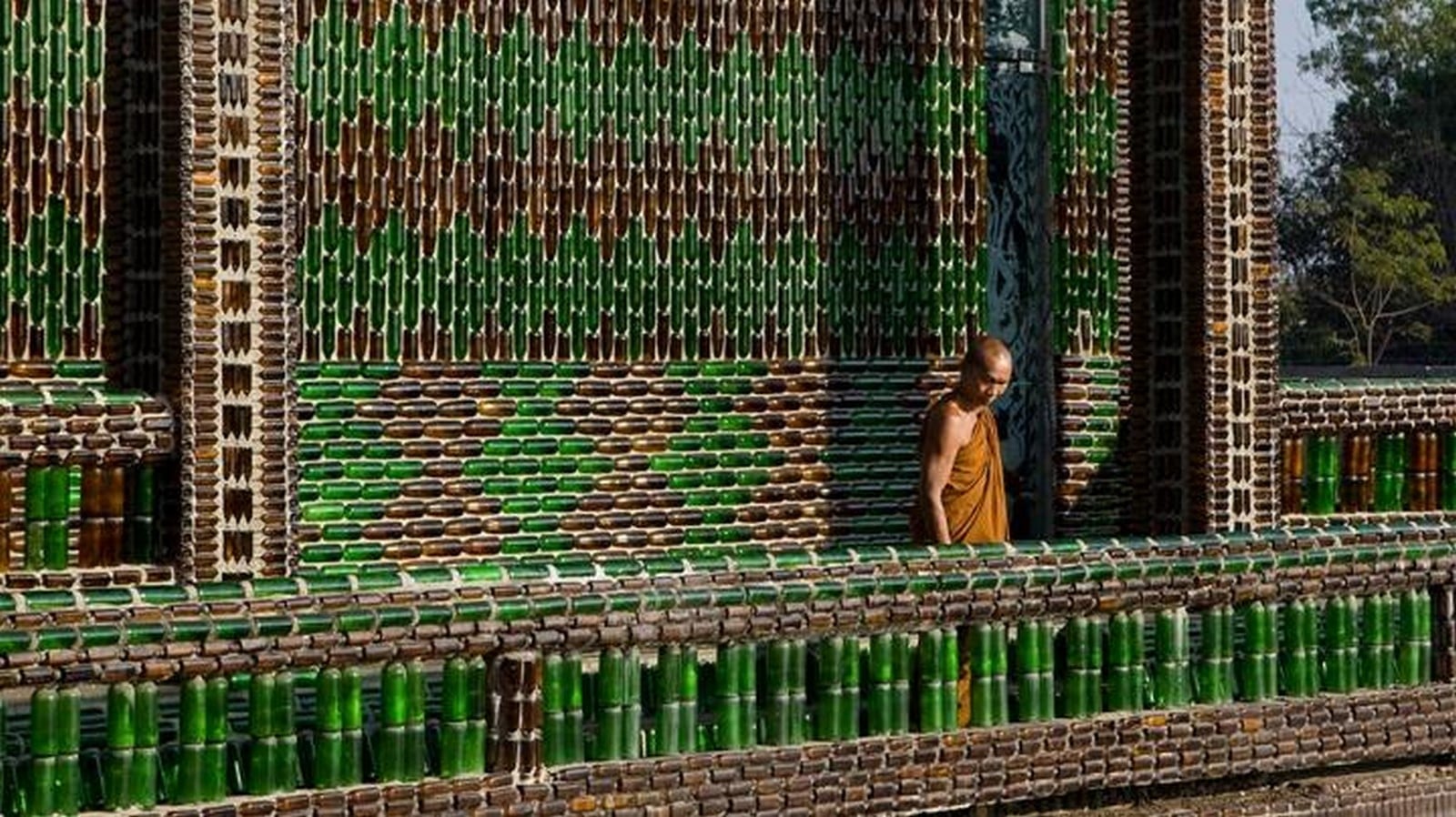
Trash to Architecture, typology in India is applied in Manav Sandhan Activity Centre, Ahmedabad, Architect Yatin Pandya attempted to recycle municipal and domestic waste into useful materials. Walls of recycled glass bottles, discs for windows glazing, door panels out of shredded paper, and louvers from oil tins were used.Similarly, Wheel Story House, Ghana, West Africa, designed by Architect Samuel Mensah Ansah, designed an apartment using empty spool wheels, broken stone pieces, old paving stones, and broken tiles. Roofing was made out of old wooden soda and beer crates.And the Temple of Million Bottles, a Buddhist temple in the Khun Han district of Sisaket province, Thailand) made out of 1.5 million beer bottles. Therefore, junk should be resourced or regenerated there instead of using it as it is, which could be a way too.
Bhopal’s Bhanpur landfill has been reclaimed and the wholesale market has been shifted to 4 decades old dumping site. It is now free from toxins, almost in every possible way; it could be water, land, or soil. 36 acres of land have been reclaimed sensitively.
Innovative Building Materials
Trash to Architecture could also be achieved through innovative building materials like
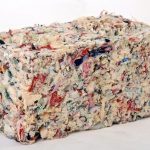
- PPE bricks, by Binish Desai. They are composed of PPE kits + Paper waste + binders. It has many advantages over conventional bricks.
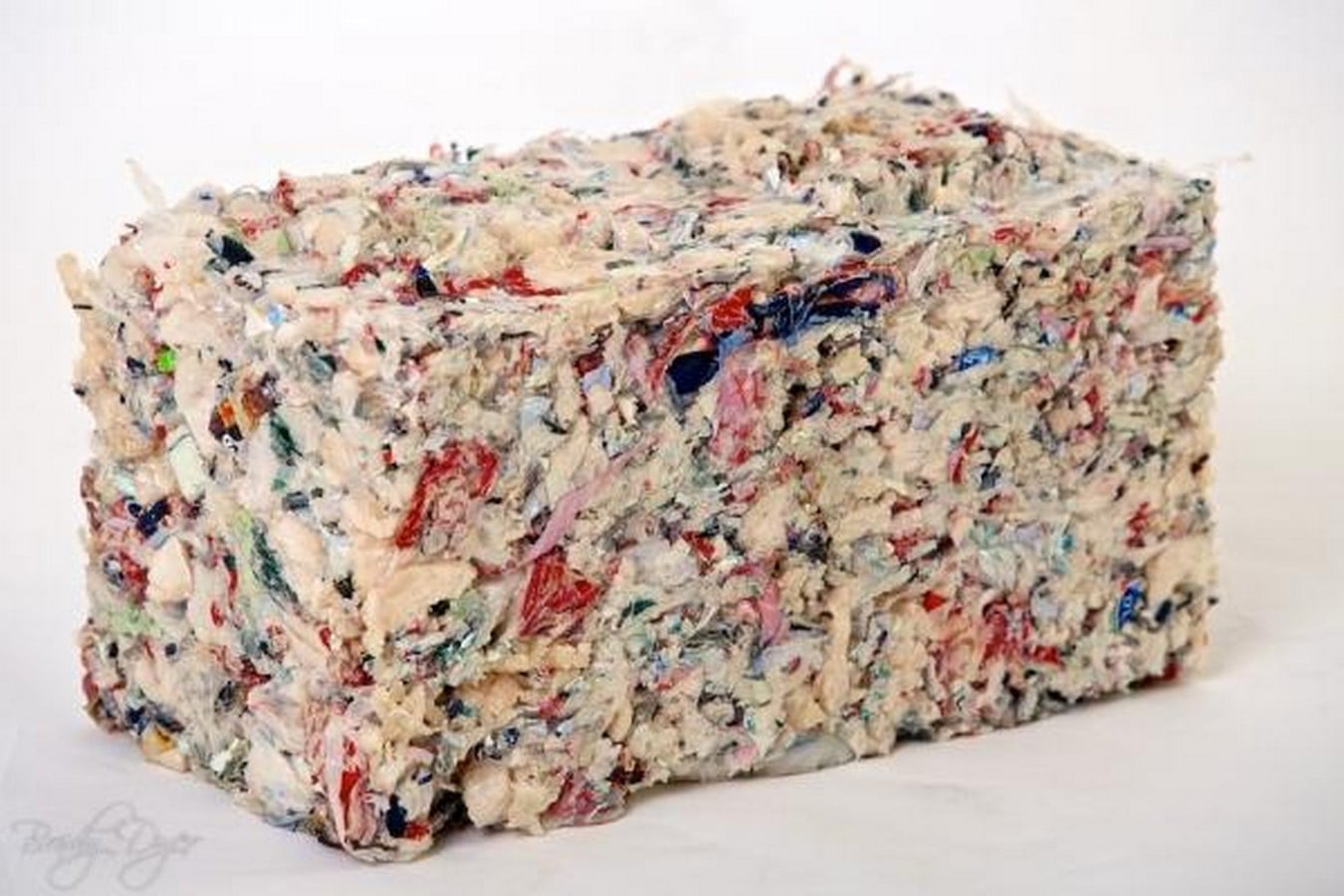
- By-fusion or by-block bricks use mixed unsorted plastics by shredding them into fine strips, followed by washing in a rotatory tumbler, drying, and then compressing in a batch mold to move it into a fusion chamber. These blocks can also ingest the disinfected plastic from hazardous waste.
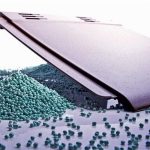
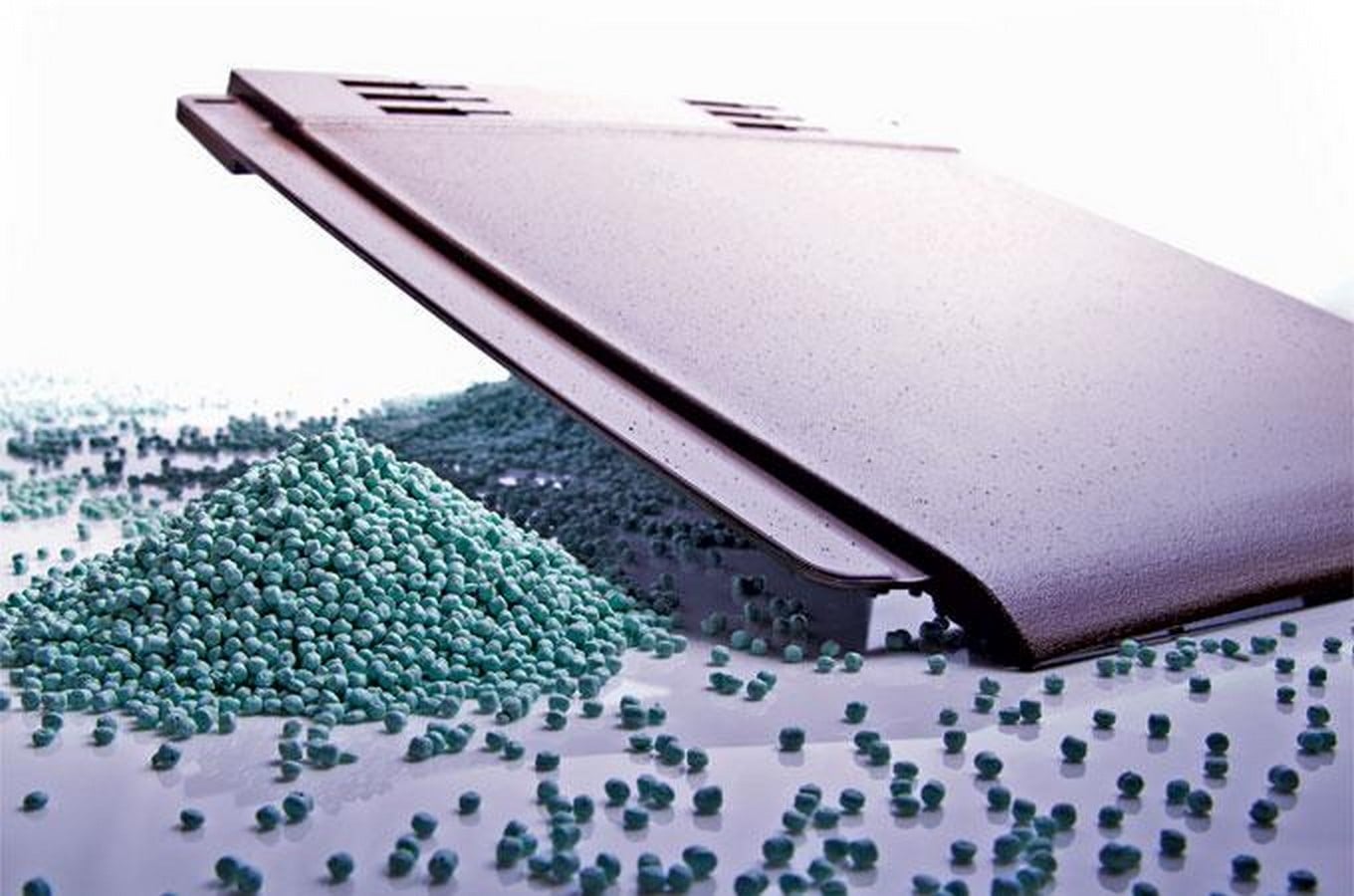
- Nappy roofing, absorbent hygiene products including baby diapers, adult incontinence, and famine hygiene products are used as resources for its manufacturing. Further granulation of plastic continues and is placed in modules to make roofing tiles.
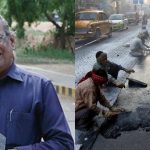
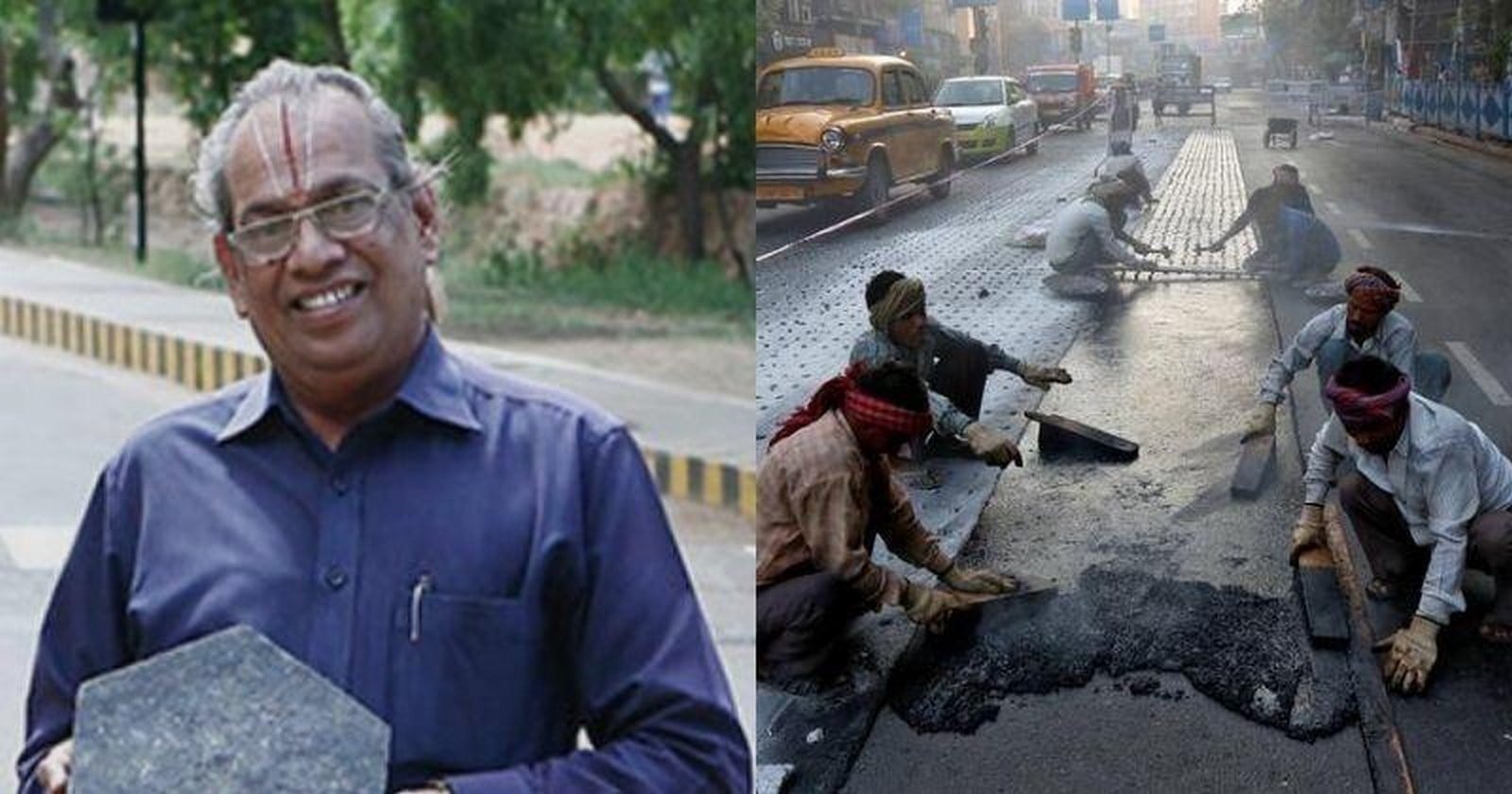
Inventions like plastic road by “The plastic man of India” (– Prof. Rajagopalan Vasudevan) can be a milestone in achieving sustainability. It is a solution but not as coherent as it is in consuming plastic waste. And with due course of time, it will downcycle the other components present with it. Seepage of water is not possible on this type of road which somewhere makes it undesirable for a sensible sustainable future. But it could be evolved further to develop into a feasible solution.
Designed Multi-life Materials
Materials and objects should be designed to perform multiple life spans after completing a life span in a sector; it should be made available for another sector without any further investment of energy. This strategy can help in reducing the waste from different industries and so also cater to the needs of other industries. Hence, a thoughtfully designed material can save a lot of energy and plenty of resources.
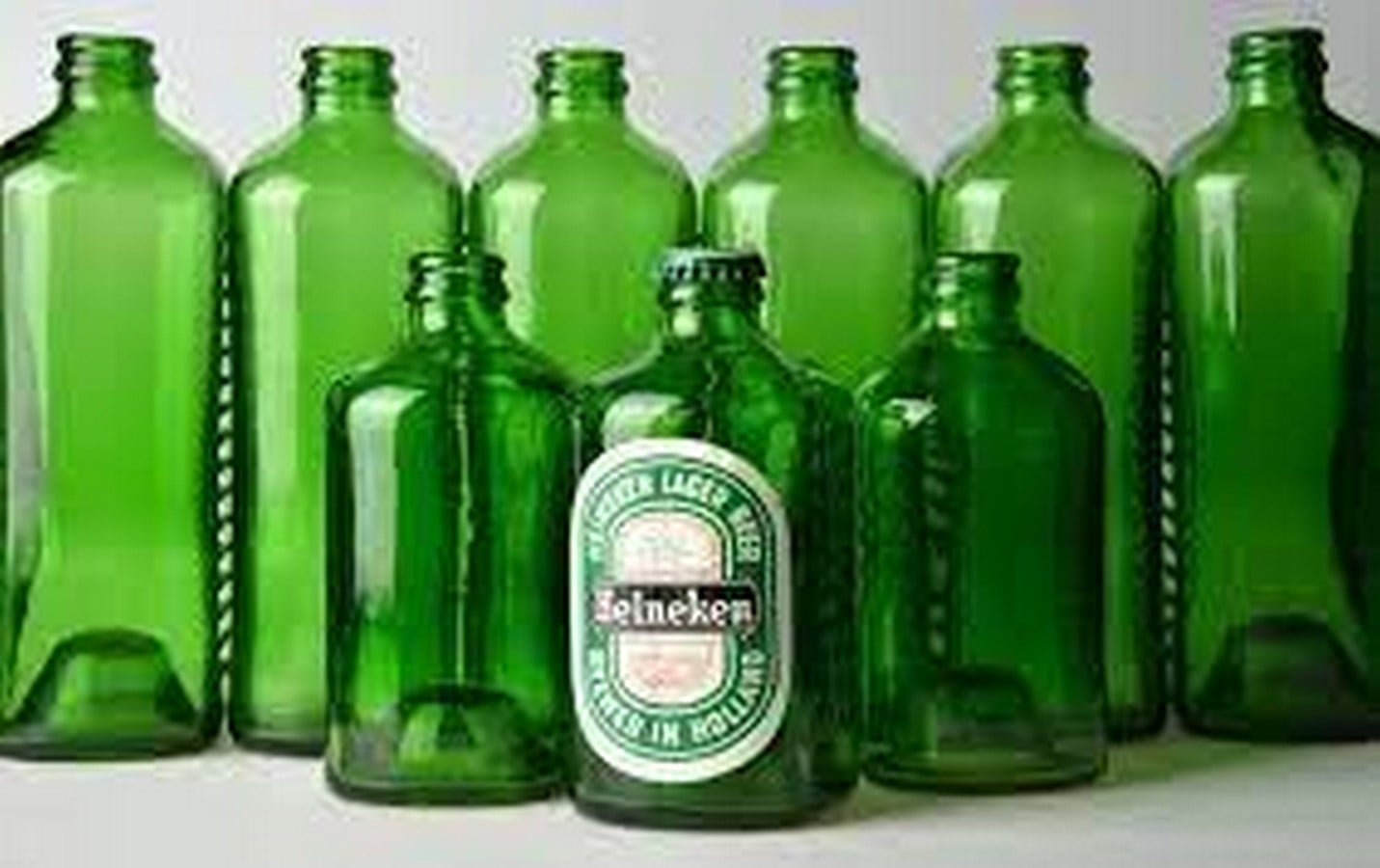
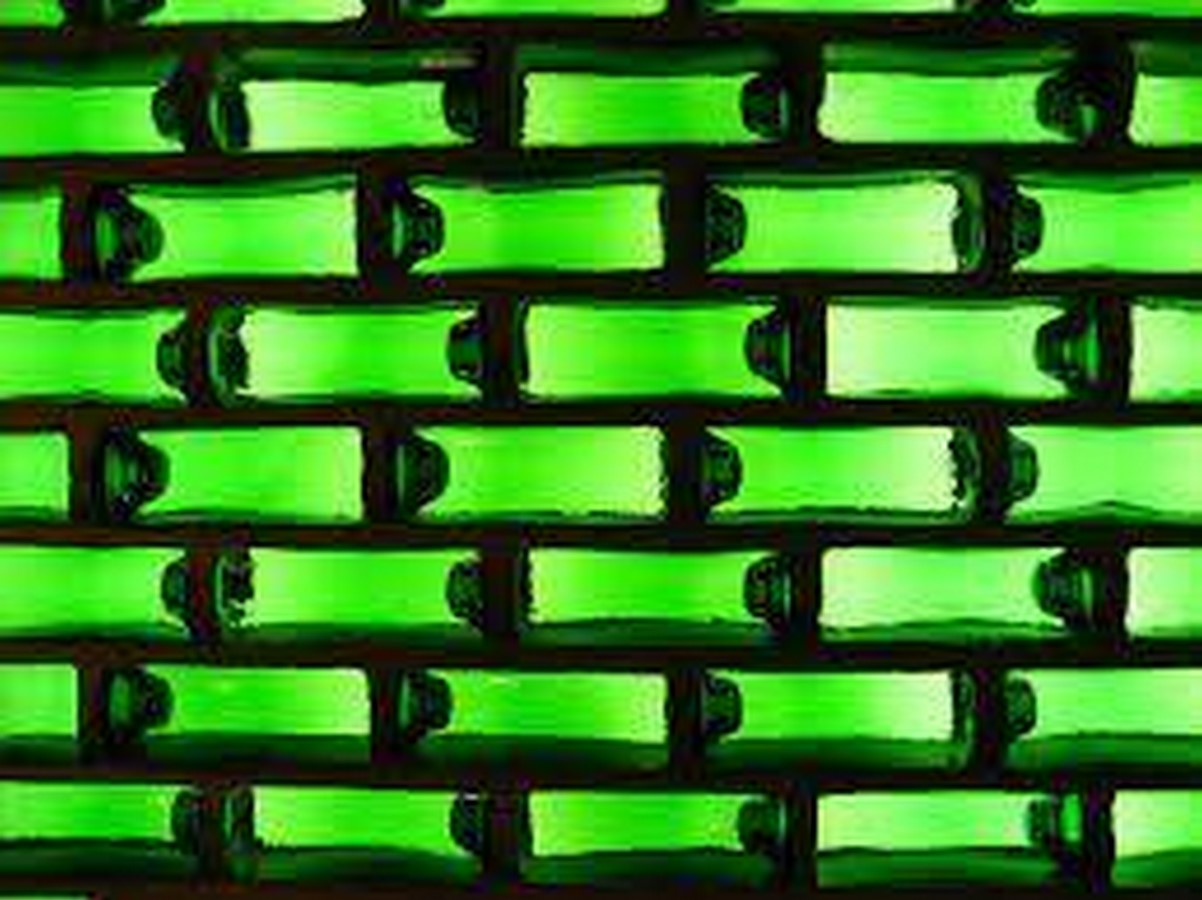
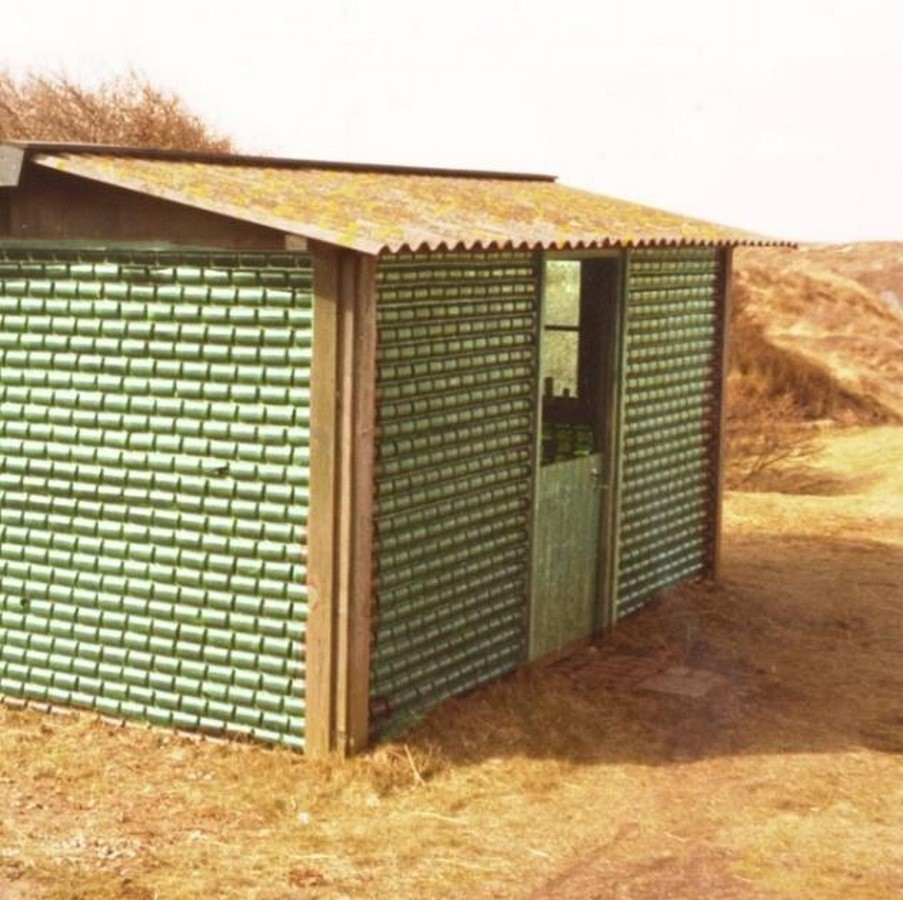
Projects like United Bottles by a Switzerland-based company; world bottles are the future of sustainable and designed products which have multiple life cycles without any major intervention of energy after every life cycle. Firstly they are used as Wine bottles (as shown in image 11) and in their second lifestyle, they have to play the role of brick (as shown in image 12). Similarly, designing medical equipment can be given a thought with multiple life-spanning objects.
Reference:
2020, Waste to Wealth Mission | Invest India, Waste to Wealth Mission | Invest India.
2019, Circular Economy of Waste | Dr. Binish Desai | TEDxGateway, YouTube.
2023, CPCB | Central Pollution Control Board, CPCB | Central Pollution Control Board.
2018, History of ZWIA – Zero Waste International Alliance, Zero Waste International Alliance.
Nast, C. & @ArchDigest, 2018, You Won’t Believe What This Thai Temple Is Made of, Architectural Digest.
No date, Old Bhopal’s Wholesale Market To Be Shifted To Bhanpur Landfill Site | Bhopal News – Times of India, The Times of India.