In this day and age, Anime is so widely popular that everyone has either watched it or even just heard of it. Without a doubt, its popularity has significantly increased over the years. With the various streaming sites, it has become more widely accessible to every anime fan worldwide. And recently, more and more people are exposed to the Anime world through social media platforms like TikTok and Instagram. With clips and snippets shared everywhere, people are captivated by its art, music, and the beauty of Japanese Culture. Through this article, let us explore the evolution of Anime from its origins to its global impact.

What is Anime?

The term anime is an abbreviation of the word animation. In Japan, Anime is animation or cartoons of any kind irrespective of the nation, be it from Japan or any other country. It is distinguished by its impressive graphics, charming characters, and attractive themes like sci-fi, romance, and supernatural themes. The art style of Anime is usually that of large eyes, untamed hair, lengthy arm and limbs, and other features that are certainly known to many which is why Anime characters can convey their emotions more freely. However, it is different from outside Japan. For them, Anime denotes animated television series or movies that came exclusively from Japan. Thus, it is often considered that all Anime are cartoons, but not all cartoons are Anime.
The Origins of Anime

For almost a century, Anime is widely popular in Japan. Now, it has gained popularity not only in Japan but also in different countries. It has become well-known worldwide that various popular streaming sites like Netflix now feature anime television series and movies.
If you have been an anime fan for a long time, you have probably sat in front of your television every day, patiently waiting for your favorite tv show to air. The most widely-known Anime before was Dragon Ball Z, Naruto, One Piece, Yu Yu Hakusho, Yu Gi Oh, Pokémon, Sailor Moon, and many others. But did you know that anime dates back over a hundred years? The first confirmed example of Anime was Namakura Gatana produced in 1917 with only four minutes of run time. Since then, Anime has faced highs and lows, overcoming different obstacles from within Japan and worldwide until it has become what it is today.
Tōei Doga (Tōei Animation)

The president of the Tōei film company, Ōkawa Hiroshi, saw Disney’s Snow White (1937) and was overwhelmed by the gorgeous color of the film. This event became the stepping stone to the foundation of the film company, Tōei Animation. In 1956, Ōkawa Hiroshi founded Tōei Doga and built his modern studio or a white-walled palace with air conditioning as what people often call it. His ambition for this studio was to become “the Disney of the East”.
The first film of Tōei Doga was Hakujaden or The Legend of the White Snake. They sent research teams to the United States, and invited experts to travel to Japan to become their mentors, which led to Tōei Doga mastering Disney’s system of “assembly-line production”. During this time, Japan was beginning to recover from the disastrous war, which led to this new company attracting a fresh and young talented team who were happy to work for relatively low starting salaries. In 1959 and 1963, Takahata Isao and Miyazaki Hayao joined Tōei Doga. Both names are probably familiar to you as these two are the co-founders of Studio Ghibli.
Tetsuwan Atomu (Astro Boy)

Premiering on New Year’s Day in 1963, Astro Boy was the first commercially successful anime television series in Japan. It has become the standard of the Japanese Anime style we know today. Astro Boy popularized the distinctive visual style and storytelling elements that became synonymous with the word anime today. It is based on the sci-fi manga ‘Mighty Atom’ by Osamu Tezuka, often referred to as the “Father of Anime”.
Studio Ghibli
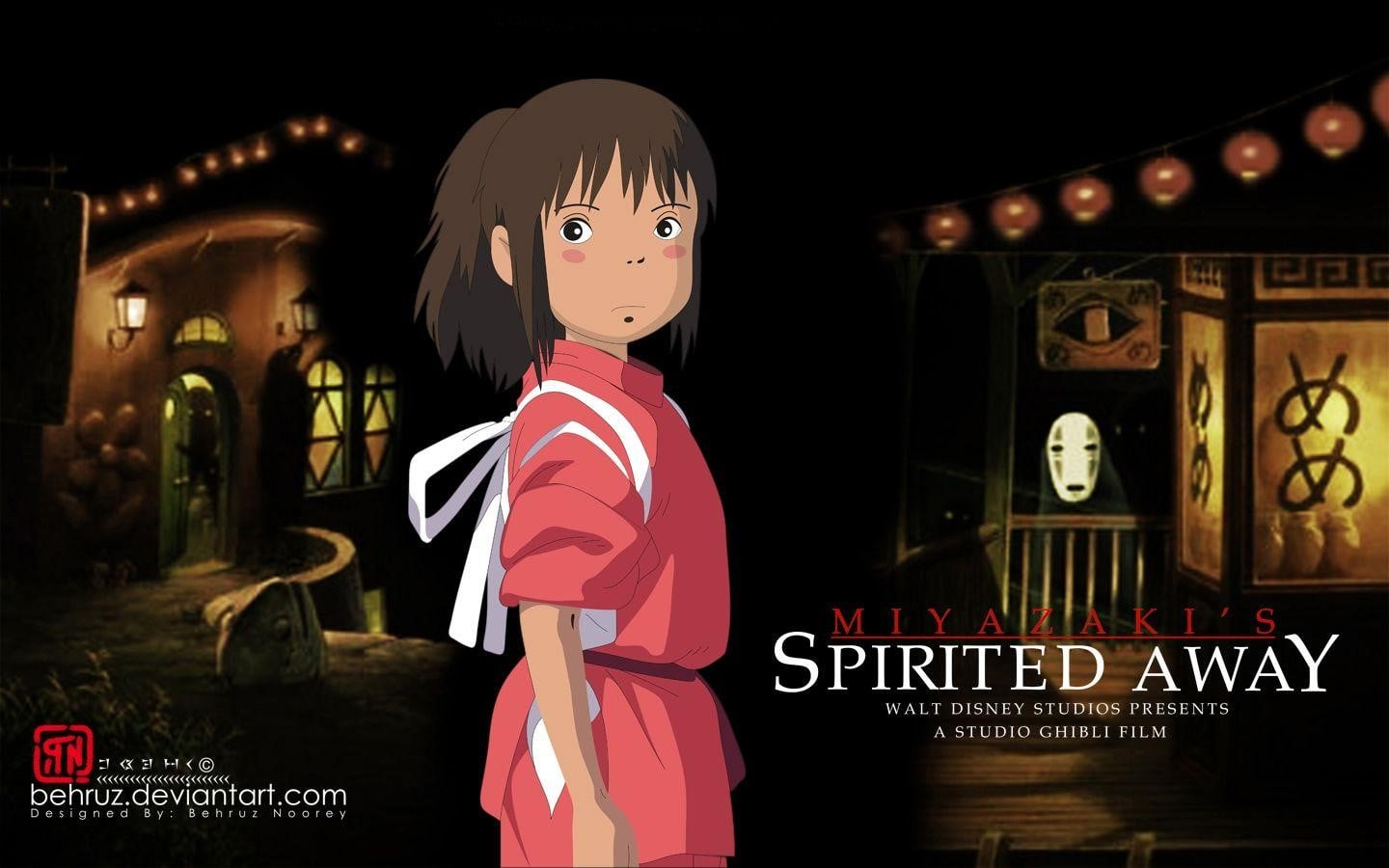
The 1980s is the golden age for Anime. During this time, the surge in creativity of Japanese artists and the economic boom of Japan prompted the explosion of new and diverse anime genres, with many iconic franchises emerging. In 1985, Hayao Miyazaki, Isao Tahata, and Toshio Suzuki founded Studio Ghibli seeking to breathe new life into the animation industry like the Saharan Wind, thus the name Studio Ghibli. Castle in the Sky in 1986 was their debut film, and it set the tone for a string of masterpieces like My Neighbor Totoro and Grave of the Fireflies in 1988. They basked in a streak of box office successes in the 1990s making them one of the most powerful companies in the animation industry. At the 2001 Academy Awards, their film Spirited Away received an Oscar for the best foreign-language picture. This paved the way for Anime to become widely-known outside of Japan.
The Digital Revolution and the Rise of Streaming Platforms
During the turn of the century, the rise and advancements of technology fundamentally changed how Anime was produced and consumed. Technological advances such as CGI (computer-generated imagery) allowed for a more sophisticated and visually stunning animation. Two of the most popular Anime that showcased the power of CGI were Final Fantasy: The Spirits Within in 2001 and Ghost in the Shell 2: Innocence in 2004.
With the rise of streaming platforms, the global reach of Anime expanded greatly. Streaming services like Crunchyroll and Netflix now offers an extensive library of Anime, which international audiences now have easier access to. It led to the increased exposure of Anime, and series like Death Note in 2006 and Attack on Titan in 2013 captivated the hearts of many Anime Fans across the globe.
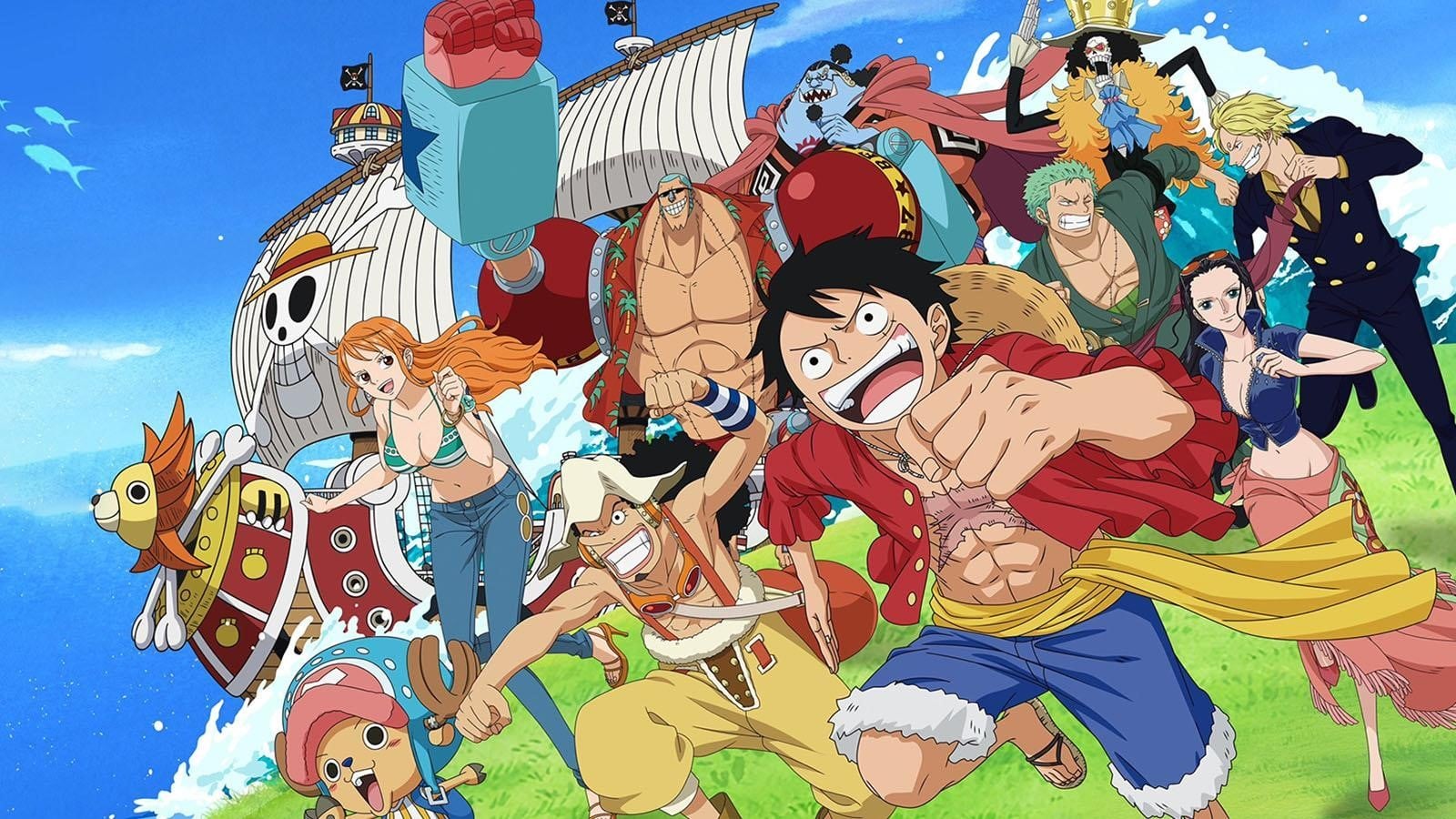
Even long-running Anime shows like One Piece, Naruto, Hunter X Hunter, and Dragon Ball Z are still quite popular up until this day. These anime shows played a crucial role in introducing Anime to viewers worldwide.
Diversity, Experimentation, Cultural Impact, and the Future of Anime
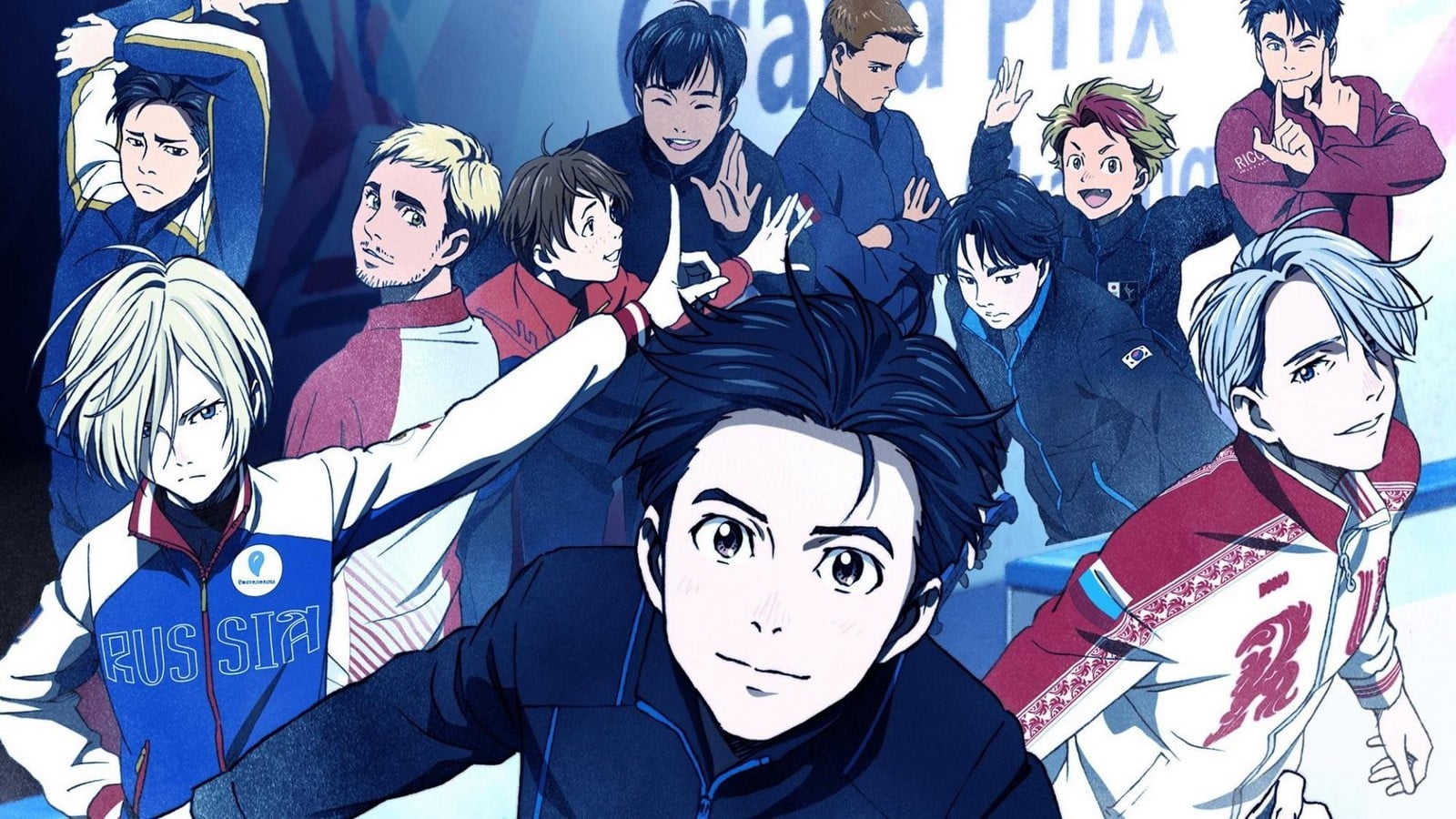
It is during the 2010s that the anime industry and its creators explored new genres, visual styles, and narrative structures. Shows like Yuri on Ice and My Hero Academia in 2016 challenged traditional gender roles and broke down barriers that emphasized the importance of inclusivity and representation.
Looking into the future, Anime continues and will continue to grow and evolve, driven by advances in technology, the global market, and the constant expansion of new and talented creators. As anime fans, we all look forward to the new heights anime will reach in the years to come.
References:
Anime Clips (2023) The evolution of anime throughout the decades and its impact on the global entertainment industry, Medium. [online]. Available at: https://medium.com/@animeavis770/the-evolution-of-anime-throughout-the-decades-and-its-impact-on-the-global-entertainment-industry-52ac50a3fb39 (Accessed: 16 July 2023).
DeGuzman, K. (2021) What is Anime — Origins, Evolution and Modern Examples, StudioBinder. [online]. Available at: https://www.studiobinder.com/blog/what-is-anime-definition-examples/ (Accessed: 14 July 2023).
Japan City Tour (2021) A Short History of Anime | Anime Guide, Japan City Tour. [online]. Available at: https://www.japancitytour.com/info/short-history-anime.html (Accessed: 13 July 2023).
John (2023) The Evolution of Anime: A Journey Through the Decades, Culture of Gaming. [online]. Available at: https://cultureofgaming.com/the-evolution-of-anime-a-journey-through-the-decades/ (Accessed: 13 July 2023).
King, S. (2018) Anime: The Impact, the History, and the Controversy, The Good Men Project. [online]. Available at: https://goodmenproject.com/arts/anime-the-impact-the-history-and-the-controversy/ (Accessed: 14 July 2023).
Milwood, K. (2022) How the Western world has adapted Japanese culture through Anime, Day Translations Blog. [online]. Available at: https://www.daytranslations.com/blog/how-the-western-world-has-adapted-japanese-culture-through-anime/#:~:text=The%20World%20of%20Japanese%20Anime&text=We%20have%20learned%20several%20life,compared%20to%20real%2Dlife%20scenarios (Accessed: 16 July 2023).
NFI Team (2023) What Is Anime? Everything You Need To Know, NFI. [online]. Available at: https://www.nfi.edu/what-is-anime/ (Accessed: 13 July 2023).
SOTHEYBY’S (2021) The Evolution of Japanese Animation, Sothebys.com. [online]. Available at: https://www.sothebys.com/en/articles/the-evolution-of-japanese-animation (Accessed: 14 July 2023).
Teh, K. (2023) The Evolution of Anime: A Look at Its Roots and Influence in Pop Culture, OffGamers Blog – Your Gaming Alliance. [online]. Available at: https://blog.offgamers.com/blog/the-evolution-of-anime-a-look-at-its-roots-and-influence-in-pop-culture/ (Accessed: 16 July 2023).
Yasuo, Y. (2013) The Evolution of the Japanese Anime Industry, nippon.com. [online]. Available at: https://www.nippon.com/en/features/h00043/ (Accessed: 14 July 2023).