The value of social connection and community involvement cannot be stressed in the fast-paced world we live in today when digital connection has become the standard. Deep relationships and a sense of belonging are universal human desires. The constructed environment that fosters interpersonal communication and community involvement is significantly shaped by architecture, which is both an art and a science.

By carefully planning and taking into account numerous elements, architects may build places that promote interpersonal connection, strengthen ties within communities, and improve people’s general well-being. With a focus on different design concepts and effective case studies, this article investigates how architecture may foster social connection and community participation.
How do Design Principles help Promoting Social Interaction?
Incorporating Open Spaces

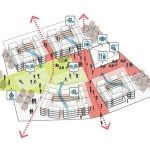
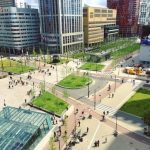
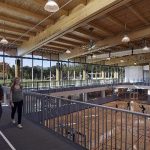
Through the creation of inviting, open spaces, architecture may foster social interaction. A feeling of community is promoted by including amenities in residential complexes including open plazas, public parks, and common spaces.
Connectivity is Key

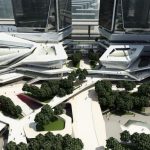
Designing urban areas with ease of circulation across spaces promotes social interaction. This, in turn, makes it simple to reach stores, cafes, and public areas, pedestrian-friendly streets, linked paths, and mixed-use complexes promote social interaction.
Ergonomics to the Rescue

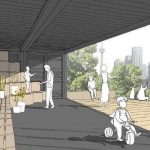
Considering human scale is key for social interaction. A welcoming atmosphere that promotes interaction may be created in areas with the right proportions, inviting aesthetics, and cozy seating arrangements.
Incorporation of Nature

Integrating nature into architectural design improves social interaction. Green spaces, gardens, and natural elements are not only visually appealing but also allow people to connect with nature and each other, which promotes a sense of well-being and community.
Engaging Community through Architecture
Cultural Institutions

Museums, libraries, and art galleries are examples of architectural landmarks that promote social interaction and communication. Such organizations bring people together and promote social cohesion by providing spaces for education, intercultural communication, and artistic expression.
Mixed-Use Developments

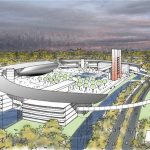
A feeling of community and social contact is encouraged through architectural designs that incorporate residential, commercial, and recreational spaces. Mixed-use complexes enable people to interact with neighborhood businesses, contributing to a thriving community.
Co-Design (Participatory Design)

Engaging community members in the design process empowers them to shape their built environment. Participatory design methods enable architecture to reflect the particular requirements, values, and goals of its users, resulting in a sense of ownership and participation.
Let’s explore some Successful Architecture projects Promoting Social Interaction…
-
High Line Park, New York City

The elevated linear park is an example of urban rehabilitation, reviving an abandoned railway. It has become a lively public place that appeals to both locals and visitors thanks to clever design. The park has been converted into a dynamic center of social activity by adding lush flora, welcoming lounging places, and stunning public art displays. It acts as a catalyst for community participation, building relationships among inhabitants and instilling pride in the community. This remarkable renovation has not only beautified the neighborhood but has also helped its economic growth by drawing tourists and improving the general appeal of the surrounding environment.
-
The Crystal, Copenhagen

The sustainable and multi-functional building serves as a magnificent community center, housing a variety of amenities. Its design emphasizes transparency, both physically and symbolically, enabling natural light to permeate the area while generating a sense of openness. As a result, the building acts as a meeting space for people to get together and communicate. This architectural masterpiece not only encourages physical activity and intellectual growth but also serves as a symbol of community pride, emphasizing the importance of sustainable architecture and its good influence on people’s lives.
-
Medellín’s Escalators, Colombia

The incorporation of public escalators into the undulating landscape of Medelln’s mountainous neighborhoods signaled a tremendous alteration in the lives of its residents. These enhancements, achieved in an act of architectural brilliance, went beyond basic practical benefits by knitting together the fabric of community living. By transcending the limitations imposed by steep slopes, they heralded a newfound accessibility and seamless connectivity that transcended physical barriers. These ascending paths of advancement created essential connections, allowing people to converge and communicate, building a sense of unity and harmony. These escalators’ movements resonated deeply with the emotions of the occupants, reinforcing the very core of their communal bonds.
-
The Cloud Gate (Bean), Chicago
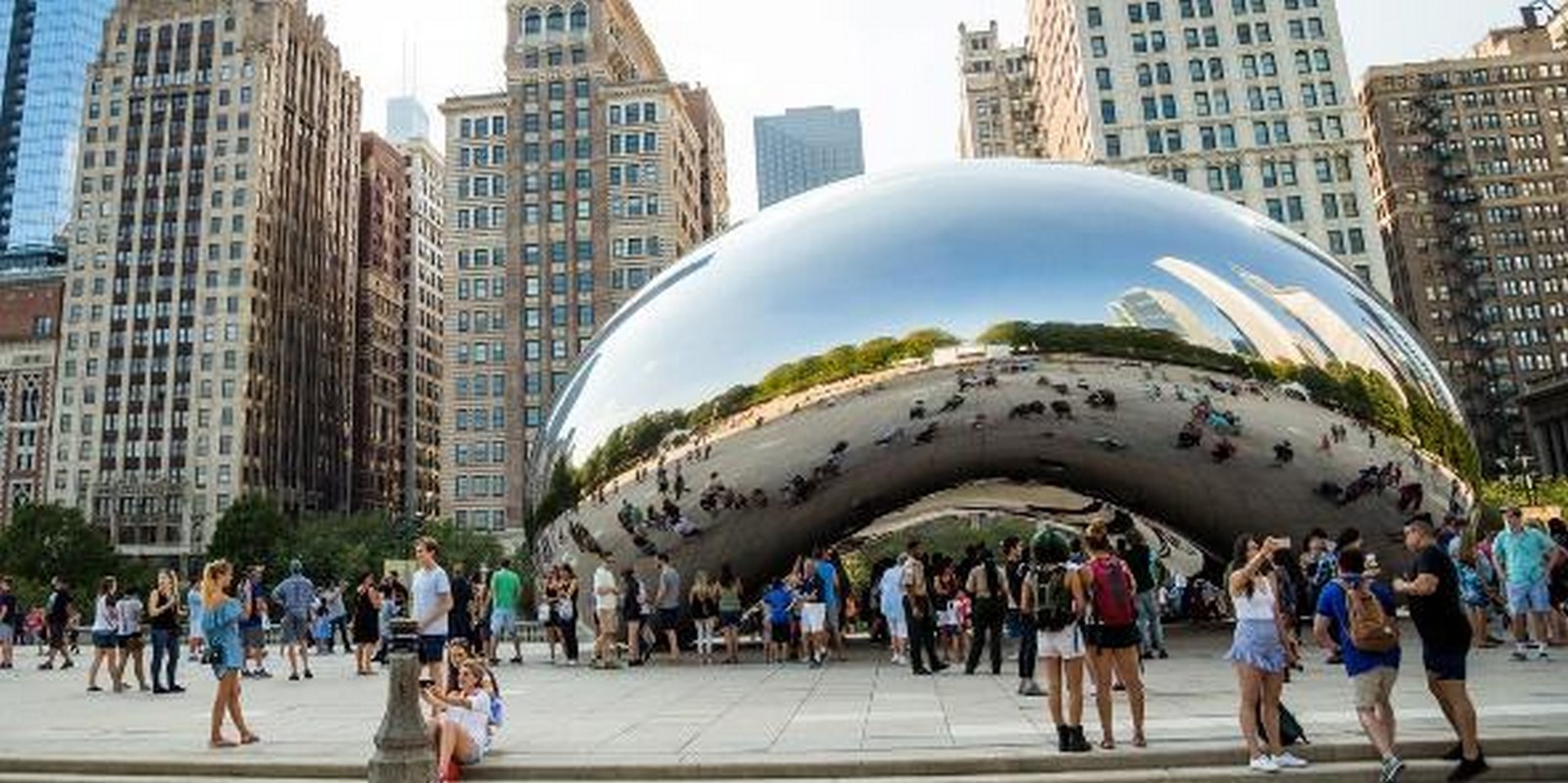
The renowned sculpture, which is located in Millennium Park, is a monument to the power of community interaction and artistic expression. Its compelling and unusual design acts as a magnet, attracting people from all backgrounds and experiences to congregate in its presence. The sculpture’s fascination stems not just from its visual appeal, but also from its function as a hub for social interaction and cultural immersion. As an emblem of artistic prowess, it inspires dialogue, encourages exploration, and ignites the collective imagination, forever etching itself as a cherished symbol of unity and shared experience.
Community Centric Architecture
Architecture plays a crucial role in shaping the built environment in a way that promotes social interaction and community engagement. By embracing design principles that foster inclusivity, walkability, and human-scale experiences, architects can create spaces that encourage social interaction. These initiatives empower individuals, build connections, and strengthen the fabric of communities.
As we navigate an increasingly digital and disconnected world, the importance of architecture in promoting social interaction and community engagement becomes even more significant. By prioritizing these aspects in architectural design, we can create spaces that inspire collaboration, cultural exchange, and a sense of belonging.
References:
Richardblambert (2020) Key elements of Walking Friendly Street Design, Natural Walking Cities –. Available at: https://naturalwalkingcities.com/key-elements-of-walking-friendly-street-design/ (Accessed: 16 July 2023).
Novakovic, S. (2019) Park People Opens Public Space Incubator applications for 2019, Canadian Architect. Available at: https://www.canadianarchitect.com/park-people-opens-public-space-incubator-applications-for-2019/ (Accessed: 16 July 2023).
Mowrey, H. (2022) The architecture of Community: How Participatory Design Builds Connection, Think Wood. Available at: https://www.thinkwood.com/blog/the-architecture-of-community-how-participatory-design-builds-connection (Accessed: 17 July 2023).
Davis, A. (2019) The Crystal, Copenhagen, Denmark, Perkins&Will. Available at: https://perkinswill.com/project/the-crystal-copenhagen-denmark/ (Accessed: 17 July 2023).
O’Connor, K. (2023) The Bean (Cloud Gate) in Chicago, Choose Chicago. Available at: https://www.choosechicago.com/articles/tours-and-attractions/the-bean-chicago/ (Accessed: 17 July 2023).
Story of cities #42: Medellín Escapes Grip of drug lord to embrace Radical Urbanism (2016) The Guardian. Available at: https://www.theguardian.com/cities/2016/may/13/story-cities-pablo-escobar-inclusive-urbanism-medellin-colombia (Accessed: 17 July 2023).