Introduction:
Coastal attractions have attracted visitors interested in sandy beaches, ecotourism getaways, or luxury waterfront homes as a perfect setting for a dream home in stunning picturesque locales. However, adverse occurrences resulting from climate change pose risks particularly vulnerable along the coastlines today more than ever before, raises concerns about their safety and sustainability altogether given their fragility accounts concerning habitat losses, etcetera, also threatening key structures comprising infrastructure throughout regions susceptible to floods or erosion perilously enough damage potential predicted is disturbing science analysts.
Understanding Rising Sea Levels:
The principal reasons for increasing sea levels are melting land-based ice and the thermal expansion of seawater due to global warming. This has resulted in a continuous rise in sea levels over the last century, posing a severe danger to coastal towns globally. Future forecasts indicate that this tendency will continue, accelerating over the next few decades and posing enormous problems for coastal architecture and infrastructure.

Furthermore, rising sea levels have global repercussions that go beyond coastal locations. Such effects include human displacement, environmental harm, infrastructure devastation, and economic losses. As sea levels rise, low-lying settlements and river deltas are particularly vulnerable to floods and saltwater intrusion. Reduced greenhouse gas emissions are critical for mitigating these consequences on coastal communities and the global economy.
Coastal Architecture:
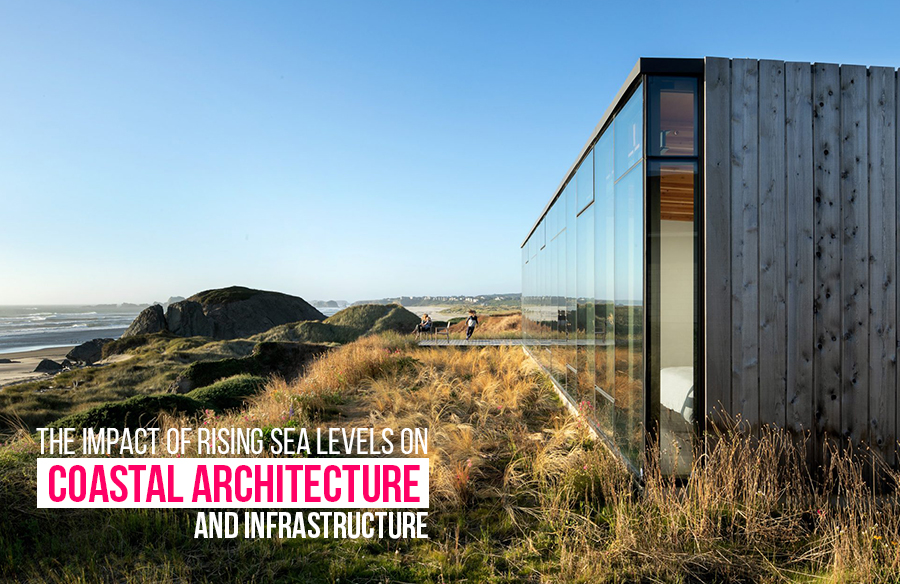
As sea levels rise, coastal architecture faces new obstacles. Traditional construction techniques may fail to withstand the storm surge, floods, and erosion that it brings. Architects and engineers are increasingly looking for innovative ways to resist such impacts. Experts have created resilience-building solutions such as elevated foundations, flood-resistant materials, and adaptable buildings to address this challenge.

Rising sea levels pose an urgent threat to the coastline, putting key infrastructure like roads, bridges, and sewage systems in danger. Flooding and erosion may cause enormous harm, both monetarily and in everyday living. As a result, coastal towns are implementing stringent adaptation strategies like building strong sea barriers, installing advanced drainage systems, and transferring important infrastructure to higher land. Even though these strategies impose a significant financial burden on the communities involved, they remain important to preserving a robust long-term resilience to climate change.
Infrastructure
Roadways, structures such as ports and bridges, and utilities are critical components of coastal life and business. However, increasing sea levels pose a severe threat to these systems. Saltwater intrusion into freshwater sources can enhance vulnerability during storm surges, while coastal erosion exacerbates these threats. Improvement in strong infrastructure is necessary to ensure the protection of coastal populations. Individuals may help to reduce risks and ensure the survival of these areas by including green solutions and early warning systems in their plans.
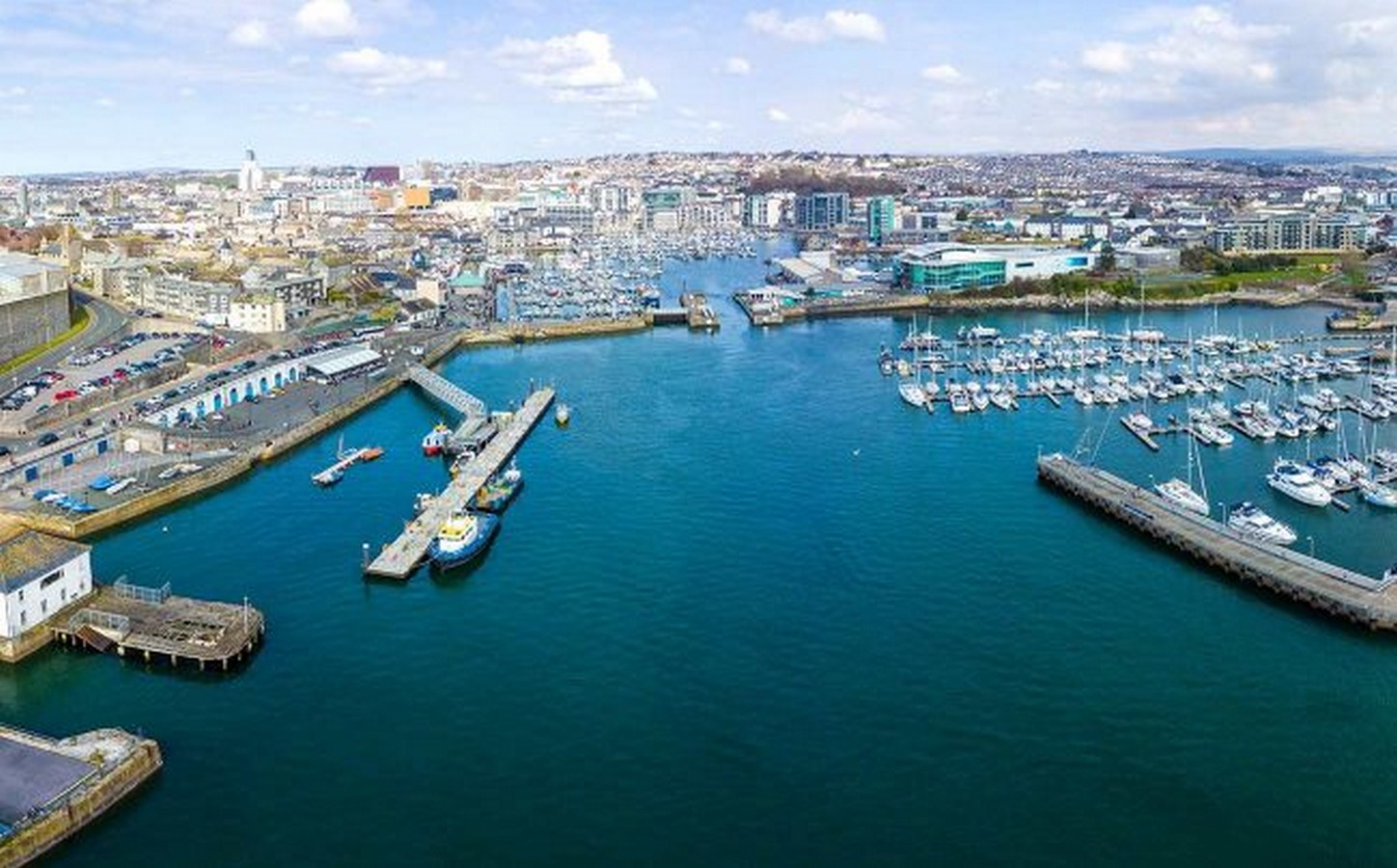
Coastal communities rely on the abundance of the sea for everything from fishing to tourism and infrastructure. However, increasing sea levels pose a substantial risk to these businesses, resulting in huge financial losses and employment displacement. That is why coastal towns have shifted their attention to sustainable practices; they want to protect jobs while also protecting the environment by encouraging wiser fishing methods, preserving beaches and marine ecosystems, and encouraging responsible tourism. Coastal communities must be proactive in combining economic growth with environmental sustainability if they want to preserve the long-term survival of their local industry in the face of increasing sea levels.
The Role of Planning and Policy:
Governments and urban planners must proactively mitigate the effects of rising sea levels on coastal architecture and infrastructure. Updating development limitations, zoning laws, and land-use plans to reflect changing climatic conditions is required. It is feasible to boost resilience while protecting coastal zones by employing nature-based solutions and supporting green infrastructure and smart development.
Building resilience in coastal regions needs community involvement as well as public education. Residents and businesses must be informed about the hazards posed by rising sea levels and the efforts being made to mitigate them. Encouragement of personal efforts to reduce one’s carbon footprint and contribute to the development of adoption techniques is also required. Collaboration among politicians, planners, and citizens is critical to ensuring that coastal communities remain vibrant and powerful in the face of climate change.
Nature-Based Solutions:
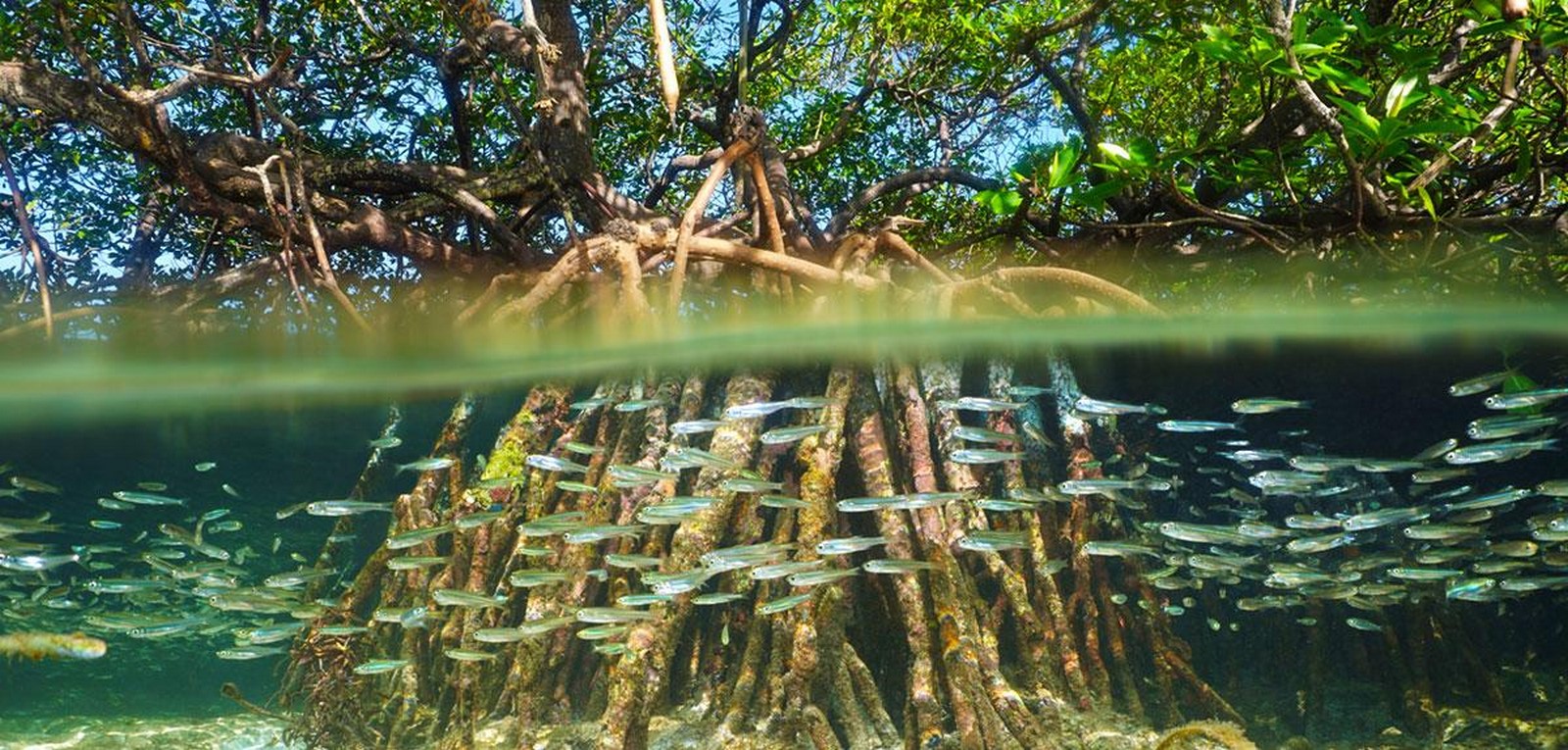
Using natural methods can improve the efficiency of minimising the effects of rising sea levels. Wetlands and coastal marshes can act as natural storm surge energy buffers by absorbing and diffusing them. Repairing dunes and beaches can help to stabilise coastal areas and reduce erosion. Mangrove restoration along coasts serves as a natural barrier and supports a variety of habitats. By increasing resilience, these strategies provide additional advantages such as improved water quality and increased biodiversity.
Many coastal cities are turning to nature-based remedies to offset the consequences of increasing sea levels. One strategy is to build oyster reefs. Breaking up waves and restricting their intensity can help to lessen storm surges. In addition to filtering contaminants, they can offer a habitat for other aquatic organisms and improve water quality. Another natural option is seagrass bed restoration. Because of its capacity to absorb wave and current energy, seagrass acts as a natural barrier that stabilises silt. The existence of fish and other marine creatures that use them as habitats can help local fishing activities. Coastal towns may create resilience and adapt to increasing sea levels by leveraging nature’s strength.
Innovative Technologies:
To develop solid coastal architecture and infrastructure, technological improvements are essential. One may visually explore and analyse the likely implications of increasing sea levels by utilising 3D modelling and simulation tools. It might be utilised to build flood-resistant infrastructure. Green construction technologies, including energy-efficient designs and the use of renewable energies, are critical in minimising the carbon footprint of coastal development and ensuring its long-term viability.

Sensors and monitoring systems, which are technical developments, can safeguard coastal infrastructure from the effects of increasing sea levels. These systems can provide real-time weather, water level, and other environmental information, allowing for early identification and reaction to possible problems. Furthermore, using remote sensing technologies such as satellite images or LiDAR, it is feasible to obtain reliable information on coastal erosion and other variations that might help adaptation strategies through educated decision-making. Through technological breakthroughs, coastal communities may build resilience and adapt to the difficulties of increasing sea levels.
Collaboration and Community Engagement:
To successfully solve the difficulties caused by increasing sea levels, numerous stakeholders, including government agencies, community organisations, architects, engineers, and residents, must work together. The engagement of residents in decision-making processes is critical to the effectiveness of decision-making processes, as is raising awareness of the effects of climate change. Collaboration among stakeholders fosters mutual understanding and a coordinated drive to address this global dilemma.

Ensuring that impoverished persons are not excluded from the adoption process is also vital. Rising sea levels disproportionately affect low-income and minority areas, limiting their access to services and information. Prioritising equity and social justice in adaptation planning is critical to ensure all community members participate in decision-making. By working together and campaigning for justice, coastal communities can create resilience that benefits everybody and ensures a sustainable future for future generations.
Conclusion
We must address the consequences of rising sea levels for coastal buildings and facilities as soon as possible. Coastal communities must modify their designs, building practices, and infrastructure to adapt to changing climatic circumstances. We can build resilient coastal architecture and infrastructure by using creative techniques, relying on natural solutions, and encouraging cooperation. By sustaining sustainable practices, they ensure that the well-being of coastal communities is protected for future generations.
By embracing innovative technology, nature-based solutions, and collaborative methods, we can build strong coastal architecture and infrastructure that can survive the consequences of climate change—prioritizing fairness and social justice while keeping the poor in mind. With constant work and dedication to sustainability, a future where coastal towns can resist shifting climatic conditions is achievable.
References
- Designing sustainable coastal infrastructure as sea levels rise (2022) HDR. Available at: https://www.hdrinc.com/news-and-events/news/2022/designing-sustainable-coastal-infrastructure-sea-levels-rise (Accessed: 18 June 2023).
- Sustainable Coastal Infrastructure (no date) Solving complex, real-world problems. Available at: https://www.bmt.org/how-we-work-with-you/maritime-design-consultancy/sustainable-coastal-infrastructure/ (Accessed: 18 June 2023).
- Seaside architecture and Design (no date) Dezeen. Available at: https://www.dezeen.com/tag/seaside/ (Accessed: 18 June 2023).
- (No date) Ten principles for coastal development – urban land institute. Available at: https://uli.org/wp-content/uploads/ULI-Documents/Ten-Principles-for-Coastal-Development.pdf (Accessed: 18 June 2023).