Asphalt shingles are one of the most widely used roofing materials for residential properties. They offer a practical combination of affordability, durability, weather protection, and design flexibility. However, like any roofing material, asphalt shingles can deteriorate over time due to exposure to sunlight, heavy rain, strong winds, and changing temperatures. Even minor damage can eventually lead to roof leaks, moisture problems, and costly structural repairs if left unaddressed.
Understanding when your roof needs attention can help you protect your home and avoid unnecessary expenses. Whether you have noticed missing shingles after a storm or dark water stains on your ceiling, timely asphalt shingle repair can help restore your roof’s ability to protect your property.
Why Asphalt Shingle Roofs Need Regular Attention
Although asphalt shingles are designed to withstand different weather conditions, they are not immune to wear and tear. Over time, exposure to ultraviolet rays, temperature fluctuations, moisture, and wind can weaken shingles and affect their protective properties.
Shingles may become brittle, lose their protective granules, curl at the edges, or develop cracks. Once the roofing surface becomes compromised, water can find its way beneath the shingles and damage the underlying roofing materials.
Regular roof inspections help identify these issues before they become more serious. Addressing minor damage early can extend your roof’s service life and reduce the risk of expensive repairs.
5 Common Asphalt Shingle Problems That Require Repair
Recognizing common roofing problems makes it easier to understand when professional assistance may be necessary.
1. Missing or Loose Shingles
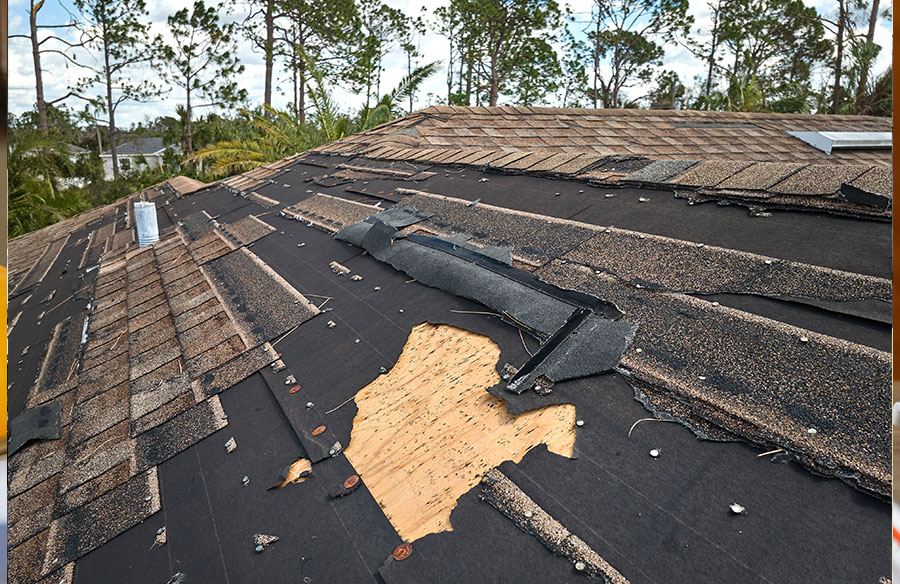
Strong winds and severe storms can lift or completely remove asphalt shingles. When shingles become loose or disappear, the exposed areas may allow rainwater to reach the underlayment and roof decking.
Missing shingles should be addressed promptly, even if there are no visible leaks inside your home. A roofing professional can inspect the affected section, evaluate surrounding shingles, and install suitable replacements.
2. Cracked or Curling Shingles
Asphalt shingles can become brittle as they age. Prolonged sun exposure, temperature changes, and natural deterioration may cause them to crack, split, or curl along their edges.
Curling shingles are particularly vulnerable to wind damage because their raised edges can catch strong gusts. Cracked shingles can also create openings that allow moisture to penetrate the roofing system.
Replacing damaged shingles early helps prevent further deterioration and protects the roof beneath them.
3. Granule Loss
Asphalt shingles contain protective granules that help shield the underlying material from ultraviolet exposure and weather damage.
Over time, these granules may loosen and accumulate in gutters or at the bottom of downspouts. While some granule loss is normal, excessive shedding can indicate that the shingles are deteriorating.
If you notice large amounts of granules around your property or bald patches on your roof, consider scheduling a professional inspection.
4. Roof Leaks and Water Damage
A damaged shingle may allow water to enter the roofing system, especially during prolonged rainfall. Leaks can also develop around flashing, valleys, vents, and other roof penetrations.
Common signs of water intrusion include ceiling stains, peeling paint, damp insulation, musty odors, and visible moisture in the attic.
Finding the actual source of a leak is important because water can travel along roof decking and other structural components before becoming visible inside the home.
5. Algae and Moss Growth
Moisture and limited sunlight can encourage algae and moss growth on asphalt shingles. Dark streaks caused by algae can affect the roof’s appearance, while excessive moss can retain moisture and potentially lift shingles as it grows.
Proper roof maintenance and appropriate cleaning methods can help manage organic growth without damaging the shingles.
Avoid pressure washing asphalt shingles, as excessive water pressure can remove protective granules and shorten their service life.
Warning Signs Your Asphalt Shingle Roof Needs Attention
Roofing problems are not always easy to identify from the ground. However, certain warning signs may indicate that your roof needs professional attention.
Look for the following:
- Missing, cracked, or visibly damaged shingles.
- Shingle edges that appear curled or lifted.
- Excessive granules collecting in gutters.
- Water stains or discoloration on ceilings.
- Moisture or damp insulation in the attic.
- Dark streaks or moss growth across roofing surfaces.
- Visible damage following strong winds or severe storms.
If you notice any of these issues, arranging a professional roof inspection can help determine the extent of the damage and identify the appropriate repair solution.
What Does Professional Asphalt Shingle Repair Involve?
Effective roof repairs require more than simply covering visible damage. A qualified roofing contractor should evaluate the surrounding roofing materials and identify the underlying cause of the problem.
Depending on the condition of your roof, professional repairs may include several services.
Shingle Replacement: Damaged or missing shingles are removed and replaced with compatible materials to restore the affected roofing section.
Flashing Repairs: Damaged flashing around chimneys, vents, skylights, and roof intersections is repaired or replaced to prevent water infiltration.
Roof Leak Detection: Contractors inspect the roof and attic to identify the source of moisture and determine how far the damage may have spread.
Roof Decking Inspection: If water has penetrated beneath the shingles, the underlying decking may need to be evaluated for deterioration or structural damage.
Ventilation Improvements: Inadequate attic ventilation can contribute to excessive heat and moisture buildup. Addressing ventilation problems may help protect roofing materials and improve overall roof performance.
Choosing the correct repair method helps ensure that the roofing system continues to provide reliable protection.
How Weather Conditions Affect Asphalt Shingles
Weather exposure is one of the biggest factors influencing the condition and lifespan of asphalt roofing.
During hot weather, prolonged ultraviolet exposure can accelerate shingle aging and contribute to material deterioration. Temperature fluctuations can also cause roofing materials to expand and contract.
Heavy rainfall can expose weaknesses around damaged shingles, flashing, and roof valleys. Strong winds may lift shingle edges or remove improperly secured materials.
Snow and ice can create additional challenges during winter. Ice dams may form along roof edges when melting snow refreezes, potentially allowing water to back up beneath shingles.
Because weather conditions can change throughout the year, seasonal roof inspections are a practical way to identify damage and prepare your roofing system for upcoming conditions.
Preventative Maintenance Tips for Asphalt Shingle Roofs
Regular maintenance can help preserve your roof’s condition and reduce the likelihood of unexpected repairs.
Consider these practical steps:
- Inspect Your Roof Periodically: Look for missing shingles, visible cracks, and signs of deterioration.
- Clean Gutters: Remove leaves and debris to maintain proper drainage and prevent water accumulation.
- Trim Overhanging Branches: Keep tree limbs away from roofing surfaces to reduce the risk of impact damage.
- Check Attic Conditions: Look for moisture, water stains, and signs of poor ventilation.
- Address Small Problems Early: Have damaged shingles and flashing repaired before water intrusion becomes more extensive.
- Schedule Professional Inspections: Have a qualified roofing contractor evaluate your roof, especially after severe weather.
Avoid walking directly on asphalt shingles whenever possible, as unnecessary foot traffic can damage the roofing surface.
Should You Repair or Replace Your Asphalt Shingle Roof?
Not every roofing problem requires a complete replacement. The right decision depends on the roof’s age, overall condition, and extent of damage.
If only a small section has missing or damaged shingles, localized repairs may be enough to restore protection.
However, widespread granule loss, recurring leaks, extensive cracking, and deterioration across multiple roofing sections may indicate that replacement is a more practical long-term investment.
A professional inspection can help determine whether repairs will provide a dependable solution or whether the roof has reached the point where replacement should be considered.
Protect Your Home With Timely Asphalt Shingle Repairs
Your roof is one of the most important components of your home’s exterior protection. Even a small roofing problem can eventually lead to water damage, insulation issues, and expensive structural repairs if ignored.
By recognizing early warning signs, maintaining your gutters, and scheduling regular inspections, you can help extend the life of your asphalt shingle roof.
Whether you are dealing with missing shingles, storm damage, roof leaks, or general deterioration, professional asphalt shingle roof repair services can help restore your roofing system and protect your home. Taking care of minor problems today can prevent more complicated roofing issues tomorrow.