Water damage can happen unexpectedly and affect almost every part of a property. A burst pipe, leaking appliance, overflowing sink, roof leak, or severe storm can leave floors, walls, ceilings, and personal belongings exposed to moisture. Even when standing water is removed, hidden moisture can remain inside building materials and create additional problems if it is not addressed properly.
Water damage restoration is about more than cleaning up visible water. It involves identifying the source, removing excess moisture, drying affected areas, cleaning damaged materials, and restoring the property to a safe and usable condition. Acting quickly can help limit structural damage and reduce the risk of mold growth.
Common Causes of Water Damage
Water damage can develop from several sources. Identifying where the water came from is an important first step in determining the appropriate cleanup and restoration process.
1. Burst or Leaking Pipes
Plumbing problems are a common cause of indoor water damage. Pipes can leak because of corrosion, damaged connections, excessive pressure, or aging materials. A small leak may go unnoticed until moisture begins appearing on walls, ceilings, or flooring.
A burst pipe can release a significant amount of water in a short period, affecting multiple rooms and potentially damaging insulation, drywall, and flooring.
2. Appliance Leaks
Washing machines, dishwashers, refrigerators, and water heaters can all cause water damage when hoses, connections, or internal components fail. Even a slow leak behind an appliance can affect cabinets, flooring, and nearby walls.
Regularly checking appliance connections and addressing unusual moisture can help prevent larger problems.
3. Roof Leaks and Storm Damage
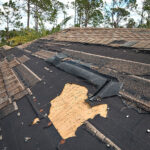
Heavy rainfall, damaged shingles, clogged gutters, and compromised flashing can allow water to enter through the roof. Once inside, moisture may spread through attic insulation, ceilings, and wall cavities.
Roof leaks should be addressed at their source before interior restoration is considered complete.
4. Overflowing Fixtures and Drains
An overflowing bathtub, sink, toilet, or blocked drain can spread water across floors and into surrounding rooms. Depending on the source, the water may contain contaminants that require specialized cleaning and protective procedures.
Sewage backups and contaminated floodwater should never be treated like ordinary clean-water spills.
5. Flooding and Groundwater Intrusion
Flooding can introduce large amounts of water into homes and commercial buildings. Water may enter through doors, windows, foundations, basements, and other vulnerable areas. Floodwater can also carry dirt, chemicals, sewage, and other contaminants.
Professional assessment is especially important when a property has been exposed to potentially contaminated water.
Signs Your Property May Have Water Damage
Not all water damage is immediately visible. Moisture can travel behind walls, beneath flooring, and into enclosed spaces before obvious signs appear.
Look for these common warning signs:
- Water stains: Brown or yellow discoloration on ceilings and walls may indicate a leak.
- Peeling paint or wallpaper: Moisture can weaken the bond between finishes and underlying surfaces.
- Warped flooring: Wood, laminate, and other materials may swell, buckle, or become uneven.
- Musty odors: Persistent damp smells can indicate moisture or possible mold growth.
- Soft drywall: Walls that feel swollen or weak may have absorbed water.
- Visible mold: Discoloration or growth on damp surfaces may indicate a moisture problem.
- Unexplained dampness: Wet carpets, baseboards, or areas near plumbing may point to hidden leaks.
If these signs appear, identifying the source of moisture is essential. Cleaning the visible area without addressing the underlying problem can allow damage to continue.
The Water Damage Restoration Process
A thorough restoration process addresses both visible damage and moisture that may be hidden inside the property. The exact approach depends on the amount of water, the affected materials, and whether the water is contaminated.
1. Inspection and Damage Assessment
The first step is evaluating the affected areas and identifying the source of the water. Restoration professionals inspect floors, walls, ceilings, cabinets, and other materials to determine how far the moisture has spread.
Moisture meters and other inspection equipment can help identify damp areas that are not obvious during a visual assessment.
2. Water Extraction
Standing water must be removed before effective drying can begin. Depending on the situation, technicians may use specialized extraction equipment and wet vacuums to remove water from floors, carpets, and other affected surfaces.
Prompt extraction helps limit the amount of time building materials remain saturated.
3. Drying and Dehumidification
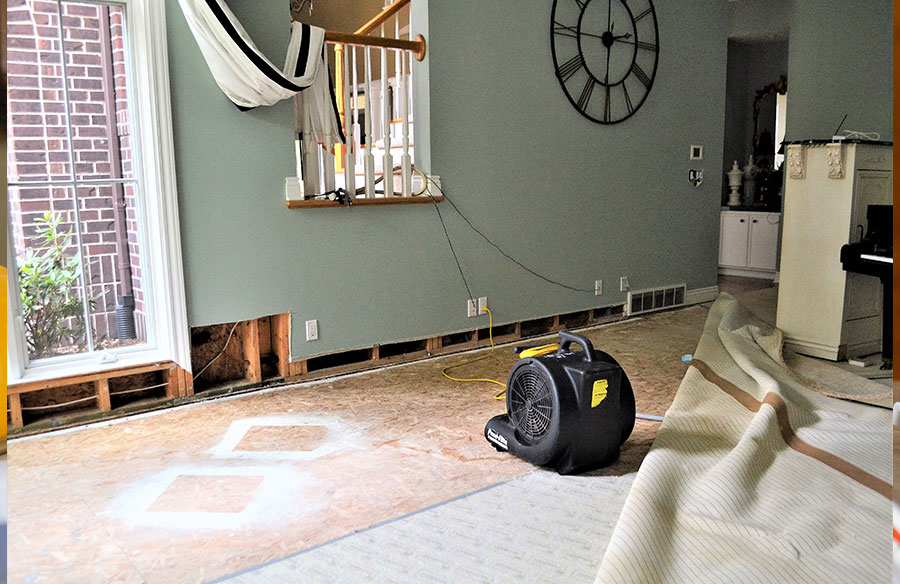
After water removal, the affected areas need to be dried thoroughly. Commercial air movers and dehumidifiers help circulate air and remove moisture from the environment.
Drying should include more than visible surfaces. Subfloors, wall cavities, insulation, and other concealed areas may also need attention.
The U.S. Environmental Protection Agency (EPA) recommends drying wet or damp materials within 24 to 48 hours when possible to help prevent mold growth. However, the appropriate drying and removal methods depend on the materials and the type of water involved. EPA mold and moisture guidance.
4. Cleaning and Sanitizing
Water damage can leave behind dirt, debris, and contaminants. Cleaning requirements depend on the water source and the materials affected.
Clean-water damage may require appropriate surface cleaning, while sewage or contaminated floodwater requires more protective procedures and specialized remediation. Porous materials that cannot be safely cleaned and dried may need to be removed.
5. Mold Inspection and Remediation
When moisture remains for too long, mold can develop on building materials and belongings. It may appear on visible surfaces or remain hidden behind drywall, beneath flooring, and inside cabinets.
If mold is present, the moisture source must be corrected and the affected areas properly addressed. Simply painting over mold or covering a damp surface does not resolve the underlying problem.
6. Repairs and Restoration
Once the property has been cleaned and dried, damaged materials can be repaired or replaced as necessary. This may include installing drywall, replacing flooring, repairing baseboards, repainting walls, and restoring affected rooms.
The goal is to return the property to a functional condition while making sure unresolved moisture problems do not remain.
Why Professional Water Damage Restoration Matters
Water can spread quickly through porous materials and concealed spaces. Professional restoration services use specialized equipment and established procedures to address damage more thoroughly than surface-level cleanup alone.
Key benefits include:
- Faster water removal: Professional extraction equipment can remove substantial amounts of standing water.
- More thorough drying: Commercial air movers and dehumidifiers help address moisture in affected materials and indoor air.
- Hidden moisture detection: Inspection tools help locate damp areas that may otherwise be overlooked.
- Reduced mold risk: Prompt drying and appropriate remediation help limit conditions that support mold growth.
- Proper material assessment: Professionals can determine which materials may be cleaned and dried and which may need replacement.
- Coordinated restoration: A structured process helps organize cleanup, drying, repairs, and final inspections.
Steps to Take Immediately After Water Damage
Your actions immediately after discovering water damage can make a difference in how much damage occurs.
- Stop the water source if safe: Shut off the appropriate water supply when a plumbing leak is responsible.
- Avoid electrical hazards: Do not enter standing water if electrical outlets, appliances, or wiring may be affected. Contact qualified professionals when electrical safety is uncertain.
- Document the damage: Take photographs and videos of affected areas and belongings for insurance records, provided it is safe to do so.
- Protect valuable belongings: Move unaffected items away from wet areas when possible.
- Avoid contaminated water: Do not attempt to clean sewage or potentially hazardous floodwater without appropriate protection and expertise.
- Arrange a professional assessment: Prompt inspection can help identify hidden moisture and determine the necessary restoration steps.
Preventing Future Water Damage
Although not every water emergency can be avoided, regular maintenance can reduce the likelihood of many common problems.
- Inspect visible plumbing connections and hoses for leaks.
- Replace worn appliance supply lines when necessary.
- Check roofing materials and flashing for signs of deterioration.
- Keep gutters and downspouts clear of debris.
- Monitor water heaters and other appliances for signs of leakage.
- Address dripping faucets and plumbing problems promptly.
- Make sure drainage directs water away from the building foundation.
- Consider installing water leak detection devices in vulnerable areas.
Routine inspections and timely maintenance can help catch small problems before they become expensive restoration projects.
Restore Your Property With the Right Approach
Water damage can disrupt daily routines, damage valuable belongings, and create problems that continue long after the visible water disappears. A successful restoration process requires prompt water removal, thorough drying, appropriate cleaning, and repairs based on the condition of the affected materials.
Professional Water Damage Restoration Services can help property owners address the source of the damage, identify hidden moisture, and restore affected areas. Whether the problem comes from a plumbing leak, appliance failure, roof damage, or flooding, taking action early is one of the most important steps toward protecting your property.
If you notice water stains, damp flooring, musty odors, or standing water, arrange an assessment rather than waiting for the damage to become more severe. A careful inspection and appropriate restoration plan can help return your property to a clean, dry, and functional condition.