A backyard should feel like an extension of your home, offering somewhere to relax, entertain friends, or enjoy a peaceful afternoon. However, creating that atmosphere can be difficult when neighbouring windows overlook your garden or nearby activity makes the space feel exposed.
Building a traditional privacy fence might seem like the obvious solution, but it is not always practical. Fences can be expensive, require planning approval, or make smaller gardens feel unnecessarily enclosed.
Fortunately, there are several creative ways to introduce privacy without constructing permanent boundaries. Carefully positioned plants, outdoor furniture, decorative screens, and thoughtful landscaping can all help create a more secluded environment.
The key is understanding where privacy matters most and choosing solutions that complement your garden’s existing character. With a few practical improvements, an overlooked backyard can become a comfortable retreat that feels both personal and welcoming.
Create a Secluded Corner for Relaxation and Self-Care
Rather than attempting to screen the entire backyard, start by identifying the areas where privacy would make the greatest difference. A comfortable seating corner, outdoor reading area, or personal wellness space may benefit from additional separation.
Creating a dedicated retreat can make outdoor relaxation feel more intentional. Comfortable loungers, soft cushions, and natural materials help establish an inviting atmosphere without requiring major landscaping work.
For homeowners who enjoy beauty and self-care routines, resources from PLA Pro can provide useful information about choosing between hard and soft waxing treatments. A private backyard corner can then offer a peaceful setting for relaxing after an indoor beauty routine.
Positioning this area near existing shrubs, garden walls, or mature trees can provide natural screening.
The result is a defined personal space that feels protected without separating it completely from the surrounding garden.
Use Tall Plants to Create Natural Privacy
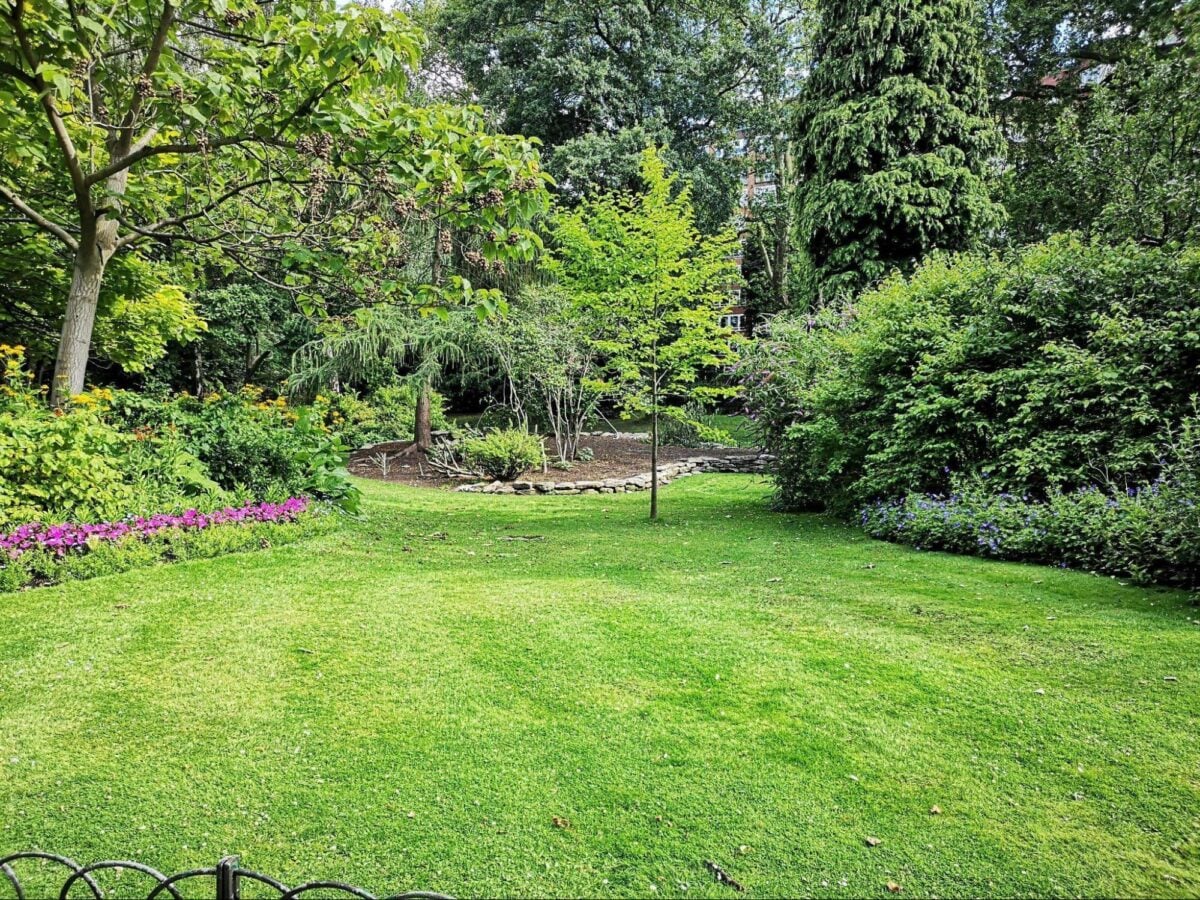
Plants are among the most attractive alternatives to traditional fencing because they provide screening while introducing greenery, texture, and seasonal interest.
Tall ornamental grasses can soften exposed boundaries without creating a heavy visual barrier. Bamboo may also provide screening, although selecting suitable non-invasive varieties is important because certain species spread aggressively.
Evergreen shrubs are useful for homeowners seeking privacy throughout the year. Their dense foliage maintains coverage even when deciduous plants lose their leaves.
Layering vegetation at different heights creates a more natural appearance than planting a single uninterrupted row.
For example, taller shrubs can provide background screening, while flowering plants and smaller grasses soften the foreground.
Before selecting plants, consider sunlight, soil conditions, available space, and maintenance requirements.
Fast-growing varieties may provide quicker results, but they can also require frequent pruning.
Choosing plants suited to the local climate helps create a manageable privacy solution that becomes more attractive as the garden matures.
Add Decorative Screens Without Building Permanent Boundaries
 Decorative screens provide an effective way to introduce privacy where plants are impractical or would take too long to establish.
Freestanding wooden panels, metal screens, and outdoor fabric partitions can help shield seating areas from neighbouring properties.
Unlike traditional fences, these features can be positioned around specific activities rather than enclosing the entire garden.
Slatted wooden screens are particularly versatile because they provide partial separation while allowing light and airflow to pass through.
Decorative metal panels can introduce interesting patterns and shadows, making them suitable for contemporary outdoor spaces.
For smaller patios, lightweight folding screens provide flexibility and can be repositioned when necessary.
Climbing plants can also be trained around suitable structures to soften their appearance.
Whatever material you choose, ensure screens are securely installed and appropriate for local wind conditions.
Thoughtful placement allows these features to improve privacy while functioning as attractive elements of the overall garden design.
Rearrange Outdoor Furniture to Reduce Unwanted Views
Sometimes, improving privacy requires little more than changing how outdoor furniture is positioned.
A patio table placed directly beneath a neighbour’s window may feel exposed, while moving it towards a sheltered corner can create a noticeably more comfortable atmosphere.
Observe the backyard from different positions before rearranging furniture. Identify which areas are visible from neighbouring properties and where existing landscaping already provides protection.
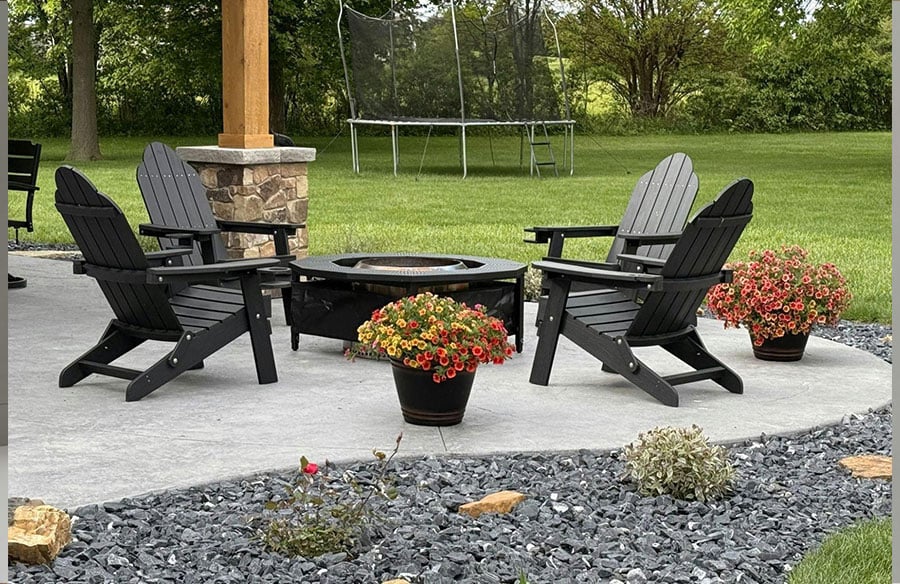
Positioning seating against a solid wall, garden structure, or group of mature plants can make the space feel more enclosed.
Outdoor sofas with higher backs may also provide subtle screening when arranged thoughtfully.
Large planters positioned behind furniture can introduce additional separation without requiring permanent installations.
Consider how sunlight moves across the garden as well. A location that feels comfortable in the morning may become excessively exposed during the afternoon.
The objective is to create a natural seating arrangement that encourages relaxation while reducing unnecessary visibility.
Use Pergolas and Shade Structures for Overhead Privacy
Privacy concerns do not always come from neighbouring gardens. Upper-floor windows and surrounding balconies can overlook outdoor spaces even when ground-level screening is effective.
Pergolas and other shade structures provide opportunities to address these elevated sightlines.
A pergola fitted with suitable overhead screening can make dining areas and outdoor lounges feel more sheltered.
Retractable fabric canopies offer flexibility because they can be adjusted according to sunlight and privacy requirements.
Climbing plants may provide additional coverage over time, creating a softer appearance that blends into the garden.
However, homeowners should consider structural stability, drainage, and maintenance before installing overhead features.
Some structures may also require permission depending on their size, location, and local building regulations.
When positioned carefully, a pergola can create the feeling of an outdoor room without requiring the garden to be surrounded by high walls.
Make Your Backyard Feel Peaceful With Sound and Lighting
Visual privacy is only one part of creating a relaxing outdoor environment. Noise from surrounding properties or nearby roads can make a backyard feel less secluded.
Water features can introduce gentle background sounds that make outdoor activity less noticeable.
A small fountain or circulating water bowl may be sufficient for a compact patio, provided it is maintained properly.
Soft outdoor lighting can also help establish a more intimate atmosphere during evening hours.
Warm pathway lights, discreet lanterns, and carefully positioned garden fixtures create welcoming spaces without illuminating neighbouring properties unnecessarily.
Avoid excessively bright floodlights around relaxation areas, as they can make the garden feel exposed.
Combining comfortable lighting with appropriate planting and seating arrangements helps create a stronger sense of separation.
Ultimately, backyard privacy does not depend on constructing the tallest possible boundary. It comes from understanding how the space is used and introducing features that make everyday activities more comfortable.
By combining natural screening, flexible structures, thoughtful furniture placement, and subtle lighting, homeowners can create private outdoor retreats without sacrificing the openness and character of their gardens.