For many architecture and design graduates, securing a first job feels like the moment when years of education finally take shape. It is often approached as a defining decision: the beginning of a specialisation, a professional identity and a trajectory that is expected to continue for years. Yet, the first position rarely offers a complete picture of what a career in design can become. Early professional experiences are shaped by circumstances, available opportunities and the demands of architecture firms. They only introduce graduates to the realities of the industry.
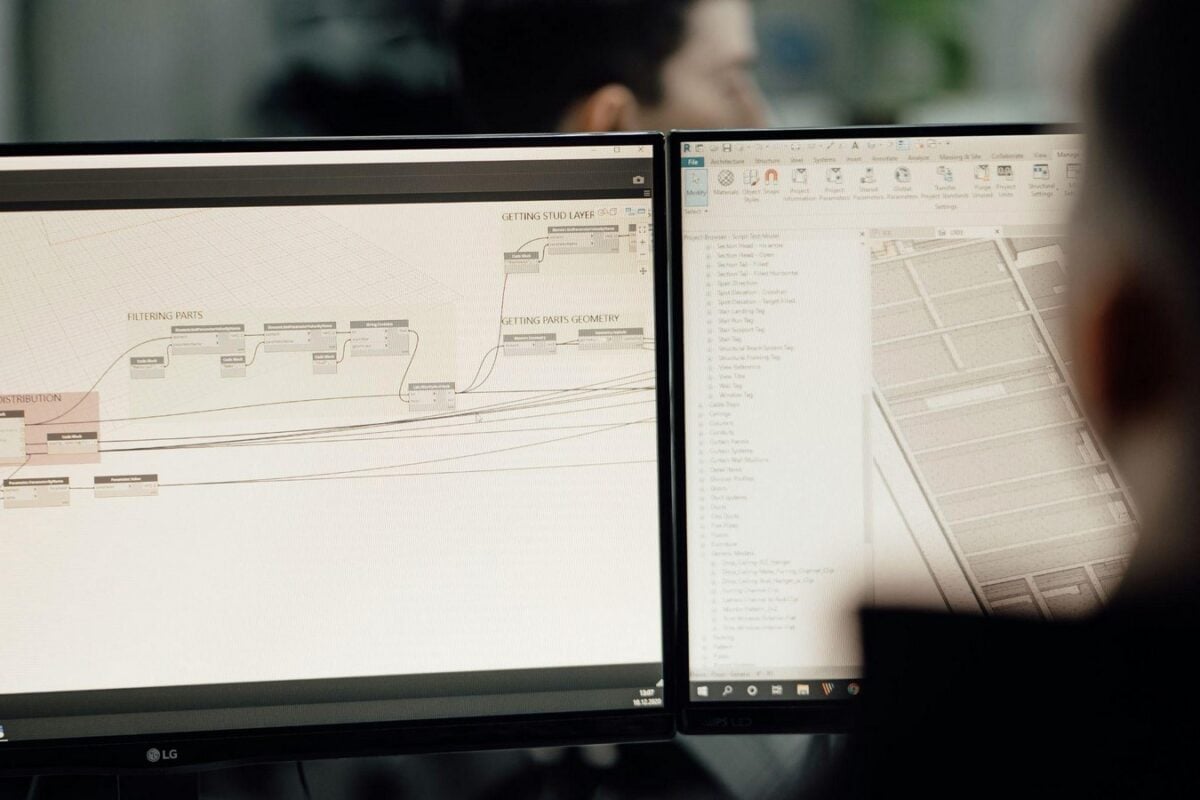
As the design profession continues to evolve, the idea of following a single, predetermined career path becomes obsolete.
The first job is just an introduction
The transition from education to professional practice usually comes with an expectation of certainty. Graduates are encouraged to identify their strengths, choose a specialisation and begin building a portfolio that reflects a consistent professional direction. Finding a position in a recognised firm or within a particular design discipline can consequently feel like an important step towards establishing a professional identity.
But employment opportunities may depend on geographical location, financial considerations, available vacancies or the willingness of a practice to hire someone with limited experience. A graduate interested in conceptual design may find their first opportunity in a technical documentation role, while someone drawn to urban research may begin their career working on residential projects. These experiences are often the practical starting points available at a particular moment.
This means: a first position introduces graduates to professional responsibilities, collaborative processes and the practical constraints of design. It provides experience from which future decisions can be made, but it does not require them to remain within the same working environment or specialisation indefinitely.
The gap between architectural education and architectural practice
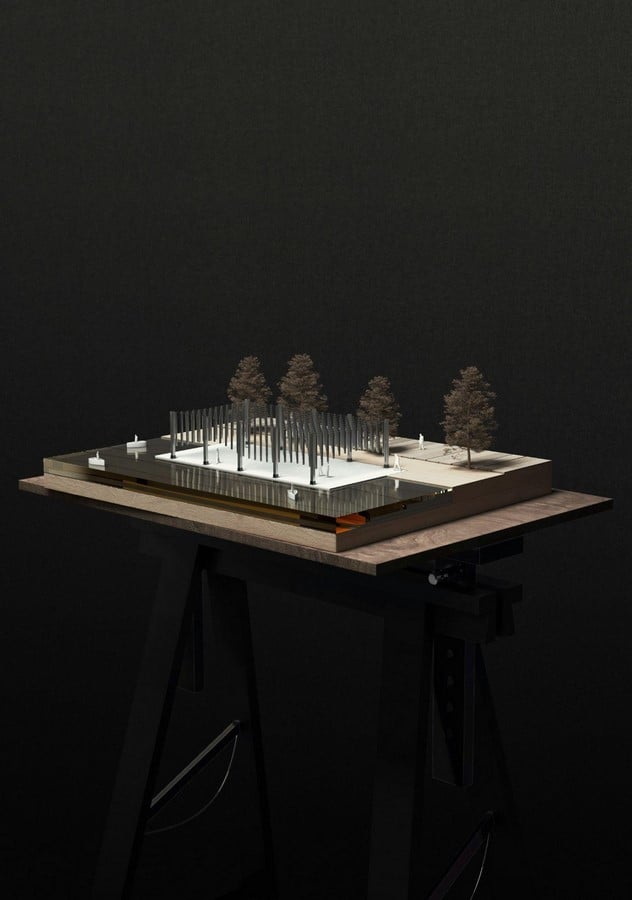
Architectural schools encourage students to explore ideas, question established approaches and develop solutions through experimentation. Design studios provide considerable freedom to investigate spatial concepts, materials, structures and social contexts. Professional practice, however, introduces a different set of priorities.
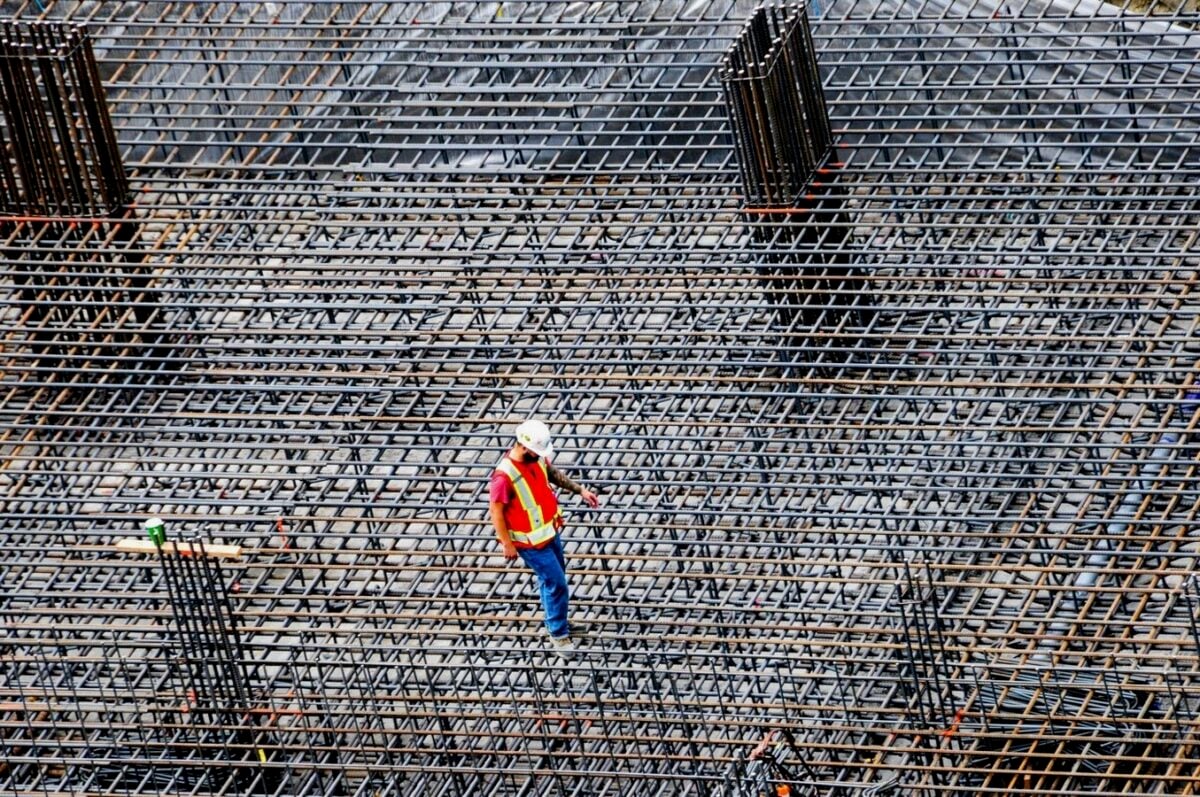
In an architectural office, design decisions must respond to budgets, regulations, construction methods, client expectations and project deadlines. Junior professionals will likely spend much of their time producing technical drawings, coordinating information, preparing presentations or revising documents instead of developing the conceptual ideas that initially attracted them to architecture. This transition can create a gap between the profession as imagined during education and the everyday experience of working within it.
When the first professional environment becomes a limitation
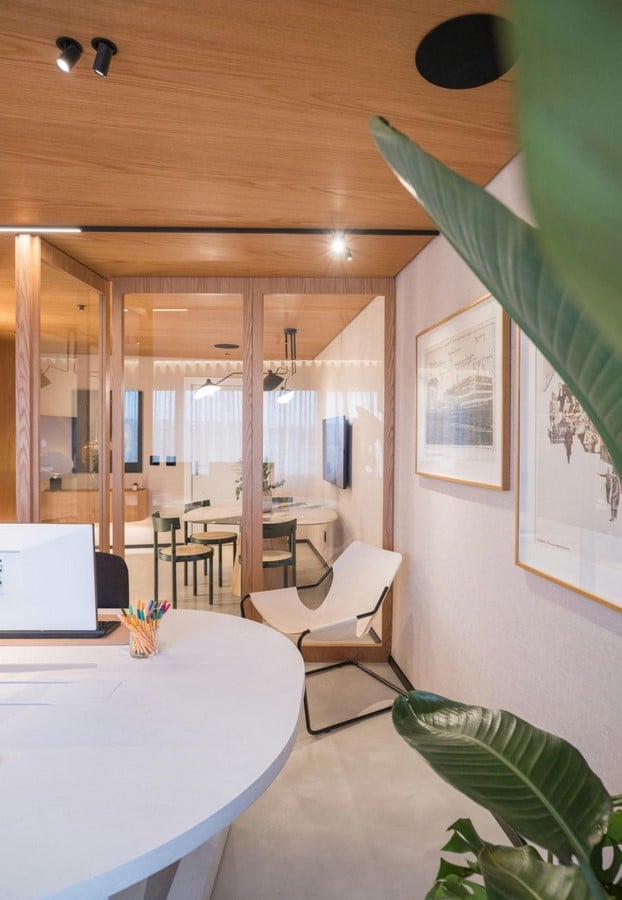
Every workplace operates according to its own priorities, organisational structure and design philosophy. A small architectural studio would probably offer direct involvement in multiple stages of a project, while a large international practice may provide exposure to complex projects and specialised teams. Neither environment automatically guarantees a more fulfilling or comprehensive professional experience.
The opportunities available to junior designers are influenced by how responsibilities are distributed, how decisions are made and how much room employees have to participate in different aspects of a project. In some offices, young professionals may be encouraged to experiment and contribute ideas. In others, clearly defined hierarchies and demanding production schedules can limit their involvement in creative decisions.
These differences can significantly influence how designers perceive their own abilities. Someone whose first role involves repetitive technical tasks may conclude that conceptual design is beyond their reach, while another working in a specialised visualisation studio may have limited exposure to construction and project delivery. Over time, the workplace can become the reference point through which individuals evaluate their professional potential.
Skills travel further than job titles
One of the most valuable aspects of an early professional experience is the development of skills that can be applied beyond the position in which they were acquired. While job titles often suggest fixed professional categories, the abilities developed through design work are considerably more transferable.
Architectural drawing, for example, develops visual communication and spatial understanding. These abilities can support careers in illustration, visualisation, exhibition design and editorial communication. Research and analytical work can become valuable in architectural writing, heritage studies, urban research and academia. Similarly, experience with three-dimensional modelling can provide a foundation for computational design, digital fabrication and other technology-driven fields.
Design education develops a combination of creative, technical and analytical abilities that can be applied across different contexts. The University of Cambridge’s Careers Service identifies problem-solving, project management, drawing, information technology and teamwork among the transferable skills associated with an architecture degree.
This does not mean that changing professional direction requires abandoning previous experience or starting again. Instead, it involves recognising how existing knowledge can be adapted to new challenges. A designer moving from architectural practice into research, for example, may draw upon an understanding of buildings, construction and spatial organisation to investigate questions that extend beyond individual projects.
A changing profession
The design profession is also changing in ways that make traditional career expectations increasingly difficult to maintain. Technological developments, environmental challenges and interdisciplinary approaches are influencing how design work is produced, communicated and evaluated.
Computational design, automation and artificial intelligence are introducing new possibilities for generating, analysing and refining design solutions. Digital twins and advanced modelling technologies are expanding the relationship between physical environments and digital information. These developments are creating demand for professionals who can connect architectural knowledge with technical expertise, data analysis and emerging digital tools.
At the same time, architecture continues to intersect with disciplines beyond conventional building design. Research, publishing, criticism, heritage documentation, education and environmental consultancy all contribute to how the built environment is understood and developed. Some professionals move between these fields, while others combine several activities within their practice.
The Royal Institute of British Architects has highlighted the importance of developing new competencies and adapting professional roles in response to technological and societal changes. Its discussion of the future of architectural skills points towards a profession in which continuous learning and interdisciplinary knowledge will remain important.
Building a career through experimentation
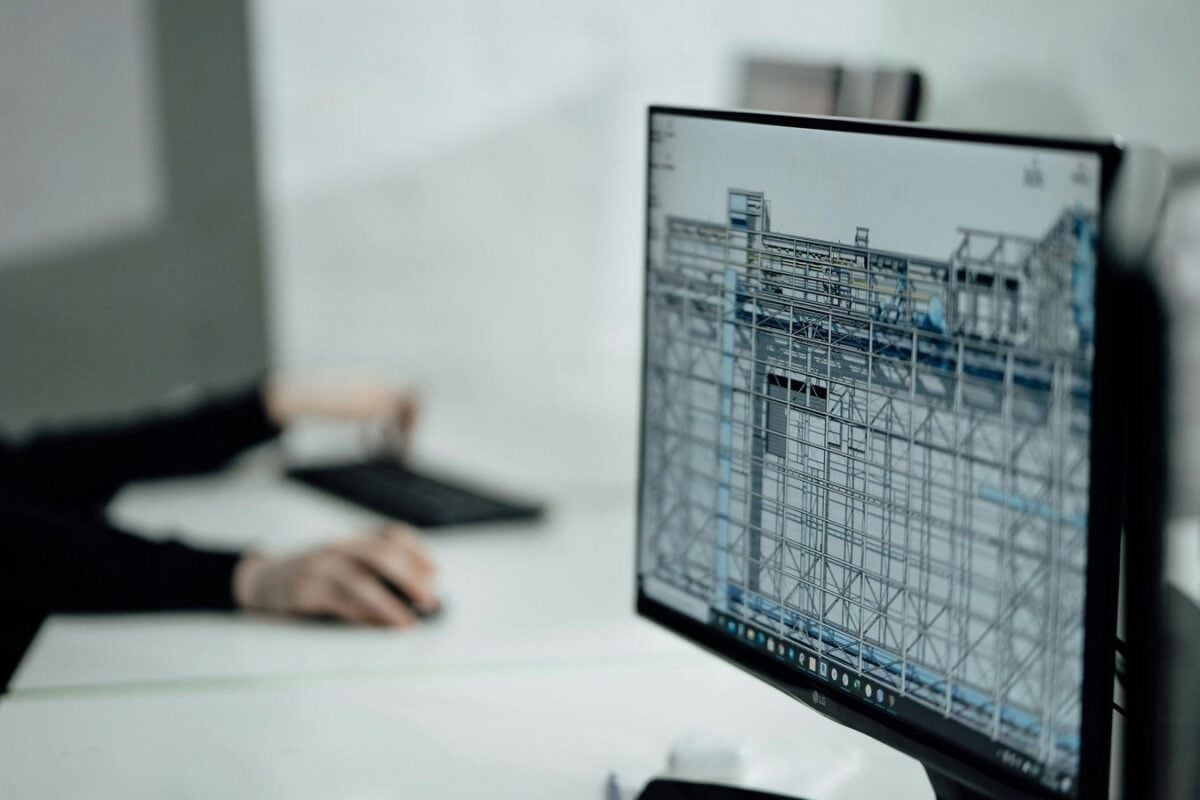
Flexibility is most valuable when accompanied by an active willingness to learn, evaluate experiences and identify new opportunities.
For young designers, this can begin with paying attention to the aspects of their work that generate the greatest interest. A technical task may reveal an unexpected fascination with construction systems, while a research assignment may encourage further exploration of architectural history or urban studies.
Continuing education also plays an important role. Developing new digital skills, participating in research, attending professional events or working on independent projects can help designers explore areas beyond their immediate responsibilities. Such activities can gradually expand an individual’s knowledge and create connections between different professional interests.
Changing workplaces can also be part of this process. Moving from a small studio to a multidisciplinary practice, pursuing postgraduate research or exploring independent work may offer different forms of professional development. Each transition brings new challenges, but also creates opportunities to reconsider existing assumptions about what a design career can involve.
Periods of exploration, changes in priorities and temporary departures from conventional practice can all become part of a professional journey. What matters is continuing to build knowledge and develop a clearer understanding of one’s ambitions.
The first job often carries more significance than it deserves because it represents the transition from education into professional life. It is the first opportunity to apply acquired knowledge in a real working environment, contribute to projects and begin understanding the responsibilities of the profession. Yet, its importance as a beginning should not be confused with its ability to determine everything that follows.
A career in design, much like the environments designers create, is shaped through adaptation. Buildings can be transformed to accommodate new uses, technologies and changing social needs; similarly, professional identities can evolve as individuals acquire new skills, encounter different disciplines and reconsider their ambitions.
So, a successful design career is one that remains open to learning, adaptation and new possibilities. The first job may be where the journey begins, but it is the experiences, decisions and knowledge accumulated along the way that continue to shape what the designer becomes.