Changing a bed can affect much more than the sleeping area. A new frame may alter the position of bedside tables, reduce walking space, or make a previously convenient dresser harder to reach. These details become especially important when introducing an adjustable sleeping system, because the bed needs room to move and may have different support requirements from a traditional frame.
Rather than replacing all the bedroom furniture, homeowners can often make an existing layout work with a few careful adjustments. The key is to understand how the new bed will fit alongside current furniture, which items may need to be moved, and whether the frame and adjustable mechanism are compatible. A little planning can help preserve the room’s style while making the new setup practical for everyday use.
Start With the Bed’s Position in the Room
An adjustable bed frame should be chosen with the room’s existing layout in mind. The bed is usually the largest piece of furniture in a bedroom, so its dimensions affect where other items can sit. Before changing anything, measure the current bed area and compare it with the full dimensions of the proposed setup.
Do not measure only the mattress. A frame may extend beyond its edges because of a headboard, footboard, side rails, or supporting legs. An adjustable base may also require additional clearance for its moving sections. Checking the full footprint helps you decide whether the current bed position is still suitable or whether the room would benefit from a different arrangement.
Once you have the measurements, mark the proposed bed outline on the floor with removable tape. This makes it easier to see how much room will remain around the bed. You can then check whether bedside tables, drawers, wardrobes, and doors will still be accessible without moving furniture repeatedly.
Preserve Comfortable Walking Routes
A bedroom should be easy to navigate at different times of day. Leave enough space to walk around the bed, reach clothing storage, and enter or leave the room without squeezing past furniture. If the current layout has a narrow walkway, a different bed position or smaller bedside tables may improve the arrangement.
It is also worth checking the route from the bedroom door to the bed. A clear path can make the room feel more open and reduce the chance of bumping into furniture in low light. Keep frequently used items accessible without allowing them to take over the available floor space.
Check How the Adjustable Mechanism Moves
Traditional bed frames remain stationary during use, but an adjustable system can raise or lower parts of the sleeping surface. This means nearby furniture needs to be positioned with movement in mind, not just the bed’s flat position.
Check the manufacturer’s guidance for the clearance needed around the head and foot sections. A bedside table that fits close to the bed may become an obstacle when the head section rises. Similarly, a footboard or decorative piece at the end of the bed could restrict movement if the system is not designed to work with it.
Look at the area beneath the bed, too. Adjustable mechanisms may use moving components that need to remain unobstructed. Avoid placing storage boxes, loose cables, or other objects where they could interfere with the system. If you plan to use an existing frame around a separate adjustable base, confirm that the design allows the base to operate safely.
Reposition Bedside Tables Without Losing Convenience
Bedside tables are often the first pieces of furniture affected by a new bed. Their height, width, and distance from the mattress determine how easy it is to reach a lamp, phone, book, or glass of water. When the sleeping surface can change position, the ideal table placement may need to change as well.
Begin by checking the table’s height in relation to the mattress when it is flat. Then consider whether raising the head section changes access to the items on the table. The table should remain stable, and objects should not be positioned where they could fall when the bed moves.
Matching bedside tables are not essential. One person may need a larger surface for reading materials, while another may prefer a smaller table that leaves more room for walking. Using different sizes can work well as long as the arrangement feels balanced and both sides remain convenient.
Make Lighting Work With the New Setup
Table lamps can be useful, but they may occupy valuable surface space. Wall-mounted lights or adjustable reading lamps can provide focused illumination while leaving more room for everyday items. Before installing anything, consider the height and position of the bed’s head section so the lighting remains comfortable when the bed is raised.
Keep lamp cords and charging cables away from moving components. A tidy cable arrangement reduces clutter and helps prevent cords from becoming trapped beneath the bed or stretched across walking routes.
Match the New Bed With Existing Furniture
A new bed does not have to match every item in the bedroom exactly. Instead, look for a visual connection between materials, colours, and shapes. A metal frame, for example, may work well with wooden bedside tables if the finishes complement each other and the room includes a few repeated design details.
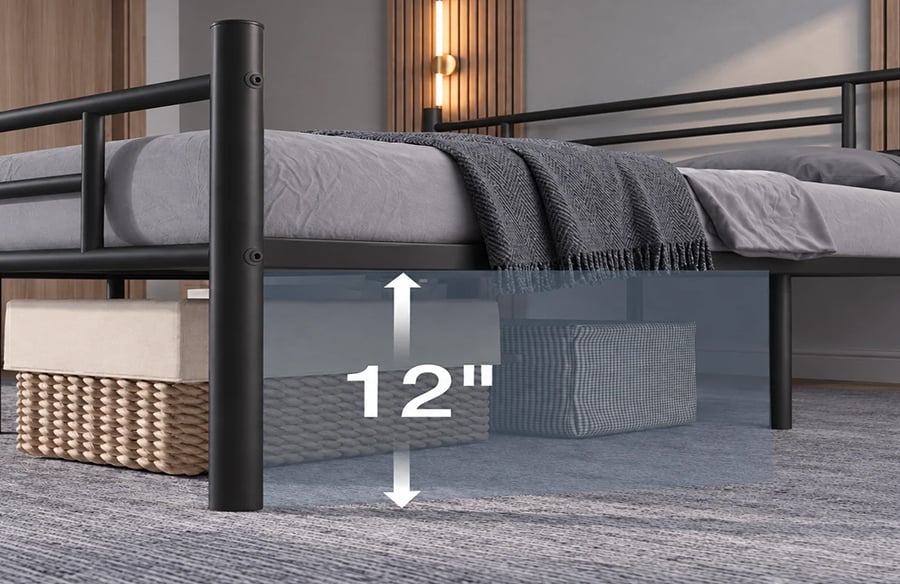
The SweetNight Modern Metal Bed Frame with Headboard and Footboard is one option for people who prefer a clean, structured look. Its metal construction and defined headboard and footboard can suit bedrooms with contemporary furniture or simple decorative accents. Before choosing this frame, review its dimensions, support structure, assembly requirements, and mattress specifications. If you intend to combine it with a separate adjustable base, verify compatibility first. A stationary metal frame is not automatically designed to accommodate a powered adjustable system.
Colour can help connect furniture that uses different materials. For example, black metal may coordinate with dark drawer handles, a lamp base, or picture frames. Wooden furniture can soften the overall appearance, while bedding and curtains can introduce colour without requiring a complete redesign.
Make Storage Furniture Fit the New Arrangement
A bed’s position often determines whether nearby storage remains easy to use. A dresser may fit along a wall but become difficult to open if the bed occupies more floor space. Wardrobe doors can also become inconvenient when the walkway between the bed and storage is too narrow.
Before delivery, open the drawers and doors of existing furniture and measure the space they require. Leave enough room for them to operate without striking the bed or nearby objects. If space is limited, consider moving a dresser to another wall, using a narrower cabinet, or reducing the number of items stored beside the bed.
Under-bed storage needs particular care. A traditional frame may leave a useful space beneath the mattress, but an adjustable mechanism can occupy some of that area. Follow the manufacturer’s guidance and do not place boxes near moving parts, electrical components, or support legs.
How an Adjustable Base Bed Frame Fits Into the Existing Setup
An adjustable base bed frame needs to be evaluated as a complete arrangement rather than a single piece of furniture. The term can refer to different product configurations, so check whether the item includes the adjustable base itself, a stationary outer frame, or components intended to work together.
 First, confirm the mattress dimensions and compatibility requirements. The base must support the mattress correctly and allow it to move as intended. Check the manufacturer’s guidance for mattress type, thickness, weight limits, and the required installation method.
Next, determine whether your existing frame can accommodate the base. Some adjustable bases are designed to stand independently on their own legs, while others may be compatible with selected outer frames. Fixed slats, solid platforms, side rails, and footboards can restrict movement if they are not part of an approved configuration.
Finally, consider access to power and maintenance points. The bed should be positioned so cables remain clear of moving components and the electrical connection can be reached safely. If the proposed combination is unclear, ask the manufacturer before purchasing or assembling the components.
Keep the Room Balanced After Installation
When a bed changes size or position, the rest of the room may need a few adjustments. A larger headboard can make the bed wall feel more prominent, while smaller bedside tables can restore some visual breathing room. Removing unnecessary furniture may be more effective than trying to fit every existing item into the new arrangement.
Textiles can help unify the space after furniture has been moved. Bedding, curtains, rugs, and cushions can repeat one or two colours already present in the room. This creates a coordinated look even when the bed frame and storage furniture use different materials.
A rug should be placed with care so it does not obstruct the bed’s legs or moving parts. Avoid positioning loose items where they could shift beneath the mechanism. The aim is to make the room feel finished without compromising access or safe operation.
Prepare for Delivery and Assembly
Planning the furniture layout before delivery can save time and effort. Measure the entrance, hallway, stairs, and bedroom doorway to ensure that the packaged components can reach the intended room. Check the delivery information for package dimensions if the route includes narrow turns or an elevator.
Clear the installation area and move fragile items away from the assembly space. Keep the product instructions and hardware together, and follow the manufacturer’s sequence rather than improvising steps. If the adjustable base and outer frame are separate products, verify their compatibility before starting assembly.
After installation, test the bed according to the instructions and check that nearby furniture does not interfere with its movement. Listen for unusual sounds, confirm that the controls work as expected, and make sure cables remain clear of hinges and moving sections. If something appears incorrect, stop and consult the instructions or the manufacturer’s support team.
Create a Bedroom That Works as One Space
An adjustable bed can fit into a room with existing furniture, but the success of the arrangement depends on more than appearance. Measurements, movement clearance, mattress compatibility, electrical access, and the placement of storage all influence how practical the setup will be.
Start by evaluating the current layout and identifying the pieces that can stay in place. Then adjust the furniture around the bed’s dimensions and movement requirements. Small changes to bedside tables, lighting, or storage may be enough to make the room work well without replacing everything.
When the frame, adjustable mechanism, and surrounding furniture are chosen to work together, the bedroom can remain organised and comfortable. Thoughtful planning helps preserve the room’s existing character while making space for the flexibility of an adjustable sleeping system.