The Silk Road was a patchwork of transcontinental trade routes that connected China with Europe. These interconnected pathways passed through Central Asia, India, Pakistan, Afghanistan, and the Middle East. As a network of land and sea routes, the Silk Road facilitated the exchange of goods, cultural traditions, religious beliefs, and architectural ideas.
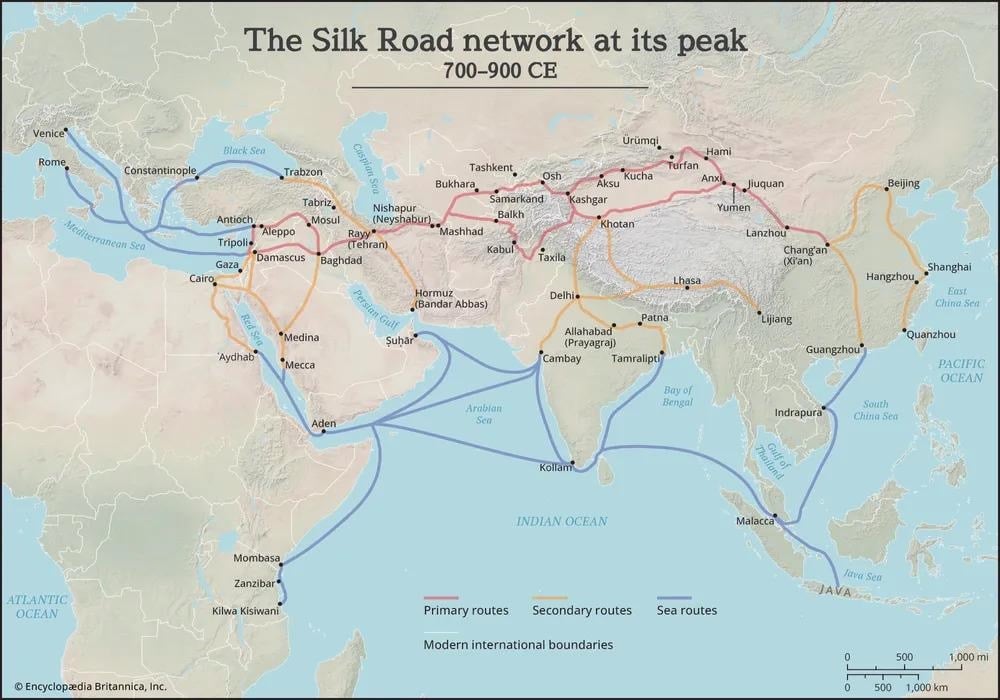
In Central Asia, the Silk Road passed through Kazakhstan, Kyrgyzstan, Tajikistan, Turkmenistan, and Uzbekistan.
Climate in Central Asia
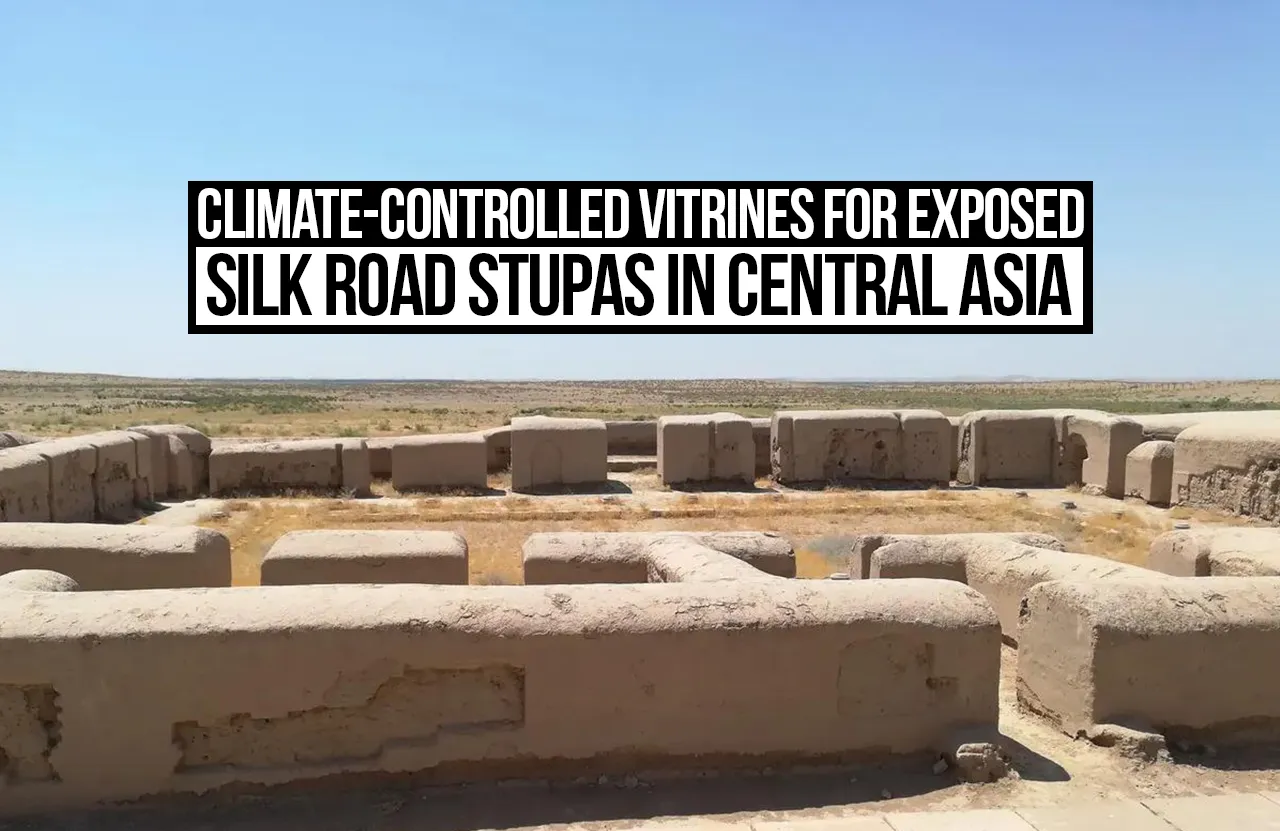
Falling within the arid and semi-arid climatic zones, Central Asia is a region with diverse geography. Not buffered by any water body, it witnesses a predominantly continental climate, with hot summers, cold winters, and occasional snowfall. Consisting of high mountains, elevated passes, vast deserts, treeless steppes, and woodlands, most of its land is too dry or rugged for farming. The fluctuations in temperature, moisture, and wind create a challenging environment for the exposed earthen materials of the Silk Road stupas.
Buddhism in Central Asia
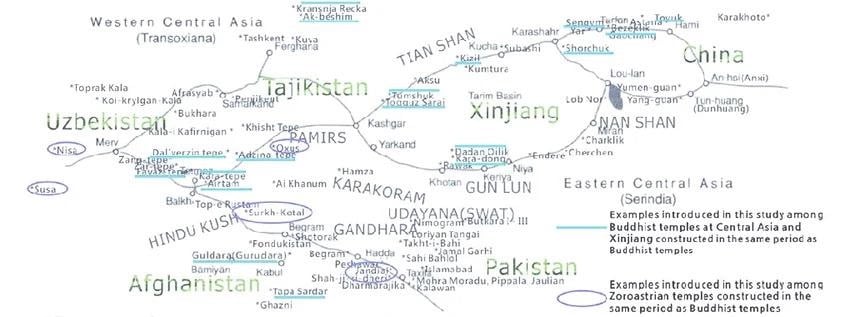
Buddhism is said to have been introduced in China from the Indian subcontinent via the Silk Route. Buddhist monks travelled alongside the merchant caravans, carrying religious teachings and cultural practices. A series of Buddhist monasteries, stupas, pagodas and elaborate cave temples discovered in the Central Asian regions demonstrate a time when Buddhism was prevalent here. The Buddhist remains of Central Asia can be largely divided into 2 periods: the first from the 2nd to 4th centuries, when Buddhism first settled in the area, and from the 7th to 8th centuries, when it flourished throughout the region, peacefully co-existing with other religions. The archaeological sites in the Bukhara region of Uzbekistan form one of the pillars of Central Asian history and culture.
Materials Used for Construction of the Silk Road Stupas in Central Asia
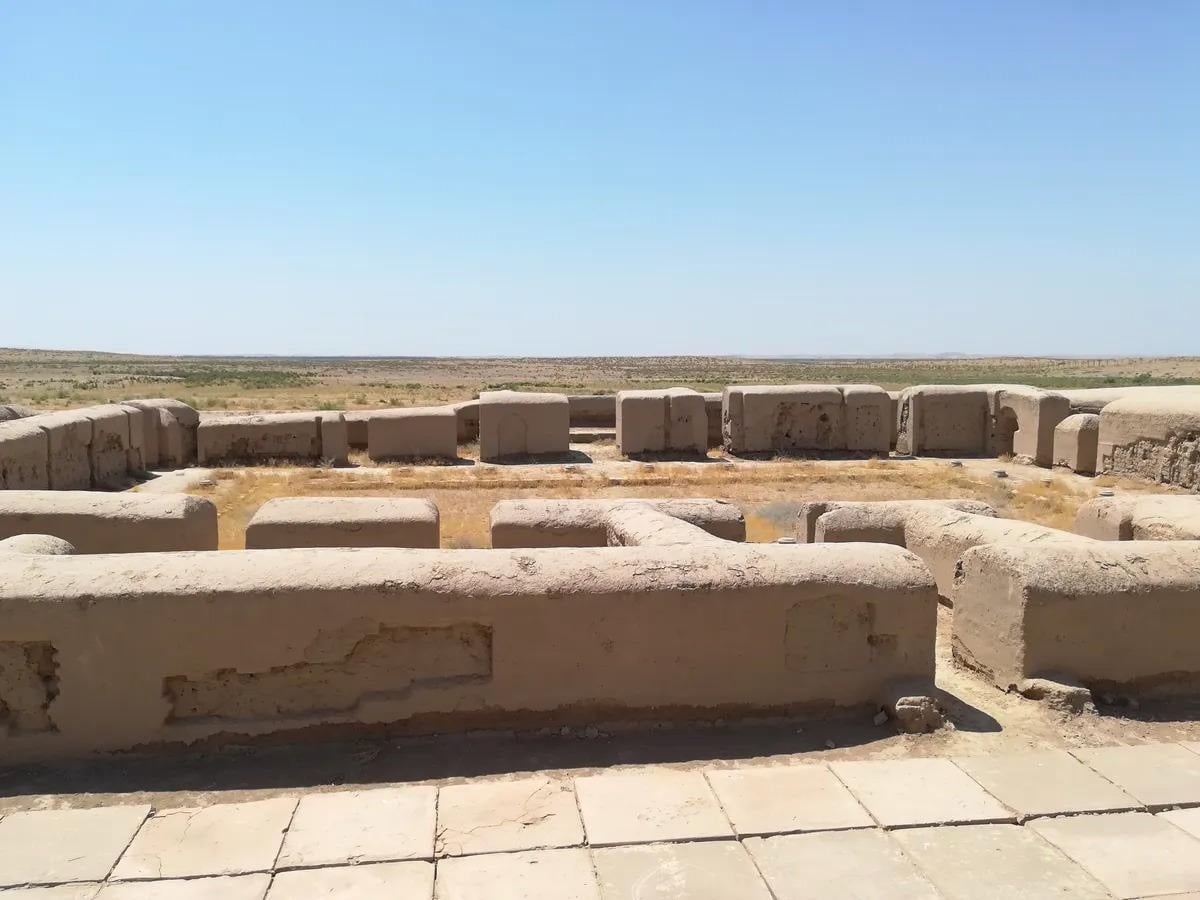
Central Asian Buddhist architecture primarily used mud-bricks, rammed earth, burnt bricks, ganch (a gypsum-based plaster), timber, stone, and kanjur to build their structures. The stupas found in the Buddhist architecture complexes form an integral part of their culture, serving as religious monuments. They are often used for pilgrimage and meditation, and are either situated inside the monastery complex or nearby it. They contain sacred relics, statues, and remains of Buddhist monks and nuns.
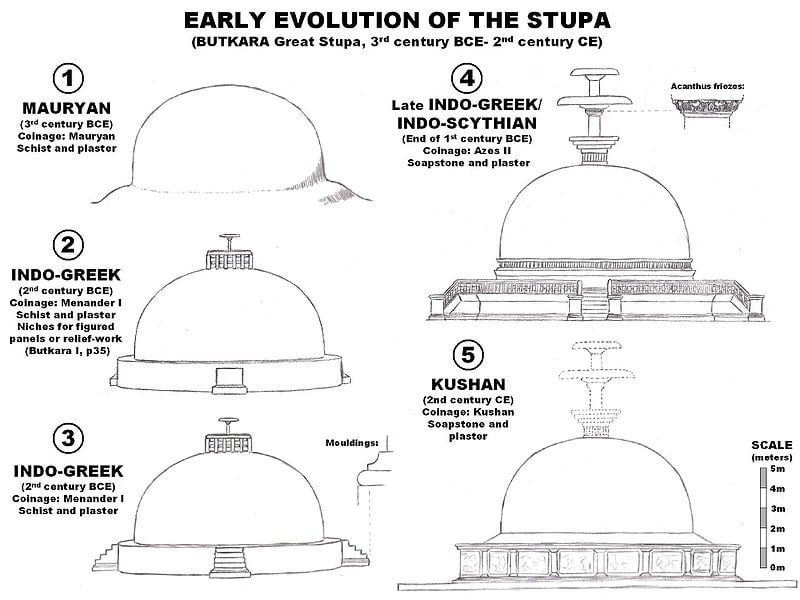
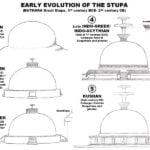
Stupas are hemispherical buildings. In the Silk Road stupas, the structural core and main body were constructed from sun-dried mud bricks, while the foundation was made of layered rammed earth or packed clay blocks. Burnt bricks were used for outer facings, upper cornices, and structural overhangs. Wood can be found occasionally in internal framings, central poles, fixtures, or roof structures.
These construction materials are quite vulnerable to the environmental extremes of Central Asia. The extreme heat, wind, and moisture soften the earthen core and stucco-coated surfaces, forming cracks and rapidly disintegrating them. The exposed Silk Road stupas in Central Asia face significant conservation challenges due to their fragile construction materials and extreme climatic contrast. Protecting these historical sites will require interventions that address these environmental concerns while preserving the original architecture.
Climate-controlled Vitrines
A vitrine is a glass display case or enclosure, used in museums and galleries to exhibit and protect valuable objects, artworks, excavated remains, or historical artifacts. Climate-controlled vitrines are those equipped to regulate environmental conditions such as relative humidity and temperature. They also limit exposure to dust, pollutants, and other harmful agents. They are important for preserving artifacts or materials in their original environmental conditions. These enclosures help in long-term preservation by creating a controlled micro-environment inside the cases.
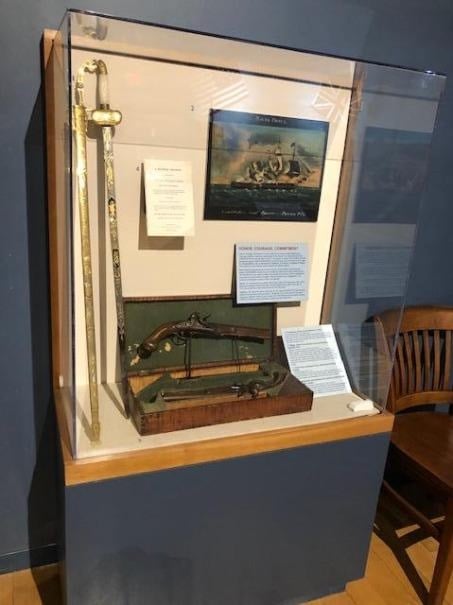
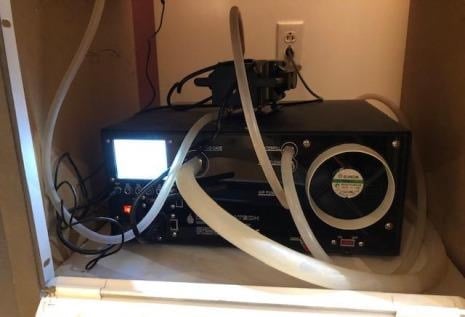
Although climate-controlled vitrines are yet to be used to enclose an entire archaeological structure, the possibility offers a lifeline to many historical monuments. Such vitrines used in museums, also referred to as microclimate display cases, manage their internal environment through passive control, active control, or pollutant removal.
- Passive-controlled vitrines: Relying on airtight enclosure and moisture-buffering substances like silica gel, these types of vitrines are used for textiles, wood, paper, etc.
- Active-controlled vitrines: These are used for artifacts that require incredibly precise tolerances. They use mechanical or electronic systems to regulate the environmental conditions.
- Environmental scavenging: These types of vitrines are equipped with a chemical filtration system to remove harmful pollutants and gases. These are used for elements that are sensitive to pollutants or gases trapped within the cases.
Can Climate-controlled Vitrines Help?
The fragile state of the Silk Road stupas in Central Asia raises the question of whether their deterioration can be prevented by enclosing them within cases that regulate environmental conditions. Climate-controlled vitrines might be able to slow down their disintegration by helping create a more stable environment around them. The following two case studies offer insights into the potential application of such climate-controlled enclosures to the exposed stupas and the engineering challenges they might encounter:
The Stupa of Fayaz-Tepe
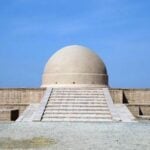
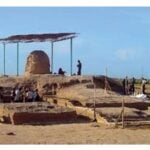
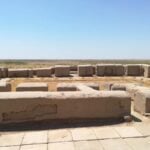
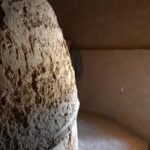
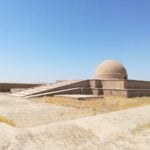
Located near Termez in southern Uzbekistan, Fayaz-Tepe is a Buddhist monastic complex consisting of a single stupa. The stupa has an outer mud-brick dome enclosing a smaller inner stupa. Dating back to the first period of Buddhist settlement in Central Asia, the architecture of the monastery complex demonstrates a blend of Indian, Greek, and Central Asian designs.
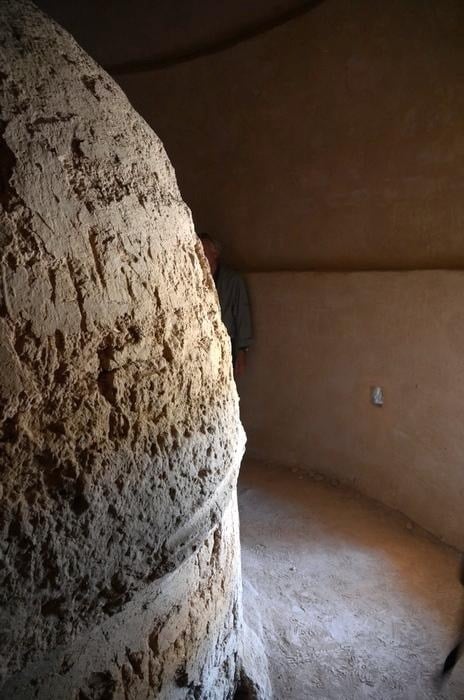
Soviet archaeologist Lazar Albaum came across the buried ruins of this monastery in the 1960s. Sitting in an exposed flat desert plain, the major threats to these earthen structures are temperature fluctuations, wind erosion, and moisture penetration. To preserve this heritage site, UNESCO has partnered with the Japanese Government for its conservation, documentation, and structural emergency restoration. A protective dome shell has been built over the stupa to shield it from wind and rain damage.
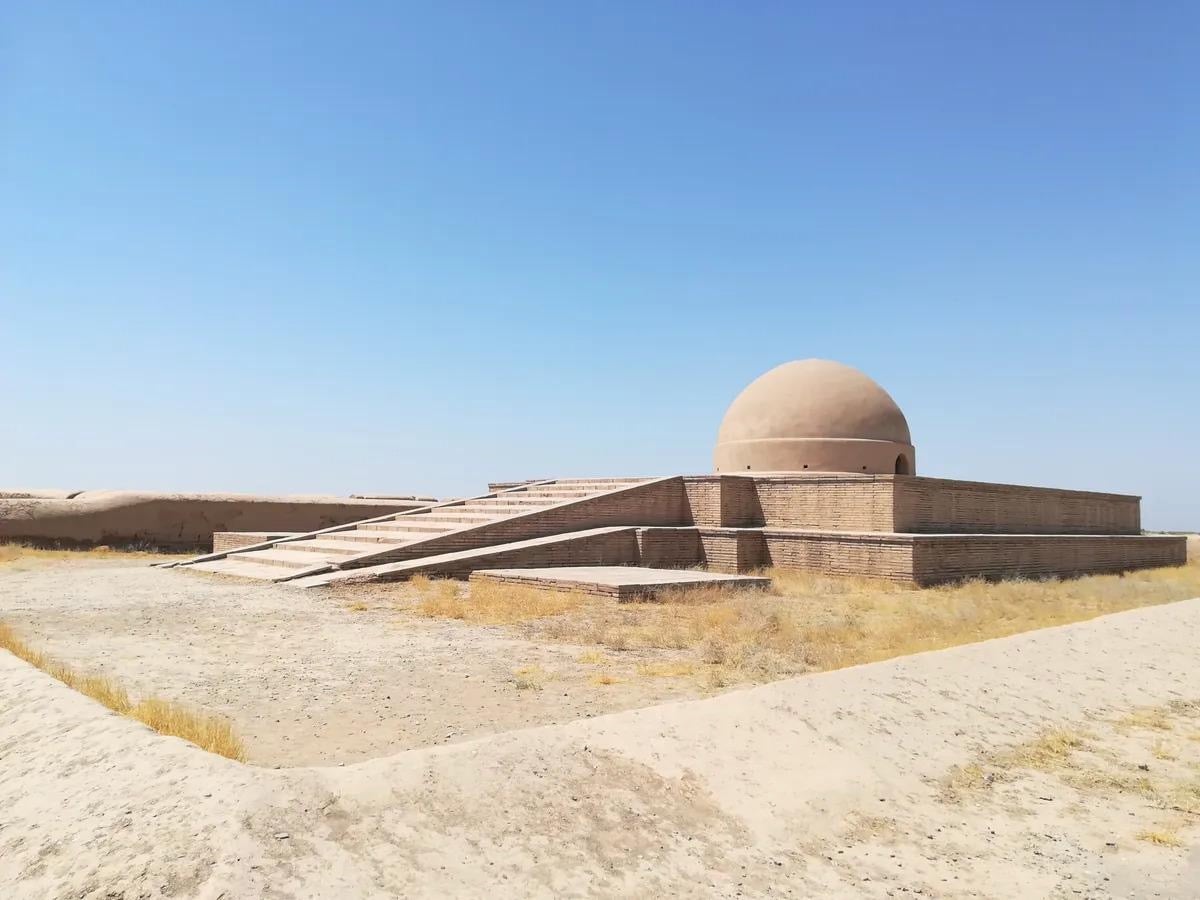
A climate-controlled vitrine can be explored as a potential additional protection for the stupa. Since the stupa is already protected by a modern dome, a semi-active protective enclosure can be installed in the surrounding excavated areas to regulate humidity. A double-glazed structural vitrine will help eliminate the greenhouse effect inside the casing. Rather than relying on active HVAC systems, the passive to semi-active vitrine focuses on structural insulation, limiting harmful fluctuations in temperature and moisture. By using high-mass silica gel buffers, these types of vitrines completely eliminate the pocket microclimates and air stagnation inside the enclosure.
However, the effectiveness of such enclosures will depend on site-specific testing. The design will need to ensure that it neither puts additional load onto the historical structure nor risks heat accumulation and condensation. Any such proposed covers should be evaluated as a conservation strategy.
Zurmala Stupa
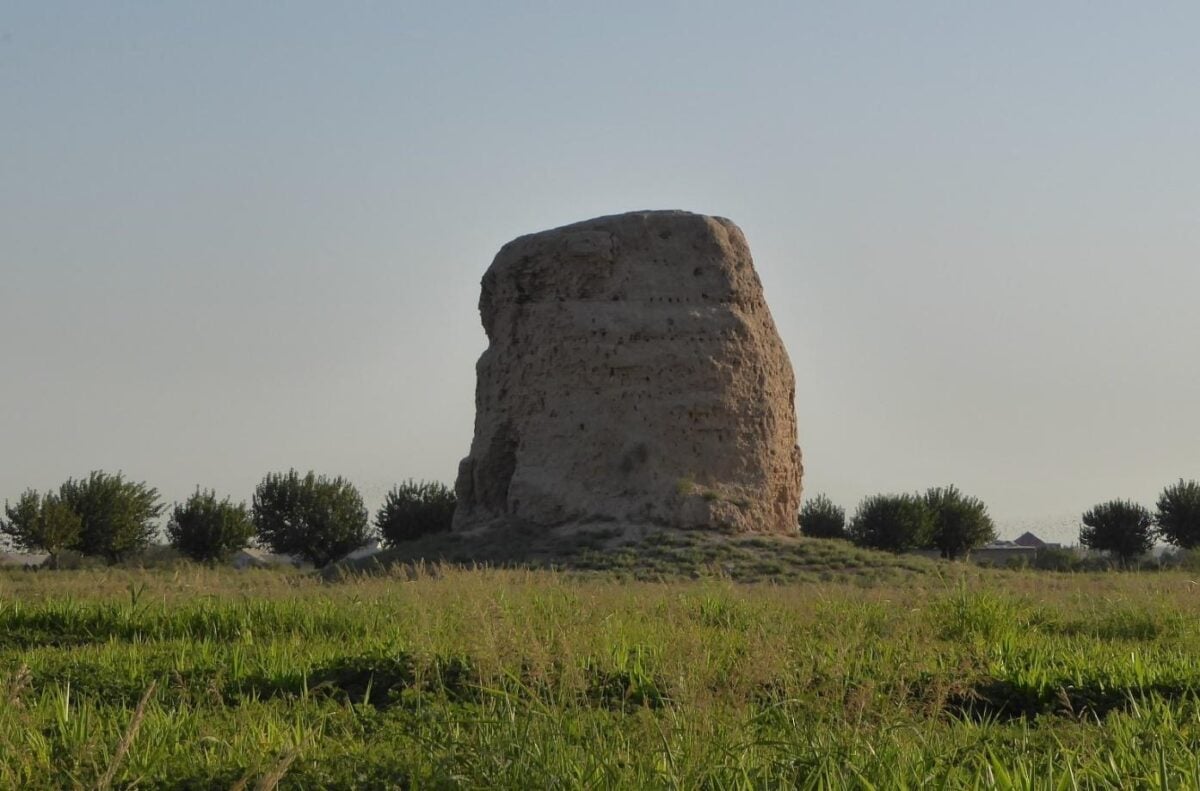
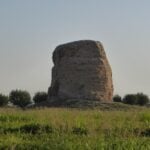
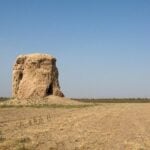
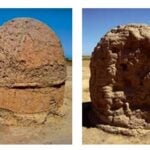
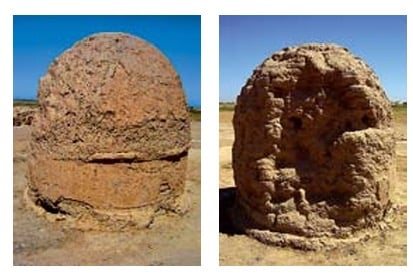
Situated in the Surkhandarya Province, Zurmala Stupa is one of the oldest Buddhist structures in Uzbekistan. It has a cylindrical shape similar to that of a burial mound and incorporates mud-brick, white limestone base slabs, stone blocks, and red burnt bricks.
Identified as a Buddhist stupa by Alexander Strelkov in 1926-1927, this stupa stands isolated in an open landscape, exposed completely to the environmental elements. Listed under UNESCO’s “Silk Road Sites in Uzbekistan”, this historical site is in dire need of structural conservation and physical restoration. With the absence of any external protective enclosure or scaffolding, the raw mud-brick tower is on the verge of collapse due to the harsh regional climate. Rissho University in Tokyo, along with the Termez Archaeological Museum, has installed a perimeter monitoring system to prevent any further damage to the stupa from nearby farming equipment.
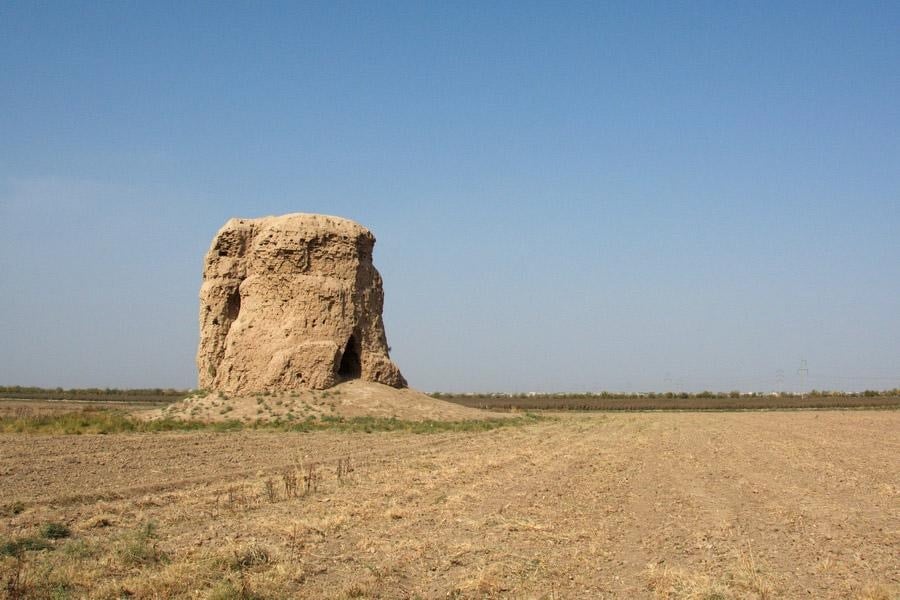
One possible conservation approach can be enclosing this massive tower within a positive-pressure macro vitrine. Such a design approach will eliminate the threats it now faces. The region experiences severe winds carrying abrasive sand particles. A simple protective dome like the one constructed over the Fayaz-Tepe stupa will not shield this relic. For this monument to stay protected, it requires a positive pressure system that creates an invisible atmospheric barrier completely preventing dust particles from entering the structure. By supplying filtered, humidity-controlled air at a low level, exhausted through the top with carefully designed outlets, dust infiltration can be reduced. Since an architectural structure of this scale cannot be entirely sealed, maintaining a slightly higher internal air pressure could further limit the entry of airborne particles through the structural micro-gaps.
However, such a design will need to assess the air supply, exhaust locations, filtration efficiency, temperature, humidity, and wind conditions before implementation. Rather than assuming that positive pressure alone can eliminate deterioration, environmental monitoring should be performed to determine whether the proposed system is capable of reducing specific environmental risks.
Engineering Challenges
The Silk Road stupas are mostly built from sun-dried mud-bricks, rammed earth, and delicate clay tiles. The use of extensive glazing in such a desert environment can lead to solar heat gain and uneven internal temperatures. If ventilation and thermal control are inadequately designed, they will put additional stress on the vulnerable mud bricks. The heavy machinery required for the construction of the huge glass-panelled cases can cause seismic vibrations, disturbing the buried structures. To resist the heavy winds, these large enclosures will require deep foundations. Anchoring these massive external structures without affecting the base of the stupas will be a major challenge. As the Silk Road falls into an intense temperature fluctuation zone, the vitrine’s framing materials must handle rapid expansion and contraction. Although the exposed Silk Road stupas in Central Asia will benefit greatly from such climate-controlled vitrines, the construction of these grand-scale enclosures will require an integrated approach. The major challenges they will need to overcome are the greenhouse effect, moisture trapping, and structural integrity. Appropriate glazing, shading, ventilation, drainage, and carefully engineered structural systems must be implemented in order to prevent introducing new risks to the vulnerable stupas.
Alternative Strategies
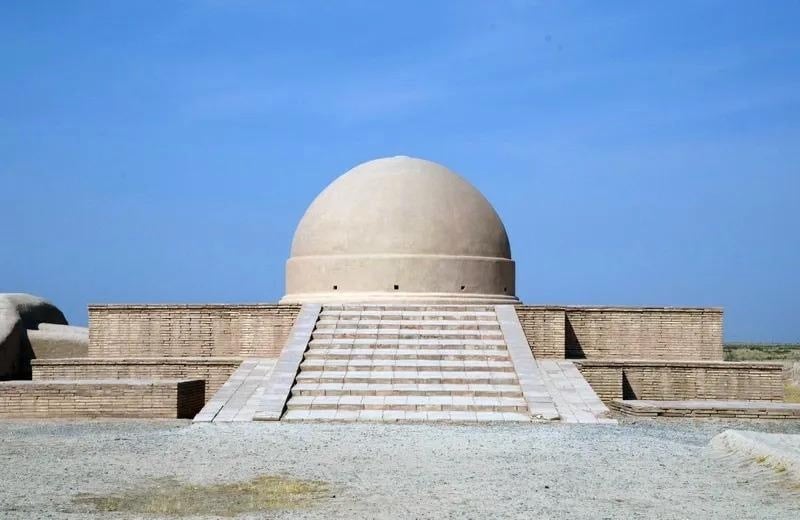
Several alternative strategies have already been implemented to preserve the Silk Road stupas in Central Asia. Sites like Fayaz-Tepe and Tajikistan’s Ajina-Tepe have large-scale shelter roofs placed over the monuments and remains. These help reduce direct exposure to rainfall, wind-driven erosion, and solar radiation.
The ancient structures of Ajina-Tepe and Kyrgyzstan’s Krasnaya Rechka have been coated with a top layer of thick traditional mud and straw plaster. This outer layer acts as a shield against the volatile climatic conditions, absorbing the effects of wind, rain, and salt crystallization. This layer can be easily replaced, keeping the original layer underneath safe and unharmed.
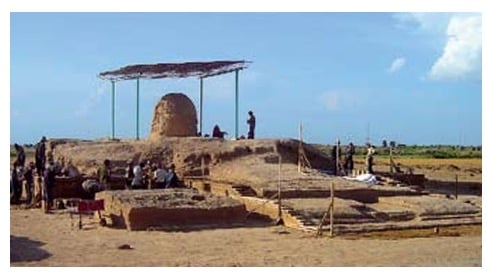
At present, the exposed Silk Road stupas in Central Asia are being restored and preserved through protective shelters, site-specific conservation measures, and relocation of the most delicate artifacts to museum vitrines. While climate-controlled vitrines for outdoor monuments are being actively discussed, their application presents significant financial, structural, and environmental risks. The feasibility of such structures must be assessed by each monument’s structural condition and climatic exposure. The design approach must be long-term and should minimize the environmental effects without introducing new risks to the original fabric. The conservation methods used for these monuments should not only aim for their physical preservation but also their historical authenticity.
References:
- Silk Road [online]. Available at: https://en.wikipedia.org/wiki/Silk_Road
- The Silk Road through Central Asia step by step [online]. Available at: https://silk-road.com/2026/07/17/the-silk-road-through-central-asia-step-by-step/
- Silk Roads Heritage Corridors in Central Asia [online]. Available at: https://www.unesco.org/en/articles/silk-roads-heritage-corridors-central-asia
- Tajikistan- Operational project for the preservation of the Buddhist Monastery of Ajina Tepe [online]. Available at: https://whc.unesco.org/en/activities/307
- Central Asia [online]. Available at: https://en.wikipedia.org/wiki/Central_Asia
- Climate Sheet of Central Asia [online]. Available at: https://www.climatecentre.org/wp-content/uploads/RCCC-ICRC-Country-profiles-Region_Centra_Asia.pdf
- Silk Road transmission of Buddhism [online]. Available at: https://en.wikipedia.org/wiki/Silk_Road_transmission_of_Buddhism
- Tracing the Buddhist Trails of Central Asia [online]. Available at: https://www.aninews.in/news/world/asia/rediscovering-our-shared-history-tracing-the-buddhist-trails-of-central-asia20240522190539/
- The Distribution and Significance of Buddhist Remains in Central Asia [online]. Available at: https://www.researchgate.net/publication/385709766_The_distribution_and_significance_of_Buddhist_remains_in_Central_Asia
- Architecture of Buddhist monuments in Central Asia: San’at: Archive of San’at magazine [online]. Available at: https://sanat.orexca.com/2004/2004-2/history_art1-24/
- Modelled Sculptures in Buddhist Temples Across Central Asia [online]. Available at: https://silkroadsarchaeoheritage.org/articles/10.5334/srah.23
- Stupa [online]. Available at: https://en.wikipedia.org/wiki/Stupa
- Fayaz Tepe, the Forgotten Buddhist Monastery of Uzbekistan • wild man life [online]. Available at: https://www.wildmanlife.com/fayaz-tepe-buddhist-monastery-uzbekistan/
- The world Society for the Study, Preservation and Popularization of the Cultural Legacy of Uzbekistan [online]. Available at: https://society.uz/news/detail/news/1056
- (PDF) Silica Gel: Passive Control of Relative Humidity -Technical Bulletin 33 [online]. Available at: https://www.researchgate.net/publication/352367819_Silica_Gel_Passive_Control_of_Relative_Humidity_-Technical_Bulletin_33
- Zurmala Stupa [online]. Available at: https://en.wikipedia.org/wiki/Zurmala_Stupa
- Uzbekistan Travel [online]. Available at: https://uzbekistan.travel/en/o/buddhist-stupa-zurmala/
- Day 10: Buddhist Stupa of Zurmala [online]. Available at: https://pashbymaul.wordpress.com/2018/06/19/day-10-buddhist-stupa-of-zurmala/