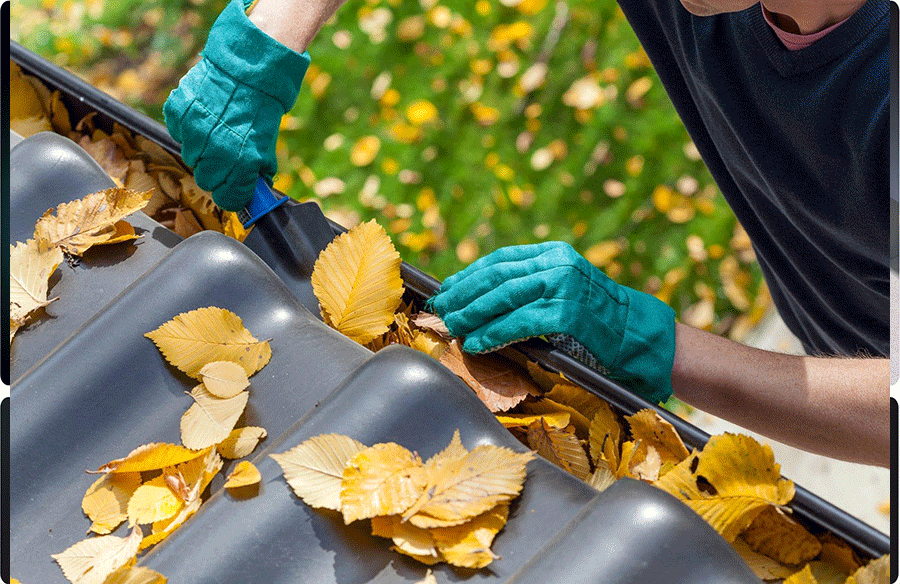
Gutters help protect homes and commercial properties by directing rainwater away from roofs, walls and foundations. When leaves, moss and dirt accumulate, water may overflow and carry debris towards outdoor drains, increasing the risk of drainage problems. Regular Gutter Cleaning Nottingham services can help keep rainwater flowing properly, reduce water-related damage and prevent minor maintenance issues from becoming more serious.
Why Is Regular Gutter Maintenance Important?
A property’s guttering system collects rainwater from the roof and channels it through downpipes towards a suitable drainage point. When each part works correctly, rainwater can flow away from the building without collecting around walls, entrances or foundations.
Over time, gutters can fill with fallen leaves, twigs, moss and roof debris. These materials can restrict water flow, block outlets and obstruct downpipes. During heavy rainfall, water may overflow onto exterior walls or collect around the base of the property.
Poor maintenance can also make it harder to identify damaged joints, loose brackets and other defects. Regular inspections help property owners spot these issues early and arrange repairs before further damage occurs.
How Poor Gutter Cleaning Can Lead to Drainage Problems
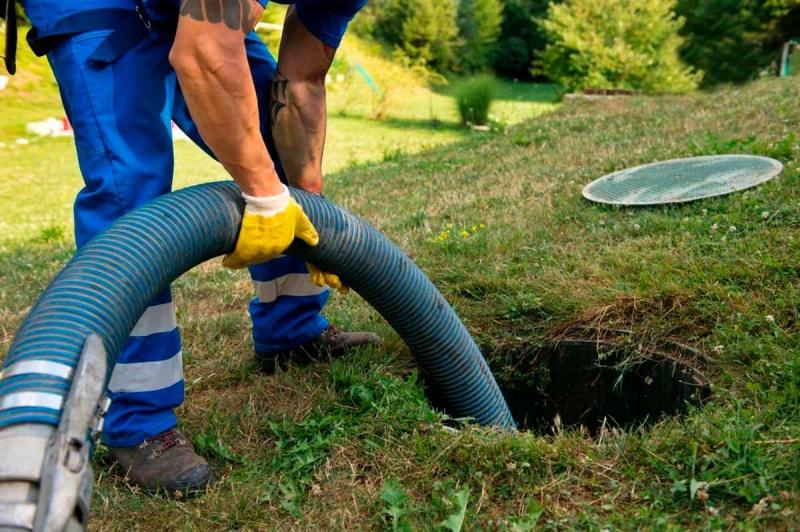 Blocked gutters can affect the way rainwater moves around a property. When debris restricts a gutter outlet or downpipe, water may back up and spill onto paths, driveways and garden areas. If leaves and sediment reach nearby drain openings, they can contribute to blockages, particularly when combined with existing dirt and debris.
In these situations, Blocked Drain Unblocking Nottingham services may be needed if an external drain becomes obstructed and water cannot flow away properly. However, a blocked gutter and a blocked underground drain are not the same problem. Checking both systems can help establish where the restriction is occurring and which solution is appropriate.
Common Warning Signs of Gutter and Drainage Problems
Recognising early warning signs can help property owners take action before a minor issue develops into a more expensive repair.
1. Water Overflowing from Gutters
If water spills over the edges of a gutter during rainfall, debris may be restricting the flow. A blocked downpipe, damaged gutter or incorrect alignment can also cause overflow, so the entire rainwater system may need checking.
2. Water Pooling Near External Drains
Puddles repeatedly forming around a drain opening or downpipe outlet may indicate that water is not draining away effectively. The cause could be a blocked gully, restricted pipework or unsuitable ground drainage.
3. Damp Patches on Exterior Walls
Overflowing rainwater can repeatedly wet brickwork, leaving stains, damaged paintwork or deteriorating mortar. Persistent moisture may contribute to damp problems, although other causes should also be investigated if the issue continues after gutter maintenance.
4. Leaves and Moss Building Up
Visible leaves, moss and small plants growing in gutters often indicate that debris has accumulated over time. This material can hold moisture and restrict the space available for rainwater to flow.
5. Unpleasant Smells or Slow-Draining Gullies
Persistent smells or standing water around an external gully may indicate a drainage problem. If the symptoms continue after visible debris has been removed, a professional inspection may be needed to identify an obstruction further along the system.
How Gutters and Drains Work Together
Gutters, downpipes and drains often work together to manage rainwater, but their exact arrangement varies between properties. Some systems direct roof water into surface water drains, while others use soakaways or different drainage arrangements.
When gutters become blocked, water may overflow before reaching the underground system. In other cases, the gutter and downpipe may be clear, but the receiving drain could have a separate obstruction or structural defect.
Understanding this distinction is important because cleaning the gutter will not necessarily resolve a blocked underground pipe. Likewise, clearing a drain will not repair damaged guttering or a leaking downpipe. Examining the relevant parts of the system helps property owners address the actual cause rather than repeatedly treating the symptoms.
Practical Ways to Prevent Gutter-Related Drainage Problems
Preventative maintenance can help keep rainwater moving and reduce the risk of blockages around a property.
Arrange Regular Gutter Cleaning
Inspect gutters periodically and remove accumulated leaves, moss and dirt when necessary. Autumn is an important time to check for fallen leaves, while properties surrounded by trees may require more frequent maintenance.
Keep Downpipes and Outlets Clear
A clean gutter may still overflow if its outlet or downpipe is obstructed. Check accessible openings for visible debris and look for signs of water backing up during rainfall. If the obstruction cannot be reached safely, contact a professional rather than forcing tools into the pipe.
Maintain Outdoor Drain Openings
Keep accessible gully grates clear of loose leaves and surface debris. Dispose of the material properly instead of sweeping it into the drain, where it could contribute to a blockage.
Never enter a drain or attempt to lift heavy inspection covers without suitable equipment and training.
Check for Leaks and Damage
Loose joints, cracked sections, sagging gutters and damaged downpipes can prevent rainwater from following its intended route. Repairing these defects can reduce overflow and help protect nearby walls and foundations.
Use Professional Help for Difficult Access
Gutter maintenance can involve working at height, slippery surfaces and difficult access. Avoid climbing onto roofs or using ladders in unsafe weather conditions. Where the work cannot be carried out safely, a professional service can assess and clean the system using appropriate equipment.
When Should You Contact a Drainage Specialist?
Professional assistance may be necessary when external drains repeatedly overflow, water continues to pool around a gully or a blockage returns after previous clearance attempts. Multiple affected drains and persistent drainage smells can also indicate a problem that needs further investigation.
A drainage specialist can assess the symptoms and determine whether the issue involves debris, damaged pipework, tree root intrusion or another defect. Depending on the findings, suitable work may include mechanical clearance, high-pressure water jetting or a CCTV drain inspection.
If a blockage involves a public sewer or shared drainage system, responsibility may rest with the relevant water company or another property owner. It is worth checking responsibility before arranging repairs.
Why Preventative Maintenance Can Save Money
Ignoring gutter and drainage problems can lead to repeated maintenance costs and avoidable property damage. Overflowing rainwater may stain walls, damage exterior finishes and contribute to moisture problems. Blocked outdoor drains can also cause localised flooding when water cannot flow away efficiently.
Routine inspections allow property owners to identify small issues before they become more disruptive. Keeping gutters clear, checking downpipes and responding to early drainage warning signs can reduce the likelihood of emergency repairs.
Although preventative maintenance cannot eliminate every drainage problem, it can help keep the system in better condition and make it easier to identify defects that require professional attention.
Final Thoughts
Poor gutter cleaning can increase the risk of drainage problems by restricting rainwater flow, causing overflow and allowing debris to accumulate around external drain openings. If left unresolved, these issues may contribute to water pooling, damp patches and unnecessary repair costs.
Regular maintenance of gutters, downpipes and accessible drain openings can help protect a property throughout the year. When drainage problems continue after cleaning, a professional assessment can establish whether the cause lies in the guttering, underground pipework or another part of the rainwater system.
Taking action early is a practical way to maintain effective rainwater management and reduce the risk of minor maintenance concerns becoming more serious problems.