Choosing an air conditioning system involves more than comparing prices or selecting a familiar brand. Homeowners should consider room size, insulation, local climate, energy efficiency, and installation requirements before making a purchase. A well-planned system can improve indoor comfort while helping avoid unnecessary energy consumption and frequent repairs.
Factors to Consider Before Buying an Air Conditioner
The right air conditioner should match the cooling requirements of the property. A system that is too small may struggle to maintain a comfortable temperature, while an oversized unit can cycle on and off too frequently, potentially affecting humidity control and efficiency.
Calculate the Required Cooling Capacity
Room dimensions are a useful starting point when estimating cooling capacity, but they are not the only consideration. Window placement, ceiling height, insulation quality, occupancy, and heat-generating appliances can all influence the amount of cooling a space requires.
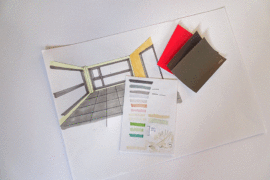
Architectural decisions, from the orientation of a building to the choice of glazing and facade materials, profoundly affect a space’s thermal performance. Designers often integrate passive cooling strategies, but where mechanical cooling is necessary, understanding these inherent thermal loads is crucial for specifying an appropriately sized and efficient system.
A professional load calculation can help determine the appropriate equipment size. Rather than relying exclusively on general sizing charts, homeowners should request an assessment that accounts for the property’s specific characteristics.
Compare Energy Efficiency Ratings
Energy efficiency should be an important part of the purchasing decision because a cooling system can contribute significantly to household electricity consumption. Compare the efficiency ratings available for different models and consider how frequently the system will operate throughout the cooling season.
Homeowners should also look for practical features such as programmable thermostats, variable-speed operation, and appropriate temperature controls. These features can help manage energy use when the system is selected and configured correctly.
Why Professional Installation Matters
Even a high-quality unit may perform poorly if it is installed incorrectly. Improper refrigerant charging, restricted airflow, unsuitable equipment placement, or inadequate drainage can compromise performance and contribute to avoidable service problems.
Professional AC installation helps homeowners select suitable equipment and ensure that the system is installed according to manufacturer specifications and applicable building requirements. A qualified technician can assess the property, evaluate installation options, and verify that the equipment operates as intended.
What Happens During Installation?
Although procedures vary by equipment type and property layout, a typical installation project may involve several important steps:
- Site assessment: Evaluate the cooling requirements, available space, electrical supply, and installation location.
- Equipment selection: Choose a compatible unit with appropriate capacity and efficiency.
- System installation: Position the equipment, establish necessary connections, and address condensate drainage.
- Operational testing: Check airflow, thermostat operation, refrigerant-related measurements where applicable, and overall system performance.
- Customer guidance: Explain routine maintenance, filter replacement, and proper thermostat settings.
Following these steps helps establish a reliable foundation for long-term system performance. Homeowners should also confirm what the installation quote includes, particularly electrical work, permits, removal of existing equipment, and warranty coverage.
Prepare Your Home for Better Cooling Performance
Installation is only one part of maintaining a comfortable indoor environment. Homeowners can also improve cooling performance by reducing unwanted heat gain and keeping the air conditioning system in good condition.
Improve Insulation and Air Sealing
Gaps around windows, doors, and other openings can allow conditioned air to escape while warm outdoor air enters the home. Sealing these gaps and maintaining suitable insulation can reduce the cooling load placed on the system.
These measures are fundamental to sustainable building design, where the building envelope acts as a primary climate moderator. Thoughtful material selection and meticulous detailing in construction contribute significantly to reducing energy demand, making the overall system more efficient and environmentally responsible.
Window coverings can also help limit direct sunlight, especially in rooms with substantial afternoon exposure. These improvements complement a properly sized cooling system and may help reduce unnecessary runtime.
Establish a Regular Maintenance Routine
Routine maintenance supports consistent airflow and helps identify developing problems before they become more disruptive. Homeowners should follow the manufacturer’s recommendations and arrange professional servicing when necessary.
Useful maintenance practices include:
- Inspecting and replacing air filters at the recommended intervals.
- Keeping outdoor equipment clear of leaves, dust, and other obstructions.
- Checking condensate drainage for signs of blockage.
- Monitoring unusual noises, odors, or changes in cooling performance.
- Scheduling professional inspections when recommended by the manufacturer or when problems arise.
A clean filter and unobstructed airflow are simple but important parts of routine care. Maintenance requirements vary by equipment type and operating conditions, so the manufacturer’s guidance should take priority over a universal schedule.
Conclusion
Selecting an air conditioner requires careful consideration of cooling capacity, energy efficiency, property conditions, and installation quality. Homeowners who invest time in evaluating these factors are better positioned to choose a system that meets their comfort requirements without unnecessary operating costs.
Professional installation, combined with appropriate insulation and regular maintenance, can help an air conditioning system deliver dependable performance over time. Before committing to a purchase, compare equipment specifications, review the installation scope, and clarify warranty terms to make a well-informed decision.