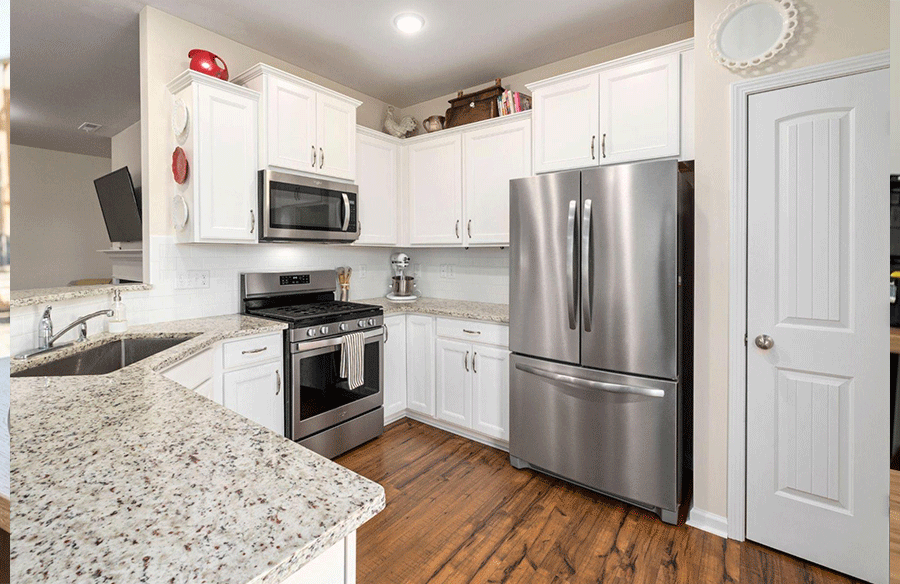
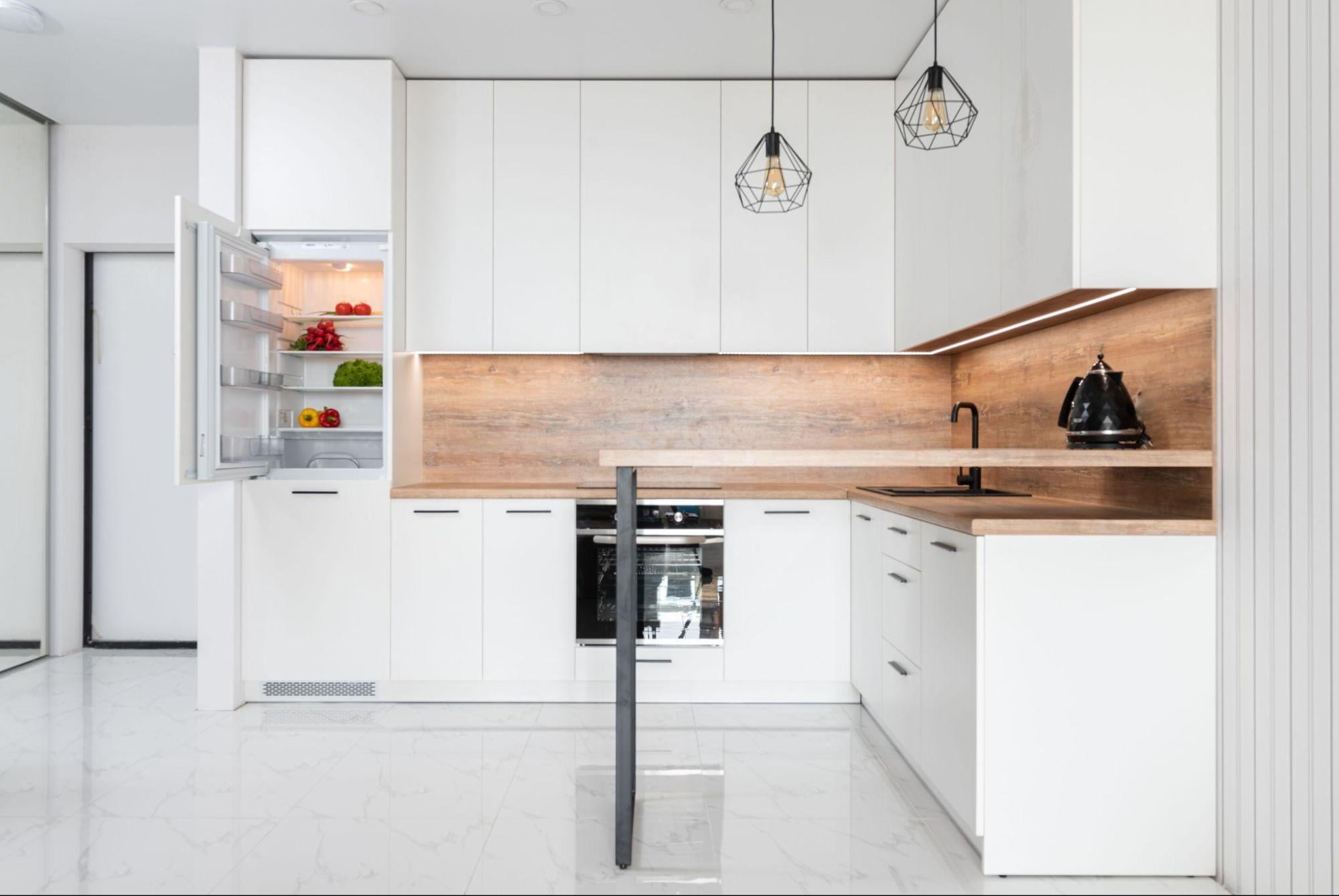
Pre-installed built-in refrigerators are becoming more and more common in new homes. However, the sleek, integrated appearance comes with maintenance trade-offs: owners frequently rely on professional services like subzerorepairspecialist.com when something goes wrong because built-in units are more difficult to access, clean, and fix. It’s useful to understand the maintenance differences between built-in and freestanding refrigerators.
How does ventilation affect refrigerator maintenance?
Ventilation plays a huge role in the upkeep of a refrigerator. Poor ventilation may
- Undermine cooling efficiency
- Overheat the units
- Reduce equipment lifespan
- Increase energy consumption
Whether it is a built-in or a freestanding system, you should always give it one to two inches of clearance at the top and bottom, as well as the back. It ensures that the heat can travel through and leave efficiently.
Usually, for a freestanding unit, it is better to give clearance on all sides. This prevents heat from getting trapped or building up on one side and damaging the equipment.
Built-in refrigerators are specifically designed to be placed in an enclosure. They can generally perform fine with minimal side clearance. Always refer to the manufacturer’s guide for the suggested clearance.
How does cleaning the doors and seals differ between built-in and freestanding refrigerators?
Refrigerator maintenance differs based on the type. Most homeowners will likely find freestanding systems easier to clean.
- Access
Freestanding units are often easily movable. You can move the refrigerator out to give it an all-around clean. However, it can be much more complicated to move a built-in unit.
There are wires and plugs concealed behind the panels. They are difficult to access. Moving it around for cleaning is often not feasible. - Cabinet panels
A lot of built-in refrigerators use wood panels. They are prone to moisture issues. It happens when you clean the edges with excessive water. It may create mold problems.
On the contrary, cleaning the doors and the outside freestanding unit is quite straightforward. The moisture can air out quickly in an open space. It is less susceptible to moisture problems. - Integrated door system
The door of a built-in unit is often mechanically linked to the cabinet door. Food debris can be trapped in the gap. You have to clean the interior gasket and surrounding areas.
Overall, cleaning a built-in refrigerator is slightly more challenging. There are the gasket and movement constraints. It will take more time to clean everything.
Are water lines and ice makers harder to maintain in built-in refrigerators?
In most cases, yes. Built-in refrigerator maintenance is harder because of the water lines and ice makers.
This is because of several reasons.
- Possible higher repair rates
Dispenser problems are common. The intricate design makes it more delicate than other mechanical parts. They may break down more easily.
Warm air is often trapped inside the cabinet for a built-in system. The ice melts and refreezes. The process can lead to clumping and jamming. This is why ice makers may break down more in built-in fridges. - Missed warning signs
Water lines are prone to freezing. But homeowners can’t readily inspect all hidden lines at the back. They may miss a few key warning signs until a big problem arises. - Accessibility
Homeowners may not be able to pull out the fridge. The integrated system connects tightly to the cabinetry. It gives little space for homeowners to work with.
Which refrigerator type is easier to repair when something goes wrong?
Refrigerator maintenance difficulty depends on the specific model. A unit with more built-in features may be more difficult to repair. Also, a unit with more features also faces a higher breakdown risk.
That’s why built-in refrigerators are considered harder to repair. There are quite a few hidden internal layouts. The hidden zones can hide damp and other issues until it’s too late.
Aside from problems with the refrigerator itself, you also have to consider issues with the cabinet. Any molding or cracks have to be addressed. It all adds complexity to the repair.
Work with a licensed contractor to inspect any issues with your refrigerator. They can safely move out the unit for an inspection.
How do routine maintenance schedules compare between built-in and freestanding refrigerators?
Homeowners generally don’t realize the benefits of routine home appliance maintenance. It can keep the equipment efficient and create a safer operating environment.
There is no universal schedule for routine maintenance. But annual maintenance is ideal for any system type. The technician will check the drain lines, coils, and filters. Fixing them early on can ensure food safety.
In conclusion
 Different refrigerator types require different maintenance techniques. Homeowners should choose a system that works with their home. Although the upkeep of a built-in unit may be more complicated, it is still very accessible with the help of qualified technicians.