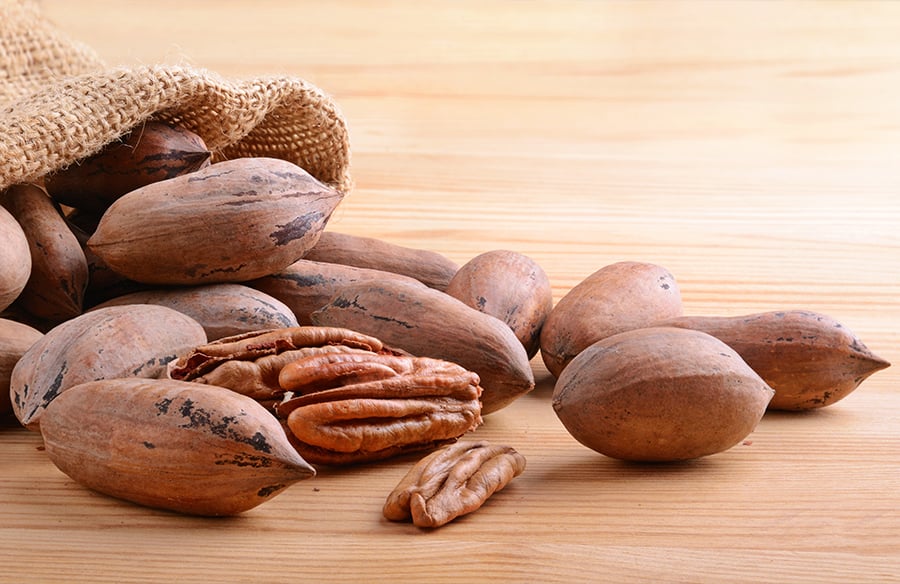
The local pecan nut cultivation sector boasts tremendous possibilities for committed agricultural entrepreneurs. Regions such as the Northern Cape have favorable climates for developing orchards. Farmers are setting up commercial pecan nut plantations in order to cater to the rising international demand for healthy nuts.
Increasing orchard production needs a lot of planning, financial strength, and technical assistance during every stage of this process. Farmers in the local community utilize dependable services to make their business processes easier.
The above services help in solving any problems in the business and enhance productivity of crops in the long run.
Favorable Local Growing Conditions
The local climate is suitable for the growth of high-quality pecan trees since the summers are long and hot, creating this environment. Sufficient sun promotes the rapid growth of trees and enhances the development of the nuts.
Fertile soil in important river valleys provides nutrients that favor the development of strong roots. Hot weather during important flowering periods helps with successful pollination of orchards.
These natural advantages are used by the producers to provide consistent production for foreign consumers.
High Global Demand and Export Opportunities
Demand globally is high, providing opportunities to export pecans from the local region. Global consumers always seek nuts that meet international food standards.
Foreign exchange is earned through the export of in-shell nuts to Asia. Local firms need to rely on experienced agriculture farm services for the ease of such exports. Efficient handling facilitates the delivery of commodities to international destinations without any shipping delays.
Challenges in Orchard Development
Production Time Frames and Upfront Costs
Establishing profitable pecan orchards involves significant capital investment and long waiting periods for growers. Trees require several years of careful maintenance before producing commercially viable nut yields. Financing land preparation, irrigation infrastructure, and saplings requires sound financial management and patience.
The careful design and implementation of irrigation infrastructure, along with thoughtful land preparation, mirror the principles of sustainable architecture. Just as buildings are planned for efficiency and longevity, agricultural sites benefit from integrated design that considers water flow, energy use, and environmental impact, ensuring resilience for future yields.
Unproductive initial years create cash flow constraints that test the resilience of new investors. Proper budgeting remains essential until orchards reach full commercial production and profitability.
Water Resource Management
Water shortage continues to pose a significant problem for producers in arid parts of the country where crops are produced. Effective planning for irrigation becomes essential for maintaining young trees in good condition throughout the season. Growers must implement modern micro-irrigation systems to maximize water efficiency during hot, dry periods.
The adoption of modern micro-irrigation systems represents a sophisticated application of design and engineering. These systems, much like smart building technologies, rely on precise data and material science to optimize resource distribution, minimizing waste and maximizing efficiency in challenging environmental conditions.
Sustainable management of water rights and the creation of storage dams make sure that there is security for crops during droughts. Efficient water management makes sure that there is safety of orchards through resource conservation.
Inputs Costs and Pest Management
High input costs for fertilizers and special equipment may affect farm finances during the initial stages of cultivation. Proper pest management is crucial in protecting growing crops against possible dangers. Stinkbugs and stem borers are some of the biological threats that must be monitored properly by orchard managers.
Utilizing comprehensive services assists producers in procuring necessary pest control measures affordably. Timely interventions protect valuable harvests from suffering costly structural and aesthetic crop damage.
Market Insights and Global Trade
Expanding Asian Export Destinations
Market insights reveal that export channels remain the primary driver of local industry revenue. China and other Asian nations represent massive consumer markets for imported pecans throughout the year.
Local producers must tailor their sorting and grading processes to satisfy specific regional market preferences. Maintaining excellent nut quality helps the country remain a preferred international supplier year after year.
Navigating International Trade Dynamics
Local producers must stay updated regarding international trade tariffs and shifting global supply chain dynamics. Advanced risk management strategies help growers navigate price fluctuations and market changes effectively. Diversifying target markets protects the local sector from economic downturns in single buying regions.
Collaborating through dedicated services gives small producers better collective bargaining power internationally. Strong industry networks help ensure fair market prices during volatile commercial trading seasons.
FAQs
How long does it take for pecan trees to bear fruit?
Commercial pecan trees typically begin producing meaningful yields around six to eight years after planting.
Which regions in South Africa are best for growing pecans?
The Northern Cape along the Orange River valley is the primary region for successful production.
What is the main export market for South African pecans?
China remains one of the largest international markets for South African pecan nut exports.