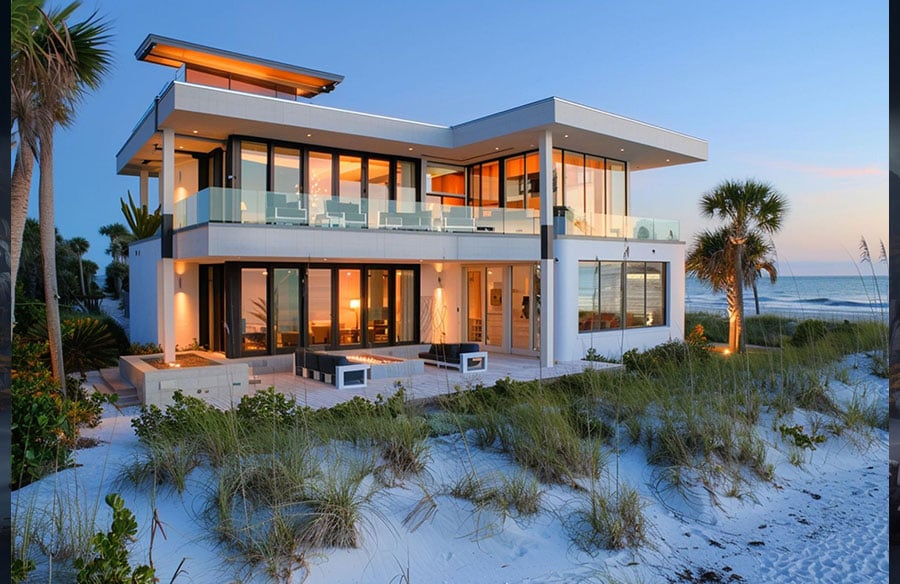
Myrtle Beach has long been known for its 60 miles of sandy coastline, but it’s increasingly becoming a hub for sophisticated, architect-designed residences that rival any luxury coastal market in the country. As more buyers seek permanent or seasonal homes along the Grand Strand, Myrtle Beach luxury homes are evolving to meet the unique demands of oceanfront living—from storm resilience to resort-style interiors. This post explores what it takes to design a beachfront residence that’s as functional and durable as it is beautiful, covering everything from structural requirements to interior finishes, outdoor living spaces, and the investment potential of owning property in this growing coastal market.
Why Myrtle Beach Is Ideal for Luxury Beachfront Homes
Myrtle Beach continues to draw affluent buyers looking for a blend of relaxed coastal living and strong property value growth. The region’s appeal lies in its combination of mild winters, extensive beach access, and a lower cost of living compared to other East Coast coastal markets like the Outer Banks or the Hamptons. This affordability, paired with ongoing infrastructure development, has fueled sustained interest in Myrtle Beach luxury homes among retirees, remote professionals, and vacation-home investors alike.
According to the Coastal Carolina Association of Realtors, the Myrtle Beach area has seen consistent year-over-year growth in median home sale prices, with luxury segment properties often outperforming the broader market due to limited oceanfront inventory. This scarcity of direct beachfront lots has made existing luxury properties increasingly valuable, particularly those designed to maximize both views and resilience.
Beyond market trends, the region’s subtropical climate presents distinct design challenges. High humidity, salt exposure, and the risk of tropical storms and hurricanes all play a role in how coastal homes should be designed, built, and maintained. Any serious buyer or builder in this market needs to understand these environmental factors before breaking ground.
Architectural Considerations for Beachfront Properties
Hurricane and Storm Resistance Requirements
Coastal South Carolina sits within a hurricane-prone zone, so building codes for the region reflect this reality. Homes near the coast are required to meet wind-load standards capable of withstanding sustained hurricane-force winds, and many luxury builders now exceed these minimums using impact-resistant windows, reinforced roof trusses, and continuous load paths that tie the roof to the foundation.
Foundation and Elevation Standards
Myrtle Beach’s coastal construction regulations typically require homes within flood zones to be elevated above the base flood elevation determined by FEMA flood maps. This often means building on pilings or raised foundations, which not only meets code but also protects the home from storm surge and flooding during severe weather events.
Material Selection for Coastal Durability
Salt air accelerates corrosion and wear on building materials, so material selection is critical. Stainless steel fasteners, marine-grade finishes, fiber cement siding, and impact-rated glass are common choices for luxury coastal builds. These materials help minimize long-term maintenance costs while preserving the home’s structural integrity and curb appeal.
Interior Design for Coastal Living
The best beachfront homes are designed to bring the outside in. Open floor plans with expansive glass walls and sliding doors allow uninterrupted ocean views and plenty of natural light, while also creating a seamless flow between indoor and outdoor living spaces.
Color palettes tend to reflect the coastal environment—soft blues, sandy neutrals, and crisp whites dominate, often accented with natural textures like woven jute, weathered wood, and linen upholstery. These design choices create a relaxed, airy atmosphere that complements the setting without feeling overly themed or dated.
Functional layouts matter just as much as aesthetics. Many Myrtle Beach luxury homes are designed with entertaining in mind, featuring open kitchens with large islands, multiple living areas, and guest suites that accommodate extended family or visiting friends during peak vacation seasons.
Outdoor Living Spaces and Landscaping
Outdoor living is central to the Myrtle Beach lifestyle. Elevated decks and covered patios designed to withstand wind and salt exposure give homeowners a place to relax while taking in ocean views. Many luxury properties also incorporate outdoor kitchens, fire features, and shaded lounge areas to extend usability throughout the year.
Landscaping in coastal environments requires careful plant selection. Native, salt-tolerant species like sea oats, yaupon holly, and muhly grass not only thrive in sandy soil but also help control erosion—a critical consideration for any home situated close to the dune line.
Pools and water features are popular additions, often designed with infinity edges or elevated positioning to complement ocean views. These installations require coastal-specific engineering to withstand storm conditions and resist corrosion from salt spray.
Essential Amenities and Features
Modern beachfront buyers expect more than just a beautiful view. Smart home technology—including remote-controlled storm shutters, automated irrigation, and integrated security systems—has become a standard feature in many luxury coastal properties.
Energy efficiency is another priority, particularly given the demands of running air conditioning systems in a humid climate for much of the year. High-performance insulation, energy-efficient HVAC systems, and solar options can help offset utility costs while supporting sustainability goals.
Security and privacy also play a larger role in luxury beachfront design. Gated access, perimeter lighting, and thoughtful site planning allow homeowners to enjoy their property without sacrificing a sense of seclusion, even in popular tourist areas.
Investment Value and Market Outlook
Beyond lifestyle appeal, Myrtle Beach luxury homes represent a compelling long-term investment. Limited oceanfront land, growing demand, and the region’s enduring popularity as a vacation destination all support continued appreciation in property values over time.
Many owners also generate rental income by listing their properties as vacation homes during peak travel seasons. The area welcomes millions of visitors annually, creating consistent demand for high-end short-term rentals. This dual benefit—personal enjoyment paired with income potential—makes luxury beachfront property an attractive option for buyers looking to diversify their real estate portfolio.
Building Your Coastal Dream Home
Designing the ideal beachfront residence in Myrtle Beach means balancing architectural beauty with the practical realities of coastal living. From storm-resistant construction and elevated foundations to open interior layouts and resilient landscaping, every design decision plays a role in creating a home that’s both livable and lasting.
Working with architects and builders experienced in coastal construction is essential to navigating local regulations and environmental challenges effectively. If you’re considering investing in Myrtle Beach luxury homes, now is an excellent time to explore available properties and start planning a residence built to thrive by the sea.