“One thing leads to another – that’s how great ideas come about,” a quote by Anna Efverlund.
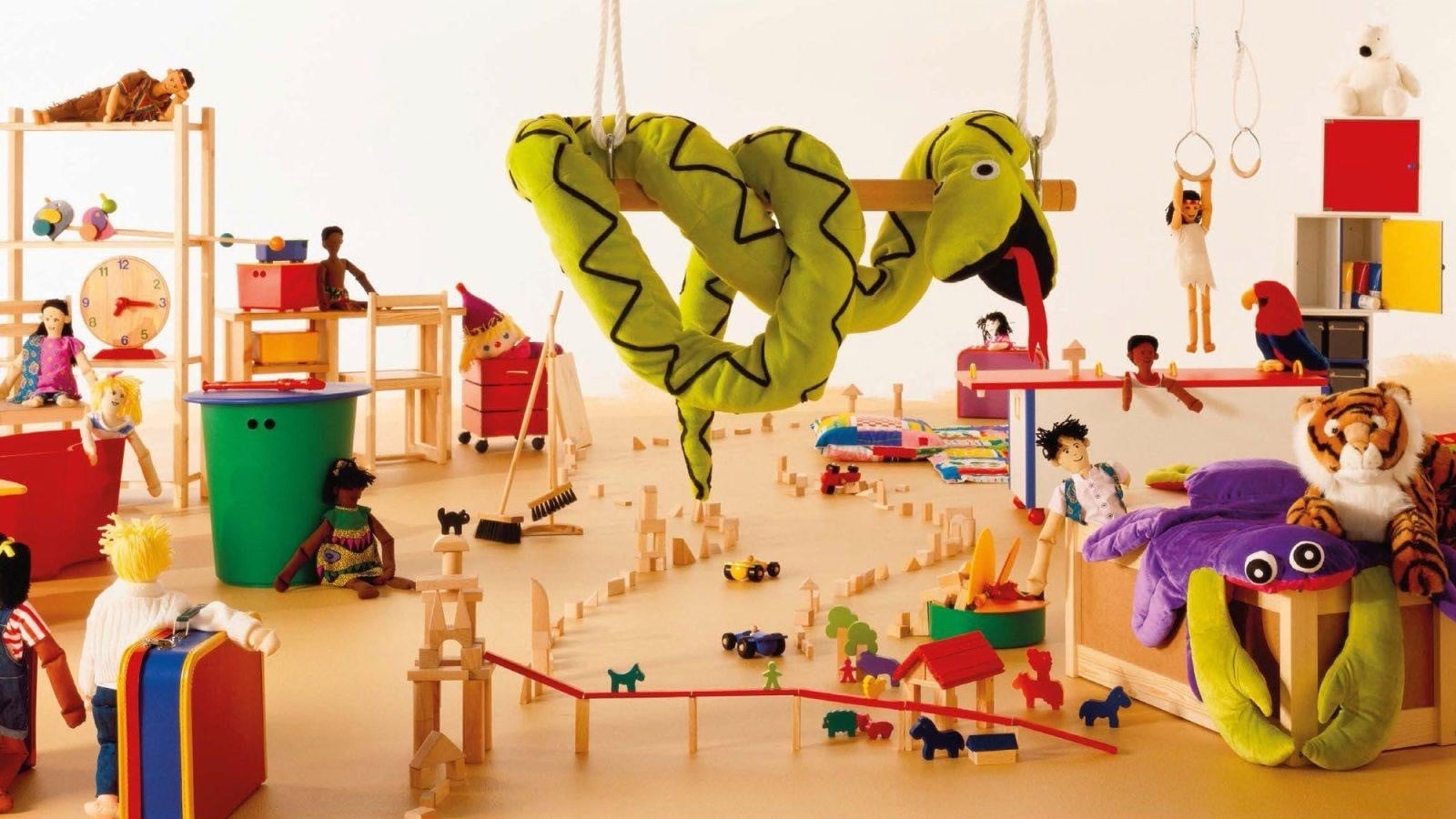
Anna Efverlund’s inventiveness, fascination with materials, and willingness to bring youthful creativity to life characterise her distinctive design. Her work is defined by a highly playful approach, ranging from brilliant textiles to soft toys and practical lighting.

A Childhood Filled with Color and Curiosity
School was always a struggle for Anna, as she had dyslexia, which made her life difficult. Yet her fascination with materials started at a young age, when she spent hours playing with her grandmother’s colourful buttons. The same fascination inspired her design work, bringing ordinary objects to life. “As a designer for IKEA, you need to think differently and have a childlike mindset.
Anna went to study industrial design in 1970 and set a personal goal to leave Sweden by the age of 27. In 1977, Anna moved to Brazil as the chief designer for a Swedish bike company. After that, she started a new chapter in her life, as she decided to move to IKEA, a Swedish company that was to revolutionise the affordable furniture market.
An Ideology Built Around People and Possibility
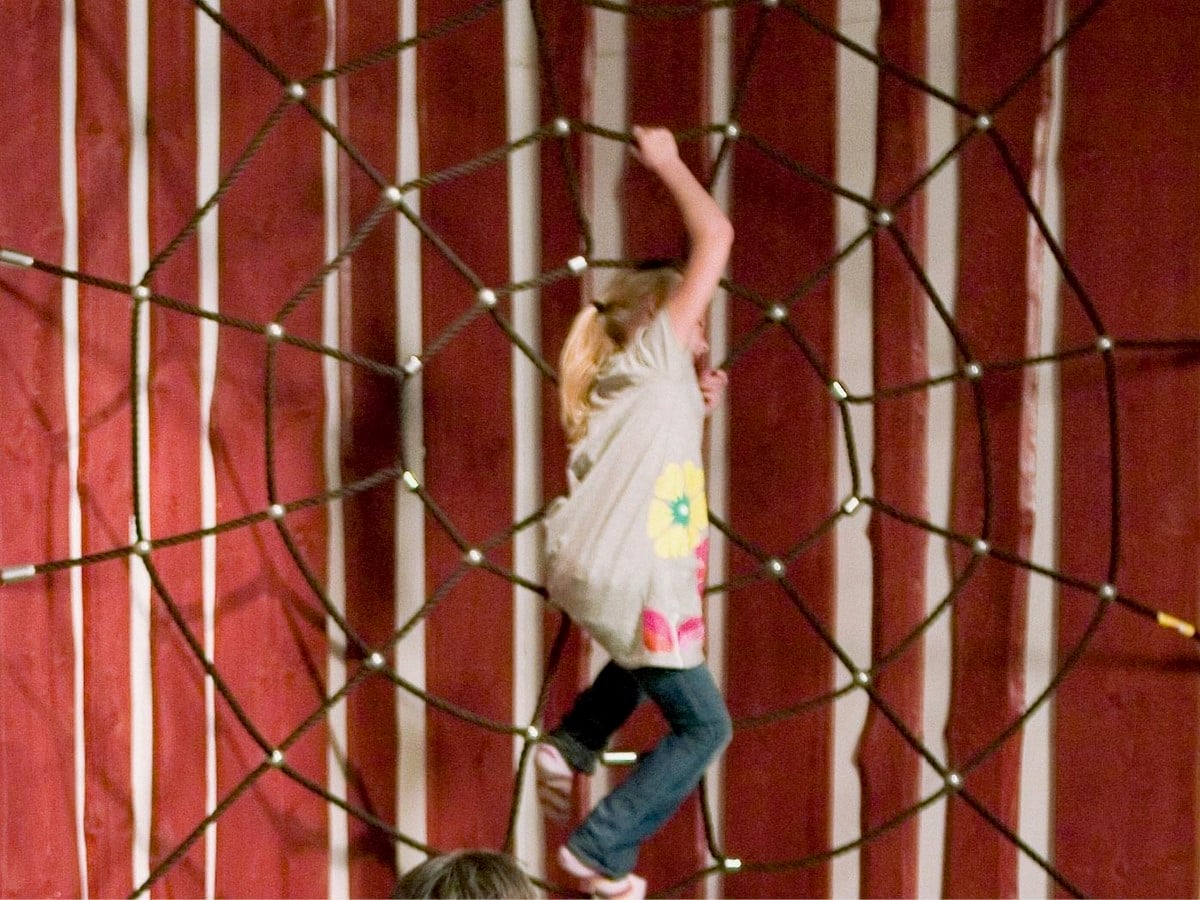
Her design thinking was deeply connected to the idea of democratic design, which is seen in her efforts to create products with good design, functionality, quality, and sustainability that are accessible to all. While IKEA may seem like a traditional pioneer of cheap pine furniture, the company always had a playful side. In the interview, Efverlund showed the journalist some of her design pieces, such as a giant plastic duck for children to ride. Such a daring and innovative approach made Anna one of the leading designers in the company. Her work with plastics and other materials made her a perfect fit for the position at IKEA, where she began to develop practical and creative ideas for the company. Efverlund has brightened up people’s homes and made them co-creators of design. Working in an environment where people laughed and played helped Anna produce more successful projects. The design thinking of Anna Efverlund fits into the overall IKEA design philosophy of offering excellent value through functionality and quality. Yet, by focusing on her own strengths, such as creativity and a sense of play, she was able to find a niche within the company that matched her skills and ambitions. Anna’s designs were characterised by her attention to the needs and desires of the consumer. In her work, she always tried to look at products from the user’s perspective, focusing on the functions that could bring them joy and ease of use. Her design thinking was informed by the Scandinavian design traditions that respect the user’s attitude to the product and its place in their life. Anna Efverlund always tried to make things that mattered, offering an excellent balance between form and function.
A Philosophy of Simplicity, Function, and Joy
One of the other notable aspects of the IKEA design philosophy, which Efverlund strongly believed in, was simplicity. This characteristic had always been part of IKEA product design, along with functionality, exceptional quality, and sustainability. While Anna’s work always focused on creativity and play, these ideas fit perfectly into the concept of simplicity as applied to product design. Her designs show that affordable products do not have to be bland, as they can be full of character and spark joy.
Anna would often mentor young designers at IKEA, helping them settle into the new workplace. She always strove to inspire young people to be less afraid and share their ideas, as their first few weeks in a new environment were always scary. In addition, she participated in many charitable projects, such as the IKEA Foundation in cooperation with UNICEF. In particular, her work with local women and their children allowed her to support the empowerment of women while supporting education.
Her design thinking was not limited to IKEA, and Efverlund went on to explore other creative fields after leaving IKEA in 2014. Sewing, embroidery, and other crafts became a huge part of her life, and she always saw creativity as a vital part of her existence. Yet Anna Efverlund’s creativity always remained playful and innovative, which later helped her to develop her own unique identity. Working at IKEA, a company that promoted affordable and pioneering product design, allowed Anna to combine her creativity with a global audience.
How Her Ideas Live Through Her Designs
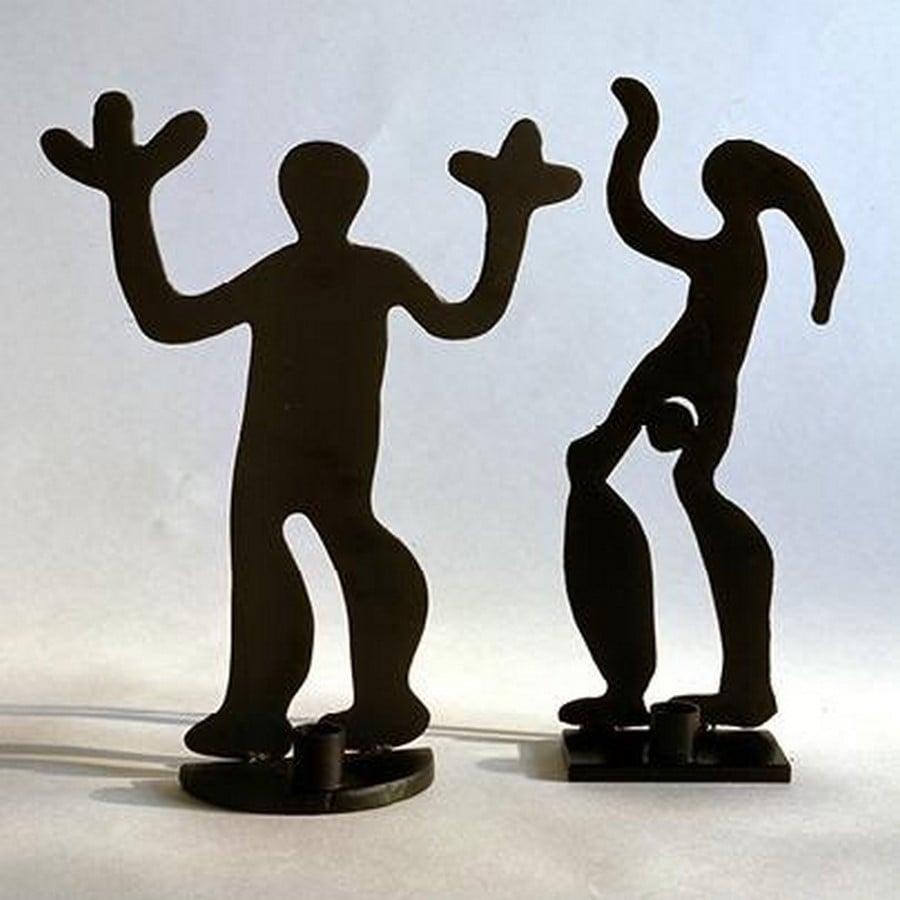
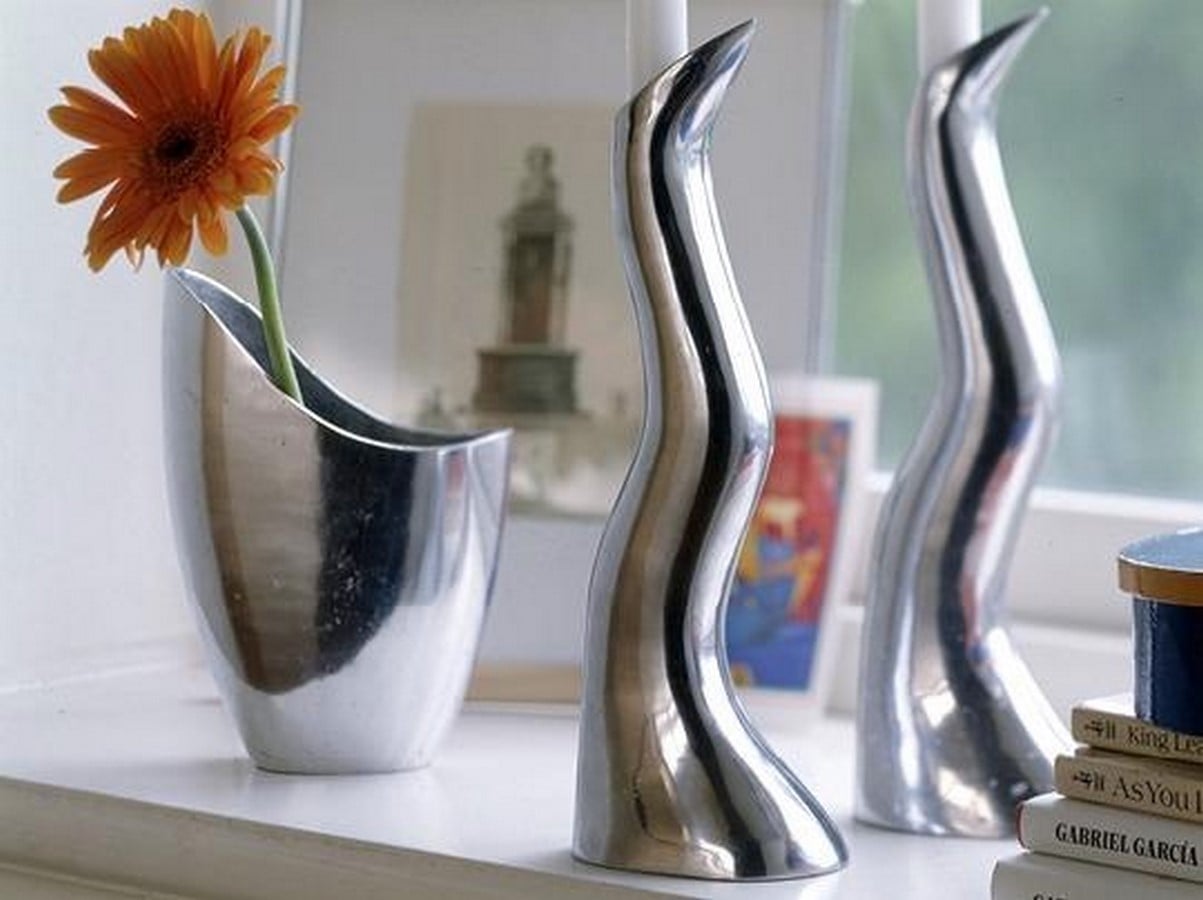
Anna Efverlund’s designs of iconic brutalist vases are an example of her innovative approach to the design of homeware. With their unique take on mid-century modern style, these pieces feature a bold architectural silhouette and rough cast metal surface to create a real statement piece in any room. A fantastic addition to any collector’s display, these unusual yet beautiful vases will liven up any interior space. Thus, Efverlund’s impact on the design world goes far beyond her own pieces. By encouraging others to embrace their playful side and daring to create products that could bring consumers joy and play, Efverlund has helped shape IKEA’s design ethos and inspired generations of young designers. Anna’s work and her design thinking represent the best of IKEA design principles, showing how an affordable retailer can pioneer new ways of making furniture and homeware. Throughout her time at IKEA, Efverlund was a true innovator who never failed to surprise. She had a hand in the development of numerous groundbreaking products while being guided by her own principles and a commitment to democratic design. Ultimately, Anna Efverlund’s legacy is built upon the unique combination of her talent, creative approach, and willingness to embrace challenges. In the end, the three principles of play, practicality, and curiosity can be used to understand Anna Efverlund’s work better. Anna Efverlund’s work is built upon a set of fundamental principles that include qualities such as curiosity and accessibility.
References:
IKEA Museum. (2025). Discover designer Anna Efverlund – IKEA Museum. [online] Available at: https://ikeamuseum.com/en/explore/designer-portraits/anna-efverlund/ [Accessed 29 Sept. 2026].
Anna Efverlund. (2021). Wikipedia. Available at: https://sv.wikipedia.org/w/index.php?title=Anna_Efverlund&oldid=49594092 [Accessed 29 Sept. 2026].