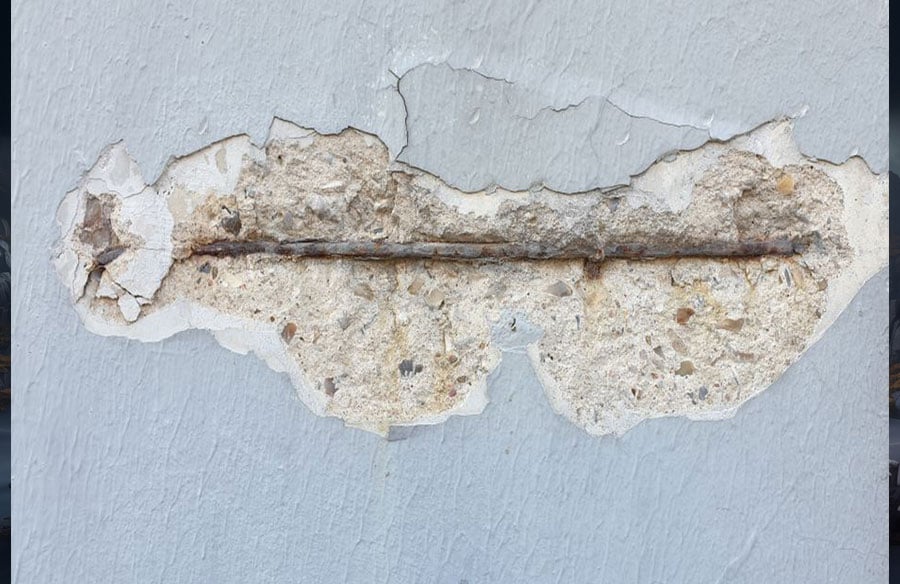
You usually notice a burst pipe right away. Hidden water damage is trickier. It can sit behind a wall, under flooring, or above a ceiling while your home slowly absorbs the problem like a very expensive sponge. If you catch it early, you can avoid structural repairs, mold growth, and that stubborn musty smell that makes every room feel a little off. Knowing what to watch for gives you a real advantage.
Use Simple Tests to Confirm Moisture Problems
You don’t need a contractor’s toolkit to do a basic water-damage check. A few practical steps can help you confirm whether something is off.
Start with touch. Press gently on suspicious drywall or wood trim. If it feels soft, crumbly, or unusually cool, moisture may be present. Check whether paint flakes off easily or if caulk around sinks and tubs is separating.
Next, monitor your water bill. A sudden increase without any obvious change in usage can point to a hidden plumbing leak. You can also turn off all water fixtures and watch your meter. If it keeps moving, you may have a leak somewhere in the system.
A moisture meter can help if you want more certainty. These are widely available and useful for checking walls, floors, and wood framing. For recurring dampness, musty smells, or visible deterioration, homeowners often bring in disaster restoration services to assess damage, dry affected materials, and handle repairs before conditions get worse.
Start With the Small Clues Your House Gives You
Hidden water damage rarely begins with a dramatic ceiling collapse. More often, it starts with subtle changes you could easily brush off during a busy week.
Pay attention to yellow or brown stains on ceilings, bubbling paint, warped baseboards, and flooring that feels soft or slightly raised. A patch of wall that suddenly looks dull, swollen, or uneven can signal moisture trapped behind drywall.
Your nose helps too. If one room smells musty even after cleaning, moisture may be feeding mold inside walls, under carpet, or around insulation. Listen for clues as well. A faint dripping sound when no faucet is running can point to a plumbing leak hiding in plain sight.
Think of these warning signs as your house sending push notifications, only less convenient and much more expensive if ignored.
Check the Most Common Leak Zones First
Some areas are repeat offenders. If you want to catch hidden water damage early, inspect the parts of your home where leaks most often start.
Begin under sinks, behind toilets, around tubs, and near washing machines, dishwashers, and refrigerators with water lines. Appliance leaks often stay unnoticed because they spread slowly under cabinets or flooring. By the time you spot discoloration, the subfloor may already be affected.
Look up too. Roof leaks often appear around attic spaces, skylights, vents, chimneys, and the edges of upper-floor ceilings. After heavy rain, check for damp insulation, dark wood framing, or tiny drips along rafters.
Basements and crawl spaces also deserve attention. These areas tend to trap humidity and can develop mold fast. If cardboard boxes feel damp or concrete smells earthy and stale, moisture may be sneaking in through foundation cracks or poor drainage outside.
Don’t Underestimate Mold and Musty Smells
Water damage is bad enough on its own. Mold makes the situation messier, and not just for your walls.
If moisture lingers for more than a day or two, mold can begin to grow on drywall, wood, carpet backing, and insulation. You might not see it right away. Hidden mold often shows up first as that stale, damp smell that seems strongest in closets, bathrooms, laundry rooms, or corners with weak airflow.
Some people notice symptoms before they notice the source. Sneezing, irritated eyes, headaches, or worsened allergies can become more common in affected rooms. That doesn’t confirm mold on its own, but it’s a reason to investigate.
Surface cleaning won’t solve a hidden moisture issue. If the source remains active, mold usually returns. The fix involves identifying where water is getting in, drying materials thoroughly, and replacing anything too damaged to recover. Air freshener can’t negotiate with mold. It only loses politely.
Protect Structural Materials Before Damage Spreads
A slow leak may seem harmless because it doesn’t flood the room. In reality, slow leaks can be the most destructive because they keep feeding moisture into building materials over time.
Drywall weakens, wood framing can rot, and insulation loses effectiveness once it becomes wet. Floorboards may cup or buckle. Cabinets can swell and pull away from the wall. If water reaches electrical wiring, the repair scope becomes even more serious.
This matters in homes where design details and finishes carry a lot of value. A hidden leak behind tile, custom millwork, or engineered wood flooring can lead to both structural and cosmetic losses. Even modern materials marketed as durable have limits when moisture lingers.
Quick response changes the outcome. Shutting off the water supply, improving ventilation, and removing wet materials early can prevent a repair from snowballing into a full reconstruction project. Delay usually gives water more territory, and water is annoyingly ambitious.
Build a Prevention Routine That Actually Works
The best way to handle hidden water damage is to make your home harder to surprise. That means creating a realistic inspection routine instead of waiting for obvious trouble.
Walk through bathrooms, kitchens, laundry areas, attics, and basements once a month. Look for stains, warped materials, loose caulk, and unexplained odors. After major storms, inspect ceilings and attic spaces for roof leaks. Pull appliances slightly away from walls once in a while and check the floor around supply lines.
Outside, keep gutters clear and make sure downspouts push water away from the foundation. Trim back branches that can damage roofing and seal exterior gaps around vents and windows. If your home has older plumbing, periodic professional inspections can catch weaknesses before they fail.
Most hidden water damage starts as a manageable issue. The expensive version usually appears when small warning signs get ignored for months. Stay observant, act early, and treat moisture like the uninvited guest it is. If it sneaks in, don’t let it settle down and redecorate.
Final Thoughts
Hidden water damage doesn’t need to become a full-blown home crisis. If you learn the signs, check the highest-risk areas, and respond quickly, you can stop minor leaks from turning into structural repairs, mold cleanup, and major expense.
A little vigilance goes a long way. Watch for stains, odors, warping, and rising water bills. Investigate changes instead of hoping they disappear. Homes tend to reward attention and punish delay. Spot the problem early, and you keep control of the repair instead of letting the repair take control of your home.