There are few things more frustrating than turning on your air conditioner on a hot summer day and realizing that your house isn’t getting any cooler. You can hear the system running, feel air coming from the vents, and still find yourself sweating on the couch. So, what’s going on?
If your air conditioner is running but not cooling your home, several things could be causing the problem. Some are easy to fix yourself, while others may require professional HVAC service. Here’s what to check before the problem gets worse.
1. Check Your Air Filter
A dirty air filter is one of the most common reasons an air conditioner struggles to cool the space. Your HVAC system needs proper airflow to work efficiently. When dust, dirt, and debris clog the filter, less air can move through the system, making it harder to keep the residence comfortable.
Start by checking your filter. If it looks dirty or hasn’t been changed in a while, replace it with the correct size and type for your system. Depending on your household, pets, and filter type, you may need to replace it every one to three months.
If your filter is clean but the house still isn’t cooling, it’s time to look at other possible causes.
2. Make Sure Your Thermostat Is Set Correctly
Sometimes, the problem is simpler than you might expect. Check your thermostat to make sure it’s set to Cool rather than Heat or Fan Only. If the fan is set to run continuously, it may circulate air even when the system isn’t actively cooling it.
Also, check the temperature setting and batteries if your thermostat uses them. If the thermostat is in direct sunlight or near a heat-producing appliance, it may not accurately reflect the temperature throughout the property.
If everything looks correct but the AC still isn’t cooling, the thermostat itself or its connection to the HVAC system may need attention.
3. Inspect the Outdoor AC Unit
Your air conditioner has an outdoor condenser unit that releases heat removed from inside the building. If the unit is covered in dirt, leaves, grass clippings, or other debris, it may struggle to release that heat efficiently.
Look around the outdoor unit and make sure plants, weeds, and other objects aren’t blocking airflow. Keep the area clear and avoid placing anything directly against the equipment.
If the unit is heavily soiled, damaged, or making unusual noises, a professional inspection may be necessary. Turn the system off if you notice burning smells or signs of electrical damage.
4. Your AC May Have a Refrigerant Leak
Refrigerant is essential for transferring heat out of the building. If your system has a refrigerant leak, it may run for long periods without adequately cooling the air.
Common warning signs include warm air coming from the vents, longer cooling cycles, ice forming on refrigerant lines or the indoor coil, and a noticeable decline in cooling performance.
Refrigerant problems require professional diagnosis and repair. Simply adding more refrigerant won’t solve the underlying issue if a leak is present. If you suspect a leak or notice ice buildup, turn off the cooling system and contact an HVAC professional.
5. Check for Blocked Vents or Ductwork Problems
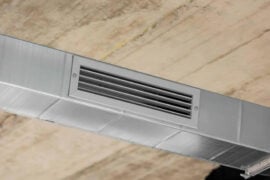
Your AC might be producing cool air, but that air still needs to reach every room. Closed or blocked vents, leaky ductwork, and other airflow restrictions can prevent the interior from cooling evenly.
Walk through your house and make sure furniture, rugs, and curtains aren’t covering supply or return vents. If some rooms are much warmer than others or airflow seems unusually weak, there may be a ductwork issue.
Thoughtful interior design extends beyond aesthetics to consider how furnishings and room layouts impact a home’s functional systems. Integrating HVAC considerations into space planning ensures optimal airflow and temperature distribution, contributing to both comfort and energy efficiency within the built environment.
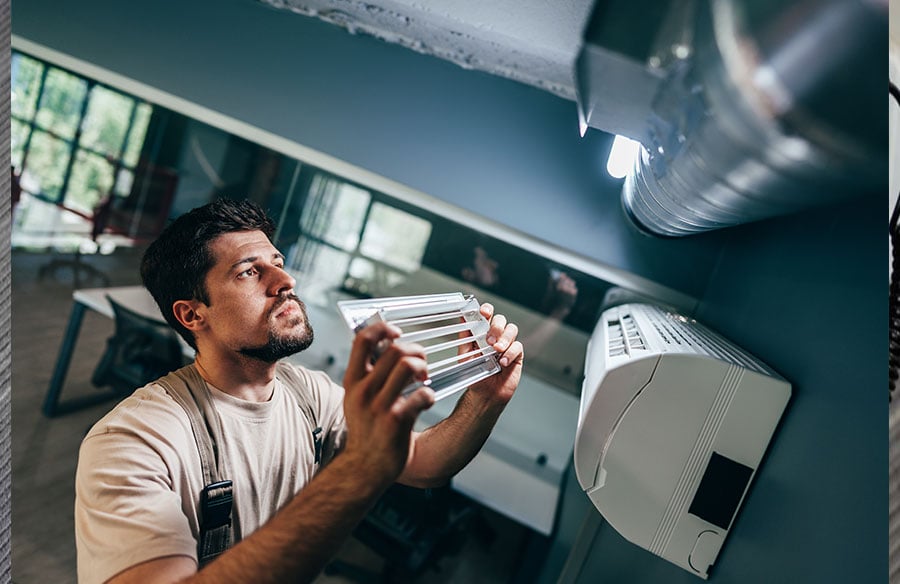
An HVAC technician can inspect the system and determine whether a repair or airflow adjustment is needed.
When Should You Call for AC Repair?
If you’ve checked your thermostat, replaced a dirty filter, and cleared obvious obstructions but the residence still isn’t cooling, don’t keep forcing the system to run. Persistent cooling problems can increase energy use and may place additional strain on HVAC components.
Energy efficiency is a cornerstone of modern architectural and building design. Understanding how HVAC systems consume power and optimizing their performance is crucial for reducing a home’s environmental footprint and contributing to more sustainable living spaces.
Professional AC repair Idaho Falls can help identify whether the issue involves refrigerant, electrical components, the blower motor, coils, or another part of your system.
Get Your Home Cool and Comfortable Again
An air conditioner that runs without cooling the house can have several causes, from a clogged filter to a more complicated mechanical problem. A few basic checks may solve the issue, but persistent symptoms are worth having inspected.
If your AC isn’t keeping up with the summer heat, a professional Idaho Falls HVAC technician can help you find the cause and get the cooling system back on track. Addressing problems early can help restore comfort and prevent a minor issue from turning into a more expensive repair.