High-Impact Residential HVAC and Plumbing Upgrades for Modern Homes
As homeowners, we constantly seek ways to enhance our living spaces, lower expenses, and contribute to a more sustainable future. Our homes’ essential systems—HVAC and plumbing—play a critical role in achieving these goals.
With utility costs continuing to climb and older infrastructure aging, the performance of our residential HVAC and plumbing systems has never been more critical. Outdated systems can lead to uncomfortable homes, unexpected breakdowns, and significantly higher operating costs.
 This article will explore the compelling reasons behind upgrading these vital systems. We will delve into the clear signs that indicate a need for replacement, the significant financial and comfort benefits of modern solutions like heat pumps and smart electrical panels, and how to navigate the process of whole-home electrification. This includes understanding best practices for new heating and cooling installation. Crucially, we’ll also reveal how to leverage federal tax credits and state and local rebates available in 2026 to make these investments more affordable.
Modernizing your home’s HVAC and plumbing systems goes beyond simple repairs; it’s an investment in efficiency, comfort, and long-term savings. The advancements in technology mean today’s systems are far more sophisticated and energy-efficient than those even a decade ago.
Key upgrades include the adoption of variable-speed heat pumps, which offer precise temperature control and significantly lower energy consumption compared to traditional on/off systems. These units modulate their output to match demand, avoiding the energy spikes of older technology. Similarly, hybrid water heaters, or heat pump water heaters (HPWHs), extract heat from the ambient air to warm water, using 60-70% less electricity than conventional electric resistance models.
Such advancements in energy technology are increasingly shaping architectural design, pushing for integrated systems that not only perform efficiently but also contribute to the aesthetic and functional coherence of a building. The choice of HVAC and water heating systems now directly influences a home’s energy footprint and its potential for sustainable certification, becoming a core consideration in early design phases.
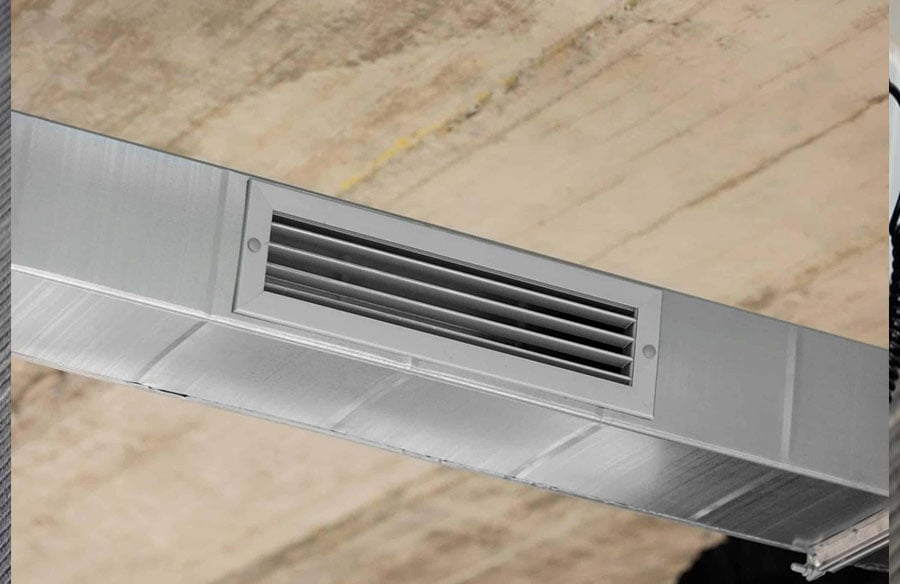
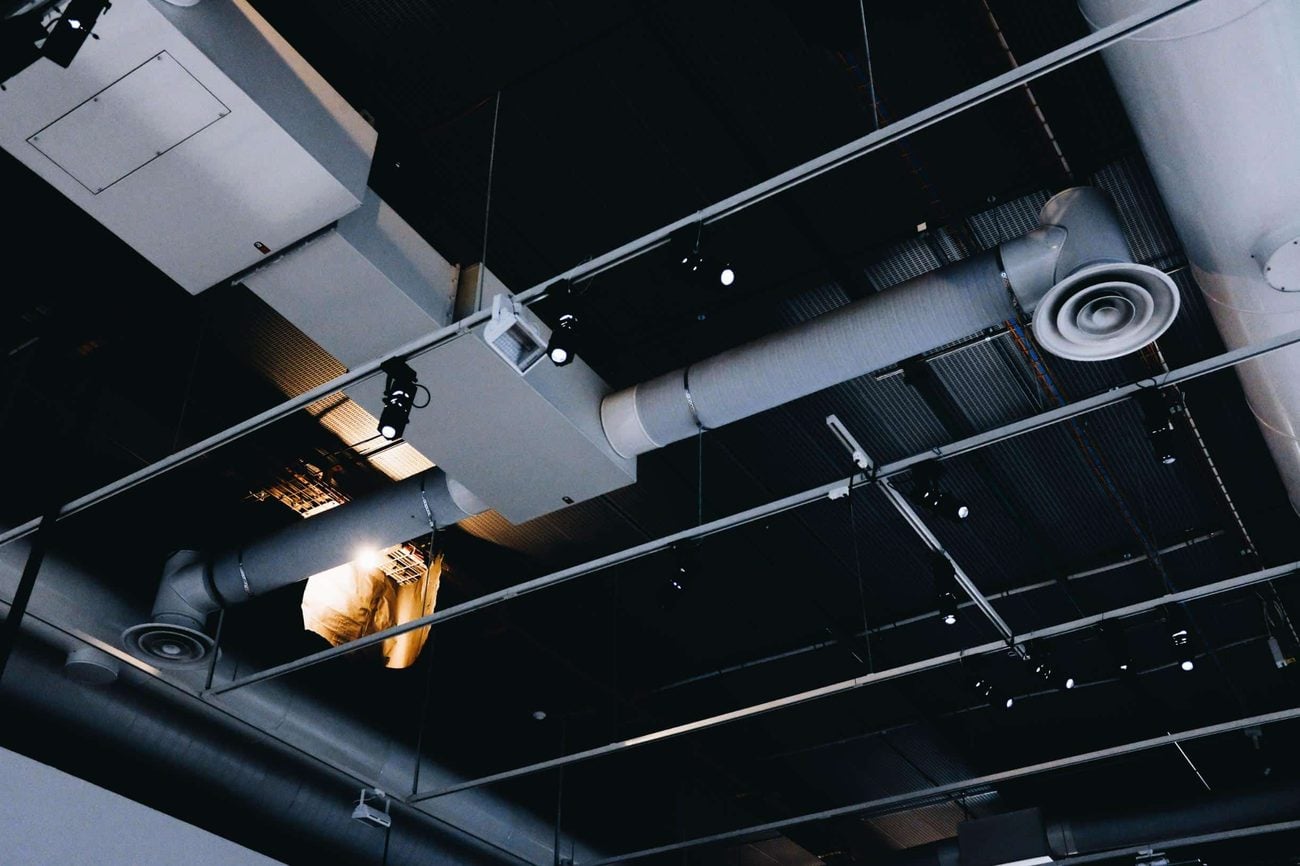
Ductwork optimization is another critical, often overlooked, upgrade. Even the most efficient HVAC unit will struggle if its conditioned air leaks out through poorly sealed or uninsulated ducts. Upgrading to R-8 insulated ductwork and ensuring proper sealing can drastically improve system performance. Finally, smart electrical panels, such as those from SPAN, act as the “brain” of an electrified home, providing real-time energy monitoring, remote control, and enhanced safety features. These panels are increasingly important as homes integrate more high-draw electric appliances.
The integration of smart electrical panels and optimized ductwork represents a convergence of building systems and digital intelligence. Architects and designers are now tasked with seamlessly incorporating these sophisticated technologies, ensuring they are not only functional but also visually discreet and contribute to a streamlined, modern living environment. This often involves careful planning of utility spaces and the aesthetic concealment of infrastructure.
When evaluating equipment, look for high SEER2 (Seasonal Energy Efficiency Ratio 2) and HSPF2 (Heating Seasonal Performance Factor 2) ratings, which indicate superior energy efficiency. While initial costs for high-efficiency equipment might be higher, their extended lifecycles and reduced operating expenses offer substantial long-term value.
Core Benefits of Modernizing Residential HVAC and Plumbing Upgrades
The decision to upgrade your home’s core systems yields a multitude of benefits that extend far beyond simply replacing old equipment.
- Energy Efficiency: Modern heating and water heating systems are engineered for maximum efficiency, translating directly into lower utility bills. For example, inverter-driven units can reduce HVAC energy consumption by up to 30% compared to traditional units.
- Utility Reduction: By electrifying heating and hot water, homeowners can significantly reduce or eliminate their reliance on natural gas, leading to substantial savings, especially as gas prices fluctuate. Many fully electrified homes can save 9,000 annually before inflation.
- Continuous Comfort: Variable-speed HVAC systems maintain a more consistent indoor temperature, eliminating the hot and cold spots often experienced with older, single-stage systems. This leads to a more comfortable living environment year-round.
- Zoned Heating and Cooling: Many modern HVAC systems can be integrated with zoning capabilities, allowing different areas of the home to be heated or cooled independently, further enhancing comfort and efficiency.
- Reduced Carbon Footprint: Switching from fossil-fuel-dependent systems to electric alternatives, especially when paired with renewable energy like solar, dramatically lowers a home’s greenhouse gas emissions, contributing to environmental sustainability.
- Improved Air Quality: Electrification removes combustion byproducts from the home, and modern HVAC systems often incorporate advanced filtration, leading to cleaner indoor air.
- Smart Controls: Integration with smart thermostats and electrical panels allows for remote monitoring, scheduling, and optimization of energy usage, putting homeowners in control of their comfort and costs.
System Warning Signs Demanding Immediate Replacement
Ignoring the warning signs from your HVAC and plumbing systems can lead to costly emergencies, discomfort, and wasted energy. Recognizing these indicators early can help you plan for proactive upgrades.
For HVAC systems, look out for:
- Frequent Short-Cycling: If your furnace or AC turns on and off too frequently, it’s inefficient and indicates an underlying issue, often with sizing or mechanical components.
- Rising Energy Bills: A sudden or gradual increase in heating or cooling costs without a change in usage patterns is a strong sign that your system is losing efficiency.
- Uneven Temperatures: Cold spots in some rooms and warm spots in others suggest poor airflow, duct issues, or an aging system struggling to distribute conditioned air effectively.
- Loud Noises: Grinding, banging, squealing, or persistent rattling sounds from your HVAC unit are red flags for mechanical problems.
- Compressor Failure: This is a major component failure in AC units and modern heating systems, often signaling the end of the system’s life.
- Legacy Refrigerant (R-22): If your AC or heating unit uses R-22 refrigerant, it’s an outdated system. R-22 is being phased out, making repairs expensive and parts difficult to find.
For plumbing systems, particularly water heaters:
- Water Heater Rust: Rust-colored water or visible rust on the water heater tank itself indicates internal corrosion, a precursor to leaks and failure.
- Frequent Leaks: Any recurring leaks from pipes or fixtures can suggest aging infrastructure that needs attention.
- Low Water Pressure: While sometimes due to municipal issues, low water pressure throughout the home can also signal corroded pipes or issues with the water heater.
- Breaker Trips: If your electric water heater or other high-draw appliances frequently trip circuit breakers, it can point to an overloaded electrical panel or a failing appliance.
If your systems are over 10-15 years old and exhibiting any of these symptoms, it’s likely time to consider an upgrade to more reliable and efficient modern alternatives.
Planning and Sequencing Whole-Home Electrification
Electrifying your home is a strategic process that involves careful planning to maximize efficiency, savings, and comfort. It’s not just about swapping out one appliance for another; it’s about creating an integrated, energy-efficient ecosystem.
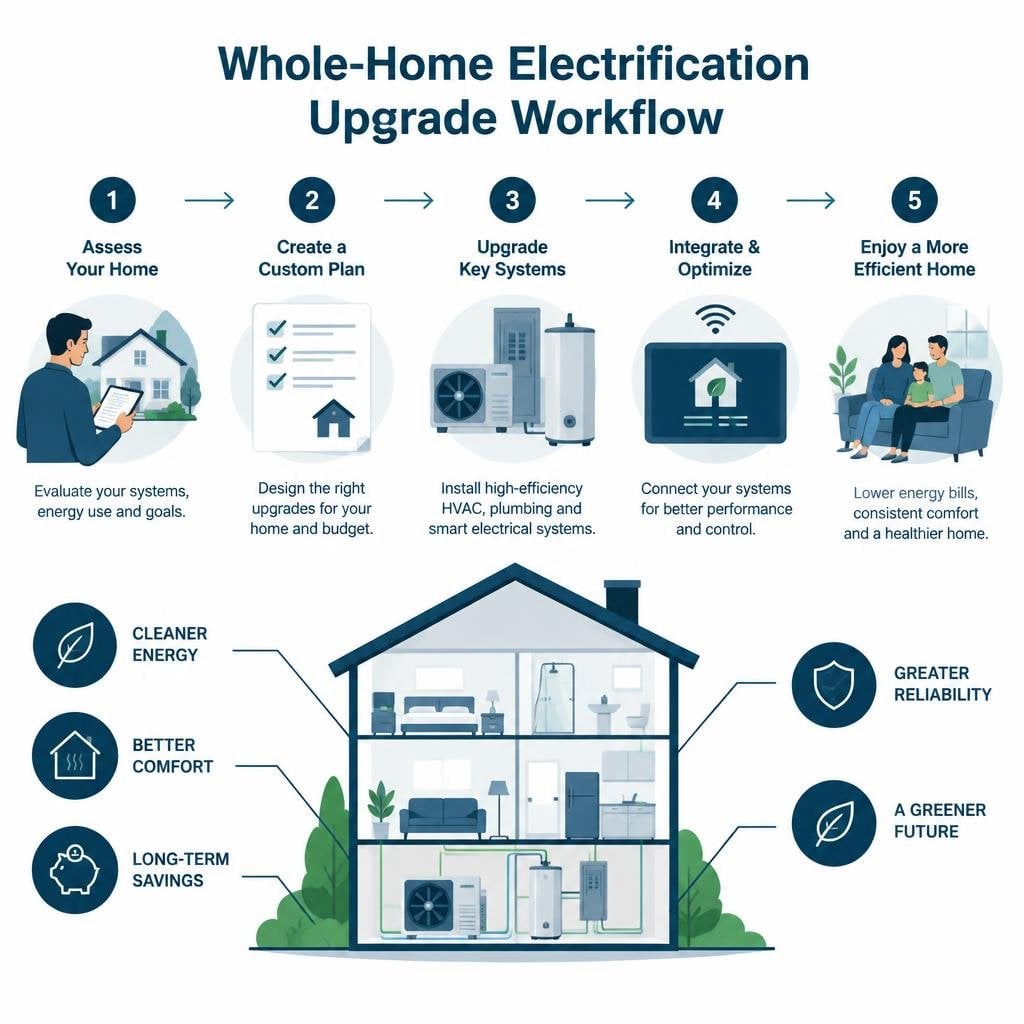
 The journey typically begins with a thorough understanding of your home’s current energy consumption and structural integrity. An energy audit will assess your home’s insulation, air sealing, window efficiency, and existing HVAC and water heating systems. Based on this, it can identify areas for improvement, calculate your home’s heating and cooling load, and recommend the right-sized equipment.
Crucially, before introducing high-demand electric appliances like modern HVAC systems and EV chargers, you’ll need to evaluate your home’s electrical capacity. Many older homes have 100-amp service panels that are insufficient for a fully electrified setup, necessitating an upgrade to a 200-amp service.
Project phasing is also key. Rather than attempting all upgrades at once, a strategic sequence can help manage costs, maximize rebates, and minimize disruption.
The Optimal Phased Roadmap for Energy Conversions
For homeowners embarking on whole-home electrification, a structured approach is highly recommended to optimize financial incentives and operational efficiency. Here’s a typical phased roadmap:
- Energy Audit & Envelope Upgrades: Start with a professional energy audit to identify weak points in your home’s thermal envelope. Prioritize insulation upgrades (attic, walls, crawl space) and air sealing. Improving your home’s envelope reduces the load on your heating and cooling systems, potentially allowing for smaller, less expensive equipment, and often qualifies for its own set of rebates.
- Heat Pump Water Heater (HPWH): Often considered the “best first upgrade” for gas-fueled homes, HPWHs offer significant energy savings and are relatively straightforward to install. They typically use 60-70% less electricity than traditional electric resistance water heaters.
- Heat Pump HVAC System: Replace your old gas furnace and AC with a high-efficiency, variable-speed heat pump. This provides both heating and cooling in a single, efficient unit. For colder climates, ensure you choose a cold-climate heat pump (CCHP) rated for low ambient temperatures.
- Electrical Panel Upgrade (to 200-Amp Service): If your home currently has a 100-amp panel, upgrading to a 200-amp service is often necessary before adding more high-draw electric loads like EV chargers and induction ranges. This ensures your home has sufficient capacity for all new electric appliances.
- EV Charging Equipment: With a 200-amp panel in place, installing a Level 2 EV charger becomes feasible, allowing for faster charging of electric vehicles at home.
- Induction Range & Heat Pump Dryer: Finally, replace gas stoves with induction ranges for precise cooking and improved indoor air quality. Heat pump dryers are also significantly more energy-efficient than conventional electric dryers.
This phased approach allows homeowners to spread out costs, take advantage of annual tax credits, and build towards a fully electrified home systematically.
Managing Panel Capacity, Cold Climates, and Infrastructure Hurdles
While the benefits of electrification are clear, homeowners may encounter several obstacles that require careful planning and professional expertise.
Panel Capacity: As mentioned, older homes often have 100-amp electrical service, which may be insufficient for a fully electric home with a modern HVAC system, HPWH, EV charger, and induction range. Upgrading to a 200-amp service is a common necessity. This involves a service panel replacement, which can be a significant undertaking requiring permits and professional electricians. Smart panels can help manage existing capacity more efficiently, but often the physical service upgrade is unavoidable.
Cold Climates: A common concern for homeowners in colder regions is whether these systems can effectively heat their homes when temperatures drop below freezing. Modern cold-climate heat pumps (CCHPs) are specifically designed to perform in sub-zero temperatures, often maintaining 100% heating capacity down to 5°F and providing effective heating even down to -15°F. When selecting a system, look for models listed on the NEEP (Northeast Energy Efficiency Partnerships) Cold Climate Air Source Heat Pump Product List, which certifies their performance in harsh winter conditions. Some systems may still require auxiliary heat strips or a dual-fuel setup (pairing a modern heating unit with a gas furnace) for extreme cold snaps, but this is becoming less common with advanced CCHPs.
HOA Restrictions & Structural Space: Homeowners associations (HOAs) may have rules regarding the placement and appearance of outdoor HVAC units, solar panels, or EV charging stations. It’s crucial to check HOA guidelines early in the planning process. Additionally, installing new systems may require structural modifications, especially for duct sizing in older homes or finding space for larger outdoor HVAC condensers. Proper duct design (Manual D) is essential to ensure adequate airflow and system efficiency.
Overcoming these hurdles often involves working with experienced contractors who can navigate permitting, understand local codes, and design a system tailored to your home’s specific needs and challenges.
Financial Incentives, Tax Credits, and Rebate Stacking in 2026
The financial environment for residential HVAC and plumbing upgrades is incredibly favorable in September 2026, thanks to a robust array of federal, state, and local incentives designed to encourage electrification and energy efficiency. Understanding how to “stack” these incentives is key to maximizing savings and significantly reducing out-of-pocket costs.
Federal programs, primarily through the Inflation Reduction Act (IRA), offer substantial tax credits and rebates. The High-Efficiency Electric Home Rebate Act (HEEHRA) provides point-of-sale rebates for eligible low- and moderate-income households, covering up to $14,000 for a range of upgrades, including heat pumps, heat pump water heaters, and electrical panel upgrades. Separately, federal tax credits (Section 25C and 25D) offer up to 30% of the cost for specific improvements, such as up to $2,000 for heat pump HVAC and $600 for heat pump water heaters and electrical panel upgrades, annually.
State and local utility tariffs often provide additional incentives. These can include direct rebates from utility companies (e.g., Silicon Valley Power, Xcel Energy), state tax credits, or performance-based incentives. Income qualification often plays a significant role in rebate amounts, with higher incentives available for households below certain Area Median Income (AMI) thresholds.
By strategically combining these incentives, homeowners can drastically reduce the payback periods for their investments, often seeing a return in just a few years, making these upgrades incredibly attractive from an ROI perspective.
Stacking Federal, State, and Utility Rebate Programs
The real magic of financing whole-home electrification in 2026 lies in the ability to layer various incentives. Here’s how they typically stack:
- Federal Tax Credits (IRA Section 25C & 25D): These are non-refundable tax credits claimed on your annual federal income tax return.
- Heat Pump HVAC: Up to 30% of the cost, capped at $2,000 per year.
- Heat Pump Water Heater: Up to 30% of the cost, capped at $600.
- Electrical Panel Upgrade: Up to 30% of the cost, capped at $600.
- Insulation & Air Sealing: Up to 30% of the cost, capped at $1,200.
- Solar & Battery Storage: 30% Investment Tax Credit (ITC) with no cap (Section 25D).
- EV Charger: Up to $1,000 credit (Section 30C).
- Federal HEEHRA Rebates: These are point-of-sale rebates, meaning the discount is applied directly at the time of purchase or installation. Eligibility is tied to Area Median Income (AMI):
- Under 80% AMI: Up to 100% of project costs, capped at $14,000 for the entire electrification bundle. This includes up to $8,000 for heat pump HVAC, $1,750 for HPWH, $4,000 for electrical panel upgrades, and $1,600 for insulation.
- 80-150% AMI: Up to 50% of project costs, capped at $14,000.
- Note: HEEHRA rebates cannot be combined with federal tax credits for the same upgrade component, but you can use HEEHRA for some components and tax credits for others within the same project.
- State Tax Credits and Rebates: Many states offer their own programs. For instance, Colorado has a state heat pump credit of 10% of the net cost (after federal and utility rebates), capped at $1,500. Massachusetts offers performance-based incentives (SMART PBI) and MassSave rebates. California has programs like TECH Clean California and SGIP (Self-Generation Incentive Program) for batteries.
- Utility Incentives & Municipal Top-Ups: Local utility companies (like Silicon Valley Power, Xcel Energy, LADWP, BC Hydro, FortisBC) often provide their own rebates for specific equipment. These can range from hundreds to thousands of dollars for heat pumps or smart panels. Some municipalities also offer “top-up” bonuses, further enhancing the savings. For example, a homeowner in Milpitas, CA, could stack a $2,000 Silicon Valley Clean Energy rebate with a city “Go Electric, Milpitas!” bonus.
The application workflows can be complex, often requiring certified contractors and specific documentation. It’s crucial to work with an experienced installer who is knowledgeable about all available programs and can guide you through the process, ensuring you meet all eligibility requirements and application deadlines. This strategic layering can result in a significant net-cost reduction, making whole-home electrification remarkably affordable.
Project Costs and Long-Term Savings for Residential HVAC and Plumbing Upgrades
Understanding the financial implications of a full home energy upgrade requires looking beyond the upfront cost to consider rebates, annual savings, and long-term value. While exact figures vary based on home size, location, and specific equipment, we can illustrate typical scenarios.
Consider a 2,000 sq ft home undertaking a comprehensive upgrade in a region with strong incentives (e.g., California or Colorado).
Upgrade Component Typical Pre-Rebate Cost (Sept 2026) Federal Tax Credit (IRA) HEEHRA Rebate (Under 80% AMI) State/Utility Rebates (Example) Net Out-of-Pocket (Approx.) Heat Pump HVAC $15,000 – $25,000 $2,000 Up to $8,000 $2,000 – $5,500 $5,000 – $9,500 Heat Pump Water Heater $3,000 – $5,000 $600 Up to $1,750 $500 – $1,000 $1,000 – $2,650 200-Amp Electrical Panel $3,000 – $6,000 $600 Up to $4,000 $0 – $1,000 $400 – $2,000 Insulation/Air Sealing $2,000 – $5,000 $1,200 Up to $1,600 $0 – $1,000 $200 – $2,200 Solar + Battery $30,000 – $50,000 30% ITC (no cap) N/A $0 – $5,000 $15,000 – $30,000 EV Charger $1,000 – $2,000 $1,000 N/A $0 – $500 $0 – $1,000 Induction Range $1,500 – $3,000 $840 Up to $840 $0 – $500 $0 – $1,660 TOTAL (Excl. Solar/EV) $24,500 – $44,000 $4,440 Up to $14,000 $2,500 – $9,000 $6,600 – $18,000 Note: This table provides illustrative estimates. Actual costs and rebates depend on specific equipment, installer, location, and income qualifications. HEEHRA and IRA tax credits cannot be combined for the same component.
The “net out-of-pocket” column demonstrates the significant impact of incentive stacking. For instance, a full electrification bundle (excluding solar and EV) that might initially cost $45,000 could be reduced to as low as $23,200 for an under-80% AMI household in Denver, after federal, state, and Xcel Energy rebates.
Annual Utility Savings: Homeowners can expect to save 900-2,400 annually on gas bills (by eliminating gas heating, water heating, and cooking) and 2,000-4,500 on gasoline (by switching to an EV charged at home). A fully electrified home can save 4,000-9,000 per year before inflation. Over 25 years, this can amount to hundreds of thousands of dollars in savings.
Home Resale Value: Fully electrified homes often command a premium of 3-5% on the resale market, as buyers are increasingly valuing energy efficiency and lower operating costs. This adds an additional 18,000-31,000 to the value of a $620,000 home.
25-Year Economics: When considering the 25-year lifecycle, the initial investment in electrification often results in a massive net positive. For example, a typical 2,000 sq ft Virginia home could see savings of $218,000 over 25 years after full electrification. This long-term financial benefit, coupled with enhanced comfort and environmental impact, makes these upgrades a sound investment.
Installation Timelines, Code Compliance, and Ongoing System Care
Embarking on residential HVAC and plumbing upgrades involves more than just selecting new equipment; it requires careful coordination, adherence to local regulations, and a commitment to ongoing maintenance.
Project scheduling can vary significantly depending on the scope of work. A straightforward heat pump conversion for a single-family home might take two days, while a full home energy upgrade including panel replacement, ductwork, and multiple appliances could span several weeks, especially when considering permitting and inspections. The process typically involves decommissioning old equipment, preparing the site, installing new units, and then meticulous calibration.
Crucially, all installations must comply with local building codes, which often dictate specific requirements for electrical work, duct sizing, refrigerant handling, and safety. This is where selecting a licensed and experienced contractor is paramount. They will handle the necessary permits and ensure all work meets stringent safety and performance standards. For quality heating and cooling installation, partnering with certified professionals ensures that your new systems are not only efficient but also compliant and safe.
After installation, the work isn’t quite finished. System calibration is vital to ensure optimal performance, and a proactive approach to preventive upkeep is essential for maximizing the lifespan and efficiency of your new systems.
Permitting, Load Calculations, and Quality Assurance
A successful HVAC or plumbing upgrade project hinges on meticulous planning and adherence to industry best practices and local regulations.
- Load Calculations (Manual J): Before any equipment is sized or selected, a Manual J load calculation must be performed. This determines the precise heating and cooling requirements for each zone of your home, considering factors like insulation levels, window types, orientation, and occupancy. This ensures your new heat pump is correctly sized – an undersized unit will struggle to maintain comfort, while an oversized one will short-cycle, wasting energy and reducing its lifespan.
- Duct Design (Manual D): For HVAC systems, especially heat pumps, proper ductwork is critical. A Manual D duct design ensures that the duct system is correctly sized and configured to deliver the right amount of airflow to each room. In older homes, existing ductwork is often undersized or leaky, rendering even a high-efficiency heat pump ineffective. Upgrading to R-8 insulated ducts and ensuring all joints are mastic-sealed is a common and highly recommended part of the process.
- Municipal Permitting: All significant HVAC and electrical upgrades require permits from your local municipality. Your contractor will be responsible for obtaining these permits, which ensures that the work is inspected and meets local building codes and safety standards. Attempting work without permits can lead to fines, difficulties with insurance, and problems when selling your home.
- HERS Testing: In many regions, particularly for new construction or major renovations, HERS (Home Energy Rating System) testing is required post-installation. This involves diagnostic tests like duct leakage testing and airflow calibration to verify that the HVAC system and ductwork are performing as designed and meeting energy efficiency targets. This ensures that the installed system delivers its promised efficiency.
These steps are crucial for quality assurance, guaranteeing that your investment in modern systems translates into tangible energy savings and comfort.
Essential Maintenance Protocols for Longevity
Once your new heat pump, heat pump water heater, or smart electrical panel is installed, consistent maintenance is key to ensuring its long-term efficiency and extending its lifespan.
- Filter Replacements (HVAC): This is perhaps the simplest yet most critical maintenance task. HVAC filters should be checked monthly and replaced every 1-3 months, depending on usage, pet ownership, and air quality. A dirty filter restricts airflow, forcing your system to work harder, reducing efficiency, and potentially leading to breakdowns.
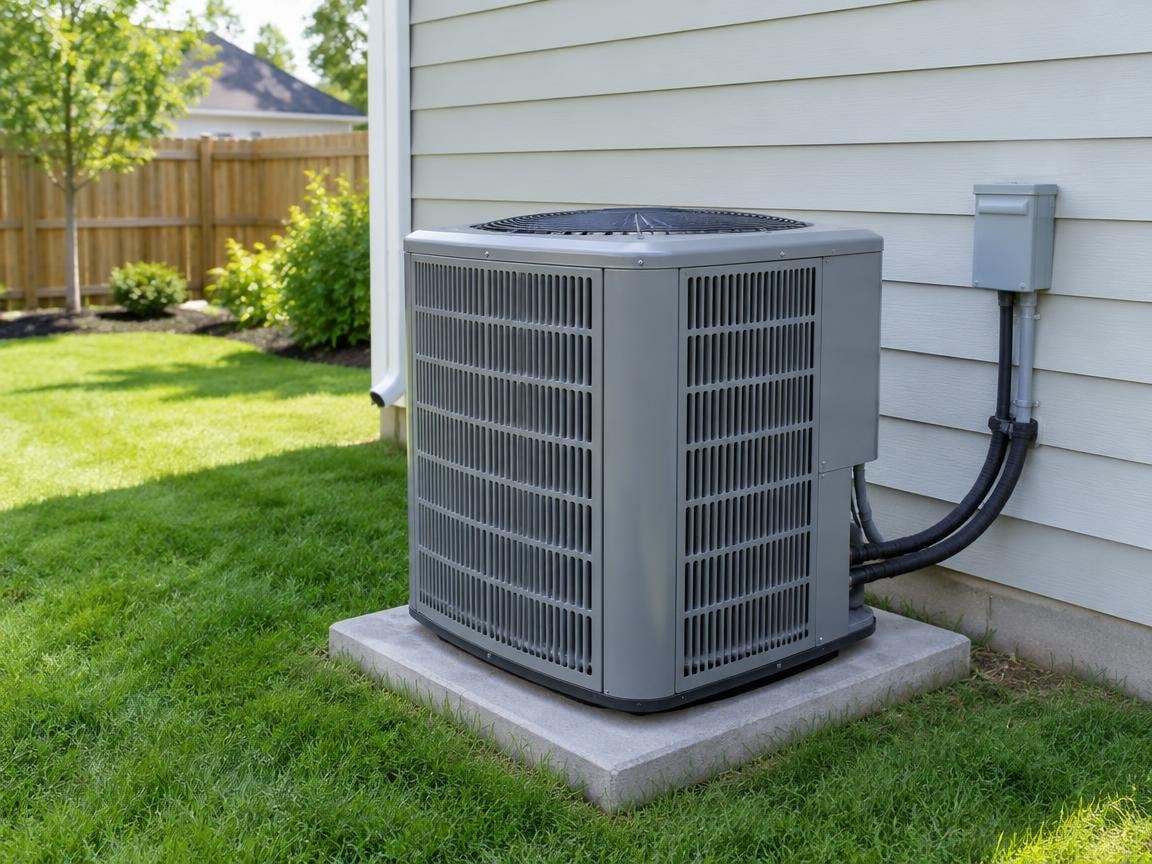
- Outdoor Coil Cleaning (Heat Pump): The outdoor unit of your heat pump needs to be kept clear of debris like leaves, dirt, and grass clippings. Annually, or more frequently in dusty environments, the outdoor coil may need professional cleaning to ensure optimal heat exchange.
- Condensate Drain Flushing (HVAC & HPWH): Both heat pumps and heat pump water heaters produce condensate. The drain lines can become clogged with algae or debris, leading to water leaks and system shutdowns. Regularly flushing these lines with a bleach-water solution can prevent blockages.
- Smart Panel Monitoring: If you’ve installed a smart electrical panel, regularly check its app for insights into energy usage patterns. This can help you identify inefficient appliances, monitor system health, and quickly detect any unusual activity.
- Annual Maintenance Tune-Ups: Schedule a professional tune-up for your heat pump and heat pump water heater at least once a year. A qualified technician will inspect all components, check refrigerant levels, calibrate controls, and ensure everything is operating at peak efficiency. This preventive maintenance can catch minor issues before they become major problems, saving you money and extending the life of your equipment.
By following these maintenance protocols, you can protect your investment and ensure your residential HVAC and plumbing upgrades continue to provide reliable, efficient service for years to come.
Frequently Asked Questions
Homeowners often have specific questions regarding the performance, financial benefits, and operational aspects of modern HVAC and plumbing upgrades, especially when considering a shift to whole-home electrification.
How much can a homeowner save annually by switching from gas to a heat pump system?
The annual savings from switching from a gas furnace and traditional AC to an all-electric heat pump system can be substantial, though it varies based on several factors:
- Operating Cost Reduction: Heat pumps are significantly more efficient than gas furnaces, especially when considering the full energy cycle. While gas furnaces are often 80-95% efficient, heat pumps can achieve 200-400% efficiency (meaning they move 2-4 units of heat energy for every 1 unit of electrical energy consumed).
- Dual-Fuel Comparison: When replacing both a gas furnace and an air conditioner with a single heat pump, you eliminate the cost of natural gas for heating and reduce electricity consumption for cooling.
- Annual Energy Savings: Based on current energy prices (September 2026), homeowners can typically save between $900 and $2,400 annually by eliminating their gas bill for heating and hot water. These savings can be even higher in regions with expensive natural gas or cheaper electricity rates. For a fully electrified home, including an EV and induction range, total annual savings can range from $4,000 to $9,000.
- Utility Rate Variables: Actual savings depend on local electricity and natural gas rates, which fluctuate. However, the inherent efficiency advantage of heat pumps generally means lower operating costs over time.
These savings, combined with federal, state, and local rebates, often lead to a rapid payback period for the initial investment.
Do cold-climate heat pumps work efficiently in freezing temperatures?
Yes, modern cold-climate heat pumps (CCHPs) are specifically engineered to perform efficiently and effectively in freezing temperatures, a significant improvement over earlier generations of heat pump technology.
- Variable-Speed Inverters: The key to their performance is variable-speed inverter technology. Unlike older heat pumps that operate at a single speed (on/off), inverter-driven compressors can modulate their output to precisely match the heating demand. This allows them to maintain high efficiency even as outdoor temperatures drop.
- Rated Heating Capacity: Many CCHPs can maintain 100% of their rated heating capacity down to 5°F (-15°C) and continue to provide substantial heating output at even lower temperatures, sometimes down to -15°F (-26°C).
- Low Ambient Operation: Manufacturers have developed specialized refrigerants and advanced defrost cycles that allow these units to extract heat from very cold air.
- Auxiliary Heat Strips: In extremely cold conditions (e.g., below -15°F), or during peak demand, some CCHPs may still utilize auxiliary electric resistance heat strips to supplement heating. However, these are typically used sparingly, only when absolutely necessary, and are far more efficient than relying solely on electric resistance heating.
For homeowners in colder regions, it’s crucial to select a heat pump specifically designated as a “cold-climate” model and to ensure it is properly sized and installed by a qualified professional.
How do 2026 utility rebates interact with federal and state energy incentives?
In 2026, utility rebates play a crucial role in reducing the out-of-pocket costs for residential HVAC and plumbing upgrades, often interacting synergistically with federal and state incentives.
- Incentive Stacking: The general principle is “stacking.” Homeowners can often combine federal tax credits (like those from the IRA) with state-level rebates/credits and local utility incentives. For example, a homeowner might use a federal tax credit for their heat pump HVAC, a state rebate for insulation, and a utility rebate for their heat pump water heater.
- Order of Application: The order in which incentives are applied can sometimes matter, particularly with HEEHRA rebates. HEEHRA is a point-of-sale rebate, meaning it reduces the initial cost. Federal tax credits (Section 25C) are then applied to the net cost after any other rebates. State tax credits often follow a similar pattern, applying to the cost after federal and utility incentives.
- Maximum Rebate Caps: Each program typically has its own maximum cap. While you can stack, the total amount you receive cannot exceed the cost of the upgrade. Some programs may also have rules about combining with other specific incentives (e.g., HEEHRA cannot be combined with federal tax credits for the same component).
- Qualified Installer Requirements: Many utility and state programs require that installations be performed by certified or approved contractors to ensure quality and eligibility. This is a common requirement to verify that the work meets specific standards.
To maximize savings, work with a knowledgeable contractor who can navigate the complex web of available incentives and guide you through the application process for each program. This ensures you claim every dollar you’re eligible for.
Conclusion
The landscape of residential HVAC and plumbing has transformed, offering homeowners unprecedented opportunities for comfort, savings, and environmental stewardship. Embracing holistic home upgrades, particularly through electrification, is no longer just an eco-conscious choice but a financially savvy one.
By understanding the signs of aging systems, strategically planning your upgrades with a phased roadmap, and diligently leveraging the robust federal, state, and utility incentives available in 2026, homeowners can achieve significant reductions in their utility bills and carbon footprint. The long-term decarbonization of our homes contributes to energy resilience and enhances property value for decades to come.
The key to a successful transition lies in informed decision-making and meticulous execution. We encourage you to seek out certified professionals for comprehensive energy audits, precise load calculations, and expert installation. With the right approach, your investment in modern HVAC and plumbing systems will deliver a comfortable, efficient, and sustainable home for the future.