Retail changes whenever technology or customer habits change. Cash gave way to digital payments, online shopping grew, and supermarkets and restaurants adopted self-service. Now automated machines are pushing that shift further, letting people buy products with little or no help from employees.
Modern vending machines do more than take coins and drop a packaged item. With digital displays, cashless checkout, automatic dispensing, remote oversight, and product tracking, they can now offer a more adaptable way to sell goods.
This shift creates room for vending machines in many markets, including personal care, beauty, nutrition, and drinks. They can put everyday products within easy reach where opening a conventional store would not make sense.
How Smart Vending Machines Are Changing Retail
Automated retail mainly changes where and how quickly people shop. Instead of going to a large store for one item, customers can buy it from a vending machine placed along their usual daily routes.
Automated retail can fit many public spaces, from airports and hotels to offices, universities, gyms, shopping centers, entertainment venues, and transport hubs. What belongs in each machine depends on who passes through.
A gym might stock protein drinks and other fitness products. Hotels could sell personal care items; event venues, meanwhile, might carry things guests want while they watch the show.
Vending technology takes up far less space than a conventional store, which needs a dedicated location and often staff on hand for the entire business day. A machine can offer a focused selection of products in a much smaller footprint.
This compact form factor allows designers to integrate retail points into diverse architectural contexts without significant structural changes. It encourages a re-evaluation of how commercial functions can be embedded within public and private spaces, influencing interior layouts and the flow of people.
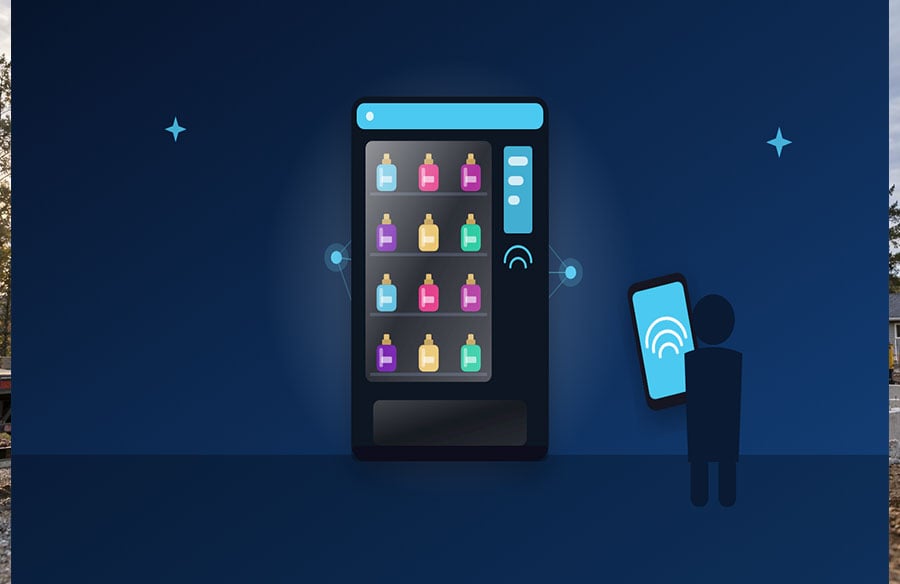
Cashless payment has become standard for many customers. They want to tap a card, use a phone, or pay through another digital option, and modern vending machines can handle those methods without slowing the purchase down.
Digital screens can make the customer experience better. A connected display can show more than a product name and price. It might include instructions, special offers, or brand information. That gives businesses a chance to turn the machine into a compact, interactive shop.
Operators can manage their machines more efficiently with technology. Remote monitoring shows inventory levels, sales activity, machine status, and other operating information, reducing needless trips and helping staff restock machines more efficiently.
The Growing Role of Smart Vending in the Future of Retail
Automated retail manufactured by Futureino is growing because people want to buy everyday items quickly and with less effort. Automated machines place products where customers need them, making purchases more convenient and accessible.
Entrepreneurs can test a product through a single vending machine instead of taking on the cost of a full store. If customers respond well, the business can add machines in other locations; if not, the losses remain limited.
Sales by location reveal what people actually buy. A product that sells well in one setting may struggle elsewhere, giving operators a clear reason to change the selection.
Retail becomes more adaptable this way: each location can stock products suited to the people who shop there rather than following one identical formula everywhere.
Automated retail gives brands another way to put products in front of shoppers. By placing selected items in busy locations, a company can reach people who might never visit a traditional store. The machine can explain the product and complete the sale on the spot.
Property owners may be able to turn overlooked space into a source of income. A corner of a lobby or a little-used waiting area, for example, could house a retail point with only minor construction.
Such installations prompt architects and interior designers to consider the aesthetic and functional integration of these units. Material choices, lighting, and the overall design of the vending machine itself become crucial for ensuring it complements the existing architectural environment rather than detracting from it.
Vending machines may also become more closely tied to digital systems. Stock levels, payments, customer data, loyalty schemes, and remote monitoring could feed into one connected retail operation.
Companies such as Futureino.ai are pushing vending toward greater automation. Its machines support automatic purchases across several product categories, a sign of retailers’ growing interest in technology-based sales.
These machines still follow the basics of retail: put the machine somewhere visible and convenient, stock what people nearby actually want, charge fair prices, and keep the equipment working.
Automation will not fix a bad location or an ill-fitting product range. It works when it meets a clear customer need.
As automated retail expands, people may see vending machines more often in ordinary public spaces. Their small footprint, easy access, digital payment options, and networked systems give businesses another way to sell directly to customers.
Automated retail probably won’t replace ordinary shops. It adds another way to buy things, working alongside storefronts and online shopping. As self-service becomes more familiar, automated machines may claim a larger share of retail.