Every growing business eventually reaches a point where its technology starts working against it. Orders take longer to process, reports arrive late, and teams spend hours moving data between tools that were never designed to talk to each other. What once felt like a workable setup quietly becomes one of the biggest drags on productivity.
For business owners and CTOs, this is when software stops being an IT expense and becomes a strategic decision. Off-the-shelf tools can carry a company through its early years, but they rarely bend to fit unique workflows at scale. That is why more organizations are turning to custom web application development services to build platforms shaped around how their teams actually work, instead of forcing people to work around the software.
Enterprise-grade applications matter because efficiency compounds. A platform that saves ten minutes of manual work per order can free up thousands of hours over a year of growth. A platform that cannot keep up does the opposite, multiplying delays with every new customer, location, or product line.
Where Growth Starts to Break Down
Most operational bottlenecks trace back to architecture decisions made when the business was smaller. The warning signs are familiar: systems that slow down during peak demand, data trapped in disconnected spreadsheets, and simple updates that take months because every change risks breaking something else.
Many companies are also discovering that their existing systems cannot support intelligent automation. Investing in custom AI software development services allows organizations to build forecasting, document processing, and smart workflows directly into daily operations, but only when the underlying platform is designed to support them. That foundation is what separates enterprise-grade applications from software that simply works today.
What Defines Enterprise-Grade Applications
Enterprise-grade does not mean oversized or overly complex. It means software built to keep operations running smoothly as demands grow. Five qualities make the difference.
Scalability
A scalable application handles more users, transactions, and data without slowing down or needing a rebuild. Think of it like a highway designed so new lanes can be added without closing the road. For operations, scalability means a busy season does not automatically mean overtime and missed deadlines.
Security
Security protects customer data, financial records, and reputation. Enterprise-grade platforms include access controls, encryption, and activity logs from day one rather than bolting them on later. Security that is designed in also keeps operations efficient, since a single breach or failed compliance audit can stall a business for weeks.
Performance
Speed has a direct cost. If a dashboard takes twenty seconds to load and fifty employees open it ten times a day, the business loses close to three hours of productive time daily. Strong performance means fast, consistent response times even under heavy use.
Reliability
When core systems go down, work stops. Reliable platforms use backup systems, automated data recovery, and monitoring that flags problems before users notice them. The goal is simple: the software should be the last thing a team worries about.
Integration Capabilities
Integration is often the quiet engine of efficiency. When a platform connects cleanly with CRM, accounting, inventory, and communication tools, data entered once flows everywhere it is needed. That eliminates double entry, reduces errors, and gives leaders a single, reliable view of the business.
Key Pillars for Long-Term Growth
Modular Architecture: Microservices vs. Monolith
A monolithic application is built as one connected unit. It is simpler to launch, but changing one part often means retesting the whole system, much like renovating a kitchen in a house where every room shares the same wiring. Microservices split the platform into independent components, such as billing, inventory, and notifications, that can be updated or scaled on their own.
Not every business needs microservices on day one. Many succeed with a well-organized “modular monolith” that keeps clear internal boundaries and can be separated into services later. The right choice depends on team size, product complexity, and realistic growth plans.
Cloud-Native Development
Cloud-native applications are built to run on cloud infrastructure from the start. They draw more computing power during busy periods and scale back during quiet ones, so businesses pay for what they use. Updates can roll out without downtime, and internal teams spend less time maintaining servers.
Data-Driven Decision Making
Custom platforms can capture operational data at every step of a workflow. Real-time dashboards then reveal bottlenecks as they happen, not weeks later in a month-end report. The key is planning data structure early, so reporting becomes a built-in capability rather than an afterthought.
Automation and AI Readiness
Automation removes repetitive work such as invoice matching, order routing, and approval chains. AI readiness goes a step further. It means keeping data clean, structured, and accessible through well-documented APIs, which are the connectors that let different systems share information. Even if AI is not on this year’s roadmap, building with it in mind avoids an expensive rebuild later.
Common Mistakes Businesses Make
A Short-Term Development Mindset
Building the fastest, cheapest version to solve today’s problem feels efficient, but it creates technical debt. Like interest on a loan, every shortcut makes future changes slower and more expensive. Quick builds work for prototypes. They are risky for systems that run core operations.
Ignoring Scalability Early
“We will fix it when we grow” is one of the most costly assumptions in software. Retrofitting scalability into a live system is far harder than planning for it upfront. This does not mean overbuilding. It means making early choices that leave room to expand.
Choosing the Wrong Tech Stack
Technology choices are sometimes driven by trends or by what one developer happens to know. A better approach weighs talent availability, long-term vendor support, security track record, and compatibility with existing systems. An obscure stack can make every future hire and upgrade harder.
Best Practices for Building Future-Ready Applications
Strategic Planning Before Development
Start by mapping current workflows and identifying exactly where time and money are lost. Set measurable goals, such as reducing order processing time or cutting manual data entry in half. Then prioritize features by operational impact, not by how impressive they look in a demo.
Choosing the Right Development Partner
The right partner asks about the business before discussing technology. Look for experience with similar scale, a transparent process, clear documentation, and a plan for support after launch.
Firms such as NewAgeSysIT, a custom software engineering company headquartered in New Jersey, illustrate this approach. The company works primarily with businesses across the United States, delivering web, mobile, cloud, and AI solutions where early architecture planning shapes long-term results. For decision-makers, that kind of upfront consultation makes trade-offs clear before budget is committed.
Continuous Optimization and Iteration
Launch is the starting line, not the finish. Track how people actually use the platform, gather feedback from frontline staff, and measure results against the original goals. Small, regular improvements and periodic architecture reviews keep the system aligned with how the business evolves.
Real-World Use Case: Scaling a Distribution Business
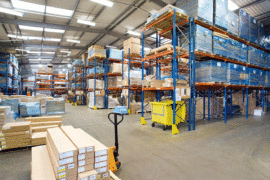
Consider a representative scenario based on patterns common among mid-sized distributors. A regional wholesale distributor with three warehouses ran its operations on spreadsheets, an aging order system, and separate accounting software. Orders were re-entered up to three times, inventory counts rarely matched reality, and month-end reporting took nearly a week.
Rather than replacing everything at once, the company took a phased approach. It built a cloud-based web platform with separate modules for orders, inventory, and invoicing, integrated it with the existing accounting system, and automated reorder alerts based on real stock levels.
The results showed up in daily operations. Order processing time dropped by more than half, inventory accuracy improved significantly, and reporting moved from a weekly scramble to a live dashboard. When the business opened a fourth warehouse, it did so without adding administrative staff, because the platform was built to absorb that growth.
Conclusion
Operational efficiency is rarely the result of working harder. It comes from systems that remove friction, connect information, and scale alongside the business. Custom software and web platforms built on enterprise-grade principles deliver exactly that, turning technology from a recurring bottleneck into a lasting advantage.
Leaders who assess their current systems honestly, define measurable goals, and seek experienced architectural guidance before building tend to see their platforms keep paying off for years. In a market where speed and adaptability decide who leads, that kind of foundation is worth investing in early.