Every home needs a few good tools for repairs. A loose cabinet door, squeaky hinge, or dripping faucet shows up unexpectedly. Having the right tools makes these repairs quick and simple. You keep money in your pocket instead of paying service calls.
Building a toolkit doesn’t need to cost much. Smart buying matters more than big spending. This guide explains what to buy first, how to choose quality items, and how to spot real deals. Follow these steps and you will build a proper toolkit.
Why a Well-Stocked Toolkit Pays Off
A good toolkit saves you real money. You can easily tighten or repair a loose hinge on your own. You can tighten a leaky fitting without calling someone. A single repair done at home costs less than the service call. A toolkit also saves valuable time. When the right tool sits in your garage, small jobs take minutes. Begin with a few essentials and expand your toolkit as you take on more projects.
Start With the Must-Have Hand Tools
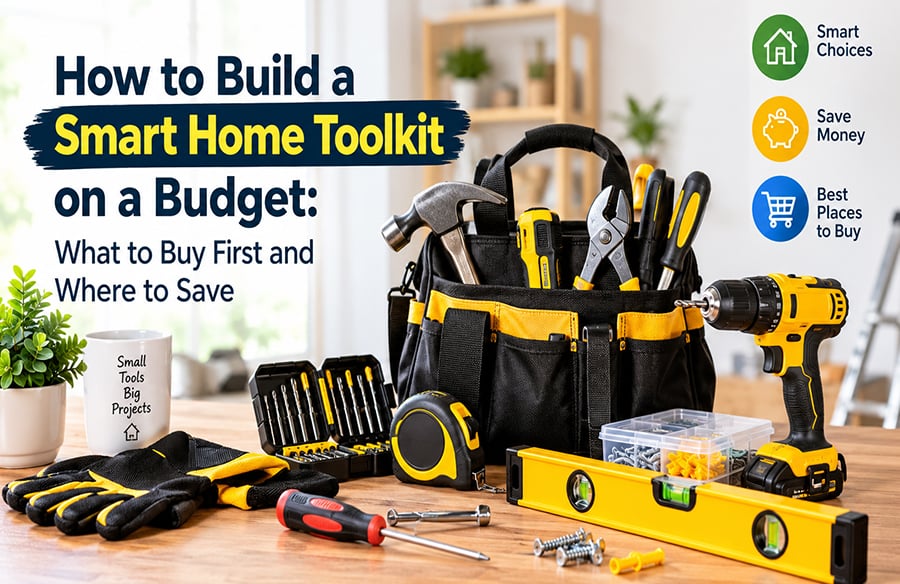
Begin with the basic tools you need. A set of screwdrivers works for most jobs. Pliers help you grip and bend things. A tape measure ensures your measurements stay accurate. A hammer handles nails and light work. An adjustable wrench can handle bolts of various sizes. A utility knife cuts through many materials.
Explore EnjoyTool Hotbuys to see discounted tools and supplies in one place, then add more as your projects grow. Skip huge sets that pack in pieces you’ll never use. Buy what you need now and compare prices first. Build your tool collection gradually as your needs increase.
Choosing Your First Power Tools
Power tools speed up your work significantly. They cost more than hand tools though. Buy them one at a time and check reviews. Look at warranty terms before you buy anything.
Cordless Drill and Driver Basics
A cordless drill is a useful choice for your first power tool. Check the battery voltage for power. Battery life matters so jobs don’t stall. The chuck size determines which drill bits and accessories you can use. Having an extra battery also helps you work without long breaks. You can charge one battery while using the other.
Saws and Sanders: When You Actually Need Them
Skip saws and sanders until a project needs them. A shelf build calls for a saw. A deck refresh calls for a sander. Let your next project guide each purchase decision.
The Small Supplies You’ll Use Again and Again
Consumables run out fast and need replacing. Fasteners, lubricants, paint brushes, and trimmer line cost little. You’ll need them again and again though. Keep a few on hand so projects don’t stall. Store them in labeled bins so you find them quickly.
Packs often lower the cost per piece significantly. To calculate the cost per item, divide the total amount by the number of items. Compare packs to see which gives better value.
Fasteners 101: Matching Materials to the Job
The right fastener holds much longer. Stainless steel resists rust so use it outside. Stainless steel works well in damp spaces. Zinc-plated steel costs less and works indoors. Screws and nuts come in many sizes. Measure before you buy anything new. Multi-packs help because you’ll need spare pieces.
| Fastener Type | Best Use | Key Benefit |
| Stainless steel | Damp or outdoor areas | Resists rust completely |
| Zinc-plated steel | Dry indoor projects | Lower cost overall |
| Tamper-resistant screws | Shared or public spaces | Harder to remove |
Safety and Protection Essentials
Safety gear protects you on every job. Even quick jobs need proper protection. Work gloves give you grip and hand safety. Safety glasses help protect your eyes from dust, chips, and flying debris. Hearing protection guards you from loud tools. A fire-rated safe keeps important documents secure.
Don’t skip safety gear to save money. Good gear costs less than a real injury. A lost document costs far more than protection.
Lawn, Garden, and Seasonal Equipment
Seasonal tools stay busy during certain times. Shovels get heavy use in spring and fall. Trimmer line runs out fast during mowing season. Stock these items before the busy season. Early buying helps you avoid rushed purchases. You get better prices when you’re not desperate.
Check your tools at season’s end carefully. Clean the blades to prevent rust and damage. Replace worn trimmer line while it’s still warm out. Store everything dry to make it last longer.
How to Judge Quality Without Overspending
You can spot quality without paying top price. Two habits help you find real value. Reading specs tells you what you’re getting. Part numbers help you match replacements later. Comparing pack sizes shows you the real price. A bigger pack isn’t always cheaper per piece.
Divide the price by the count carefully. Look at different options and prices before choosing the one that offers good value. Pick the pack you’ll actually use and need.
Conclusion
Build your toolkit one project at a time always. Purchase only the tools you need, and always make safety a priority. Compare options before you check out completely. Over time you’ll own a toolkit that fits. Your toolkit will match your home and budget. Spending wisely is more useful than simply buying expensive tools.
Begin with essential hand tools you are likely to use regularly, then add power tools as your projects become more advanced. Keep safety gear stocked and ready always. Proper care and regular maintenance can help your tools stay in good working condition. A well-built toolkit saves you money long-term.