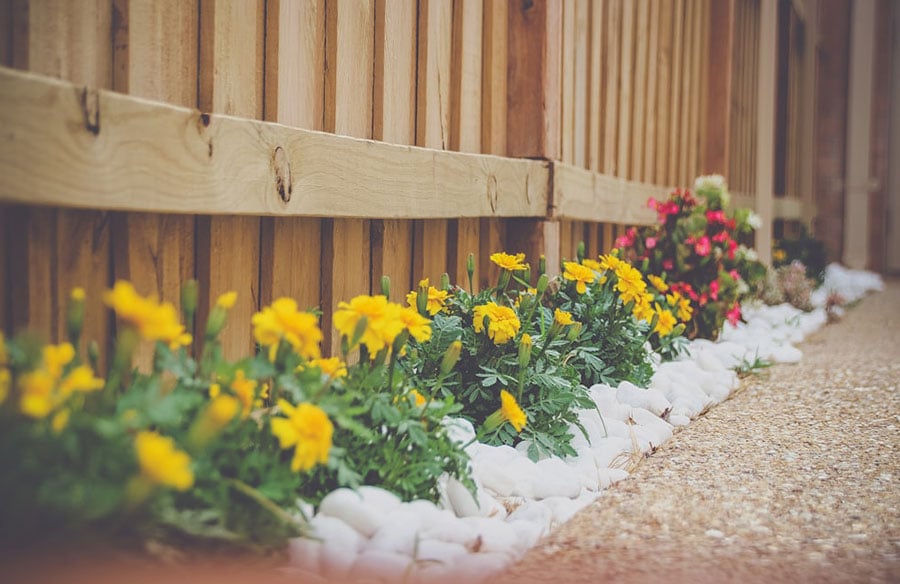
A garden is one of the most underused rooms of a home. Treated as an afterthought, it becomes a patch of grass and little else. Treated as designed space, it can rival any room indoors. Architects have long known that the space between buildings shapes how we live as much as the buildings themselves.
The shift starts with thinking like a designer, then knowing your limits. For anything structural, a professional team such as Landscapers Croydon turns a sketch into a space that lasts. The best outdoor projects blend your own vision with expert hands where it counts. This guide covers how to plan outdoor living, what the rules allow, and when to bring in the pros.
Why Design a Garden at All?
A designed garden does far more than look tidy. It extends your living space, adds real value, and shapes how you use every season. Good design is what separates a yard from an outdoor room. In dense areas like Croydon, where floor space is precious, that extra room matters even more.
Thoughtful planning delivers real benefits:
- Usable space. Zones for dining, relaxing, and play.
- Added value. A strong garden can lift resale appeal by up to 20%.
- Lower upkeep. Smart choices can cut weekend maintenance in half.
- Year-round use. The right layout works across all 4 seasons.
None of this happens by accident. It comes from planning before planting. A little design thinking upfront saves years of frustration later.
How Do You Plan the Layout?
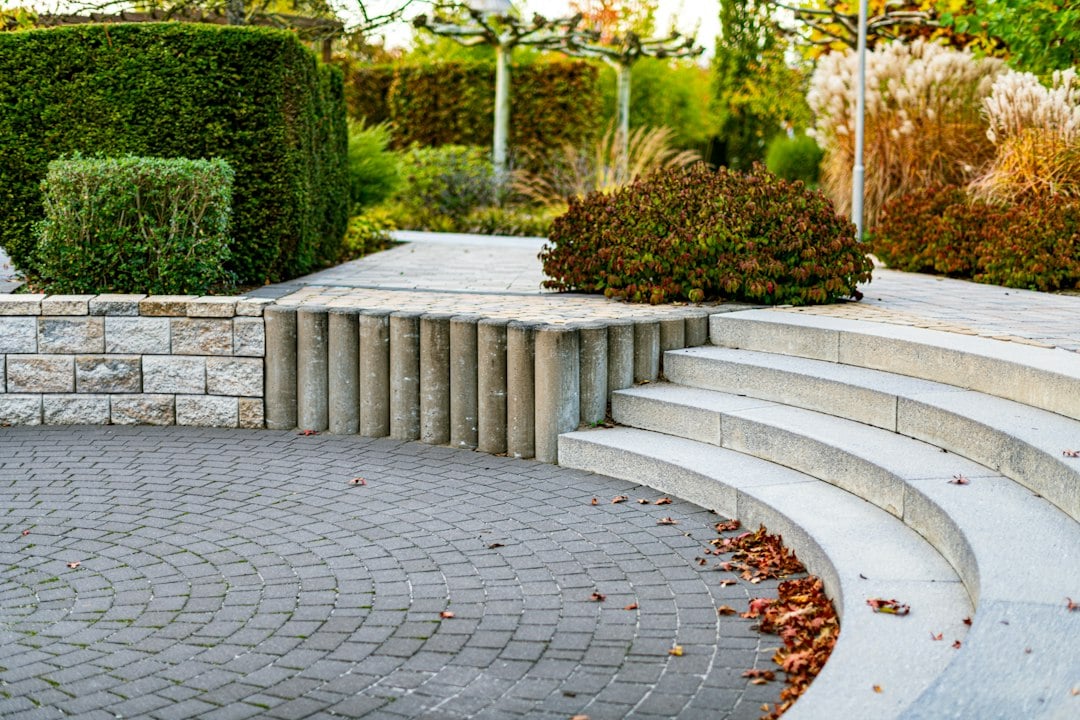 Start with how you actually want to live outdoors, not with plants. Function first, then form, is the designer’s order of operations. The planting is the finishing layer, not the foundation. Sketch the space roughly before spending a penny, and live with the plan for a week.
Work through a few core decisions:
- Zones. Map areas for dining, lounging, and greenery.
- Flow. Plan clear, natural paths between them.
- Materials. Choose surfaces that suit the climate.
- Focal points. Give the eye something to settle on.
Approaching it as a genuine design problem keeps the result both beautiful and practical. There is real wellbeing through garden design when a space is planned around how you actually live. A garden that ignores flow ends up looking pretty but going unused. Think about where the sun falls and how you will move between zones. The layout is the decision everything else depends on.
What Do the Rules Allow?
Bigger garden projects are not a free-for-all, especially near boundaries. Knowing the rules early prevents expensive mistakes. It also keeps the peace with neighbors, which is worth more than any feature. Most disputes come from work started before anyone checked what was allowed.
Check these before you build:
- Structures. Builds over 2.5 meters often need permission.
- Boundaries. Rear fences are usually capped at 2 meters.
- Hedges. Evergreen hedges above 2 meters can trigger complaints.
- Drainage. Paved areas over 5 square meters must manage runoff.
It is worth understanding planning permission for landscaping before any structural work begins. The guidance on high hedges and boundaries settles many common questions. A quick check now avoids a costly redo later.
When Should You Call a Professional?
Plenty of planting is a happy weekend job. Structural work is a different matter entirely. Knowing where that line sits saves both money and regret. A wonky patio or a wall that fails is far costlier to fix than to build right.
Bring in a professional for jobs like these:
- Hard landscaping. Patios, walls, and paving.
- Leveling. Reshaping sloped or uneven ground.
- Drainage. Solving persistent water problems.
- Big builds. Anything structural or load-bearing.
Browsing ideas and tips for landscaping helps you brief a professional clearly. A good team delivers a result that stays sound for 20 years or more, not just one summer. They also spot problems, like drainage or root damage, that an amateur eye misses. Knowing when to hand over is a design skill in itself.
Bringing the Design to Life
A garden rewards the same care you would give any room in the house. Plan the layout around how you live, check the rules before you build, and choose materials that suit your climate. Handle the planting and decorating yourself, but call in professionals for the structural work that has to last. Get those foundations right and the decorative touches fall into place naturally. Approached this way, an ordinary outdoor space becomes a genuine extension of the home, used and enjoyed all year.
Frequently Asked Questions
Do I Really Need to Design My Garden?
You do not have to, but a designed garden is far more useful and valuable than an unplanned one. Thinking through zones, flow, and materials turns a plain yard into an outdoor room you actually use. It also reduces long-term upkeep and wasted spending. Even a simple plan, sketched before you plant a thing, pays off for years to come.
What Garden Work Needs Planning Permission?
Most planting and small features do not, but larger structures, tall boundary walls, and some hard landscaping can. Rules also cover high hedges and drainage from paved areas. It is worth checking official guidance before any structural project. A quick review early prevents having to undo expensive work later.
Which Jobs Should I Leave to Professionals?
Structural and technical work, such as patios, retaining walls, leveling, and drainage, is best left to professionals. These jobs must be sound and often must meet regulations. Planting, mulching, and simple decorative touches are ideal for a keen homeowner working at weekends. Matching the task to the right hands is what keeps the result lasting for many years.
How Do I Get the Most From a Landscaper?
Come prepared with a clear brief: how you want to use the space, your rough budget, and any inspiration images. The clearer your vision, the better a professional can deliver it. Agree on the scope and timeline in writing. Good communication upfront is what turns a design idea into a garden you love.