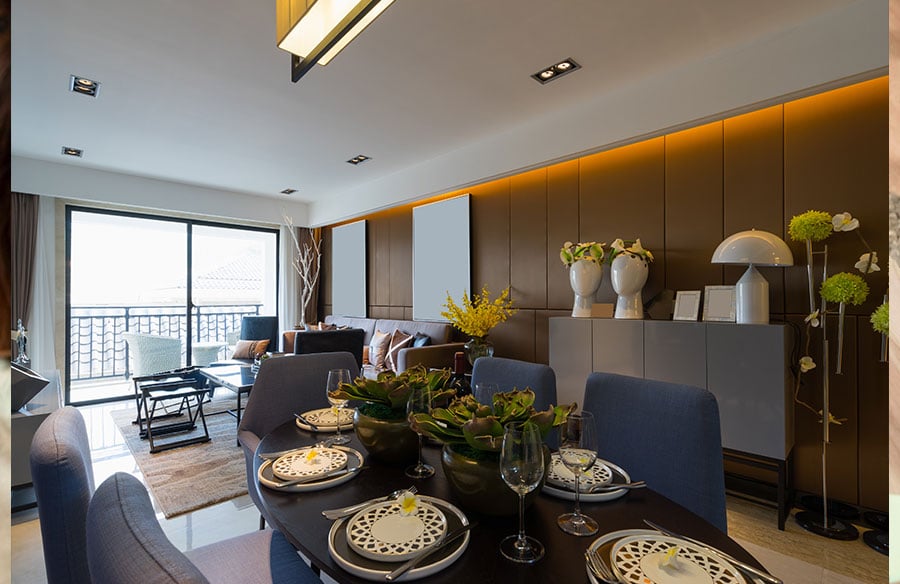
A home quietly shapes health, sleep depth, mood stability, and how often a person moves during the day. Price matters, yet day-to-day comfort usually hinges on light, ventilation, sound buffering, and practical layouts. A careful review also checks surface finishes, moisture control, and stair safety, because minor design choices affect joints, lungs, and stress hormones. The goal is simple: choose features that support steady routines without extra friction.
Location Fit for Daily Habits
Daily travel time changes appetite cues, recovery, and family bandwidth. Nearby grocers, parks, clinics, and transit routes can add walking while reducing car dependence. Listings for Hudson Place can show how people compare access, building configuration, and unit variety while tracing the routes they will repeat each week. That habit-based check keeps decisions anchored in real schedules rather than one-off impressions.
Daylight That Supports Sleep Rhythms
Morning brightness helps align circadian timing and improves daytime alertness. Window orientation, sill height, and external shading often matter more than decorative finishes. Harsh glare can irritate eyes and push residents to close blinds, which lowers useful exposure. Balanced illumination supports safer cooking, fewer stumbles, and less strain during reading or screen work. A brief visit at different hours reveals whether light feels steady or uncomfortable.
Ventilation and Indoor Air Quality
Indoor air affects airways, headaches, and fatigue. Cross-breeze potential, operable windows, and strong kitchen extraction reduce moisture, odors, and irritant load from cleaners. Residents can ask whether corridors or enclosed lobbies use filtration, especially where doors stay shut for long periods. Condensation on frames, musty smells, or persistent dampness are warning signs. Better airflow lowers mold risk and supports easier breathing for sensitive lungs.
Noise Control for Recovery Time
Sleep quality relies on quiet blocks, not silence all day. Window seals, wall density, corridor design, and lift placement change how sound travels. Road-facing units may need stronger glazing, while inward-facing homes can still pick up pool activity or driveway traffic. A short check during the morning and evening can expose patterns missed in a single viewing. Noise that triggers frequent micro-awakenings can worsen daytime irritability.
Layout That Encourages Movement
A practical floor plan supports movement without feeling like exercise. Clear walking paths, a small area for stretching, and a kitchen that fits two cooks help reduce crowding and shoulder strain. Entry placement can also limit trips across the home, lowering rushed steps and bumped toes. Stairs should feel stable, with consistent riser height, secure handrails, and bright lighting. Thoughtful flow supports routine activity even on low-energy days.
Materials That Feel Clean and Safe
Surfaces influence odor load, skin contact, and cleaning frequency. Low-odor paint, easy-wipe walls, and flooring that does not trap fine dust can ease irritation and reduce sneezing cycles. Slip resistance in bathrooms and entry zones matters after showers or rainy weather. People can ask how waste rooms are managed and what pest control methods are used, because building operations affect hygiene. A clean-feeling home reduces stress reactivity.
Storage That Reduces Visual Stress
Visible clutter keeps tasks mentally “open,” raising cognitive load. Useful storage includes a pantry, a true cleaning closet, and an entry spot for shoes, bags, and wet umbrellas. Bedroom wardrobes should allow airflow around clothing so fabric does not hold stale moisture. With better organization, cleaning takes less time and routines stay stable during demanding weeks. Storage that matches real life supports calmer evenings and smoother mornings.
Water Pressure and Bathroom Usability
Bathing supports recovery, temperature comfort, and muscle relaxation. Unstable pressure or sudden temperature swings can create safety risks, especially for children or older adults. Adequate drainage prevents pooling, reducing slip risk and limiting mildew growth. Vent fans should clear steam quickly, and towel storage should be reachable without awkward twisting. A well-set bathroom lowers strain on joints and reduces moisture exposure that can irritate airways.
Shared Amenities That Match Real Use
Amenities help when they support habits people will repeat. A well-ventilated fitness room, shaded walking paths, and quiet seating can serve more residents than flashy spaces used rarely. Crowding also matters, so lift count, pool rules, and booking methods deserve review. Clear sightlines, working lights, and safe surfaces reduce falls and support caregivers supervising children. Practical shared areas can add movement and social contact without overstimulation.
Maintenance, Fees, and Practical Upkeep
Long-term comfort depends on what stays functional year after year. People can look for signals of consistent upkeep, such as clean corridors, reliable lifts, and odor control near waste points. Where available, planned repair schedules and reserve funding can hint at future disruptions. Predictable fees reduce financial strain, which can improve sleep and mood. Ongoing management quality often determines whether a building feels calm or chronically stressful.
Conclusion
Contemporary residences work best when daily physiology is considered alongside design. A steady checklist can cover daylight exposure, ventilation, sound protection, and movement-friendly layouts. Materials, storage, water reliability, and amenity practicality also shape comfort, cleaning time, and injury risk. Management practices matter because maintenance affects air quality, hygiene, and noise over years. With the right features in place, a home becomes a stable base that supports rest, recovery, and well-being.