If you’re the type of reader who spends weekends comparing Reolink cameras or troubleshooting a Ring doorbell that won’t sync, you probably think about smart home security in terms of firmware updates, encryption, and Wi-Fi range. What you might not think about is a colony of ants quietly building a nest inside your smart thermostat’s wall plate or your outdoor camera’s junction box. It sounds like a stretch, but pest behavior and smart device reliability are more connected than most homeowners realize.
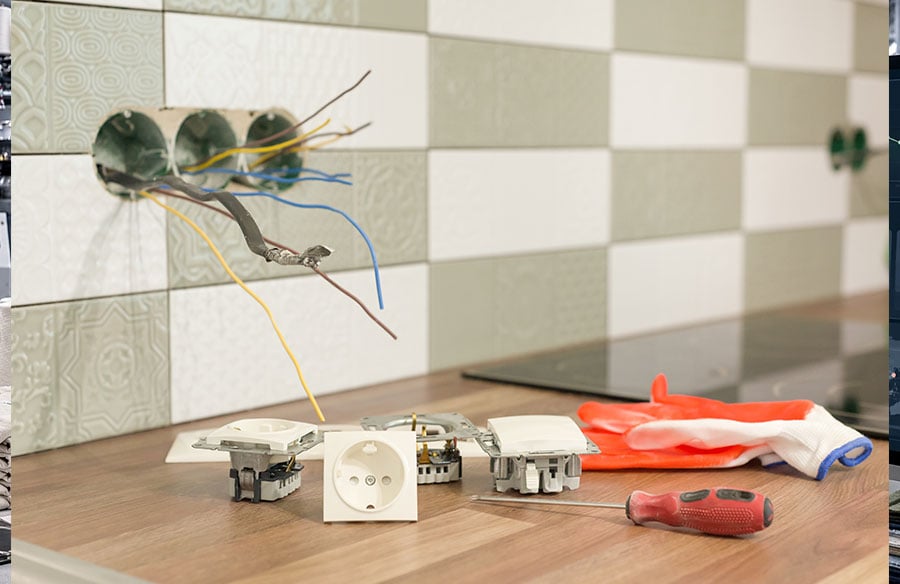
Every smart home setup depends on a web of outlets, low-voltage wiring, and junction boxes that ants find surprisingly hospitable. Warm, dark, and slightly humid spaces behind switch plates are exactly what many ant species look for when scouting a new nesting site. That overlap between “great ant habitat” and “critical electrical infrastructure” is where a lot of smart home security myths get started.
One of the most persistent myths is that ants are simply drawn to electricity like moths to a flame, which oversimplifies a much more nuanced relationship. Homeowners in ant-prone regions, including many who reach out about ants in electrical outlets, often assume every ant sighting near a device means imminent failure. The reality is more specific, and understanding it helps you protect your smart devices without falling for exaggerated claims or ignoring genuine risks.
Myth #1: ‘Ants Are Attracted to Electricity Itself’ — The Truth About Electromagnetic Fields and Heat
It’s easy to picture ants as tiny electricity-seekers, marching straight toward a live wire out of some strange instinct. In reality, most ants are drawn to outlets and devices because of warmth, shelter, and moisture, not the electrical current itself. Electronics generate low levels of heat that mimic the conditions ants seek out in soil and wood, which makes an outlet box or a smart hub’s internal casing feel like a cozy crevice. The myth persists because people notice ants near wiring and assume cause and effect, when the real draw is usually environmental comfort rather than the flow of electrons.
That said, there is a kernel of truth buried in the exaggeration. Some species, including carpenter ants, acrobat ants, and crazy ants, have shown documented attraction to 60-cycle oscillating magnetic fields, the kind produced by standard household electrical systems. This doesn’t mean every ant near your smart plug is chasing a magnetic signal, but it does explain why certain species show up around junction boxes and breaker panels more consistently than others.
Myth #2: ‘All Ants Cause Electrical Damage’ — Which Species Actually Pose Risks to Smart Devices
Not every ant marching across your baseboard is a threat to your smart lock or security camera wiring. Sugar ants and pavement ants, common household visitors, rarely cause meaningful electrical damage because they don’t nest inside equipment or chew through insulation. The species that actually create problems tend to be fire ants, carpenter ants, and crazy ants, each of which has a reputation for colonizing electrical equipment for reasons ranging from shelter to the magnetic attraction mentioned earlier. Lumping every ant species into the same “electrical hazard” category is a big part of why this myth spreads so easily among homeowners who just want a simple answer.
Fire ants in particular have built an outsized reputation in this space, and for good reason. According to Ant-pests, in Texas alone, costs associated with fire ant damages to electrical and communications equipment totaled $146.5 million per year, with circuit breakers accounting for just over 60 percent of all electrical utilities damaged by fire ants. When ants become shocked by touching body parts between open switching mechanisms, they release pheromones that attract other worker ants, causing many ants to accumulate and malfunction the equipment. That chain reaction, not a deliberate attack on your wiring, is what turns a handful of ants into a genuine hardware failure.
Myth #3: ‘A Few Ants in an Outlet Are Harmless’ — Real Damage Mechanisms and Fire Risks
It’s tempting to brush off a few ants near an outlet as a minor nuisance, but the pheromone-driven accumulation described above can escalate quickly. As dead ant bodies and moisture build up inside switching mechanisms, they create short circuits, corrosion, and in some cases, sparking that can damage sensitive smart home components. This is especially relevant for smart devices with delicate circuit boards, since even a small amount of debris or moisture intrusion can cause intermittent connectivity issues or permanent failure long before anyone notices visible damage.
| Annual Fire Ant Damage Cost (Texas, 2001) | $146.5 million per year to electrical and communications equipment |
| Most Damaged Equipment Type | Circuit breakers (60% of fire ant electrical damage incidents) |
| Second Most Damaged Equipment | Telephone boxes (20% of fire ant electrical damage incidents) |
| Transformer Box Damage Rate | 15% of fire ant-related electrical equipment failures |
| Ant Species with Magnetic Field Affinity | Carpenter ants, acrobat ants, and crazy ants |
These figures make it clear that the risk isn’t hypothetical, even if it’s often misunderstood or exaggerated in casual conversation. A smart camera or doorbell that keeps losing power intermittently might not have a firmware problem at all; it might have a slow-building ant issue inside the junction box behind it. Recognizing the pattern early, rather than dismissing it as a coincidence, can save you from a much larger repair bill down the road.
How to Protect Your Smart Home: Prevention and Safe Professional Response
The good news is that protecting your smart devices from ant-related damage doesn’t require constant vigilance, just a few sensible habits. Sealing gaps around outlet covers, junction boxes, and exterior wiring entry points removes the warm, sheltered spaces ants find so appealing in the first place. Keeping mulch and vegetation away from exterior walls also reduces the odds that a nearby colony decides your smart doorbell’s wiring is a convenient extension of their nest.
If you’re already noticing sluggish device performance, flickering smart lights, or visible ant trails near outlets, it’s worth pairing that observation with the kind of practical troubleshooting covered in security guides on this site, since electrical issues can mimic connectivity problems in confusing ways. From there, a licensed pest control professional can safely inspect and treat affected areas without risking further damage to sensitive electronics, something DIY insecticide sprays near live wiring should never attempt. Combining smart device awareness with basic pest prevention is a simple, low-effort way to keep both your security system and your electrical infrastructure running the way they’re supposed to.