Most electrical problems do not announce themselves with a major failure. They often start with a light that flickers, a power point that feels warm or a circuit breaker that trips more often than usual. These signs can be easy to ignore, especially when they seem to stop on their own.
Your electrical system should support daily life without overheating, sparking, repeated power loss or damaged fittings. Knowing what to watch for can help you respond early and arrange qualified help before a small issue becomes a serious safety concern.
Modern architectural design places a high emphasis on the seamless integration of functional elements like electrical fittings, ensuring they not only meet safety standards but also complement the aesthetic vision of a space. Thoughtful planning considers both the visible components and the underlying infrastructure to create environments that are both beautiful and inherently safe.
Watch for Warning Signs Around Your Home
Electrical faults can appear in different parts of the home, including power points, switches, appliances, lighting and the switchboard. A single issue may not always point to a major fault, but repeated or worsening problems need professional attention.
Do not attempt to remove covers, inspect wiring or repair electrical components yourself. If you notice a burning smell, smoke, sparking, a buzzing sound or signs of heat, stop using the affected item if it is safe to do so and contact an emergency electrician in Sydney.
Common warning signs include:
- Circuit breakers or safety switches that trip repeatedly
- Flickering or dimming lights
- Power points or switches that feel warm
- Discoloured, cracked or damaged fittings
- A burning smell near electrical equipment
- Sparks when plugging in or removing an appliance
- Power loss in part of the home
- Appliances that regularly stop working when used in a certain outlet
Avoid treating repeated trips or electrical smells as normal. They can indicate that a circuit, appliance or connection needs to be checked by a licensed electrician.
Check Whether Your Switchboard Meets Your Household Needs
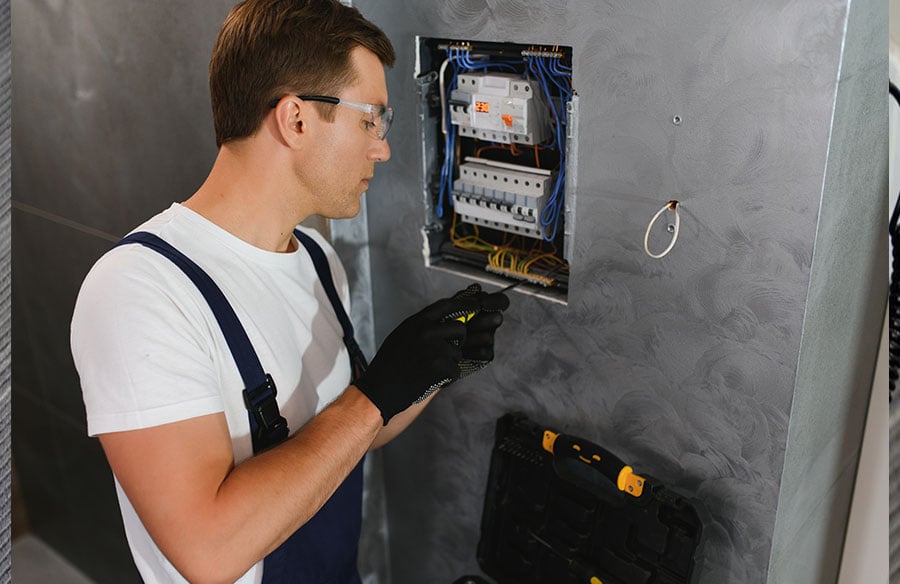
The switchboard manages the electrical circuits that supply power throughout your home. Older switchboards may not suit the demands of modern appliances, air conditioning, home offices, entertainment systems and other high-use electrical items.
If your home has frequent circuit trips, limited capacity for new appliances or an older-style switchboard, a switchboard upgrade Sydney may be appropriate. A licensed electrician can inspect the existing setup and explain whether the issue relates to the switchboard, a specific circuit or another part of the electrical system.
Signs Your Switchboard May Need Attention
A switchboard should be easy to access and free from damage, moisture and signs of overheating. Do not open it or handle internal components yourself. Instead, look for visible concerns around the outside of the enclosure and note any changes in how your home’s power behaves.
Arrange an inspection if you notice repeated tripping, heat, unusual noises, damaged covers or if your electrical needs have changed since the switchboard was installed. Adding major appliances without checking the available capacity can place extra strain on the system.
Pay Attention to Power Points, Switches and Cables
Power points and switches are used every day, so changes in their condition are often noticed early. A fitting that is loose, cracked, discoloured or warm should not be ignored. These issues may be linked to wear, a loose connection or a fault that needs professional inspection.
Cables also need attention. Damaged leads, overloaded power boards and cords running under rugs or through doorways can create risks. Replace damaged appliance leads through an appropriate repair or replacement process rather than using tape as a long-term fix.
Use power points and extension leads carefully:
- Do not overload a power board or double adaptor
- Keep cords away from water, heat and moving doors
- Do not use damaged plugs, leads or power points
- Avoid running cables under rugs or carpets
- Keep electrical fittings dry and clear of clutter
- Use appliances according to their instructions
If a power point gives off heat, sparks or an unusual smell, stop using it and seek qualified help.
Consider Moisture, Weather and Outdoor Areas
Water and electricity are a dangerous combination. Bathrooms, kitchens, laundries, outdoor entertaining spaces and pool areas need electrical fittings that suit the location and are installed correctly.
Check outdoor lights, power points and exposed cables after storms, heavy rain or physical damage. Do not touch electrical equipment if the area is wet or if there is a risk of standing water. Keep people away from the affected area and contact a licensed electrician for advice.
Indoor moisture also matters. Steam, leaks and plumbing issues near electrical fittings can create problems over time. Fix water leaks promptly and have electrical components inspected if water has entered or reached them.
Make Safety Checks Part of Home Maintenance
Electrical systems benefit from regular attention, especially in older homes or homes with changing power needs. Renovations, new appliances, solar equipment, electric vehicle chargers and home office upgrades can all affect the demands placed on existing circuits.
These advancements highlight a critical intersection between electrical infrastructure and contemporary architectural trends, particularly in sustainable design and smart homes. Integrating new energy sources and high-demand technologies requires careful consideration of a building’s electrical capacity and layout from the earliest design stages, ensuring both efficiency and long-term safety.
Keep a record of recurring electrical issues, including where they happen and which appliances are in use at the time. This information can help an electrician identify patterns and investigate the cause more efficiently.
You should also review the condition of smoke alarms, safety switches and visible electrical fittings as part of routine home maintenance. If you are unsure whether something is working as expected, arrange a professional inspection instead of waiting for the problem to become more obvious.
Know When to Call for Urgent Help
Some electrical issues require immediate action. Smoke, visible sparks, electrical burning smells, shocks, water around electrical equipment or a complete power loss linked to a fault should be treated seriously.
Keep clear of damaged equipment and do not try to make repairs yourself. If there is an immediate danger, contact emergency services. For electrical faults that need urgent attention, contact a licensed emergency electrician who can inspect the situation and make the area safe.
Keep Your Electrical System Safe and Reliable
A safe electrical system should operate without recurring trips, heat, sparks or damaged fittings. Paying attention to early warning signs gives you the chance to act before the problem disrupts your home or creates a greater risk.
If you have noticed unusual electrical behaviour, arrange an inspection with a licensed electrician. A professional check can identify the cause and help you decide on the right repair or upgrade for your home.
FAQs
When should I call an emergency electrician in Sydney?
Call an emergency electrician in Sydney if you notice smoke, sparks, a burning smell, electric shocks, overheating fittings, water near electrical equipment or a serious power fault. Do not attempt to investigate internal wiring or repair the issue yourself. Keep people away from the affected area where possible and seek urgent help from a licensed electrician who can inspect the fault safely.
Can a circuit breaker tripping be a serious problem?
A circuit breaker can trip to protect a circuit from a fault or overload. One isolated trip may have a simple cause, but repeated tripping should be checked by a licensed electrician. Avoid repeatedly resetting a breaker without finding the cause. An emergency electrician in Sydney can investigate whether the issue relates to an appliance, wiring, the switchboard or another electrical component.
What should I do if a power point feels hot?
Stop using a power point if it feels hot, smells unusual, sparks or shows discolouration. Unplug appliances only if it is safe to do so, and do not touch damaged fittings. Heat can be a sign of an electrical problem that needs professional attention. Contact an emergency electrician in Sydney if the issue is urgent or there are signs of overheating or burning.
Is a burning smell from an electrical fitting an emergency?
A burning smell near a power point, switchboard, light fitting or appliance can indicate an electrical fault and should be treated seriously. Stop using the affected item if safe, keep people away from the area and do not attempt a repair. If the smell is strong, there is smoke or you can see sparking, contact emergency services and an emergency electrician in Sydney straight away.
Can I fix a damaged electrical cable myself?
You should not repair damaged electrical cables, plugs, power points or fixed wiring yourself. Tape and temporary fixes can leave the problem unresolved and create further risk. Stop using the damaged item and arrange appropriate repair or replacement. If there is heat, sparking, exposed wiring or signs of fire, contact an emergency electrician in Sydney for urgent professional assistance.