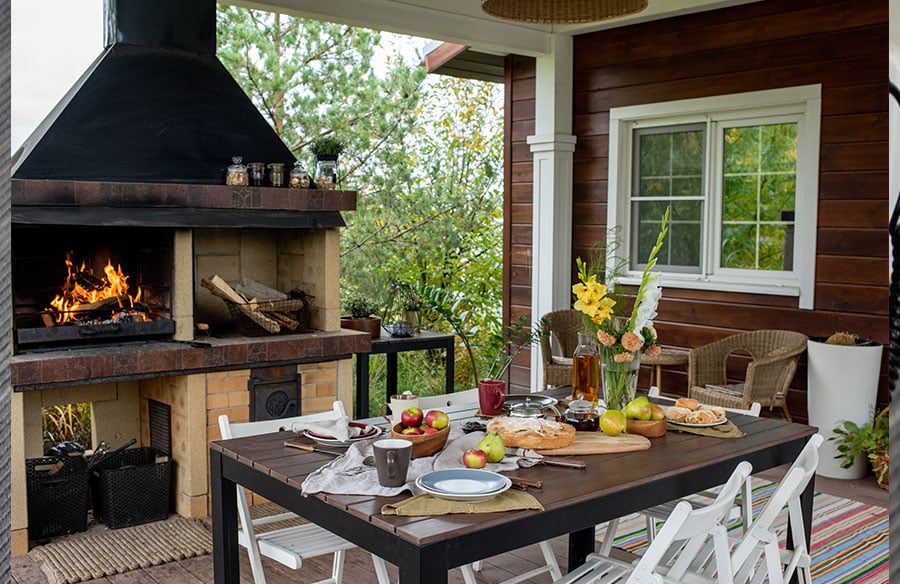
An outdoor cooking and dining area can make everyday meals feel more relaxed and give guests a place to gather without crowding the kitchen. The best spaces do more than hold a barbecue and table. They make cooking, serving, sitting and cleaning up easy.
A successful design starts with the way you plan to use the area. Think about where food will be prepared, how people will move through the space, where guests will sit and how the area will handle sun, rain and evening use.
Build a Practical Cooking Zone With bbq pods australia
A dedicated cooking zone helps keep outdoor entertaining organised. It gives you a clear place for the barbecue, preparation space, storage and serving, so you are not carrying food back and forth between different parts of the yard.
BBQ pods Australia homeowners choose can provide a structured starting point for an outdoor kitchen. A pod can help create a tidy, functional setup while allowing you to plan the rest of the dining area around it.
Place the cooking zone close enough to the house for convenient access to food, plates and cleaning supplies. Leave enough room around the barbecue for safe movement, and keep it away from low branches, fences, furniture and other materials that may be affected by heat.
Before choosing the layout, check:
- Where people enter and leave the outdoor area
- How close the cooking zone is to the indoor kitchen
- Available space for preparation and serving
- The location of power, water and drainage
- Wind direction and smoke movement
- The distance between the barbecue and dining setting
- Access for cleaning and maintenance
A clear layout can help the cook stay involved in the gathering instead of being separated from everyone else.
Choose a Dining Table That Fits the Space
The dining table often becomes the centre of an outdoor entertaining area. It should provide enough seating for your household and guests without blocking walkways, doors or access to the cooking zone.
A 10 seat outdoor dining table can suit larger gatherings, especially when the table can be adjusted to match the number of people using it. This gives you more flexibility for everyday meals and bigger occasions.
Measure the full area, not only the footprint of the table. People need room to pull out chairs, walk behind seated guests and move between the dining and cooking zones. An oversized table can make an outdoor area feel crowded, while a table that is too small may not suit how you entertain.
Leave space for:
- Chairs to move in and out comfortably
- Clear access to doors, gates and steps
- A path between the barbecue and dining area
- Serving space near the table
- Storage for cushions and outdoor accessories
- Room for children or guests to move safely
- Shelter from direct sun or light rain
Choose materials that suit the location. Outdoor furniture should handle the local weather and be easy to clean after meals, spills and regular use.
Plan the Layout Before You Buy Furniture
A good outdoor layout creates separate areas for cooking, dining and relaxing without making the space feel divided. Start by marking the proposed zones with tape, outdoor chairs or temporary items so you can test the flow before buying larger pieces.
Keep the cooking zone close to the dining setting, but do not place them so close that people need to walk around a hot barbecue. A simple route between the house, cooking area and table makes serving meals much easier.
For smaller patios or courtyards, select furniture that does more than one job. A bench may provide seating and storage, while a retractable table can offer extra room when guests arrive.
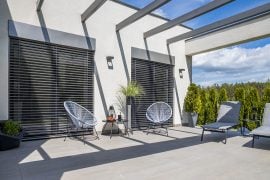
For larger backyards, use paving, planting, lighting or a pergola to define each zone. This can make the area feel organised while keeping sightlines open across the garden.
Add Shade and Weather Protection
Sun exposure can make an outdoor dining area uncomfortable, especially in the afternoon. Shade also helps protect furniture and creates a more inviting place to sit during warmer weather.
Study the area at different times of day before choosing a cover. A table that looks well-positioned in the morning may receive strong sun later in the afternoon. The direction of the home, nearby buildings and trees all affect the amount of shade available.
Useful options may include:
- Pergolas or covered roof structures
- Adjustable shade systems
- Large outdoor umbrellas
- Shade screens beside exposed areas
- Trees and landscaped planting
- Outdoor blinds where suitable
- Moveable seating that can shift with the sun
Rain protection is also useful for outdoor cooking and dining. Make sure any covered area has suitable drainage so water moves away from the home, table and cooking equipment.
Include Lighting for Safer Evening Use
Lighting can extend the use of an outdoor cooking and dining area after dark. It also helps people move safely around steps, pathways and the barbecue.
Use brighter task lighting near the cooking zone so food preparation and grilling are easier to manage. Softer lighting near the table can create a comfortable atmosphere without making the space too bright.
Position lights to avoid glare in people’s eyes. Keep cords and portable lights away from water, heat and walkways. Fixed outdoor electrical work should be completed by a qualified electrician using fittings suited to the location.
Make Storage Part of the Design
Outdoor cooking areas often collect tools, tableware, cushions, cleaning products and barbecue accessories. Without storage, these items can clutter benches and reduce usable preparation space.
Plan storage close to where each item will be used. Keep barbecue tools near the cooking zone, dining items near the table and cushions in a dry, accessible space.
Weatherproof storage can help protect items from rain, dust and insects. It can also make cleaning up after a meal faster, allowing the outdoor area to stay ready for the next use.
Avoid storing flammable products, loose paper or fabric close to cooking equipment. Keep cleaning products secured and out of reach of children and pets.
Use Materials That Are Easy to Maintain
Outdoor kitchens and dining areas are exposed to grease, food spills, rain, heat and leaf litter. Choose surfaces that are practical to clean and suited to the weather conditions at your property.
Benchtops should provide stable preparation space, while flooring should be safe underfoot when wet. Avoid finishes that become difficult to clean or slippery around cooking and dining areas.
Check the condition of surfaces regularly. Remove food residue, clear leaves from drainage areas and clean spills promptly. This helps maintain hygiene and keeps the space looking presentable.
Allow for Ventilation and Smoke Movement
Outdoor cooking still needs good airflow. Smoke, heat and odours can become uncomfortable if the barbecue is placed in a confined area or too close to walls and roof structures.
Consider the prevailing wind direction and leave open space around the cooking zone. This can help smoke move away from guests, windows and doors.
Do not place a barbecue directly beneath a low roof or use it in a fully enclosed area unless the setup has been designed for that purpose. Follow the manufacturer’s instructions for clearance, ventilation and safe operation.
If your outdoor area is near bedrooms or neighbouring properties, thoughtful placement can also help reduce smoke and cooking smells reaching nearby windows.
Create an Area That Works for Everyday Meals
The best outdoor cooking and dining areas work just as well for a quiet family dinner as they do for a larger weekend gathering. They have enough preparation space, comfortable seating and a layout that allows people to move easily.
Focus on the features that match your lifestyle. A household that hosts large groups may need a bigger table and serving zone, while a smaller family may value flexible seating, storage and a compact cooking pod.
A well-planned layout can make outdoor meals easier to enjoy throughout the year. By combining a practical cooking zone, suitable dining furniture, weather protection and good lighting, you can create an entertaining area that feels like a natural extension of your home.
Plan Your Outdoor Cooking and Dining Space
A successful outdoor cooking and dining area should be comfortable, safe and easy to use. Plan the layout around your daily routine, allow room for guests and choose durable features that suit the site.
Explore Outdoor Living HQ’s outdoor kitchen and dining options to create a space that makes cooking, eating and entertaining outdoors more enjoyable.
FAQs
What are BBQ pods Australia used for?
BBQ pods Australia homeowners choose are used to create a dedicated outdoor cooking area. They can provide a structured space for a barbecue, preparation area and storage, helping keep entertaining zones organised. A pod may suit patios, decks and backyard kitchens where a simple, functional layout is needed. The final setup should allow safe clearance, good ventilation and easy access from the home.
Can BBQ pods Australia be installed in small backyards?
BBQ pods Australia can suit smaller backyards when the layout is planned carefully. Measure the available space and allow room for people to cook, open storage areas and walk between the barbecue and dining setting. A compact pod may work better than a large outdoor kitchen in a narrow courtyard or patio. Keep access paths clear and avoid placing cooking equipment too close to walls or furniture.
Do BBQ pods Australia need nearby power or water?
The services needed for BBQ pods Australia depend on the appliance type and the features included in the outdoor kitchen. Some setups may need access to electricity, water or gas, while others may have simpler requirements. Plan these services before installation so they can be safely located and installed. Use qualified trades for electrical, plumbing and gas work where required.
How do you clean BBQ pods Australia?
Clean BBQ pods Australia by removing food residue after cooking, wiping down preparation surfaces and emptying barbecue grease trays as directed by the manufacturer. Clear leaves and debris from around the pod so they do not collect near cooking equipment. Use cleaning products suited to the surface materials and avoid abrasive tools that can damage finishes. Regular cleaning helps maintain hygiene and appearance.
Where should BBQ pods Australia be placed?
BBQ pods Australia should be placed where there is clear access from the house, enough room for cooking and dining, and suitable ventilation. Avoid placing them too close to windows, low roofs, fences, plants or materials affected by heat. Check wind direction, drainage and the location of services before finalising the position. A well-planned location helps keep the outdoor area safer and easier to use.