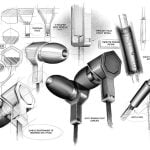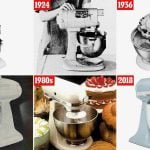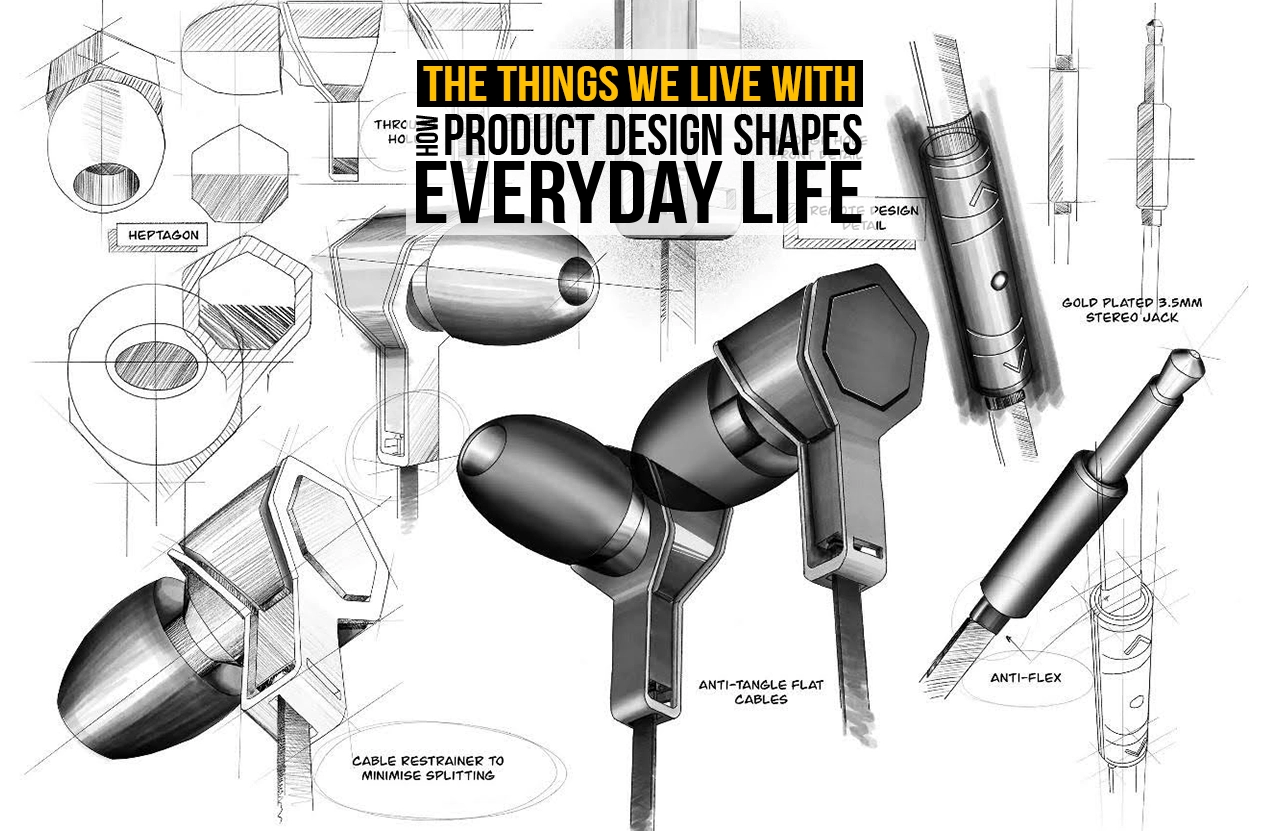
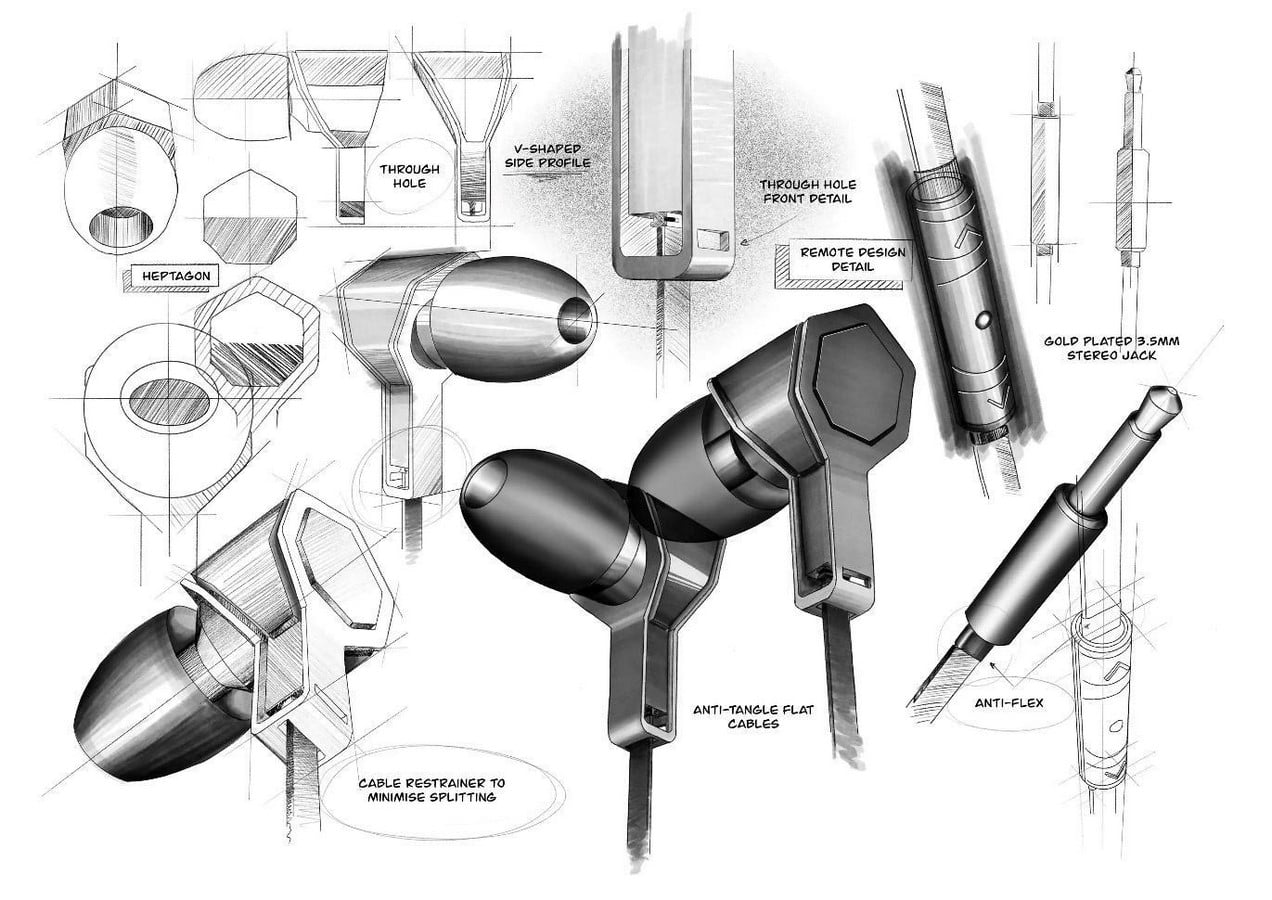
Product design is the art and science behind creating functional and aesthetically appealing objects, merging innovation, usability, and sustainability. It consists of a wide range of objects, from handcrafted objects to high-tech consumer products. These objects have become an inseparable part of our lives, and it surrounds us, shape our experiences, and influence our behaviour. Whether it is simple objects or complex technologies, the design process must focus on a deep understanding of the user and their needs, aiming to create accessible, ergonomic and sustainable products.
The Three Pillars of Product Design
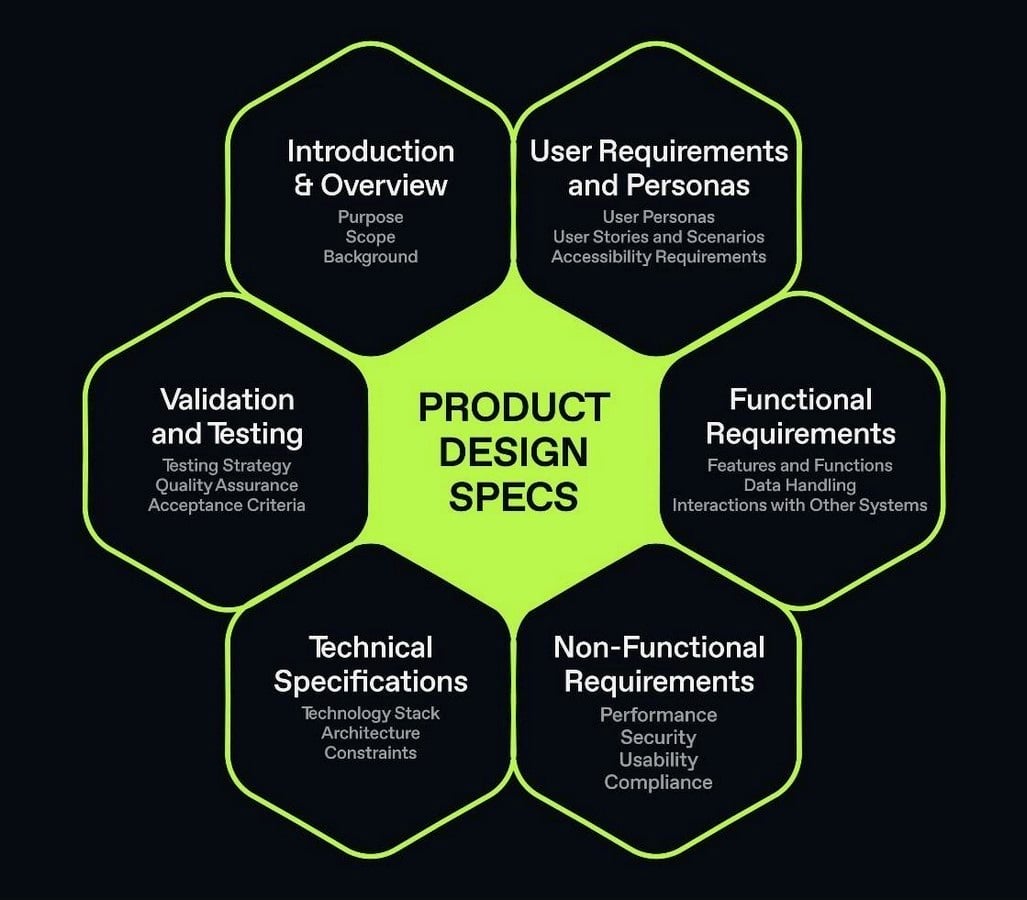
Tim Brown defines Product design as “a fusion of art and engineering, beauty and functionality”. Beauty is the first characteristic of a product that a user engages with; hence, it serves a function in product design. Its function here is to attract people and allow them to engage with the objects. When craftsmanship combines beauty with structural integrity, an object gains deep emotional resonance. We human beings are naturally drawn to collecting objects for their beauty, just to serve our eyes. People won’t adopt a terribly designed object as an extension of their lives.
Functionality can never be a fixed standard, as it varies significantly across the world. Functionality itself is defined by the culture and context of the user. What is considered ergonomic or standard varies across regions; deep ethnographic research eliminates this divide. Sometimes a simple tool can become an emotional extension of people’s identity. In Japan, thinner and more compact towels are preferred over large Western fluffy bath towels because people traditionally dry off inside the bathroom wet area before stepping out.
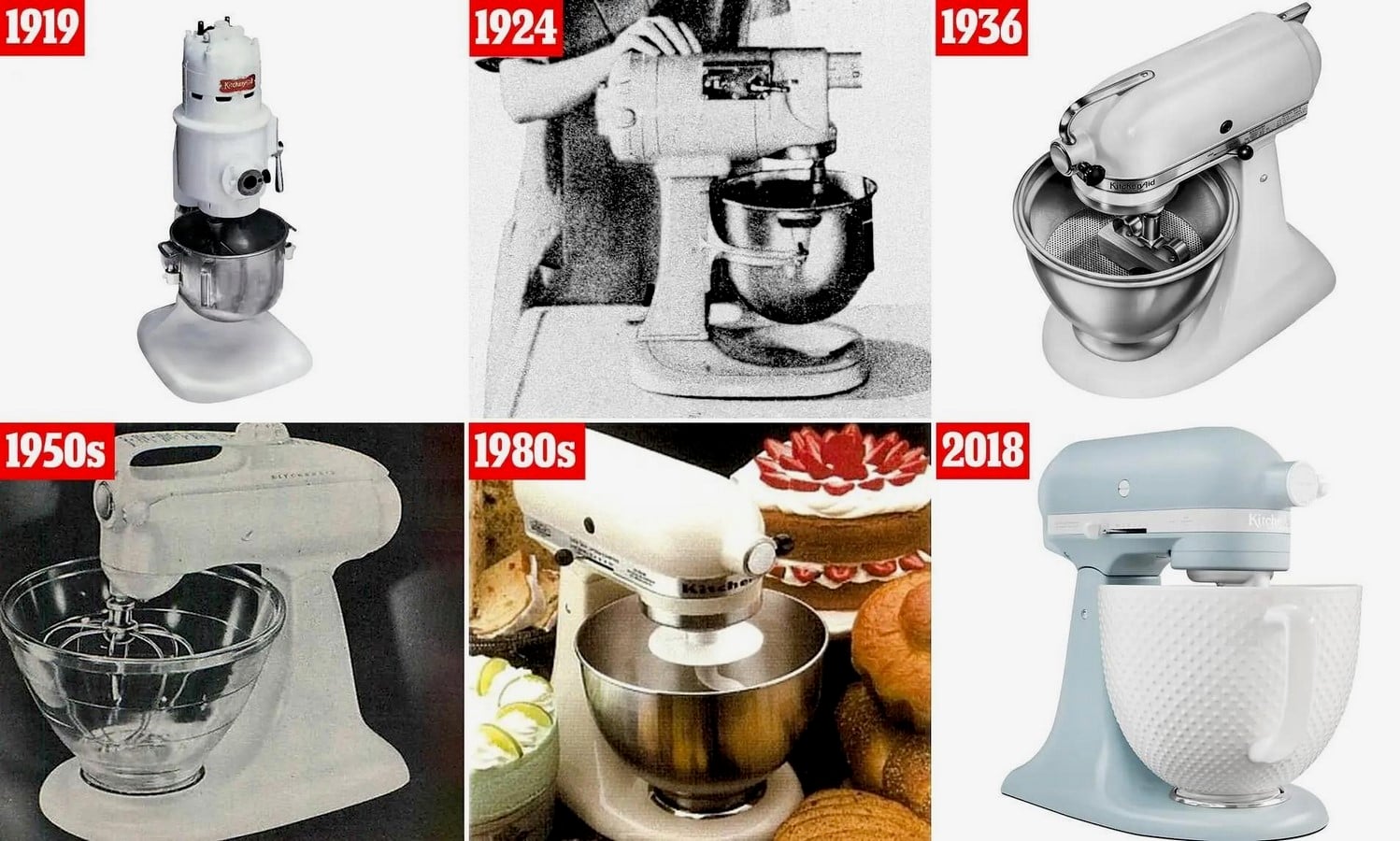
Usability of a product is defined by its efficiency, effectiveness, and user satisfaction. Intuition, safety, and user adoption are the three main cornerstones when designing everyday objects. A well-designed tool is intuitive, requiring no conscious thought to operate. While designing, digital product designers must anticipate user needs through intuitive navigation and clear visual feedback. For example, banking apps could simplify complex financial transactions its interface; this would promote customers to use the digital services. Usability ensures products align with users’ goals and expectations. Inadequate product design leads to frustration, inefficiency, and safety risks. Like how Flat-pack furniture instruction is not clear can hinder the user experience. Sometimes people find unintended uses for objects, like using a stool and a bookstand or using a toothbrush to clean tight corners.
A product identity is never neutral, as the object is always tied to the traditions, values, and environment of the people who use it. The identity of an object changes; hence its context-dependent. Designers must understand cultural nuances to ensure that their product resonates with the target audience. Sometimes colour, symbols, and shapes are perceived differently by cultures across the globe. For example, the colour white is a symbol of purity in the West but mourning in certain Eastern cultures. Context prototyping is a crucial part of the process where the product prototypes are tested and evaluated within the environment, routine and cultures where it will be used.
What Makes a Good Design?
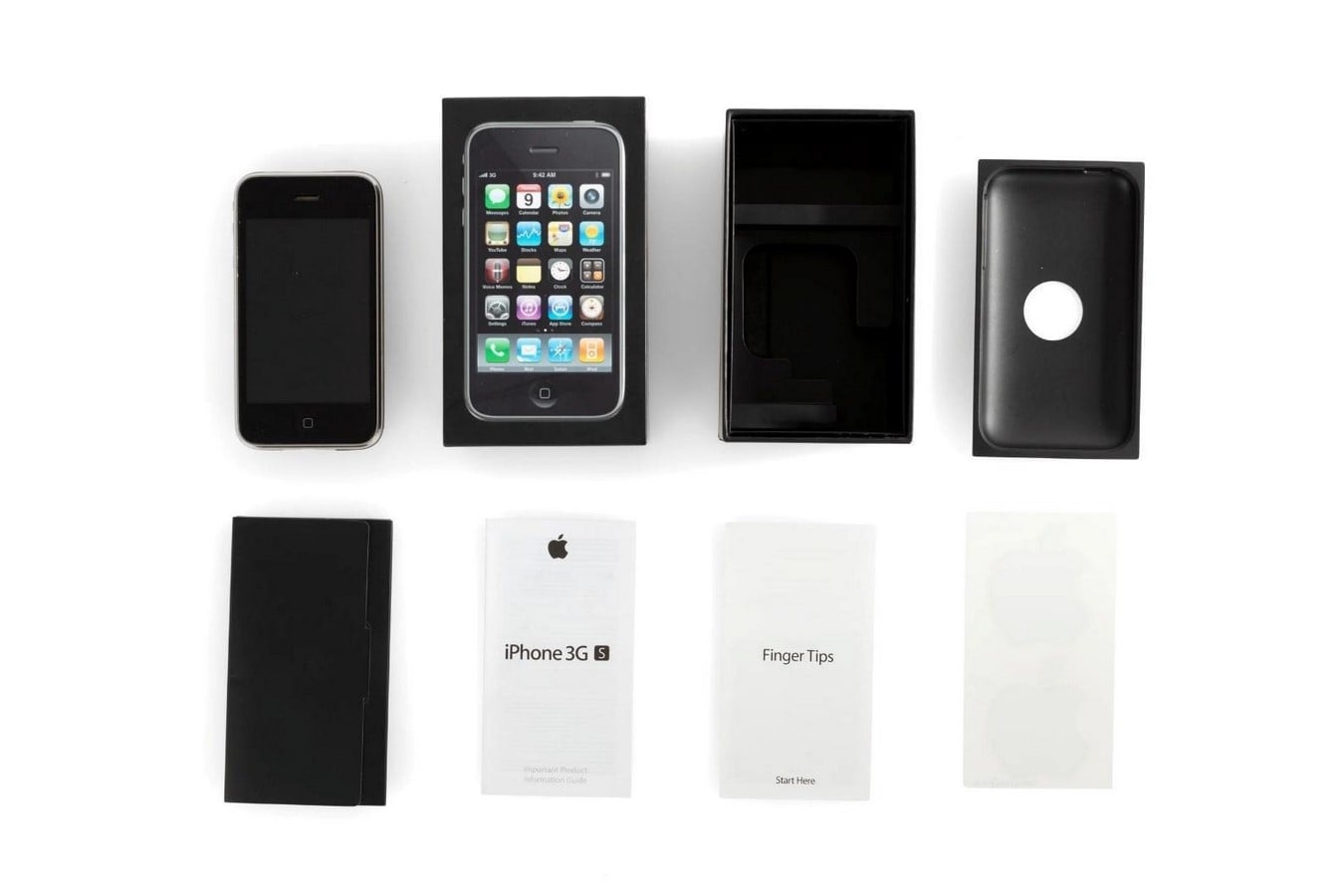
The main aim of product design is to make life simpler and more enjoyable. Good design considers the users, its maker, the distributor, and the product life cycle. Product design shapes the quality of life for entire communities and addresses global challenges through sustainability and material innovation. By using recycled polyester, it promotes a circular economy in the manufacturing industry. Product design isn’t about making objects; they are narratives that reflect heritage and time. Sometimes international companies try to export a fixed product format without adapting to local rituals. In 1974, IKEA’s first entry into the Japanese market failed because furniture dimensions were too large for Japanese homes, and the self-assembly model clashed with local expectations of finished quality.
Globalisation and Product Design
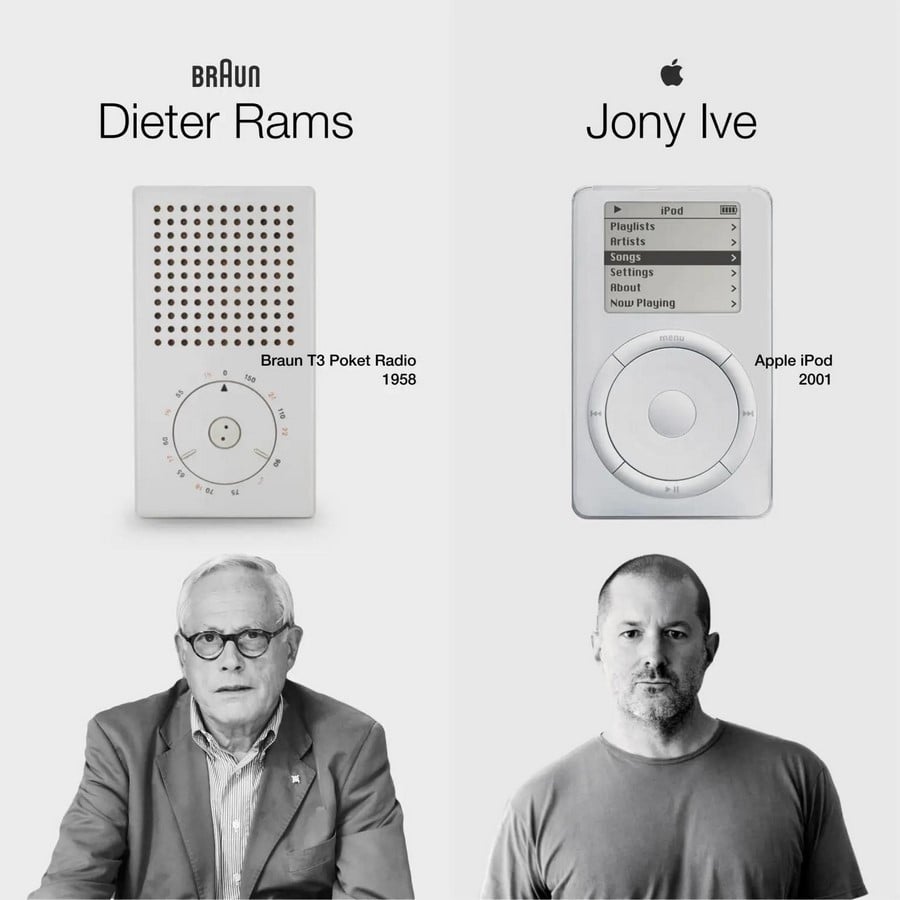
Globalisation and consumerism have flooded the market with products. They influence how products are manufactured, distributed, and consumed. It has not erased cultural diversity, but has promoted ethnographic research to adapt products to specific cultural needs. Globalisation brings different cultures, talent, and technology. Globalisation without local awareness fails; hence, designers must balance universal standards alongside deep local traditions. Product development: For example, Designers in the West adhere to an ergonomic standard chair height of 46cm. In parts of Nigeria, for instance, people traditionally prefer to sit lower to the ground for spiritual reasons and simply because that is how they grew up.
Creativity, Innovation and Function
Product design is the intersection of creativity, functionality and innovation. It is where ideas are transformed into practical solutions and adapted to human needs. A well-designed product is a continuous dialogue between intent, culture, material reality and human behaviour. Objects aren’t mere commodities; they are also archives of human identity, social connection and shared heritage. Technical excellence alone doesn’t make a product successful; it must respect local ritual and regional expectation. In a constantly changing world, product design continues to shape the way we live and interact with the environment, contributing essentially to the progress of society
References:
Available at: https://www.mybib.com/tools/harvard-referencing-generator [Accessed 5 Sept. 2026].
Briciu, M. (2024). Product Design. [online] Ilustromania.com. Available at: https://www.ilustromania.com/artistic-fields/product-design [Accessed 5 Sept. 2026].
XenoSphere Originals (2026). The Art of Design | How Design Controls the World. Available at: https://www.youtube.com/watch?v=DVsgpTNB5CI [Accessed 9 Sept. 2026].
Rao, D. (2026). The Impact Of Culture On Industrial Design: A Local Perspective. [online] Analogydesign.co. Available at: https://www.analogydesign.co/blog/the-impact-of-culture-on-industrial-design-a-local-perspective [Accessed 9 Sept. 2026].
www.speckdesign.com. (n.d.). Cultural Influences on Product Design: Introduction. [online] Available at: https://www.speckdesign.com/posts/cultural-influences-on-product-industrial-design [Accessed 9 Sept. 2026].
IE Insights (2026). What Is Good Design? How Culture Shapes Everyday Objects. Available at: https://www.youtube.com/watch?v=OSPt78xgL_g [Accessed 9 Sept. 2026].
IIAD (2024). The Hidden Impact of Design on Everyday Life | IIAD. [online] IIAD. Available at: https://www.iiad.edu.in/the-circle/impact-of-design-on-everyday-life/ [Accessed 9 Sept. 2026].
Images
Anon, (n.d.). [Photograph-1] Available at: https://www.ilustromania.com/artistic-fields/product-design.
Anon, (n.d.). [Photograph-2] Available at: https://www.ilustromania.com/artistic-fields/product-design.
Anon, (n.d.). [Photograph-3] Available at: https://www.ilustromania.com/artistic-fields/product-design.
Anon, (n.d.). [Photograph-4] Available at: https://www.ilustromania.com/artistic-fields/product-design.
Anon, (n.d.). [Photograph-5] Available at: https://www.ilustromania.com/artistic-fields/product-design.