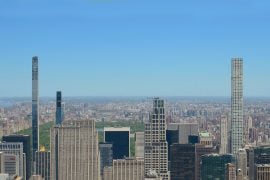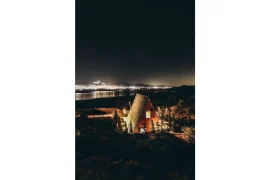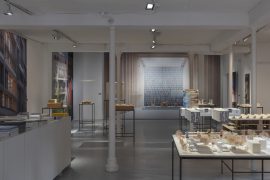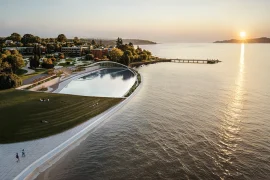
Look up and there it was. A grid of downlights, a pendant over the dining table, a chandelier making its statement, a cove tracing the perimeter. The ceiling was where illumination began, and for many spaces, where the thinking ended.
Project Name: Why Light Is Becoming Part of the Architecture
Studio Name: Mr. Light Illumination
But architecture has never really been two dimensional. So why should light be?
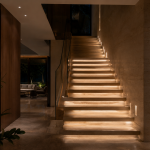
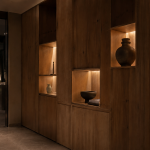
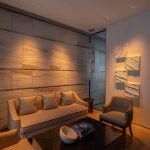
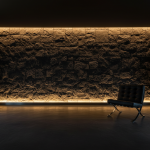
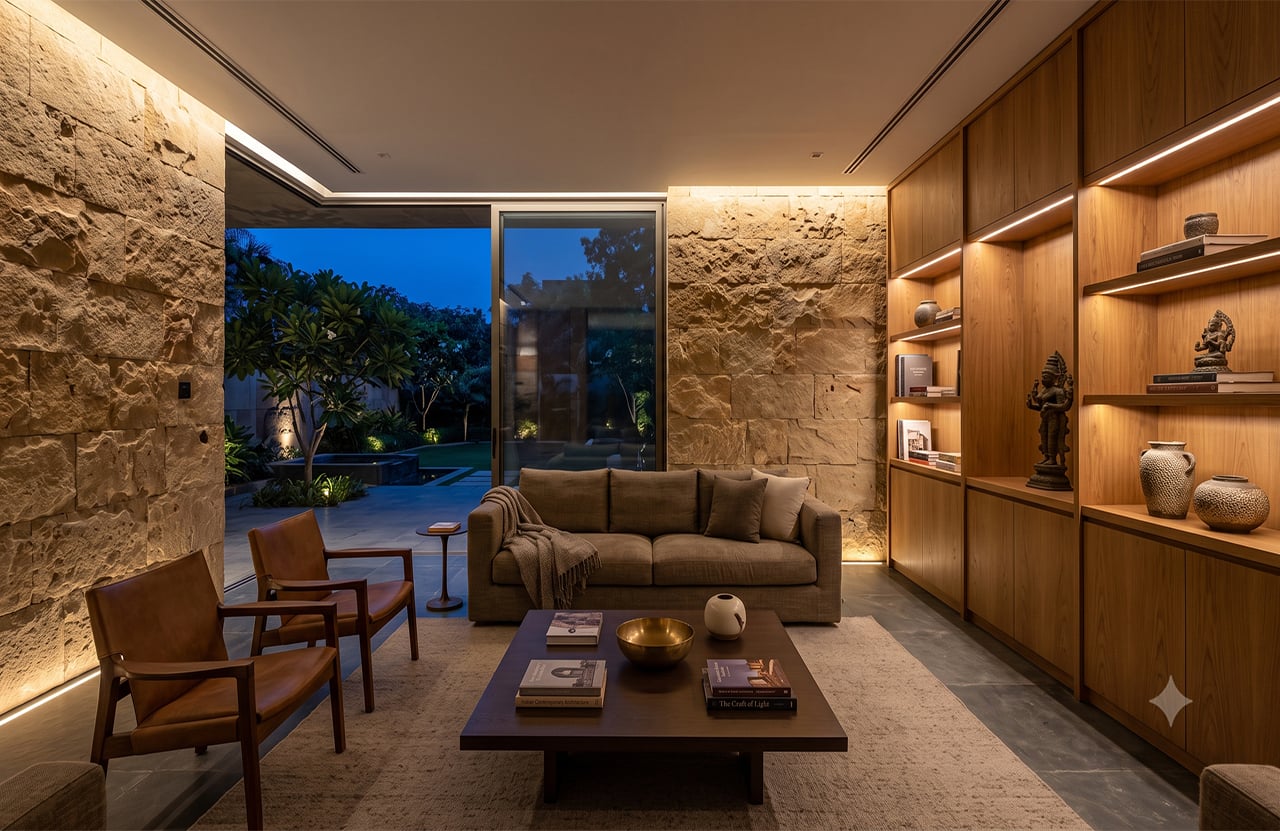
A quieter shift is taking place in contemporary lighting design. Light is beginning to leave the ceiling and move into the architecture itself. It is finding its way into walls, floors, staircases, joinery, niches, facades and landscapes. It is grazing across stone, tracing edges, revealing textures and creating pools of focus where there was once simply uniform brightness. The fixture is becoming less important than the effect it creates, and increasingly, the most successful lighting is the kind you notice without immediately knowing where it came from. For Mr. Light Illumination, this shift is less a new trend than a continuation of a belief that has guided the brand since its beginnings in 1986: architecture does not end when the sun goes down.
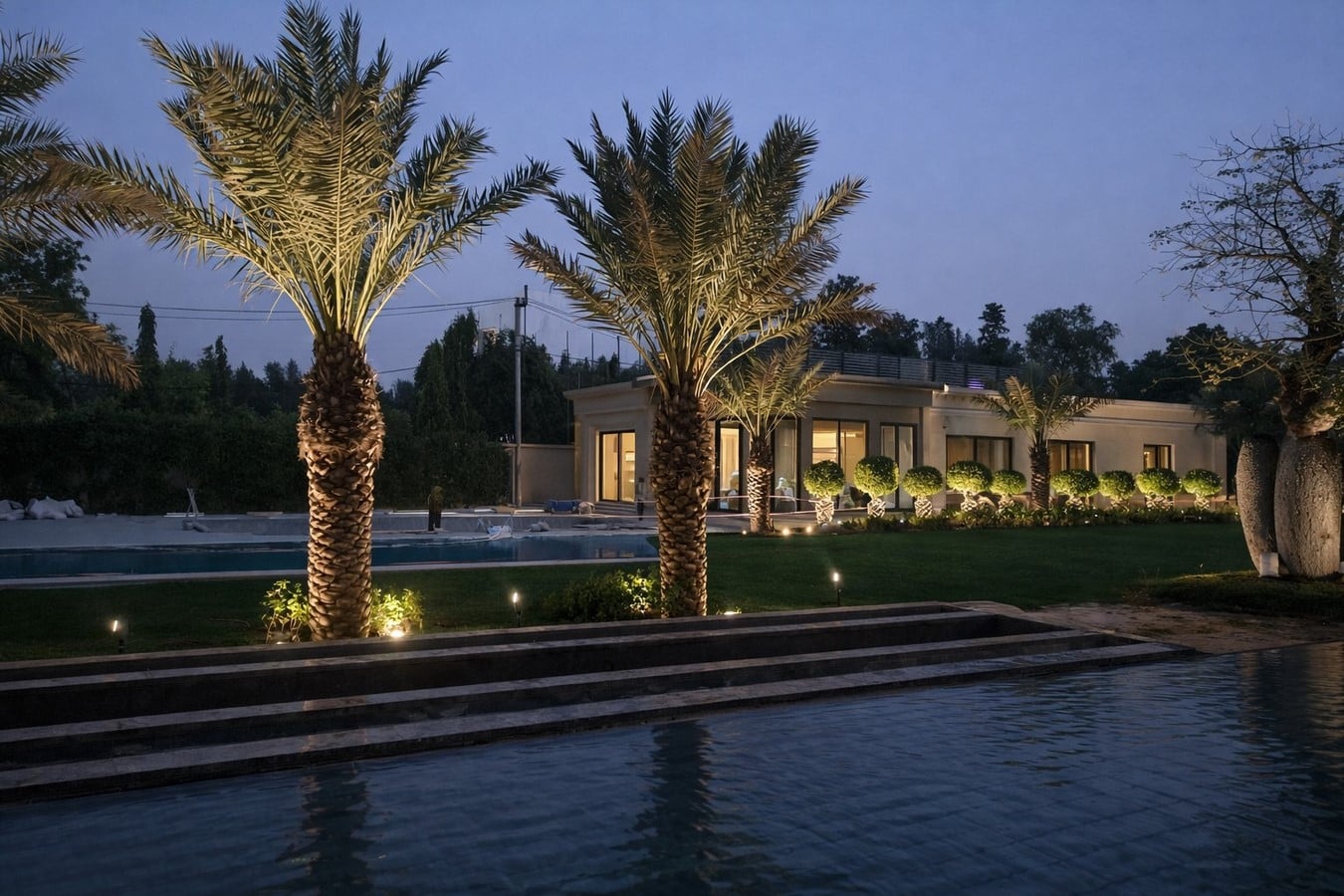
A wall that seemed flat suddenly acquires depth. Stone reveals a grain that daylight had overlooked. A corridor develops a rhythm through alternating pools of light and shadow. A staircase becomes a line through space. A facade that appeared familiar by day takes on another character after sunset. In a landscape, a tree is no longer simply a tree but a silhouette, a canopy, a vertical form against the night.
This is where the role of lighting begins to change.
The question is no longer simply where to put a light. It is what the light can make architecture do.
“Good lighting should not compete with architecture for attention. It should understand what architecture is trying to say and know when to step forward and when to disappear,” says Hitesh Rohra, Creative Director and Lighting Designer at Mr. Light Illumination. “When light is integrated thoughtfully, it can become almost invisible as a source while becoming unmistakable as an experience.”
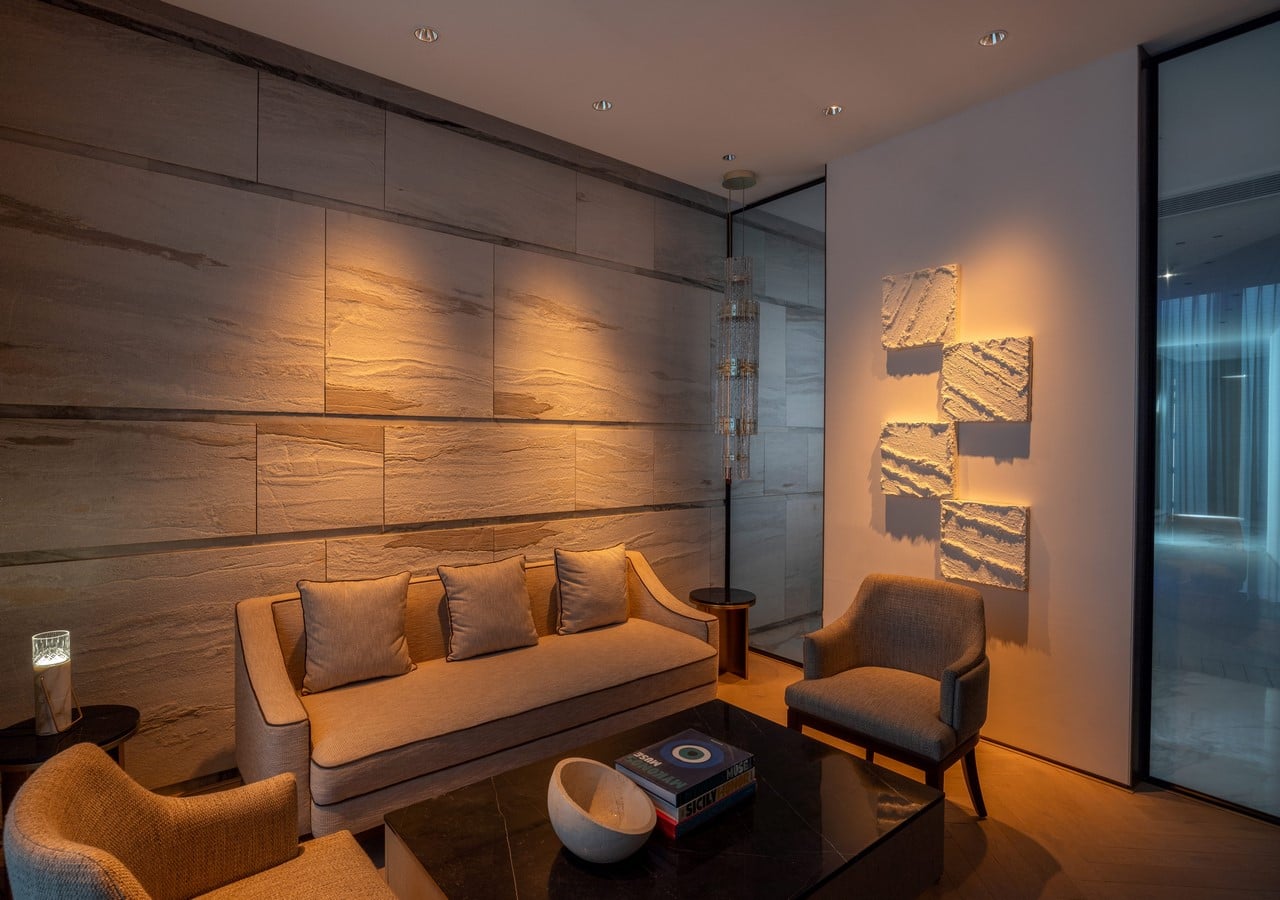
This is also why the movement beyond the ceiling matters.
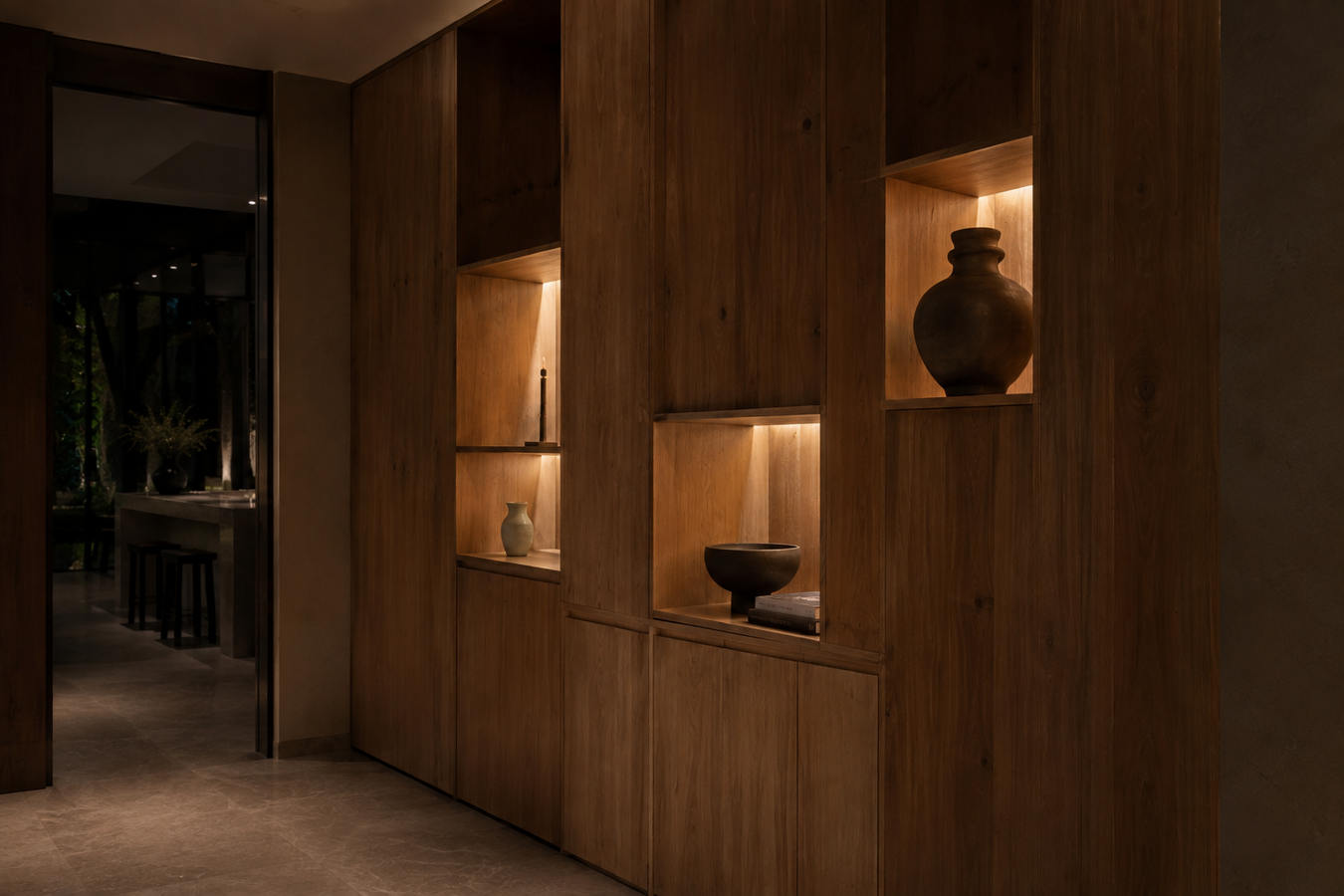
When lighting is concentrated overhead, the ceiling can become visually crowded while the rest of the architecture remains passive. But when light begins to inhabit different planes of a space, the architecture becomes more dimensional. Walls can carry atmosphere. Floors can guide movement. Joinery can glow from within. Stairs can become illuminated transitions. Architectural recesses can hold shadow. Outdoor elements can be read as silhouettes rather than simply objects under floodlights.
The result is not necessarily more light.
It is a better placed light.
The source may disappear.
The architecture does not.
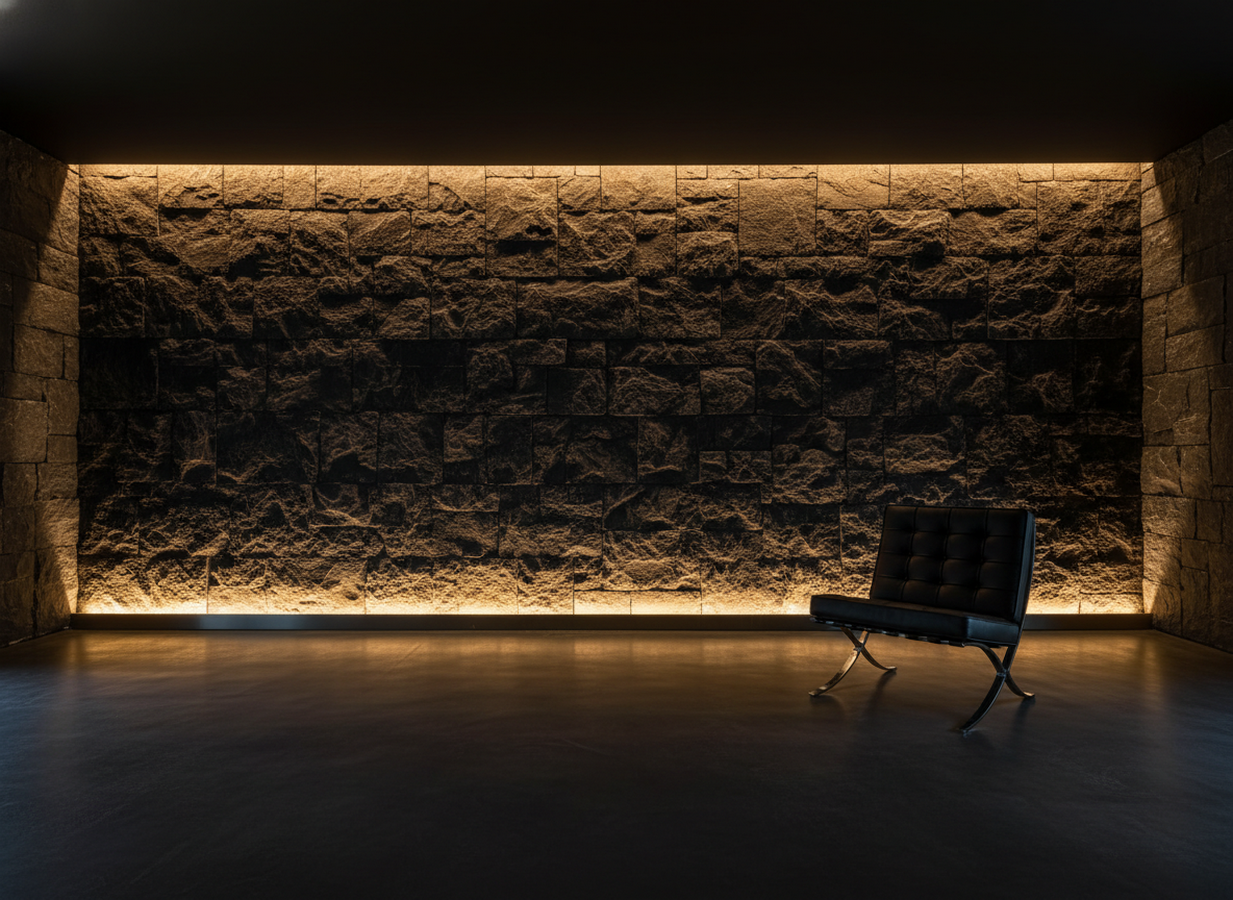
And perhaps that is where lighting design is headed: away from the idea of light as something we install, and towards the idea of light as something we design into the very way a space is perceived. A material without a physical form. An architectural layer without a visible edge. An invisible element capable of making a wall speak, a landscape linger and a building discover its second identity after dark.