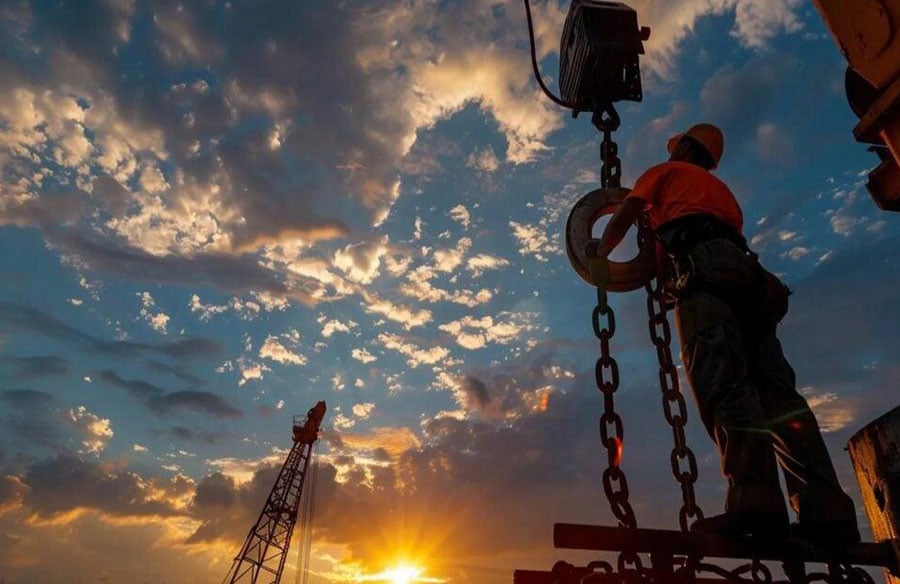
Construction projects often rely on careful planning where safety is often a priority. Among the many specialized roles found on modern worksites, rigging has become one of the most important, where heavy materials are often moved from one place to another. This is where skilled personnel can make sure that the entire operation is completed efficiently. See more info about rigging when you click here.
In Melbourne, infrastructure development is continuous, and the demand for qualified workers who can handle lifting is also increasing. Employers are constantly searching for individuals who possess practical knowledge in the work that they do, and this is where professional education becomes a valuable step towards one’s career advancement.
Training programs that provide a structured way for people to learn critical techniques can help them develop the confidence needed to perform their tasks on various worksites. This may be their first time entering the industry, or they may be experts who want to expand their existing qualifications. Regardless of their motivations, it’s best to obtain proper instructions that can enhance their safety in the workplace.
What Does a Rigger Do?
Rigging involves a lot of work when it comes to preparing a load before it’s lifted by heavy machinery like cranes. They may often be hoisted by other mechanical equipment, and the process requires precision because even the smallest mistakes can create serious hazards to everyone.
The rigger is the personnel responsible for selecting the appropriate lifting gear while calculating the load accurately. They’re effective in their communication with the crane operators, and they have the technical knowledge that can help them relocate large industrial products across projects.
Why Professional Training Matters?
Many might think that they can learn the skills when they’re already doing the actual job but know that this is risky. People might encounter improper load distribution, and there can be a risk of dangerous incidents that can happen in these cases.
Meanwhile, formal training can help participants understand the principles that can create a safe environment for lifting. Beyond the requirements, many employers prefer hiring workers with certifications because this demonstrates their commitment to professional standards. Proper training can also provide people with a bit of knowledge on what they may encounter while on site. Learning these can allow participants to prepare in a controlled environment before entering sites that are risky.
What Students Learn During Training?
Typically, the students are taught theoretical instructions along with plenty of practical applications so they will have actual exposure to lifting operations while they’re still in class. Many are introduced to various types of accessories, and they learn how components like shackles function within the system. They also learn to use chains and decide which one is appropriate for a specific operation.
They also learn more about load estimation, which can be a very important topic for workers. This is to avoid exceeding safe limits, and they also learn how to communicate with crane operators since they play a very important role in coordinating lifts in the most efficient manner possible.
Safety as a Core Priority
Even the most experienced professionals are continuing to evaluate the conditions to make sure that the work can proceed without risks that can be prevented in the first place. Fortunately, there are programs from the experts of Construction Training International, including the Rigging Course Melbourne, who can emphasize the workers’ compliance with the workplace regulations at any site.
The students are going to familiarize themselves with the legal responsibilities that often apply to equipment usage. They also consider the environmental conditions of the site, like the visibility that can be affected by the weather. Ground stability and the surrounding structures can also influence how the lifting operations are done.
Career Opportunities After Qualification
 Fortunately, those who are able to become experts in rigging can get accepted into multiple sectors where the lifting operations are performed routinely. Construction has remained one of the most common employment destinations of many people, and this isn’t surprising. After all, there are a lot of large commercial projects in Melbourne that are being built, like bridges, while others are more focused on residential projects.
Mining operations also need riggers with equipment installation, especially during the initial phases. Also, some ports may present additional employment possibilities for those who are always continuing their education and getting the right licenses.
The Value of Hands-On Learning
It’s best to get a course that requires practical experience as part of its education, especially when it comes to heavy machinery work. Reading about the lifting techniques can be a start, but real skill development often occurs through supervised application.
The best training environment often gives participants the chance to select the equipment that they want to use, as well as identify hazards with rigging (https://www.osha.gov/sites/default/files/rigging_ships.pdf) under professional guidance.
Choosing a Quality Training Provider
It’s best to choose high-quality trainers that can help one achieve meaningful results. A lot of prospective students should look for a course that has experienced instructors, and they should be nationally recognized in the industry. They should also have industry-relevant equipment so they can reflect the current workplace practices that can help participants develop the right skills that they need while on the job.