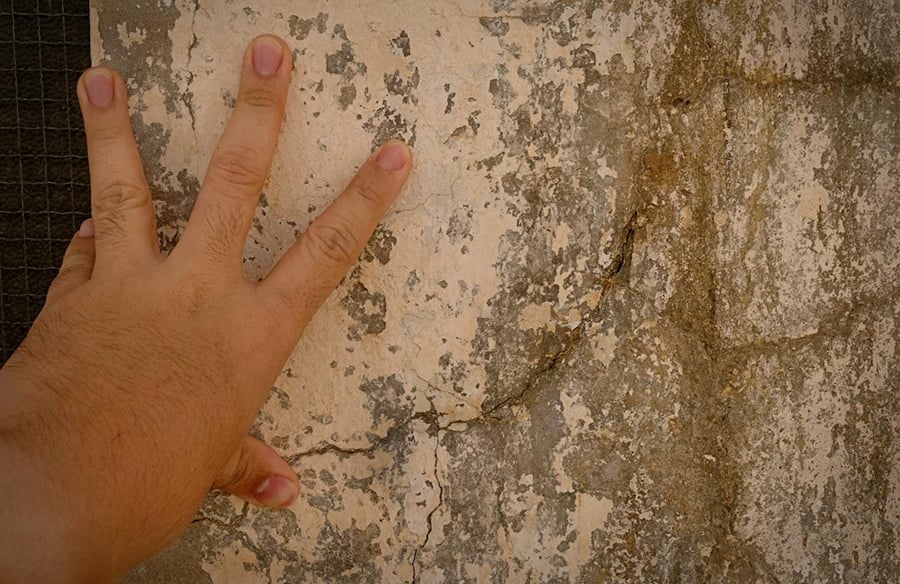
Mold is usually treated as a cleaning problem. In truth, it is a building problem that only shows up as a stain. By the time you see it, the real issue has often been at work inside the structure for months.
That is especially true in a dense, older city like New York. Aging buildings, tight spaces, and constant moisture make mold a recurring challenge for owners. Understanding why it happens, and calling in professional NYC Mold Removal Services early, is far cheaper than fighting it after the damage is done. Here is what every property owner should know.
Why Is Mold a Building Problem First?
Mold needs three things: moisture, a food source, and time. Buildings supply all three whenever moisture is allowed to linger. The paint, drywall, and wood of a normal home are food enough.
Moisture is the only variable you can truly control. Remove it, and mold cannot take hold no matter what else is present. That is why the EPA frames the entire issue around controlling moisture rather than killing spores.
The building’s design decides where moisture goes. Poor drainage, weak ventilation, and cold surfaces all invite condensation. Mold simply follows the water the structure fails to manage.
What Design and Construction Flaws Invite Mold?
Many mold problems are built in, not bad luck. They trace back to decisions made during construction or renovation. Getting these wrong sets a building up to fail.
- Poor ventilation. Trapped humid air condenses on cold surfaces.
- Missing vapor barriers. Moisture migrates straight into wall cavities.
- Bad drainage. Water pools against foundations and basements.
- Thermal bridges. Cold spots become permanent condensation points.
- Rushed finishes. Sealing in damp materials guarantees hidden growth.
These are common construction mistakes that quietly create the conditions mold needs. Fixing the underlying flaw, not just the surface, is the only lasting cure, and it usually costs less than repeatedly repainting over a returning stain.
How Does Humidity Drive the Problem?
Humidity is the fuel behind most indoor mold. When the air holds too much moisture, it settles on any cooler surface it meets. Those damp spots become launch pads for growth.
 Alt text: A modern building interior with good ventilation and natural light
New York’s climate makes this worse. Humid summers and heated winters swing indoor moisture levels sharply. Every swing is another chance for condensation to form.
Keeping humidity in check is the front line of prevention. Dehumidifiers, exhaust fans, and steady ventilation hold the balance. Aim to keep indoor humidity comfortably below the point where condensation forms, and watch the coldest rooms most closely.
Bathrooms and kitchens deserve special attention. They generate the most moisture and often vent it poorly. A working extractor fan in each is one of the cheapest mold defenses an owner can install.
Why Does Mold Matter Beyond the Stain?
The visible patch is the smallest part of the problem. Mold damages the very materials that hold a building together. Left alone, it weakens drywall, rots wood, and spreads through cavities.
It also travels. Spores move through air ducts and gaps, colonizing new rooms far from the source. A basement problem can surface in an upstairs bedroom.
Then there is the human cost. Poor indoor environments affect comfort, health, and especially the wellbeing of children and older residents. Protecting the building protects the people inside it.
How Should NYC Owners Handle Mold?
The right response depends on the scale of the problem. Small patches can be managed, but large or hidden growth needs professionals. Knowing the difference saves both money and health.
For minor surface mold, careful cleanup can work. The EPA’s steps for cleaning up mold can be enough on small areas, though the same guidance warns when a job is too big to tackle alone. Anything beyond a few square feet usually is, and hidden growth almost always is.
Call in a professional when you see any of these signs:
- Large patches. Growth spreading beyond about ten square feet.
- Hidden mold. A musty smell with no visible source.
- Repeat returns. Mold that keeps coming back after cleaning.
Prevention, though, is the real strategy. Building with mold-resistant natural materials, fixing leaks fast, and keeping air moving all pay off. When growth does appear, address the moisture source, not just the visible stain.
What to Remember
- Mold is a building and moisture problem before a health one.
- Controlling moisture is the only reliable way to prevent it.
- Design flaws like poor ventilation and drainage invite mold.
- Humidity is the main fuel, and NYC’s climate intensifies it.
- Mold damages structure and spreads through a building’s cavities.
- Large or hidden growth calls for professional remediation.
Building Against Mold
Mold is not really about spores. It is about how a building manages water, air, and temperature over time. Treat it as an architectural challenge, fix the moisture at its source, and bring in professionals when the problem outgrows a cloth and a spray. Do that, and both the building and the people in it stay healthier.
Frequently Asked Questions
Is Mold a Structural Problem or a Health Problem?
Both, but it starts as a building problem. Mold feeds on and damages structural materials while thriving on trapped moisture. The health effects follow once it takes hold.
Why Is Mold So Common In NYC Buildings?
Aging structures, dense construction, and a humid climate all trap moisture. Older buildings often lack modern ventilation and vapor barriers. Together these create ideal conditions for mold.
Can I Remove Mold Myself?
Small surface patches can sometimes be cleaned safely. Anything large, hidden, or recurring needs professional remediation. The key is always to fix the moisture source, not just the stain.
How Do I Stop Mold From Coming Back?
Control the moisture that feeds it. Fix leaks quickly, improve ventilation, and manage indoor humidity. Address the underlying building flaw rather than only the visible growth.