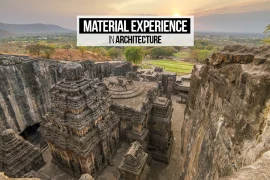
Architecture celebrates its beginnings.
Design competitions laud the winning design. Foundation laying ceremonies herald the start of construction. Architectural magazines feature beautifully composed photos of new buildings that show them while they are still unaffected by the weather, use, and time. Buildings are part of architectural history when they have been constructed.
Their ends are never given the same kind of celebration.
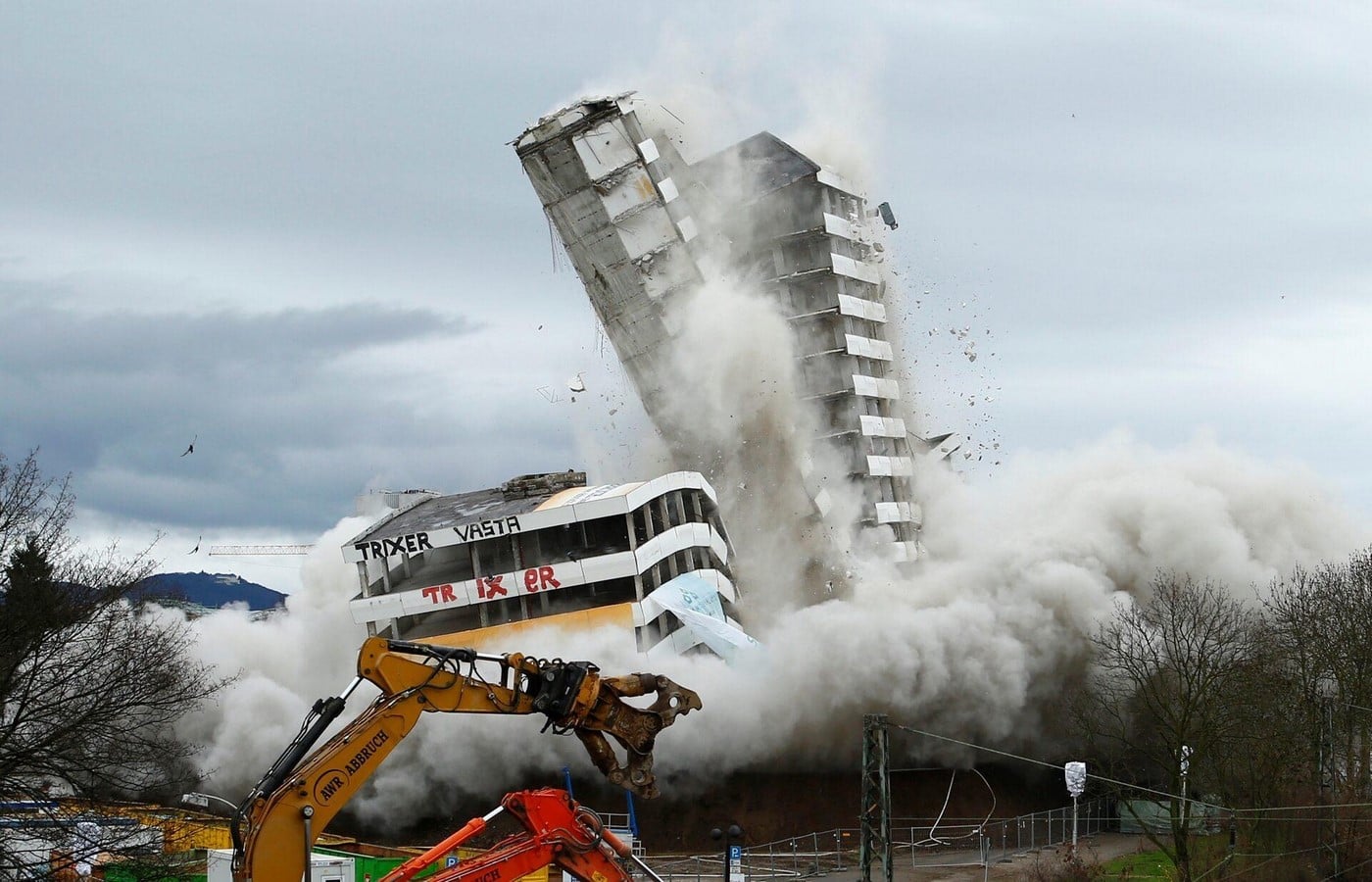
Demolition usually takes place quietly, behind temporary fences and construction hoardings. Construction equipment turns decades of building design into a pile of concrete, bent metal rods, smashed windows, and discarded wooden pieces in a few days. A work that used to be a result of a long and thoughtful design process becomes construction debris practically overnight.
The biggest weakness in architecture is perhaps not the fact of how buildings are made to last. But rather, how little they are designed to come apart.
Architecture’s Linear Habit
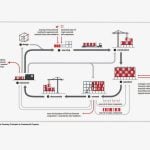
The construction of buildings in the last century has happened through what might be called a linear process. Materials are gathered, fabricated into construction components, turned into a building, inhabited for several years, and finally demolished because they no longer meet certain economic, functional, or technological needs.
It has happened so many times that people treat demolition as an end that is unavoidable.
But this linear process hides a disturbing dichotomy.
Architecture spends many months solving connections between components, designing façade systems, and the construction process, but not on how to deconstruct the building fifty or sixty years later. The components are glued together. Composites become indivisible in nature. Valuable materials lose all their identity when the process of deconstruction starts.
The building may be worn out.
But its material remains.
When a Building Becomes a Material Bank
The concept of the material bank defies one of architecture’s oldest beliefs.
Instead of conceiving the building as a complete object, it states that all the parts inside the building will have a life cycle that exceeds the life cycle of the building itself. The steel rods would be useful for the next structures. The wooden floor becomes the finishing for other projects. The aluminium façade, the glazing system, the bricks, and even the mechanical components are still valuable things to be reclaimed rather than waste to be disposed of.
Here, buildings do not serve only as an area for occupation.
They become stockpiles of future constructions.
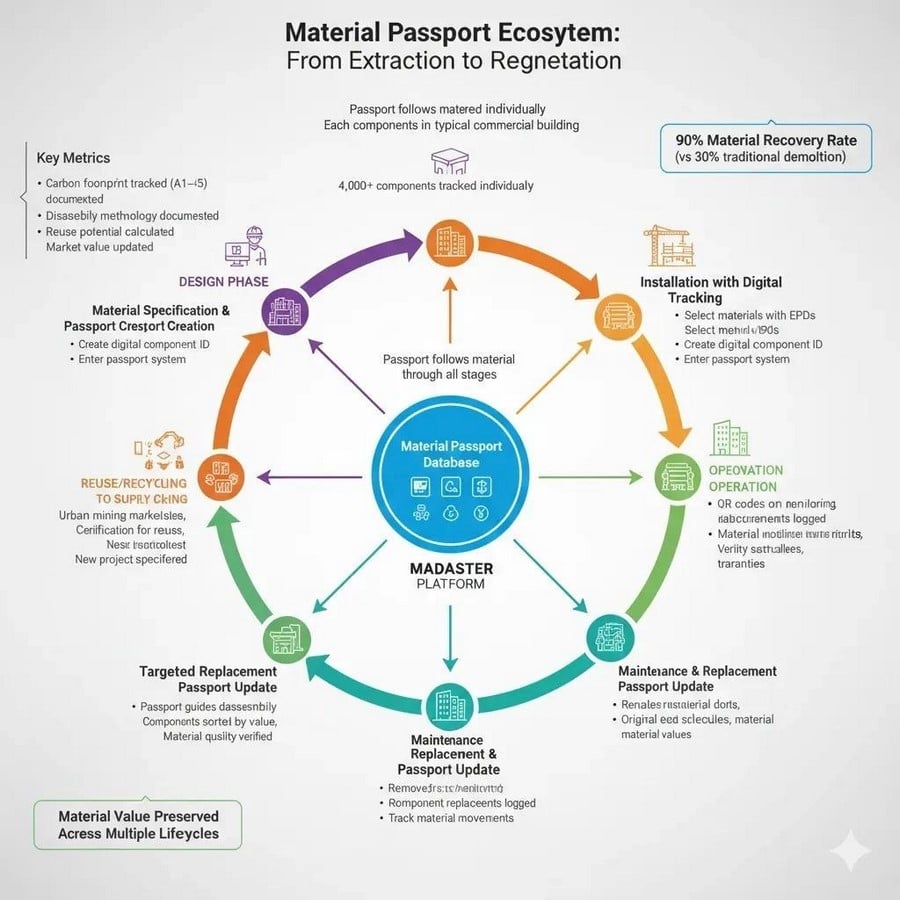
This new approach already affects current practices through the material passport and various digital platforms like Madaster, where buildings are represented as resources that can be reused in the future. Instead of noting only sizes and characteristics of each part, the architects also document the materials used, where they are placed, how they are connected, and whether they can be dismantled without causing any damage.
So, the value of the building is not limited only by its contribution during the occupation period.
Designing for Disassembly
If buildings are to be turned into material banks, the process has to start well before any demolition happens.
It starts with design.
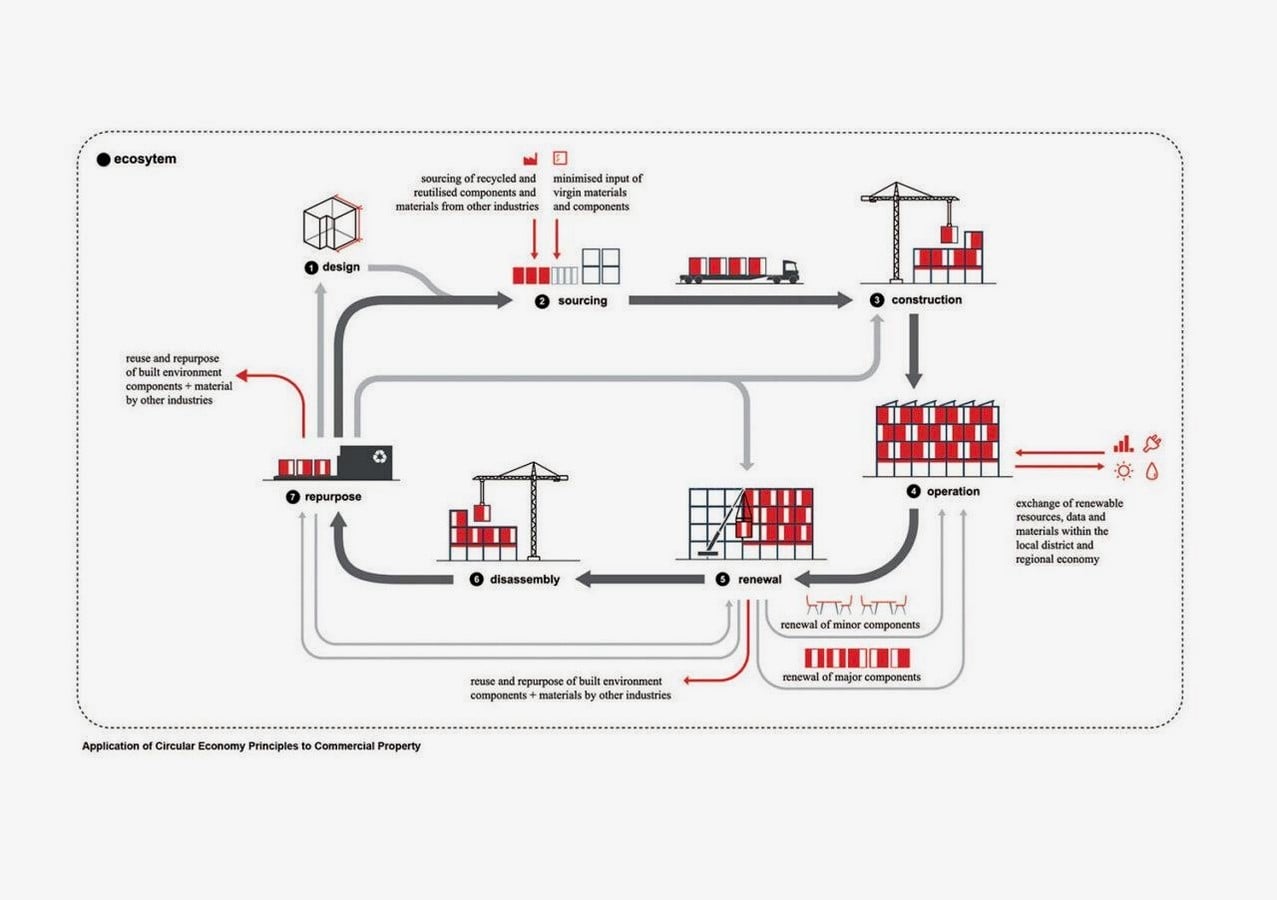
Disassembly-oriented design means challenging assumptions which have existed for decades. Conventional joineries instead of permanent glues. Bolted steel structures are easier to disassemble than welded structures. Dry construction systems make disassembly possible by separating different parts of buildings from each other, while modular construction limits waste during assembly and disassembly processes.
All those choices may look technical, but at the core they radically change our understanding of how architecture interacts with time.
The architect no longer designs for assembly alone. The architect designs for disassembly too.
In many aspects, disassembly-oriented design implies an almost imperceptible shift in vision. Instead of thinking how to put materials together to create buildings, architects start thinking how to get those materials out of those buildings someday.
Buildings Already Learning to Let Go
Various projects have started to look at material recovery as an architectural goal instead of an environmental afterthought.
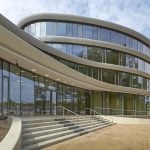
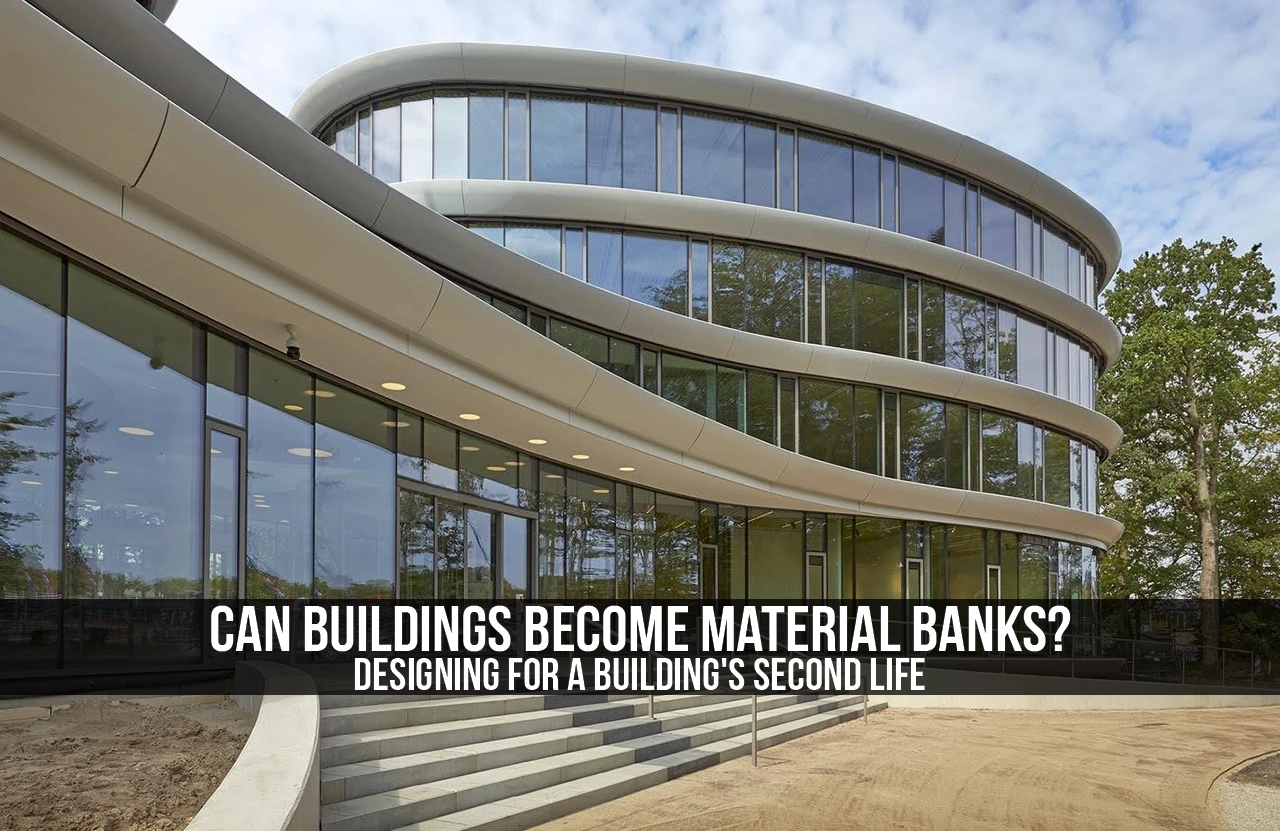
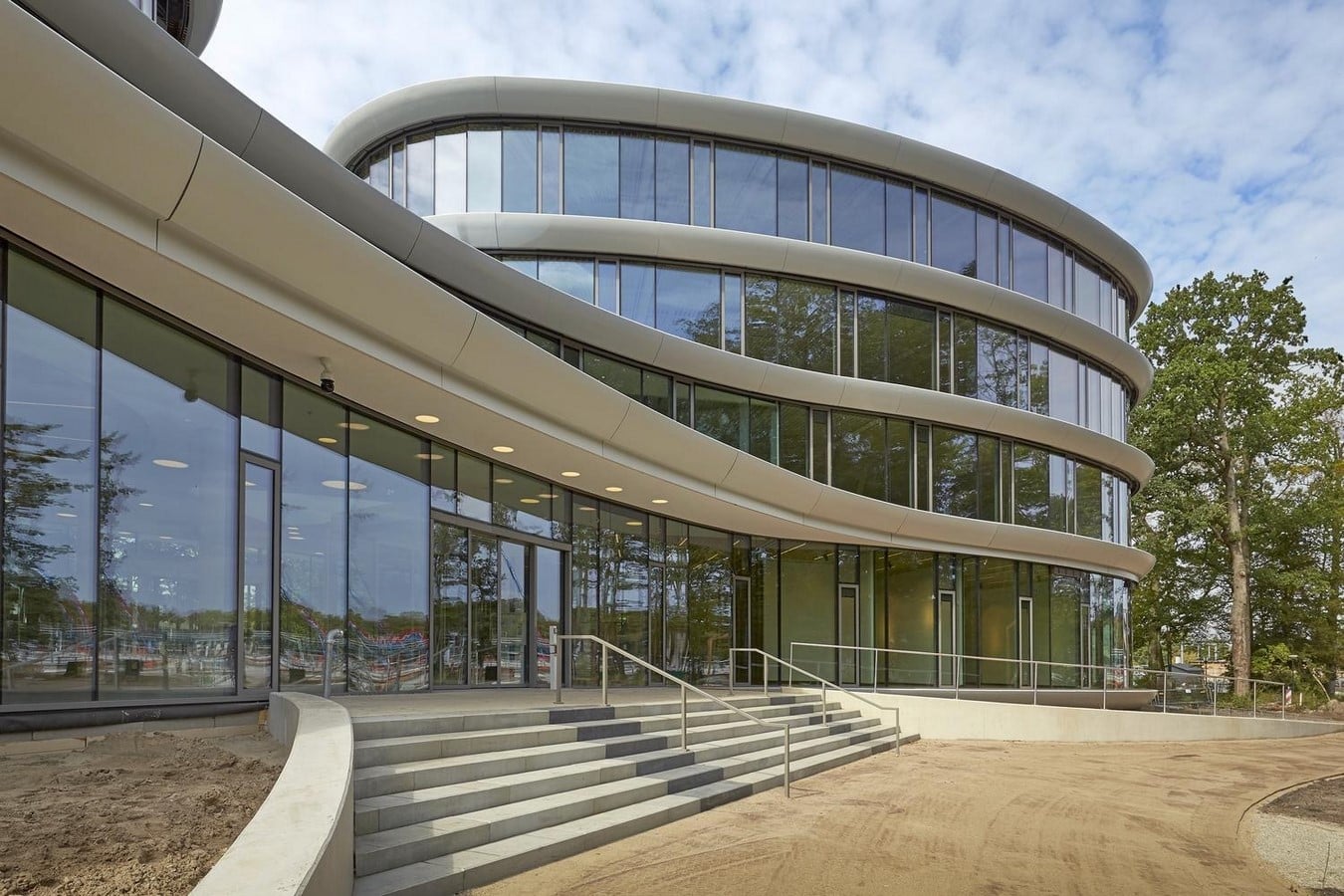
For instance, the Triodos Bank Headquarters located in the Netherlands and designed by RAU Architects is among the most popular designs based on this concept. This design is characterised by reversible connections and material passports whereby the materials used in the building can be taken apart and reused if they can no longer be used.
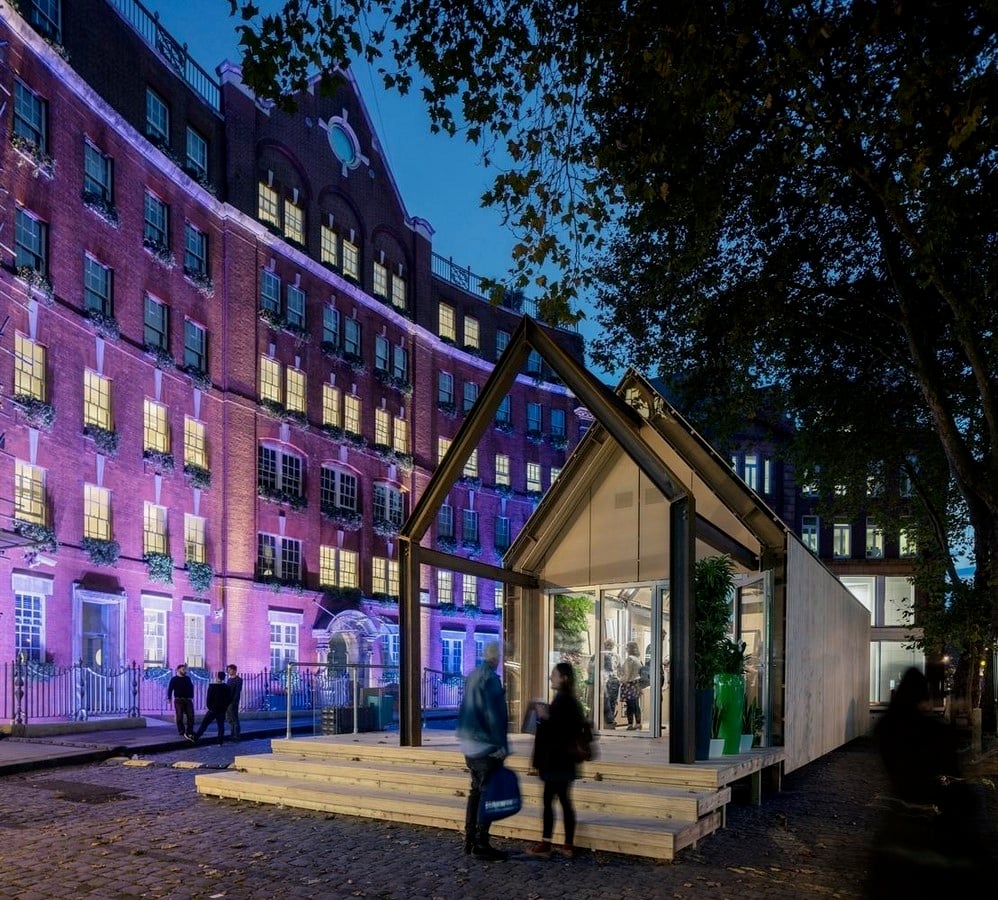
Similarly, the Circular Building, designed by Arup, BAM, and The Built Environment Trust, showed that temporary architecture could be constructed using recycled and reusable components. Instead of hiding the construction process, the design used reversibility as an integral element as part of its design.
This shows an important shift in architecture.
Sustainability is not only being considered in terms of energy consumption or CO2 emissions.
It is now being measured by whether the building can become a source of another.
Perhaps This Isn’t a New Idea
Despite the notion that the use of material banks advocates for a novel concept for the circular economy, the philosophy behind this process turns out to be rather familiar.
Reusing building materials has been a staple of architecture throughout its history.
Across India, carved wooden doors have been preserved from demolished buildings and reused in newly constructed ones. Stone columns from abandoned temples have been repurposed as construction materials for new buildings in the past. Bricks, roof tiles, and recycled wood have been circulating within construction economies for ages, providing additional longevity of those building materials beyond their original purpose.

The ancient practice of spolia, which involved re-using pieces of old buildings in new ones, proves that the re-use of building materials has always been a crucial part of architecture.
The circular economy has never invented re-use.
It has simply come up with new terminology and technology of documenting, recovering and redistributing those materials.
Maybe the future of sustainable architecture does not lie in inventing something
Designing for Tomorrow’s Architect
Architects must deal with the decisions that another person made before.
The buildings that we are currently renovating, adapting or demolishing are built according to drawings prepared decades ago. While some invite thoughtful intervention, others defy it.
Material banks encourage architects to consider a new relationship of buildings with time.
The anonymous architect who will dismantle the building in fifty years will become a hidden collaborator of our current architectural practice. Every joinery, every material used either makes their job easier or harder.
Maybe this is the most radical change proposed by material banks.
Buildings are no longer autonomous entities finished at the moment of construction.
Instead, they are provisional constructions part of the continuous process of transformation.
Architecture has traditionally been synonymous with longevity.
But all constructions, regardless of their intentions, shall inevitably evolve, adjust, or be demolished.
No longer is the issue whether something shall be demolished.
The issue is what remains after the demolition.
Material banks inspire architects to look beyond mere construction and realise that demolition is the birth of new things from old. They challenge designers to envision architecture not as a catalogue of finished works but as meticulously prepared collections of potentialities for the future.
Maybe it is not the case that buildings become material banks at demolition.
Buildings become material banks at conception.
References:
- Arup (2016) The Circular Building. Available at: https://ce-toolkit.dhub.arup.com/case_studies/25 (Accessed: 1 August 2026).
- Ellen MacArthur Foundation (2019) Completing the Picture: How the Circular Economy Tackles Climate Change. Available at: https://ellenmacarthurfoundation.org/ (Accessed: 1 August 2026).
- Madaster (n.d.) Material Passports. Available at: https://madaster.com/material-passport/
- European Commission (2020) Circular Economy Action Plan. Available at: https://environment.ec.europa.eu/strategy/circular-economy-action-plan_en (Accessed: 2 August 2026).
- Madaster (n.d.). Triodos Bank: A Material Bank. [online]. Available at: https://madaster.co.uk/inspiration/triodos-bank-a-material-bank/ [Accessed: 2 August 2026].
- RAU Architects (n.d.). Triodos Bank Nederland. [online]. Available at: https://www.rau.eu/portfolio/triodos-bank-nederland/ [Accessed: 1 August 2026].