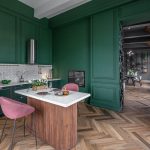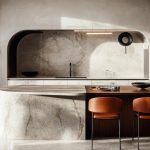
There is a measurable gap between the kitchens people save to inspiration boards and the kitchens they pay to build. Houzz surveyed 1,780 U.S. homeowners on its platform in July 2025 about kitchen projects they had recently completed, had underway, or planned to start within six months. Anyone briefing a kitchen remodeling contractor at Bay Area this year is working from a list that has moved toward warmth, named storage, and long-term usability, and the shift shows up in cabinet color, pantry planning, and hardware rather than in bold style statements. Here is what those requests look like in numbers.
Which Kitchen Cabinet Colors Are Homeowners Choosing?
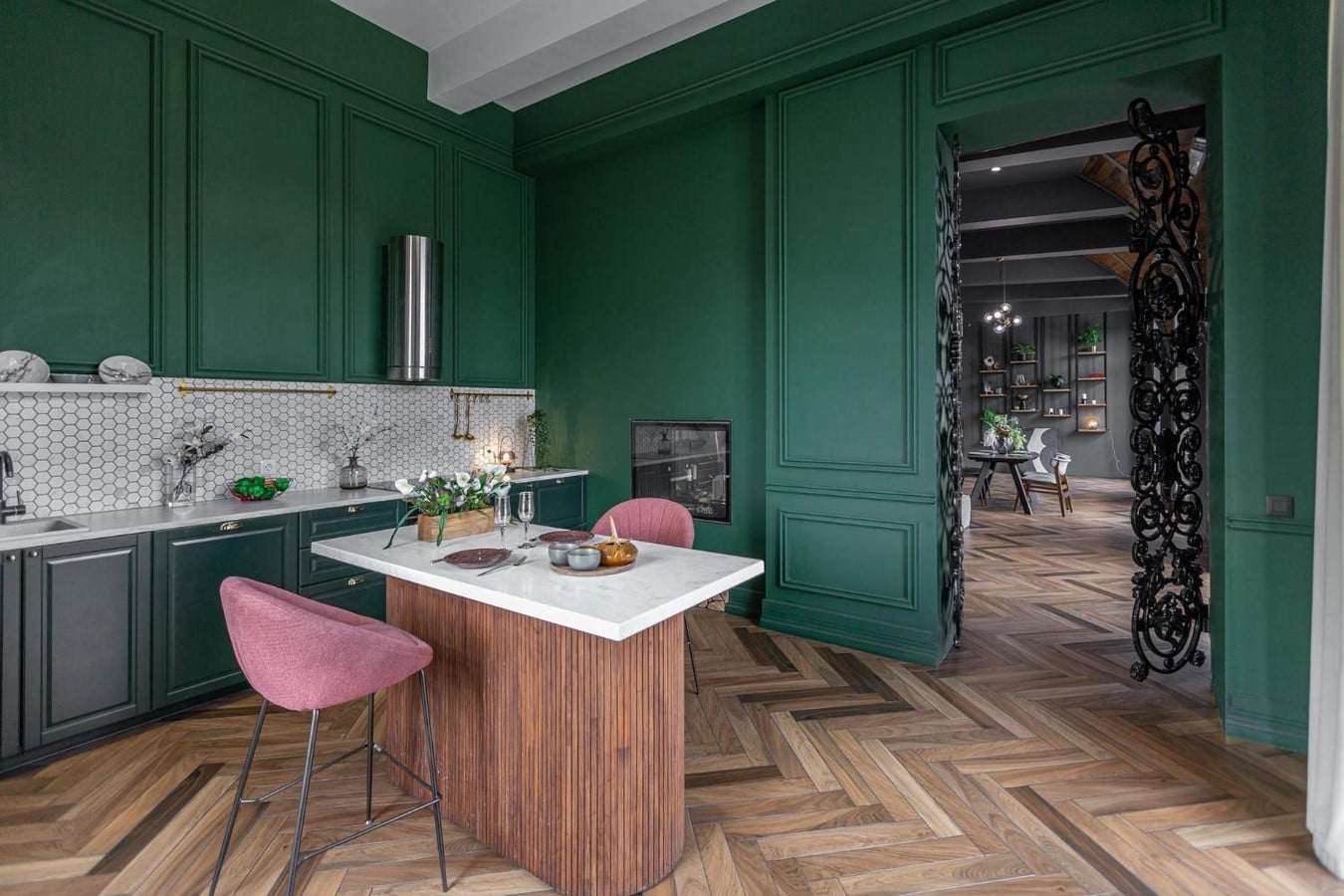
Wood cabinetry is the most requested kitchen cabinet color among renovating homeowners, chosen by 29%. White slipped to second.
| Cabinet color | Share of renovating homeowners | Change from prior year |
| Wood, all tones | 29% | up 6 points |
| White | 28% | down 5 points |
| Off-white | 15% | steady |
| Green | 6% | not reported |
| Gray | 5% | not reported |
Within the wood category, medium tones carry the demand at 15%, followed by light wood at 11% and dark wood at 3%. Green has moved just ahead of gray, while blue, beige, black and greige each stay under 5%. About a quarter of homeowners (24%) order contrasting upper and lower cabinets, and in those kitchens white leads the uppers at 40% while wood leads the lowers at 37%. Blue lowers appear in 19% of them and green in 14%, so saturated color concentrates below the counter in that group.
A large majority (78%) change their kitchen’s style during a remodel, a share that dipped 3 points. Transitional remains the most requested look at 25%, with traditional at 12%, modern at 11%, contemporary and farmhouse tied at 10%, and midcentury at 6%.
 Built-In Kitchen Storage Features, Ranked by Demand
Built-in kitchen storage appears in more than three-quarters of remodels, with 76% of renovating homeowners adding at least one specialty feature.
| Built-in feature | Share of renovating homeowners |
| Pantry cabinets | 47% |
| Beverage or coffee station | 24% |
| Built-in seating | 17% |
| Wine refrigerator | 17% |
| Walk-in pantry | 16% |
| Breakfast bar | 14% |
| Baking station | 9% |
| Butler’s pantry or prep kitchen | 7% |
Recorded motivations point to visual calm as much as capacity. Among homeowners adding a butler’s pantry, 30% want clutter kept out of sight and 22% want the extra storage. Cabinetry carries the load elsewhere, with 84% upgrading cabinets in some form, 68% replacing all of them, and only 5% leaving cabinets untouched.
Can a Kitchen Layout Change Without Enlarging the Room?
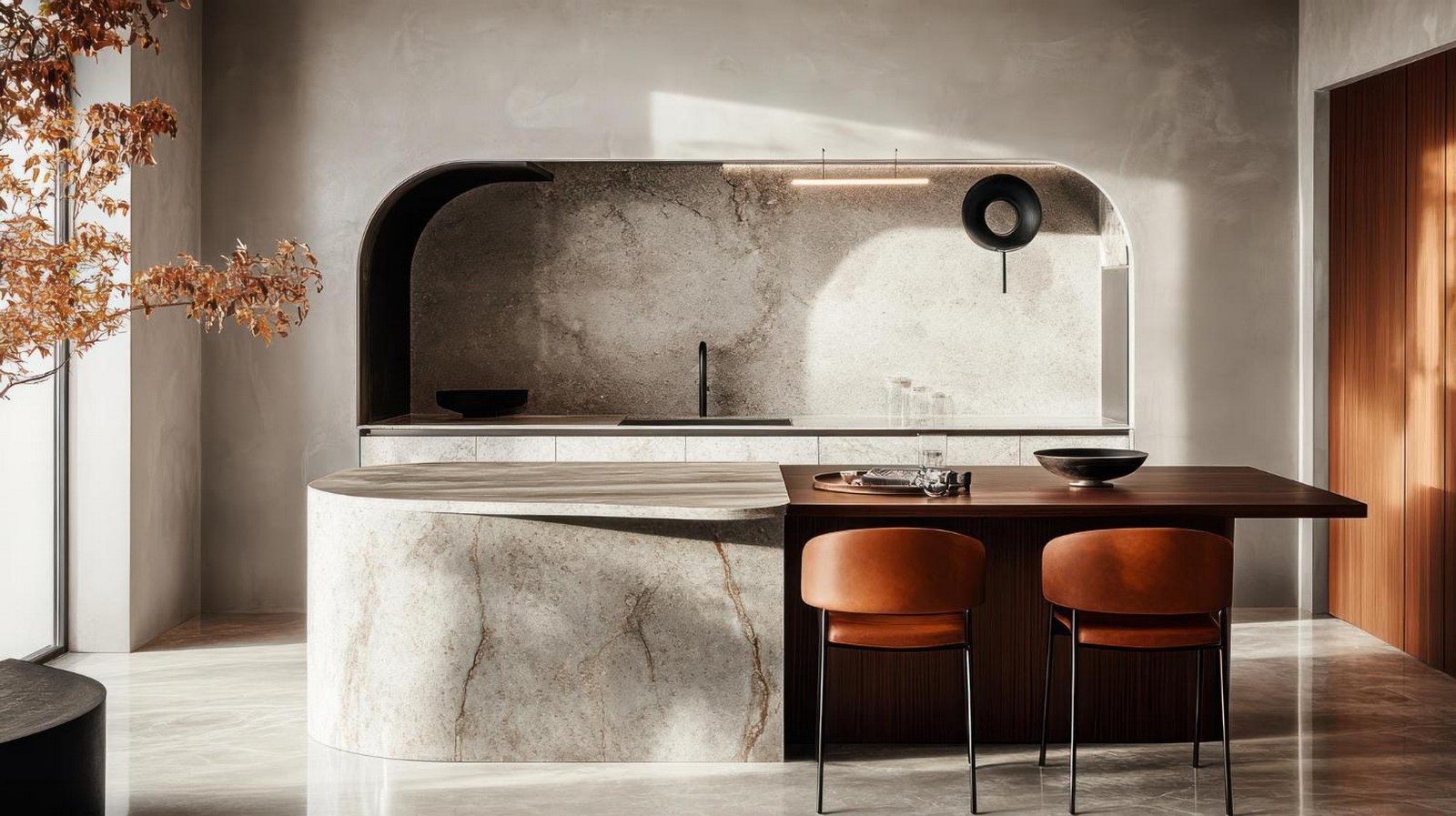 Yes. Reworking a kitchen layout inside the existing walls is now the standard approach, with 52% of renovating homeowners changing the layout while 68% end up with a room the same size they started with, a share that climbed 4 points year over year.
Familiar shapes still win among kitchens that do change plan. L-shaped layouts lead at 35%, U-shaped follow at 31%, and galley plans account for 14%. Among the 32% who enlarge the footprint, the space usually comes from an adjoining room rather than new construction, with 25% taking it from the dining room, 17% from a breakfast nook and 16% from an addition. Only 6% end up with a much larger room.
Renovation triggers have moved in the same practical direction. Deterioration or dysfunction now motivates 38% of remodels, up 3 points, closing on the 41% who cite dissatisfaction with the old kitchen’s style, so a larger share of projects now starts from a functional problem.
Aging-in-Place Kitchen Features Are a Majority Request
More than half of renovating homeowners (53%) address current or future special needs during a kitchen project, up 3 points. Aging drives that group, with 41% of them planning for future aging needs, up 6 points, and 31% addressing an aging household member now, up 5 points. Most are not reacting to an immediate change, since 52% expect those needs to arrive five or more years out.
Nine in ten of the homeowners planning for aging (90%) specify accessibility features, and storage hardware leads the list ahead of structural work.
- Pullout cabinets, 59%
- Additional lighting, 51%
- Wide drawer pulls, 44%
- Rounded countertop edges, 34%
- Nonslip flooring, 32%
- Wheelchair-accessible doorways, 21%
- Lower fixtures, 15%
Pet-focused (8%) and child-focused (5%) requests trail far behind within the same group, and several of those categories declined year over year.
Kitchen Remodel Costs by Scope and Size
Median spend on a major kitchen remodel, meaning one where all cabinets and appliances are replaced, is $55,000. Houzz reports medians rather than averages here, since a handful of outsized projects distorts the mean.
| Project type | Median spend | Larger kitchen, 250 sq ft or more | Smaller kitchen, under 250 sq ft |
| Major remodel, all cabinets and appliances replaced | $55,000 | $75,000 | $46,000 |
| Major remodel, top 10% of spenders | not reported | $150,000 | $120,000 |
| Minor update, some cabinets and appliances | $20,000 | $25,000 | $20,000 |
| Minor update, top 10% of spenders | $50,000 | $53,000 | $44,000 |
These figures cover projects completed by mid-2025 and are not adjusted for inflation, so they are not a substitute for a current quote. Professional involvement scales with the spending. Across all projects, 87% of homeowners hire at least one pro, with general contractors engaged by 48%. Among those spending $50,000 or more, 98% hire at least one professional and general contractor involvement rises to 60%.
2026 Kitchen Countertop Trends
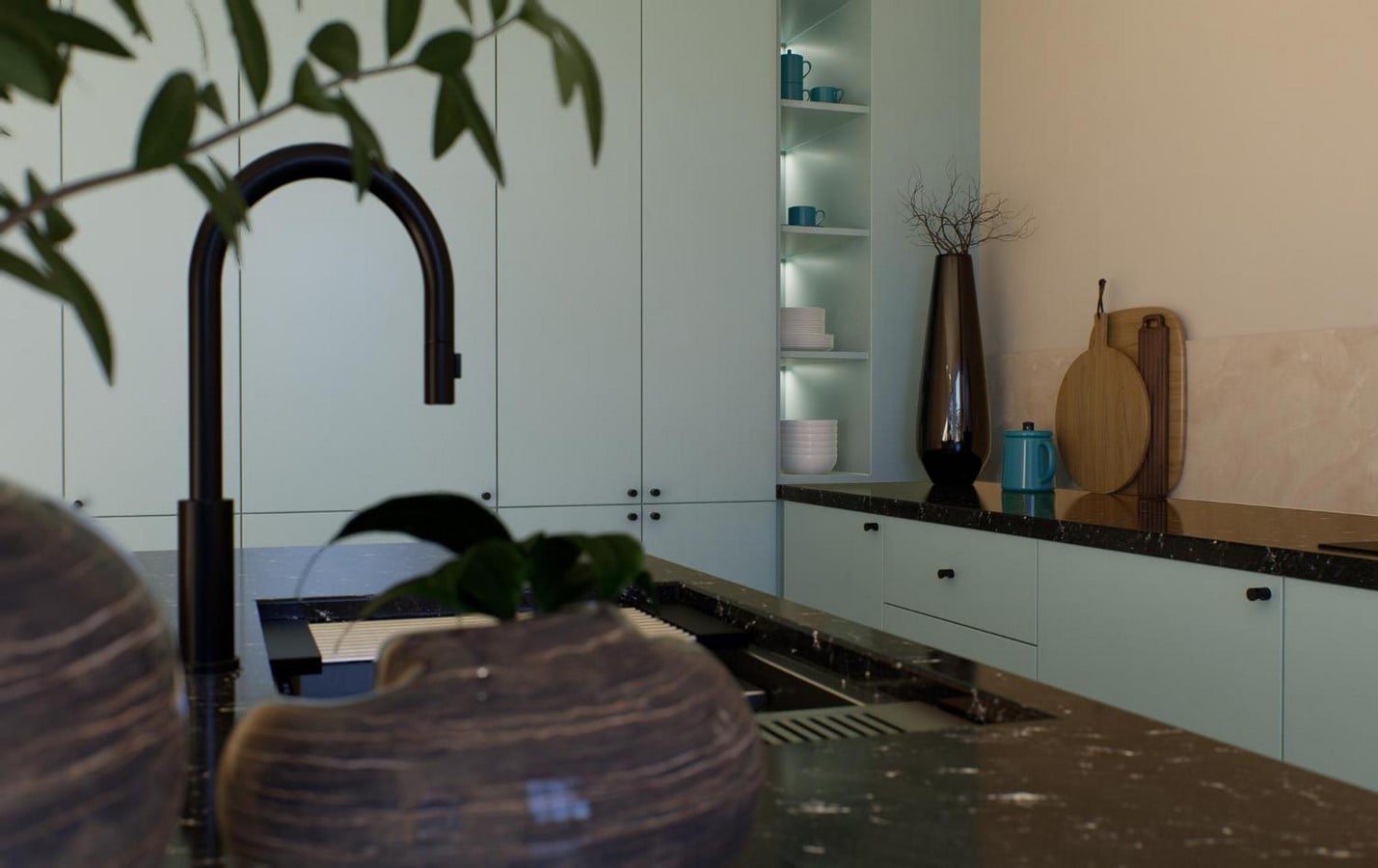 Kitchen countertop launches for 2026 lead with warm neutrals. At the February 2026 Kitchen & Bath Industry Show in Orlando, manufacturers showed creamy bases veined in taupe, sand and soft gold, set against the bright whites and cool grays that once dominated.
Three further countertop stories carried the show floor. Quartzite looks spread widely, with nearly every surface manufacturer introducing a version inspired by Taj Mahal quartzite. Textured finishes gained ground as brands embossed and sculpted slabs instead of printing flat patterns. Deep black surfaces with white or gold veining appeared across countertops, islands and feature walls.
Homeowner choices are moving more slowly than the product launches. Engineered quartz lost 7 points of share yet still leads every countertop material at 32%, ahead of granite at 15% and quartzite at 10%. The clearest warmth signal sits on islands, where butcher block or wood slab is now the top contrasting island material at 44%, a 13-point jump in a single year.
What the Trend Data Leaves Out
Every percentage above describes a kitchen that got built, not the one that got drawn. A survey can record the 47% who installed pantry cabinets, but nothing in it shows what came off the plan to pay for them. Ask for the full request list before pricing starts, then cut in daylight rather than at the point when cabinets are already on order.