Nature finds its way; it grows with its surroundings, adapts to changing climates, and evolves, but rarely repeats itself. It is often said that good architecture should do the same, but buildings are often designed as momentary fixes for underlying problems.
Drawing from nature allows us to slow down and see buildings not as static beings but as living elements, part of a broader ecosystem. When an architect designs for longevity, not just considering material or the type of construction, but designs to support life and its ever-changing nature, we see buildings come to life. (“Designing for a Long Life: What Architecture Can Learn from Nature, n.d.)
For centuries, humans have drawn inspiration from nature, whether from birds, animals, or plants. They are the ultimate inspiration for crafting intricate structures that blend function and sustainability. Watching the climate crisis worsen, especially over the past few years, governments and architects have primarily focused on building zero-impact buildings and utilising the benefits of biomimicry (designing to mimic nature) and biophilic design (integrating nature into design).
Nature as a Blueprint for Sustainable Design
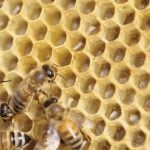
Architecture has always been influenced by nature, as architects have often looked to the natural world for inspiration. Two related movements have emerged recently, as the climate crisis deepens, focusing on incorporating nature into building design: biomimicry and biophilic design. Biomimicry is the practice of emulating natural systems and processes to solve human problems. In architecture, this means designing a building that is inspired by the shape or structure of a plant or animal, for example, incorporating natural ventilation or cooling systems that mimic those found in termite mounds or beehives. (Contreras et al., 2023)
Think of it as drawing inspiration from nature’s proven strategies. Over millions of years, plants, animals, and microorganisms have evolved ways to survive and flourish in a wide range of challenging environments. By studying these natural systems, designers can develop innovative solutions to improve human-made products. (“How Biomimicry is Shaping the Future of Product Design – SHEPPiDTM,” n.d.)
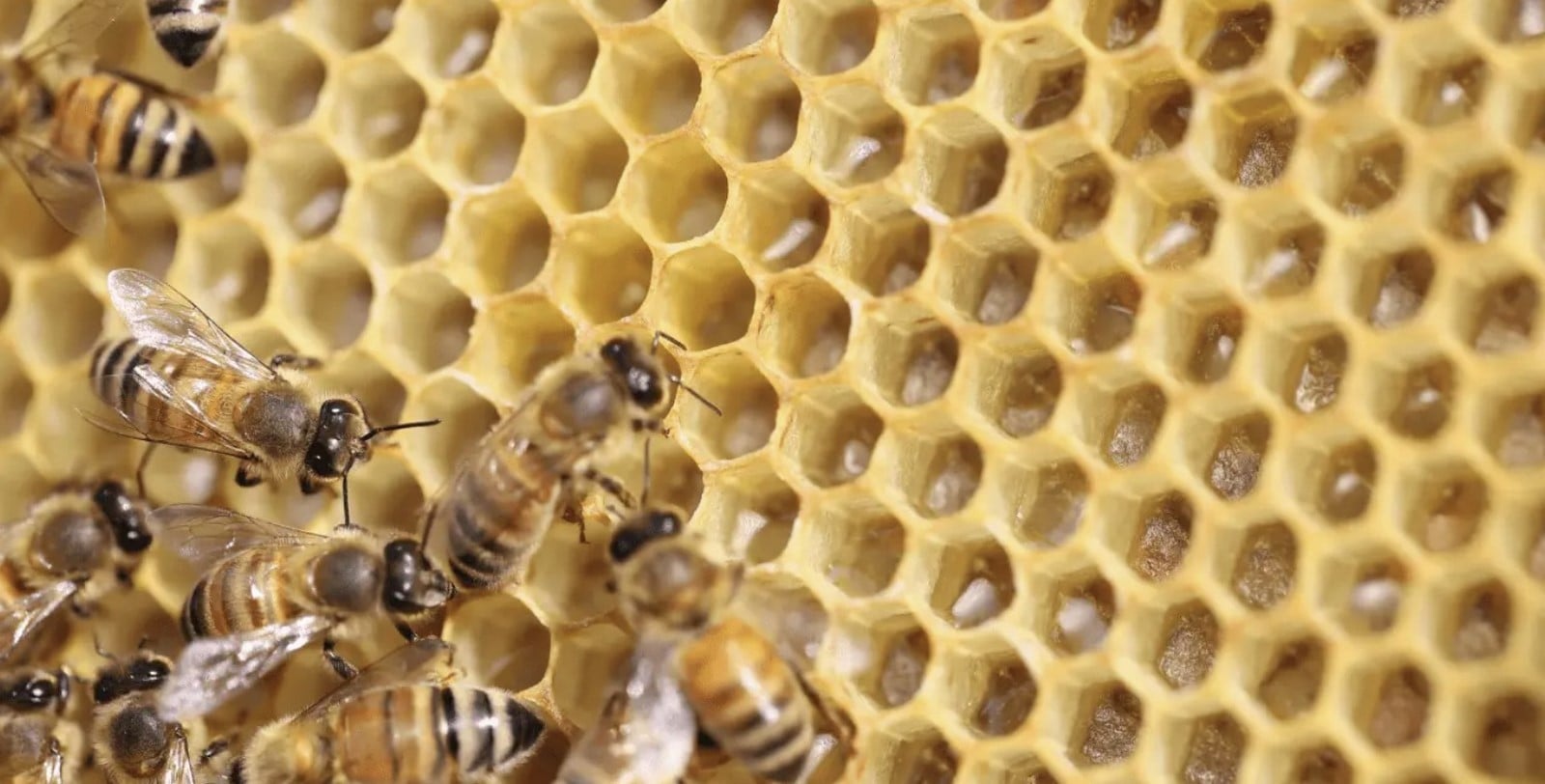
As Janine Benyus, one of the pioneers of biomimicry, has written, “Life has been engineering for 3.8 billion years, and we have much to learn from its genius.” (Contreras et al., 2023)
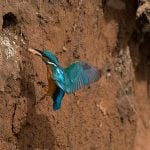
Birds’ nests are remarkable examples of natural engineering. They demonstrate precision, resilience, and adaptability. From the intricately woven nests of weaverbirds to the durable mud nests of swallows, birds use construction techniques that have inspired architects and designers to explore more creative avenues of designing. Whether dome-shaped, cup-shaped, or pendant-like, each nest is carefully adapted to its surrounding climate and environment. Recent research suggests that nest forms are related to the specific climatic conditions in which the bird resides, highlighting nature’s ability to respond to environmental challenges and offering valuable insights for climate-responsive architectural design. (“Birds are the ultimate architects, designing their nests for every climate | Pursuit by the University of Melbourne,” n.d.)
Bird nests may look simple, but they are incredibly strong and durable. Swallows, for example, build their nests by combining mud with saliva to create a natural composite that can withstand harsh weather. This idea has inspired building techniques such as adobe and rammed-earth construction, where locally available materials are used to create walls that are both strong and thermally efficient.
Similarly, bald eagle nests can weigh over a ton and remain in use for decades due to their durability, demonstrating how thoughtful construction and efficient use of materials can produce structures that are resilient, long-lasting, and sustainable.(“Sustainable Architecture Lessons from Bird Nests | Funeducated,” n.d.)
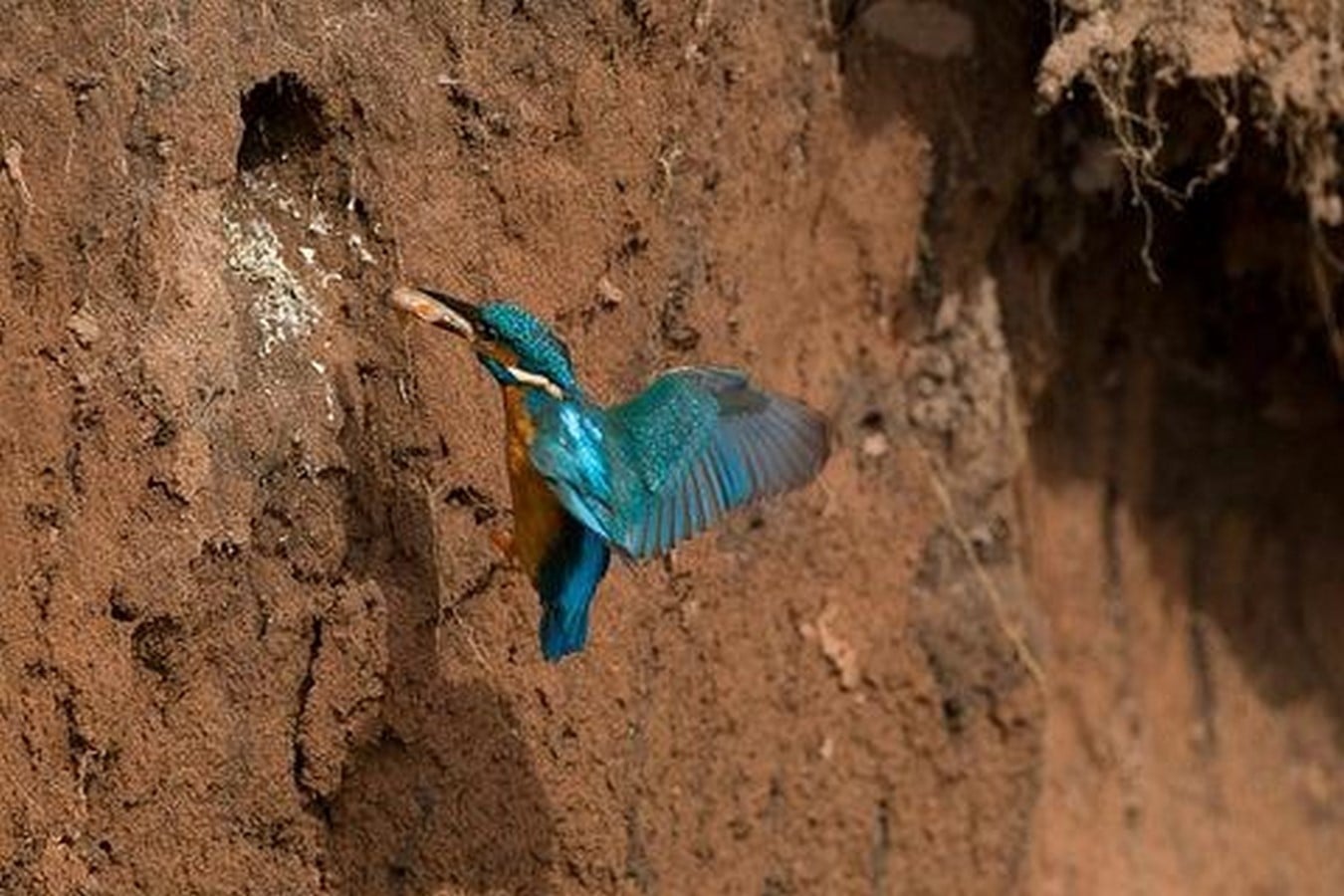
Birds also modify and refine their nests in response to changing environmental conditions, ensuring comfort and protection throughout different seasons. This adaptive behaviour has inspired architects to develop buildings that can respond dynamically to their surroundings through flexible spatial configurations, climate-responsive materials, and resilient design strategies. Such biomimetic approaches are increasingly applied in disaster-resistant housing and other forms of adaptive architecture, enabling buildings to accommodate environmental change better while enhancing occupant comfort and sustainability.
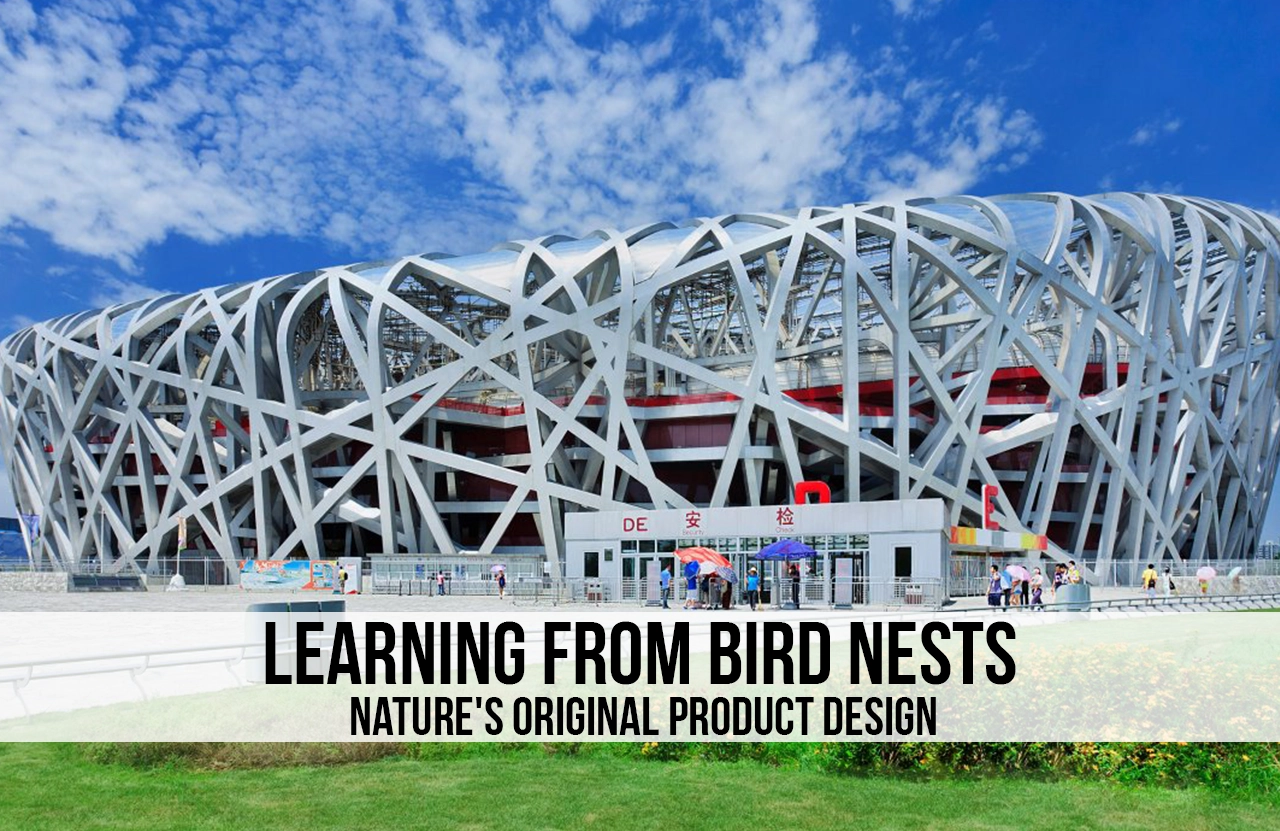
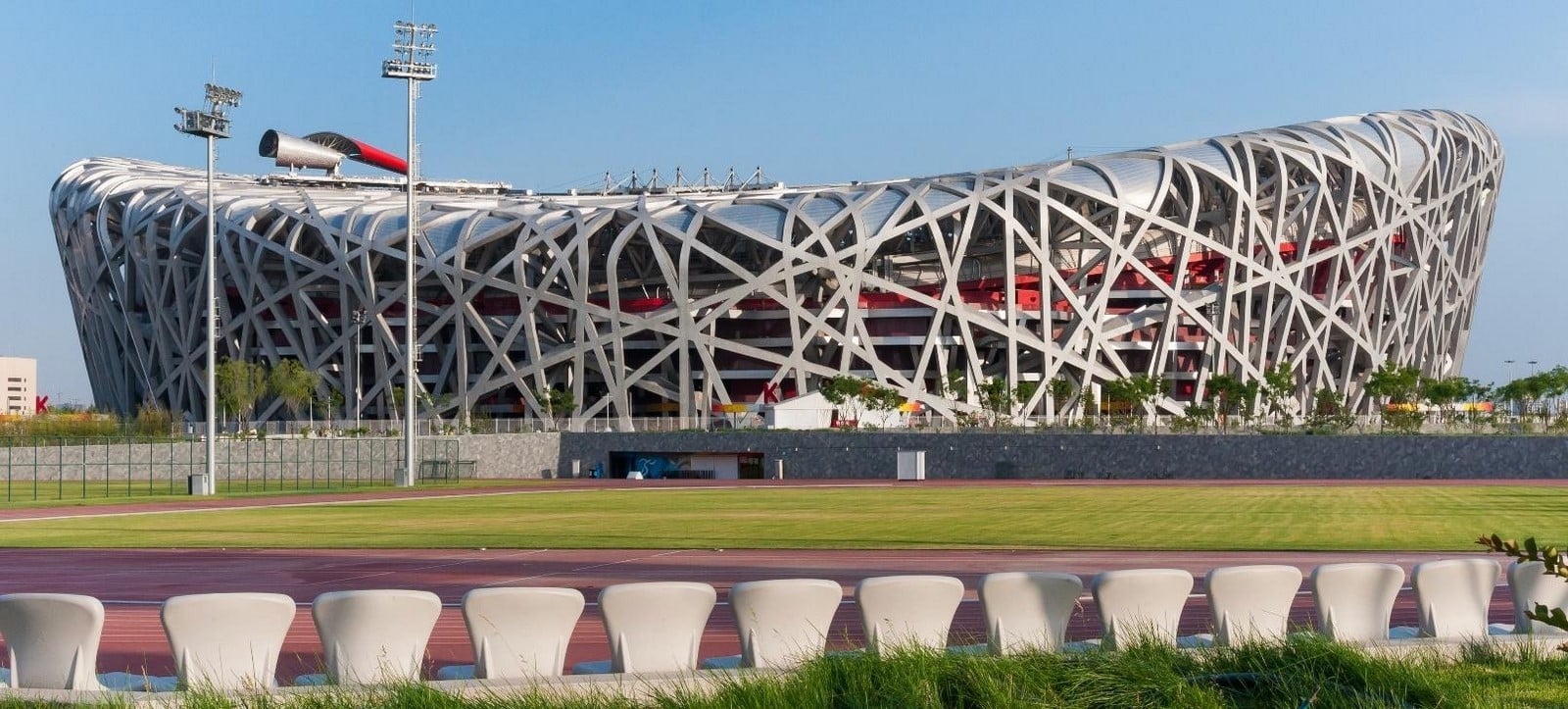
Beijing National Stadium (“Bird’s Nest”) – Beijing, China
Whether the inspiration for Beijing’s famous stadium came directly from bird nests or traditional Chinese art remains debated. Either way, it is a fascinating example of sustainable architecture inspired by birds.
Although the designers never confirmed that the stadium was directly inspired by a bird’s nest, its distinctive form quickly earned it the nickname Bird’s Nest because it resembled a carefully woven nest. Designed by Swiss architects Jacques Herzog and Pierre de Meuron in collaboration with artist Ai Weiwei, the stadium features an intricate steel lattice that reflects the complexity and efficiency of natural nest construction.
Key sustainable features inspired by bird nests:
Interwoven structural framework: Woven steel lattice distributes loads efficiently, creating a lightweight and distinct structure.
Natural ventilation: The open framework promotes airflow, improving thermal comfort and reducing reliance on mechanical cooling.
Earthquake resistance: The flexible structural system enhances stability and resilience against seismic forces.
ETFE membrane: Lightweight ETFE cushions allow abundant natural daylight while improving energy efficiency and reducing structural loads.
Completed for the 2008 Summer Olympics, the stadium remains an iconic example of how principles observed in nature can be translated into innovative and sustainable architectural design. (“Nature’s Architects – How Bird Nests Inspire Modern Design,” n.d.)
A Sustainable Future Inspired by Birds
As architects look for more sustainable ways to build, many are finding inspiration in nature. Bird nests demonstrate how structures can be lightweight, resource-efficient, and well adapted to their environment. These principles encourage the use of renewable materials, climate-responsive design, and flexible spaces that work with nature rather than against it.
More than just shelters, bird nests remind us that good architecture is about creating spaces that are resilient, adaptable, and efficient. Drawing from these natural principles, architects can design more adaptable buildings, make use of renewable materials, and respond to the environment in a more balanced way. (“Sustainable Architecture Lessons from Bird Nests | Funeducated,” n.d.)
References:
Birds are the ultimate architects, designing their nests for every climate | Pursuit by the University of Melbourne [WWW Document], n.d. URL https://pursuit.unimelb.edu.au/articles/for-million-of-years,-birds-have-worked-with-the-weather-to-design-their-nests (accessed 7.26.26).
Contreras, G.S., Lezcano, R.A.G., Fernández, E.J.L., Pérez Gutiérrez, M.C., 2023. Architecture Learns from Nature. The Influence of Biomimicry and Biophilic Design in Building. Mod. Appl. Sci. 17, 58. https://doi.org/10.5539/MAS.V17N1P58
Designing for a Long Life: What Architecture Can Learn from Nature – FORM & PLACE – Bespoke Residential Architecture in London & Henley-on-Thames [WWW Document], n.d. URL https://tracearchitects.format.com/blog/designing-for-a-long-life-what-architecture-can-learn-from-nature (accessed 7.25.26).
How Biomimicry is Shaping the Future of Product Design – SHEPPiDTM [WWW Document], n.d. URL https://sheppid.com/how-biomimicry-is-shaping-the-future-of-product-design/ (accessed 7.26.26).
Nature’s Architects – How Bird Nests Inspire Modern Design [WWW Document], n.d. URL https://lyferbrand.com/blogs/avian-journals-birding-lifestyle-blog/nature-s-architects-how-bird-nests-inspire-architecture (accessed 7.26.26).
Sustainable Architecture Lessons from Bird Nests | Funeducated [WWW Document], n.d. URL https://funeducated.com/2025/02/25/lessons-from-bird-nests-in-sustainable-architecture/ (accessed 7.26.26).