In India, every morning, cities wake up in buildings they haven’t built themselves.
Before office doors are opened, before metro stations fill up, and before shutters come up, many construction workers have been working on site. They do the work of tying bars, carrying bricks, laying concrete, and bringing the city skyline out of blueprints. Their labour is visible everywhere. Within the skyscrapers that rise above the city streets, in the metro lines that stretch far and wide in the growing suburbs. In the housing colonies that promise aspiration and progress.
But there are other spaces where these workers live that never show up in architectural drawings, city plans, or visions of the future.
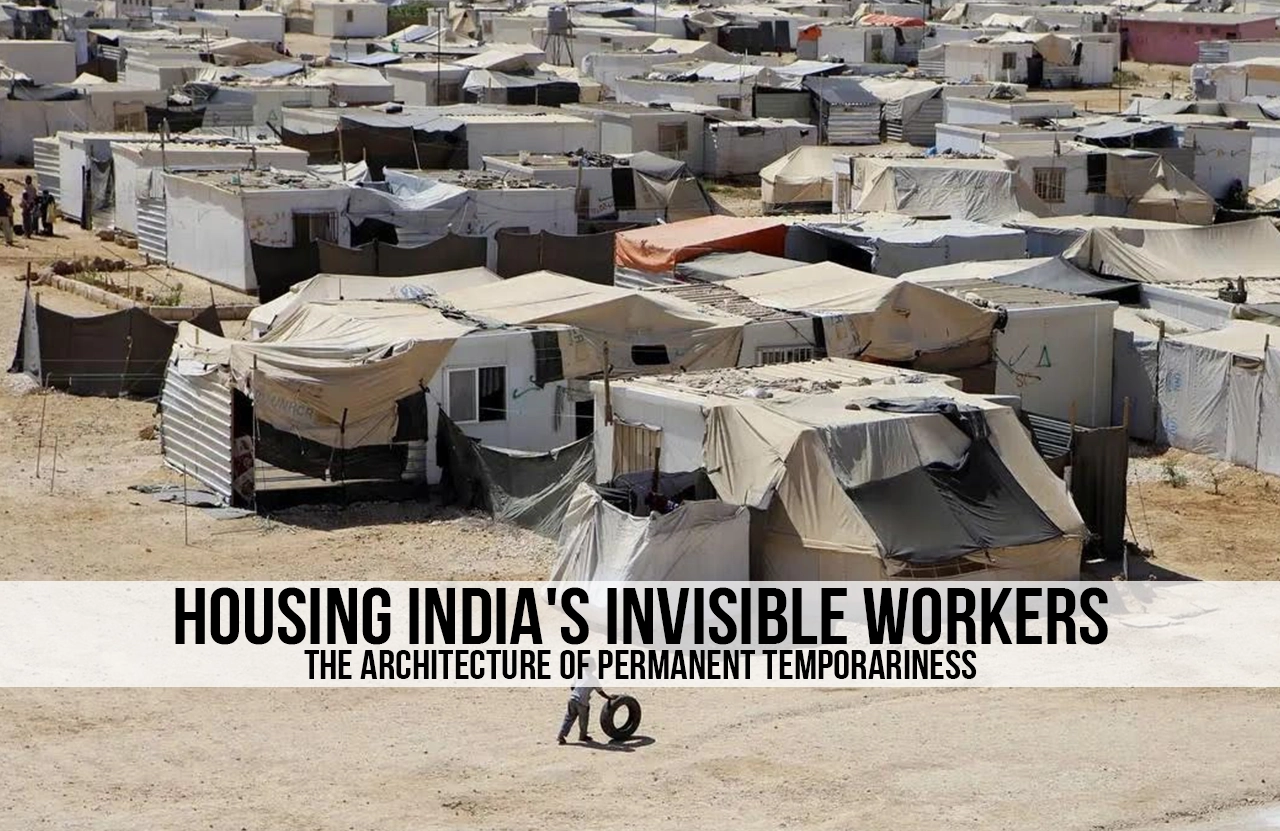
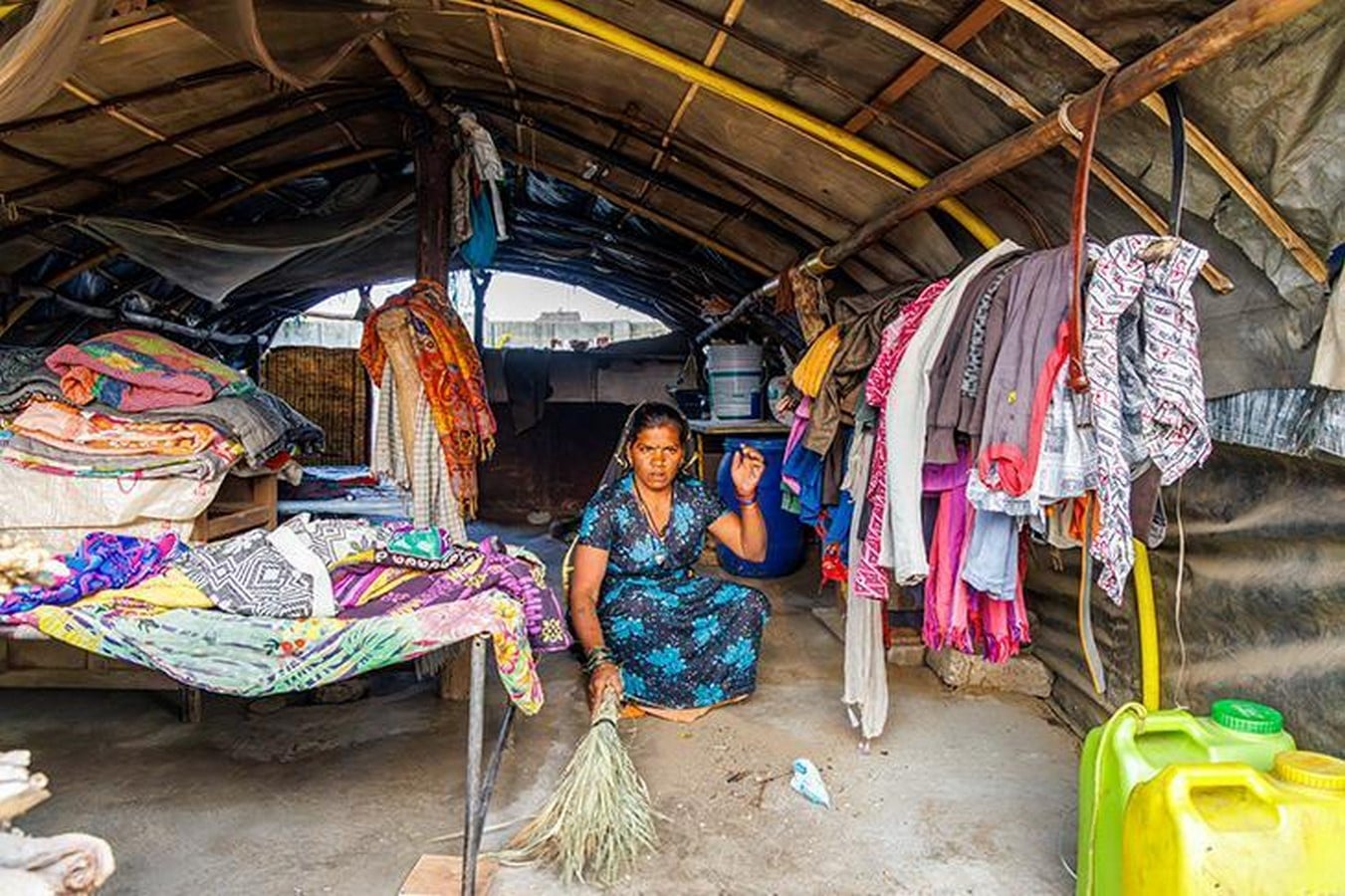
Go around any construction site in any Indian city, and you will always find a kind of dualism of architecture taking place. On one side of the site is a projected future city being sold through hoardings, visual representations, and projections. On the other side of the fence are workers cooking their meals in temporary shelters that they have constructed for themselves using sheet metal, tarpaulins, and recycled materials. Both sites are part of the same project, but only one is considered architecture.
There is something strange about that.
While cities glorify buildings constructed by migrant workers, they rarely recognize the spaces in which they live. While the temporary shelters lie hidden within construction sites or in industrial peripheries or between uncompleted structures, the settlements themselves are planned on the basis of the presumption that their inhabitants will move on sooner rather than later.
They do. But the condition persists.
And in doing so, they form the core of an emerging urban truth in India—a permanence of impermanence.
The City Behind the Hoarding
Cities love to create myths of permanence.
Their identity is based on monuments, infrastructure, residential neighbourhoods, commercial zones, and public amenities that denote stability and continuity. Urban expansion is frequently judged through visual evidence of the construction of new roads, new buildings, and new cityscapes.
Yet there is always another dimension to every city.
There is another side to the city, hidden behind fences, behind the official imagery and photographs. It exists in labour camps that accompany construction sites, in hostels located close to industrial zones, and in slum dwellings that serve as temporary residences for migrants following job opportunities. They are not normally celebrated by the city as an integral part of its identity, despite their indispensable role in sustaining the city’s identity.
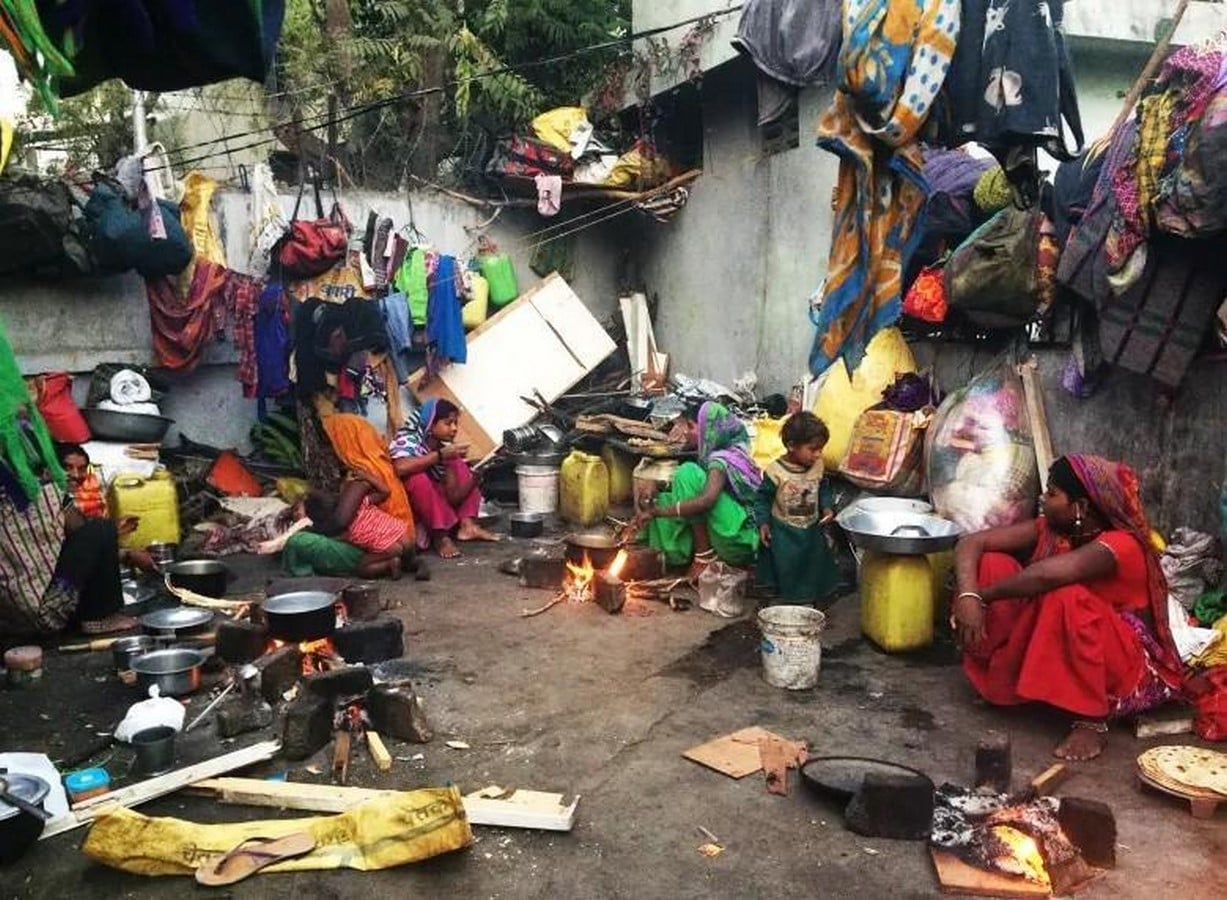
The contradiction is obvious.
Those who construct the city live in spaces that are denied their permanence by the city.
This may be one reason why migrant housing is never discussed in architectural discourse. They are caught between the two contradictory forces of urban development, existing physically but not conceptually. They have a presence but lack permanence.
At least this is the way the city looks at them.
When Temporary Becomes Permanent
Temporality means something temporary, some kind of condition that will eventually disappear.
However, sometimes the longest-living urban conditions come from temporary measures.
Throughout the globe, refugee camps, labour camps, emergency settlements, and informal communities are known for staying longer than the reason for their creation. They develop their own routine, business, and social network, and what used to be a temporary measure turns into a part of the urban structure.
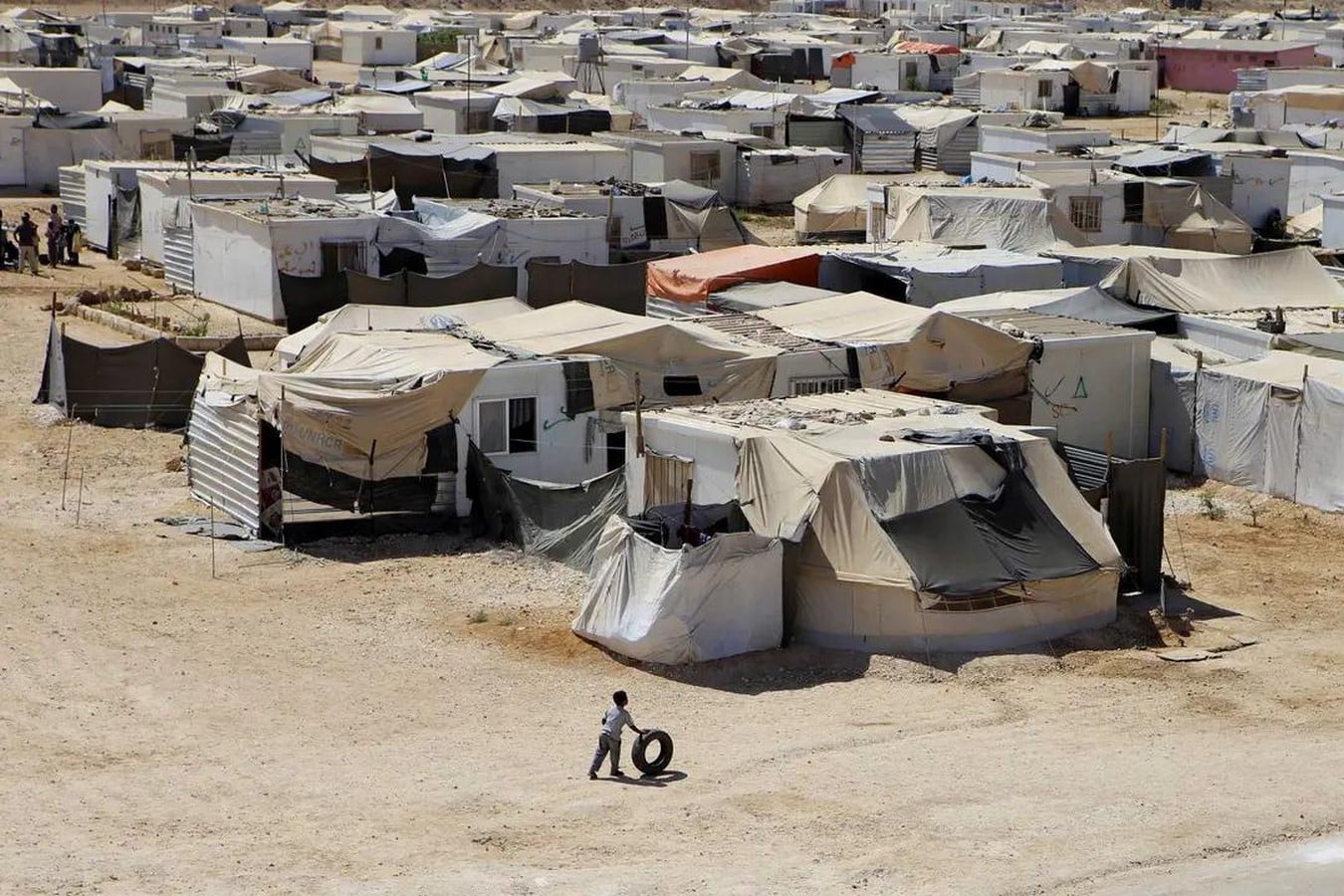
The Zaatari Refugee Camp in Jordan is a good example of such a situation. It was created in 2012 as an emergency settlement for Syrian refugees, but it turned into something much more complex, and it became an urban settlement while being a temporary one.
Indian migrant housing shows the same contradiction.
Not in the sense that the camps turn into a neighbourhood permanently, but because of the process itself, which doesn’t stop.
One workforce leaves. Another comes.
One project is finished. Another one starts.
While the structures are temporary, the process is quite stable.
The cities still consider them temporary in nature, as the individuals residing there keep changing now and then. But can something that has existed for many decades and still continues to contribute to the expansion of the city be considered temporary in nature?
Is it just that we have gotten used to considering permanence as temporary?
Who Does the City Imagine as Its Resident?
The assumptions of architecture can easily be found in how it accommodates them.
Typical housing designs usually incorporate an expected image of urban life. It involves a resident with an address, job, tenure, and a fixed connection to his neighborhood. Housing strategies, development, and planning tend to have certain assumptions about the stability of the city dwellers.
Migrant workers provide a challenge to the above assumptions.
They tend to have a connection to more than one place. They might work in one city while they keep their families somewhere else. Others might be moving seasonally, while others might relocate from state to state depending on construction projects. In this case, their image of urban life would revolve around mobility and not permanency.
However, mobility is regarded as an exception and not the rule.
It ends up in the design of a city that accommodates a resident who does not move despite its growth being fueled by moving people.
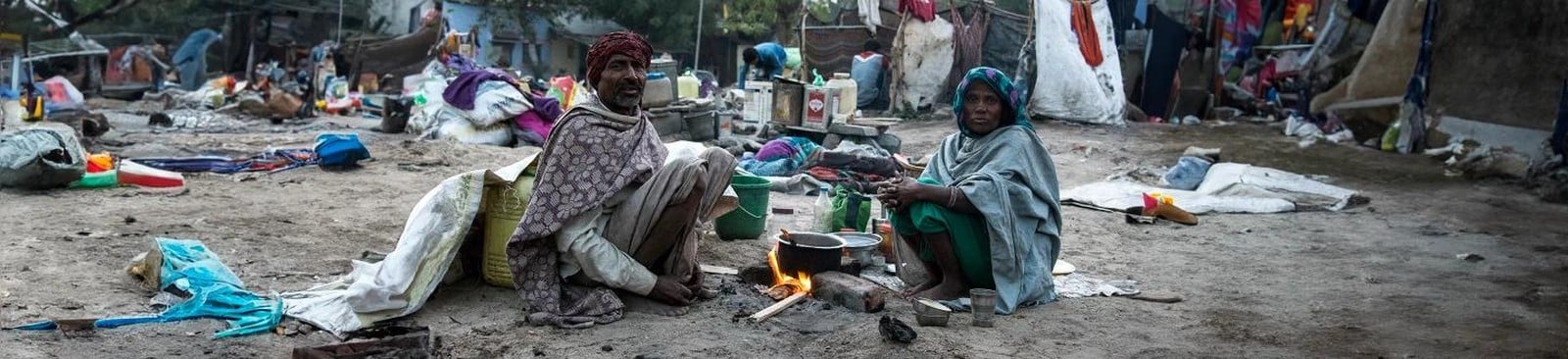
Therefore, there is an architectural question: When cities are built by people who move, why do many housing designs assume immovability?
It is not simply a matter of a lack of housing. It is a matter of lack of acknowledgement.
Housing makes clear those whom the city thinks of as including and whom the city thinks of as temporary residents. Most of the time, migrant workers become part of that latter group even after working for years in the city.
The worker becomes essential to the city but peripheral to its imagination at the same time.
Designing for Movement
Maybe it is because architecture still equates belonging with permanence.
The typical urban dweller would be a person who has a piece of property to call his own, stays put for a long time, and eventually gets attached to his surroundings. But today’s cities require many types of habitation that don’t fit this pattern.
Movement should not be seen as an exception.
It is a reality of urban existence.
If this is the case, then architecture must start designing for movement instead of viewing it as a transient phenomenon.
It does not mean tolerating inadequate habitation as something unavoidable. It does not mean building endless rows of temporary dwellings either. Rather, it means that each type of living calls for its type of dwelling.
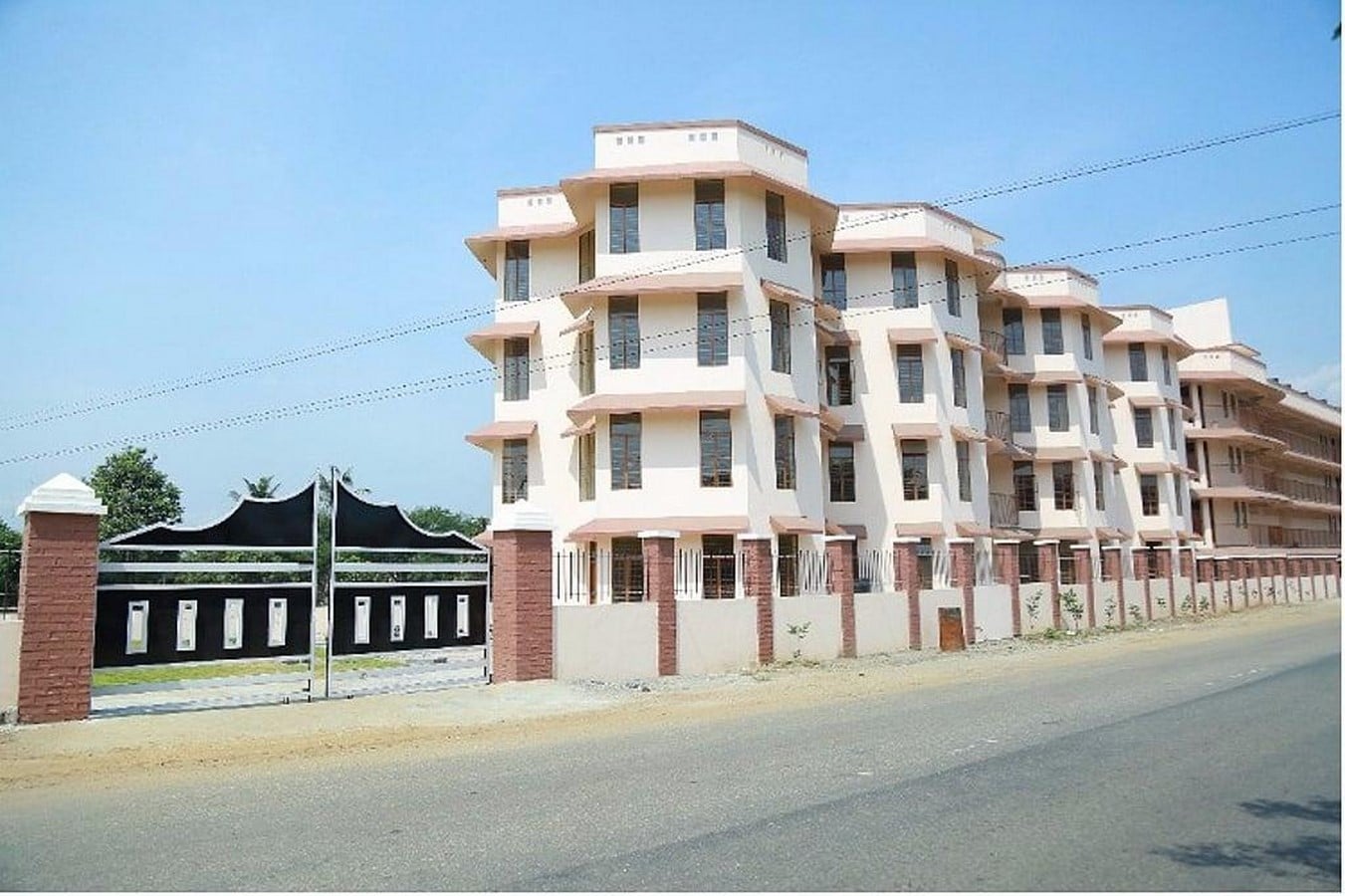
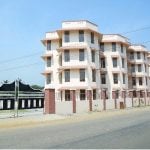
Projects like the Apna Ghar in Kerala recognize this by building residences exclusively for migrant workers from other states. Equally, organizations like Aajeevika Bureau have recognized the importance of building systems of housing that cater to the phenomenon of circular migration, shared occupation, and flexible employment.
The importance of these programs does not lie in their solving of the problem completely.
What matters is that they challenge the belief that movement and rootedness are antithetical.
One can move between cities yet deserves stability.
One can occupy a temporary residence yet deserves dignity.
One’s worthiness of architecture does not diminish merely by virtue of being transient.
Beyond Shelter, Towards Belonging
Discussion of migrant housing revolves primarily around figures. How many workers need housing? How many housing units must be created? And how many are still left unserved?
This is important.
However, it rarely touches upon the real issue at hand.
The real problem is not the provision of housing; it is the determination by the city itself of who belongs to it.
The concept of belonging revolves around the concept of permanence. We think that we belong to a place due to the fact that we have owned our home there for years and years; we belong to a particular area where we grew up. However, migrant workers question this notion.
Can you belong to a city you never belonged to? Can you belong to a city you might one day leave? Is it possible for one to be part of a city that relies on their labor yet refuses to see them?
These are no social issues; they are architectural ones.
The responses determine the design of buildings, their location, and for whom they should cater.
The most telling feature of migrant housing is the fact that it makes cities address their blindness. It shows the difference between the people whom cities celebrate and those on whom they rely.
A city skyline tells a story of permanence.
Glass towers, metro lines, bridges, and housing developments are often presented as symbols of growth and progress. Yet beneath every skyline lies another story, one that is rarely included in urban narratives despite being fundamental to their existence. It is the story of workers who move between cities, occupy temporary settlements, and build the very infrastructure that makes urban life possible.
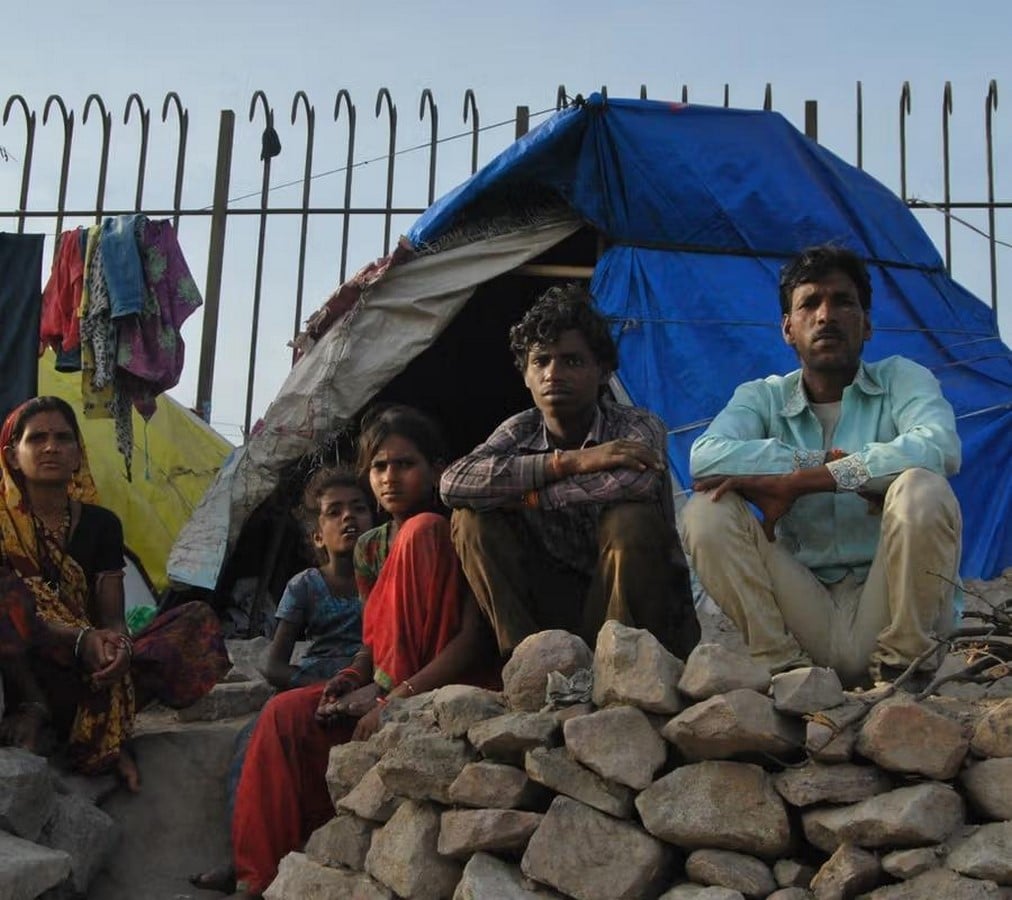
The architecture of migrant housing reveals a contradiction at the heart of contemporary urbanisation. Cities depend upon migrant workers for their growth, yet often continue to treat their presence as temporary. Their settlements remain hidden behind construction hoardings, their housing is pushed to the margins, and their needs are addressed as exceptions rather than as part of the urban condition itself.
Perhaps the challenge is not simply how to house migrant workers more effectively, but how to rethink who the city is designed for. If mobility is one of the defining realities of modern urban life, then architecture can no longer afford to imagine permanence as the only model of belonging.
The question is not whether migrant workers belong to the city. The more revealing question is why cities continue to behave as though they do not.
Perhaps the problem is not only about how migrant workers should be housed but rather about how we should think about the city and the people it is supposed to cater to. For if movement is one of the definitive aspects of modern urban living, architecture can no longer assume that permanence is the sole mode of belongingness.
The issue here is not whether the migrant worker is a resident of the city.
It is why cities behave like he doesn’t.
References:
- Desai, R. and Sanyal, R. (2012) Urbanizing Citizenship: Contested Spaces in Indian Cities. New Delhi: SAGE Publications.
- Hamdi, N. (2004) Small Change: About the Art of Practice and the Limits of Planning in Cities. London: Earthscan.
- Roy, A. (2005) ‘Urban Informality: Toward an Epistemology of Planning’, Journal of the American Planning Association.
- Turner, J.F.C. (1976) Housing by People: Towards Autonomy in Building Environments. London: Marion Boyars.
- UN-Habitat (2022) World Cities Report 2022: Envisaging the Future of Cities. Nairobi: United Nations Human Settlements Programme.
- Breman, J. (1996) Footloose Labour: Working in India’s Informal Economy. Cambridge: Cambridge University Press.
- Aajeevika Bureau (n.d.) Migrant Workers and Circular Migration. Available at: https://www.aajeevika.org/ (Accessed: 9 July 2026).
- Homes in the City (n.d.) Dignity of Labour. Available at: https://homesinthecity.org/project/labour (Accessed: 11 July 2026).