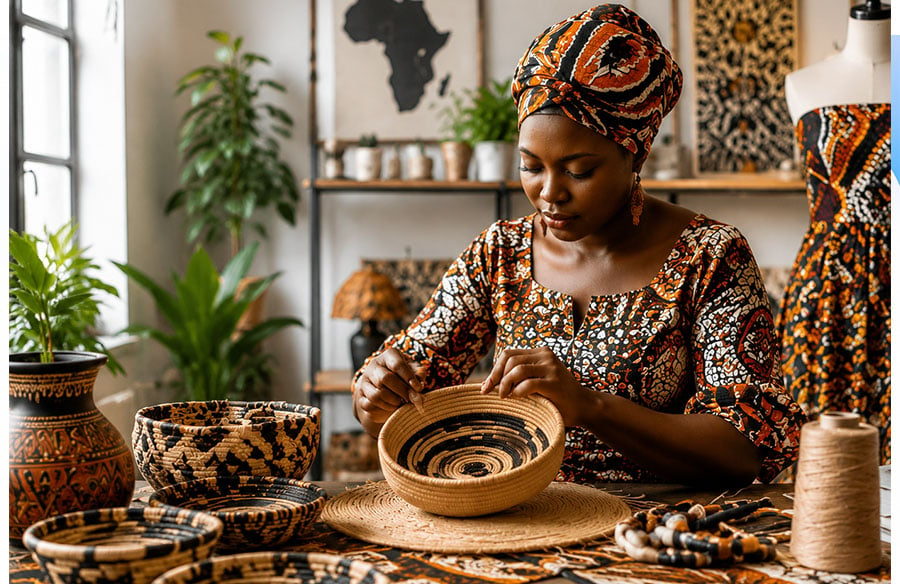
Traditional craftsmanship represents more than handmade products. It carries stories, cultural values, family histories, and creative expressions passed from one generation to another.
In today’s fast-changing world, traditional crafts continue to provide a meaningful connection between the past and the present.
For African communities living in the USA, traditional craftsmanship offers a way to celebrate heritage while creating modern expressions of identity.
From handmade textiles to artistic designs, African crafts continue to influence fashion, home décor, and cultural events. African Fabric plays an important role in this movement by connecting traditional patterns and meanings with contemporary lifestyles.
The Meaning of Traditional Craftsmanship
Traditional craftsmanship refers to skills and techniques developed within communities over many generations. These skills often include weaving, embroidery, pottery, woodworking, jewelry making, textile design, and other forms of artistic creation.
Unlike mass-produced items, handcrafted products often reflect the personal creativity and cultural background of the maker. Each piece can represent local traditions, historical experiences, and unique artistic methods.
Across Africa, craftsmanship has always been closely connected to community life. Artisans often use natural materials, traditional patterns, and cultural symbols to create products that communicate identity and history.
Why Heritage Crafts Continue to Matter
Modern technology has changed how people buy and create products, but traditional craftsmanship remains valuable for several reasons.
First, traditional crafts help preserve cultural knowledge. Many techniques are taught within families and communities, ensuring that important skills are not forgotten.
Second, handmade crafts create emotional connections. A traditional item often carries meaning beyond its physical appearance. It may represent family heritage, celebrations, spirituality, or memories of home.
For Africans living outside the continent, including communities across the USA, traditional crafts can provide a strong connection to their roots. Cultural clothing, artwork, and textiles allow people to express pride in their heritage.
African Craftsmanship and Cultural Identity
African craftsmanship is known worldwide for its diversity, creativity, and cultural significance. Different regions have developed unique artistic traditions influenced by local history, environment, and community values.
Textiles are one of the most recognized examples of African craftsmanship. Patterns, colors, and designs often communicate messages about identity, social events, and cultural traditions.
For African communities in the USA, wearing traditional clothing or decorating spaces with African-inspired designs can be a powerful way to maintain cultural connections. These practices are especially meaningful during celebrations, weddings, cultural festivals, and community gatherings.
Traditional craftsmanship also allows younger generations to learn about their heritage. Children and young adults can discover their history through art, fashion, and handmade creations.
African Fabric: A Bridge Between Tradition and Modern Style
African Fabric has become an important part of modern fashion while maintaining its cultural roots. Known for its vibrant colors, detailed patterns, and symbolic designs, African Fabric represents creativity and tradition.
Today, designers and individuals use African Fabric in many ways, including:
- Traditional clothing such as dresses, shirts, and ceremonial outfits
- Modern fashion pieces that combine African patterns with contemporary styles
- Accessories such as bags, scarves, and jewelry
- Home décor items including pillows, artwork, and decorative pieces
For Africans living in the USA, African Fabric offers a way to celebrate heritage while adapting to modern lifestyles. Many people wear African-inspired clothing not only for cultural events but also as everyday fashion choices.
The popularity of African Fabric also supports artisans, designers, and small businesses that continue traditional textile practices. Purchasing authentic handmade or culturally inspired products can help keep these creative traditions alive.
Traditional Crafts in the USA’s African Communities
The African diaspora has played an important role in preserving and adapting traditional craftsmanship. African communities across the USA continue to celebrate cultural traditions through markets, festivals, fashion shows, and community events.
Many African immigrants bring craftsmanship traditions from their home countries and introduce them to new audiences. These traditions often evolve as they mix with American influences.
Community organizations, cultural events, and small businesses provide opportunities for artisans to share their work. These spaces help create connections between generations and encourage cultural education.
Traditional crafts also contribute to conversations about diversity and representation. Seeing African designs in fashion, art, and business helps highlight the richness of African cultures.
The Role of Modern Technology in Traditional Crafts
Technology has created new opportunities for traditional artisans. Social media platforms, online stores, and digital marketing allow craftspeople to reach customers around the world.
An artisan who once depended only on local customers can now introduce their work to African communities in cities across the USA and beyond.
Technology can also help younger generations become interested in traditional crafts. Online tutorials, digital storytelling, and virtual cultural experiences make heritage skills more accessible.
However, maintaining authenticity remains important. Modern tools should support traditional craftsmanship rather than replace the cultural knowledge behind it.
Supporting Traditional Artisans and Ethical Craftsmanship
Consumers can help protect traditional craftsmanship by making thoughtful purchasing decisions. Supporting small businesses, independent designers, and cultural artisans encourages the continuation of heritage skills.
When buying traditional crafts, consider:
- Learning about the maker and their cultural background
- Choosing quality products designed to last
- Supporting fair business practices
- Appreciating the meaning behind designs and patterns
For African communities in the USA, supporting cultural businesses can strengthen connections between heritage and economic opportunity.
The Future of Traditional Craftsmanship
Traditional craftsmanship is not disappearing; it is evolving. The future of heritage crafts depends on finding a balance between preservation and innovation.
Young designers, entrepreneurs, and artists are discovering new ways to combine traditional techniques with modern creativity. This allows cultural traditions to remain relevant while reaching new audiences.
African Fabric, handmade artwork, and other traditional crafts demonstrate that cultural heritage can thrive in the modern world. They remind people that craftsmanship is not only about creating objects—it is about preserving stories, identity, and connections.
As global communities continue to grow, traditional craftsmanship will remain an important way for people to celebrate where they come from while creating something meaningful for the future.
FAQs
What is traditional craftsmanship?
Traditional craftsmanship refers to handmade skills and techniques passed through generations. It includes arts such as weaving, textile production, pottery, jewelry making, and woodworking.
Why is traditional craftsmanship important today?
Traditional craftsmanship helps preserve cultural heritage, supports artisans, and allows communities to maintain connections with their history and identity.
How does African Fabric represent culture?
African Fabric often reflects cultural stories through colors, patterns, and designs. It is used in clothing, celebrations, and creative expression.
How can African communities in the USA preserve traditional crafts?
Communities can preserve traditional crafts by supporting cultural events, teaching younger generations, purchasing handmade products, and promoting heritage education.
Is traditional craftsmanship compatible with modern fashion?
Yes. Many designers combine traditional techniques and fabrics with modern styles to create clothing that respects heritage while appealing to contemporary audiences.
How can people support African artisans?
People can support African artisans by purchasing authentic products, promoting cultural businesses, and learning about the stories behind traditional crafts.
Conclusion
Traditional craftsmanship continues to have an important place in the modern world. For African communities living in the USA, heritage crafts provide a meaningful connection to culture, history, and identity.
Through traditions like textile design and the use of African Fabric, communities can celebrate their roots while creating new expressions for future generations. By supporting artisans and valuing cultural creativity, traditional craftsmanship can continue to grow and inspire.